
Choosing between fabric and latex exercise bands can completely transform your home or gym workout experience. If you have ever had a thin band roll up your thigh or snap painfully against your skin mid-set, you know that material choice is not just about aesthetics. The right band depends on your specific fitness goals, the exercises you perform, and how the material interacts with your skin, especially during sweaty sessions in warm, tropical climates.
Understanding how these materials perform under tension, how they handle moisture, and how they wear out over time is essential for staying safe and getting the most out of your workouts. By comparing their comfort, durability, and resistance profiles, you can select the ideal tool to support your strength and mobility goals.
Core Differences in Comfort and Skin Feel
When it comes to direct skin contact, fabric and latex bands offer vastly different physical sensations. Latex bands are highly elastic and cling tightly to whatever surface they touch. During dynamic movements like lateral walks or squats, this clinging property often causes thin latex loops to roll up, bunch together, and pinch bare skin. This rolling action concentrates all the band’s tension into a narrow, tight cord that can cause painful chafing, red marks, or even bruising.
Products mentioned in this guide


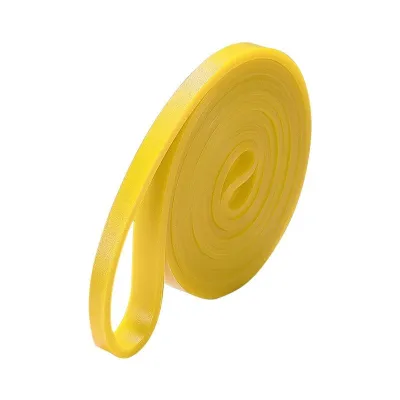
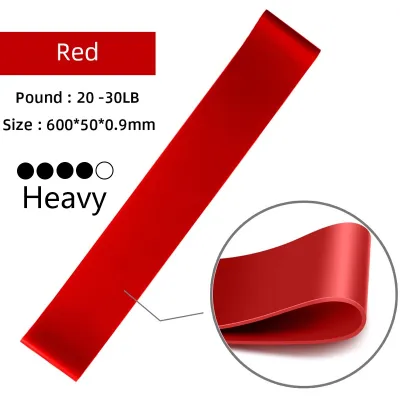
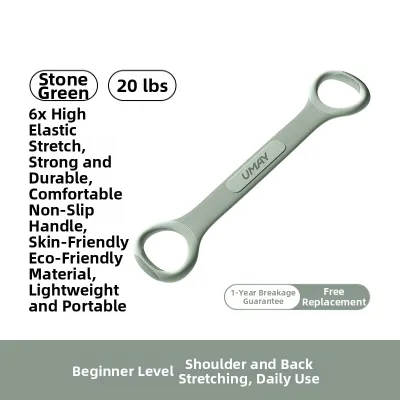
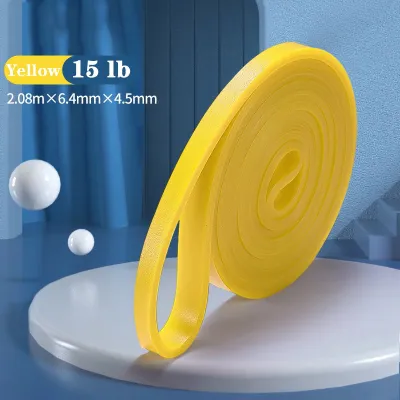
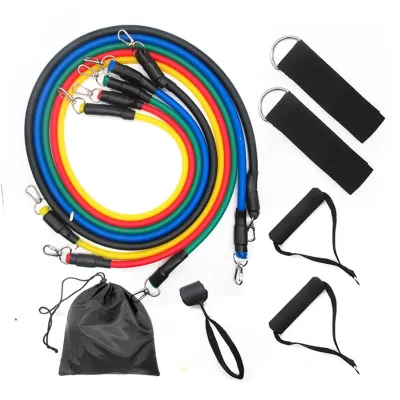
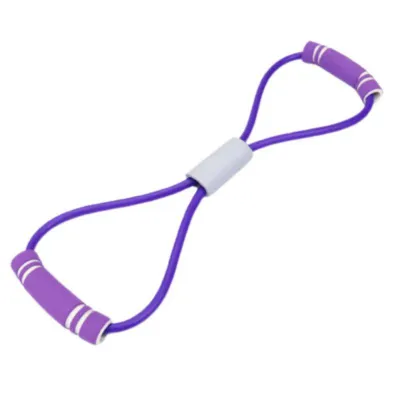
Prices are valid at publication and may change. Please refer to the product page for the latest price.
Fabric bands, by contrast, are woven from a blend of cotton or polyester and elastic fibers. They are significantly wider than standard latex loops, usually measuring three to four inches across. This extra width distributes the resistance over a larger surface area, preventing the band from digging into your thighs or hips. The soft, textured weave of fabric is non-abrasive, allowing it to slide smoothly against your skin without pulling body hair or causing friction burns.
Slip resistance is another critical factor, particularly when exercising in warm, humid environments where sweat builds up quickly. On bare legs, a wet latex band loses its grip and easily slides out of position, requiring constant manual adjustments that disrupt your workout flow. To combat this, many fabric bands feature woven-in inner strips of rubberized or silicone grip material. These grippers hold fast against bare skin or slippery athletic wear, keeping the band securely in place even during high-intensity interval training.
Skin sensitivities and allergies must also guide your material choice. Natural rubber latex is a common allergen that can cause redness, itching, hives, or localized dermatitis upon contact. If you have a known sensitivity to latex, fabric bands are a much safer alternative. However, because some fabric bands weave latex threads into their elastic core, it is still essential to check product labels carefully to confirm they are completely latex-free before use.
Durability, Maintenance, and Lifespan
How you clean and store your exercise bands directly impacts their lifespan and your safety during workouts. Fabric bands naturally absorb sweat, body oils, and environmental dust over time. Because they are porous, they require regular washing to prevent odors and bacteria buildup. Most high-quality fabric bands are machine-washable; you can place them in a mesh laundry bag and run them on a gentle cycle with mild detergent, or simply hand-wash them in basin water and hang them to air-dry away from direct heat.

Latex bands require a completely different maintenance routine. They must never be placed in a washing machine or submerged in soapy water for extended periods, as harsh detergents and excessive moisture degrade the natural rubber. Instead, clean them by wiping the surface with a damp cloth and a mild, diluted soap, then dry them immediately with a clean towel. Applying a light dusting of cornstarch or talcum powder after drying can prevent the latex from sticking to itself.
Wear and tear manifest differently in each material, and recognizing these signs is crucial for preventing sudden snaps. Fabric bands degrade gradually. You will notice the seams starting to fray, individual elastic threads popping out of the weave, or a permanent loss of tension where the band remains stretched out even when relaxed. Because the structural integrity relies on hundreds of woven threads, fabric bands rarely snap suddenly, making them a highly predictable and stable option as they age.
Latex bands, however, are prone to sudden, catastrophic failure. Over time, exposure to sweat, body oils, and friction causes latex to dry out, become brittle, or develop a sticky, gummy texture. They are highly susceptible to micro-cracks and tiny tears along the edges. Once a micro-tear forms, the intense tension of a stretch can cause the band to snap instantly, which can lead to painful welts or loss of balance during an exercise.
Environmental factors play a massive role in material degradation, especially in tropical climates. High humidity, ambient heat, and direct sunlight accelerate the dry rot of latex and weaken the elastic fibers in fabric. To maximize the lifespan of your equipment, store both fabric and latex bands in a cool, dry drawer or a dedicated gym bag. Never leave them baking in a hot car, on a sunny balcony, or in a damp bathroom.
Resistance Levels and Workout Suitability
Matching the band material to your specific workout routine ensures you target the correct muscle groups with the appropriate level of tension. Fabric bands are inherently heavy-duty. Because of the thickness and stiffness of the woven textile, they offer high starting resistance and limited stretch. This makes them exceptionally well-suited for lower-body activation and strength building, such as glute bridges, clamshells, donkey kicks, and heavy squats. The high tension forces your outer glutes and hips to work harder to push the knees outward, promoting better form and muscle engagement.
Latex bands excel in versatility, flexibility, and range of motion. They can stretch to several times their original length without losing their structural integrity, making them the ideal choice for upper-body training, mobility work, and full-body stretching. Whether you are performing shoulder dislocates, bicep curls, face pulls, or assisted pull-ups, latex bands provide a smooth, progressive resistance curve that increases continuously as you stretch the band further.
Because latex bands are thinner and more pliable, they are also easier to anchor around sturdy objects. You can safely loop them around door anchors, heavy poles, or under your feet to perform pulling and pushing movements from various angles. Fabric loops, due to their stiffness and short length, cannot be easily anchored or stretched over long distances, limiting their usefulness for comprehensive upper-body routines.
When shopping for exercise bands, never assume the resistance level based on color or material alone. There is no universal industry standard for color-coded resistance; a red band from one manufacturer might offer light resistance, while a red band from another might be rated as extra heavy. Always verify the manufacturer’s specifications on the packaging or product manual. Look for physical weight equivalent ratings (such as 10 to 15 kilograms of tension) to ensure the band matches your current strength and fitness level.
How to Choose the Right Band for Your Routine
To make the final decision, evaluate your primary workout habits, safety requirements, and comfort preferences. A structured approach helps you invest in the tool that will actually get used rather than sit forgotten in a drawer.
Choose fabric resistance bands if your fitness routine is heavily focused on lower-body strength, glute activation, and hip stability. They are the superior choice if you prefer working out in shorts and want to avoid the painful skin pinching and rolling associated with thin rubber. Fabric is also the clear winner if you have a sensitive skin type, suffer from latex allergies, or want a durable, machine-washable accessory that will not snap unexpectedly mid-exercise.
Choose latex resistance bands if your workouts require maximum versatility, including upper-body exercises, physical therapy rehabilitation, and deep mobility stretching. They are ideal if you need a wide range of motion and want to perform exercises that require anchoring the band to a door or post. Latex is also highly suitable if you prefer a progressive resistance profile that starts very light and builds gradually as you extend your limbs.
Before finalizing your purchase, use this verification checklist to ensure you are getting a safe, high-quality product:
- Check the Material Composition: Read the product label to confirm if the band contains natural rubber latex, especially if you have skin sensitivities.
- Inspect the Stitching: For fabric bands, look for reinforced, double-stitched seams. Weak stitching is the primary failure point for woven bands.
- Verify the Dimensions: Ensure the loop length and width match your body size. A band that is too short will severely limit your range of motion, while one that is too long will not provide enough tension.
- Confirm Resistance Ratings: Check the packaging for clear weight equivalent markings rather than relying solely on color labels.
- Review the Return and Warranty Policy: When buying multi-packs, ensure the retailer offers a return policy in case a band arrives with manufacturing defects or the resistance levels do not align with your physical capabilities.
Frequently Asked Questions (FAQ)
Can I use fabric bands for upper-body workouts?
Standard fabric loop bands are generally too short, wide, and stiff for most upper-body exercises, as they do not offer the long range of motion required for arm and shoulder movements. However, you can find specialized long fabric resistance bands or fabric tube bands equipped with handles and carabiners. These variations provide the soft, non-pinch comfort of woven textile while offering the length and flexibility needed for chest presses, rows, and overhead extensions.
How do I know when my exercise band is no longer safe to use?
To prevent painful snapping injuries, inspect your bands before every workout session. For latex bands, immediately retire them if you spot micro-tears along the edges, white stress discoloration, or if the material feels sticky, brittle, or cracked. For fabric bands, stop using them if you notice unravelling seams, broken elastic threads poking through the fabric, or if the band has permanently stretched out and no longer returns to its original shape and tension.
Community discussion
Share your experience or ask a question. Comments are reviewed before publication.