
Choosing the right shuttlecock—often searched for as a shuttle cock by local players—directly impacts your performance, technique development, and overall enjoyment on the court. If you are looking for a quick decision, the choice comes down to a fundamental trade-off between flight precision and durability. Feather shuttlecocks are the gold standard for advanced players who demand precise control, authentic flight trajectories, and a satisfying impact feel. Conversely, nylon shuttlecocks are the practical choice for beginners, casual players, and training sessions where durability and cost-efficiency are the top priorities.
Your final decision should not be based on prestige, but on a realistic assessment of your current skill level, how often you play each week, and your ongoing budget. While a premium feather option offers unmatched flight quality, it can quickly become an expensive habit if your technique leads to frequent breakage. On the other hand, a durable nylon option keeps you playing longer without constant interruptions, even if it behaves slightly differently in the air.
Key Differences Between Feather and Nylon Shuttlecocks
To make an informed purchase, it helps to understand what makes these two types of shuttlecocks behave so differently on the court. The core distinction lies in their construction materials and how those materials interact with the air during play.
Products mentioned in this guide
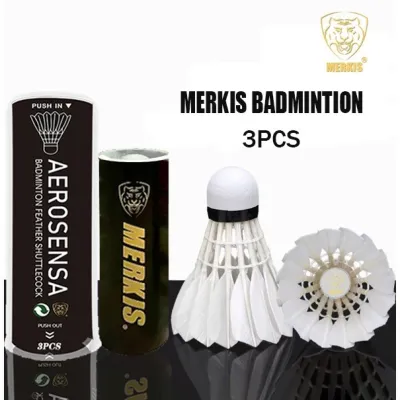
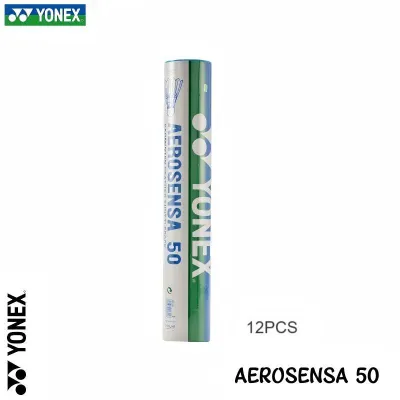
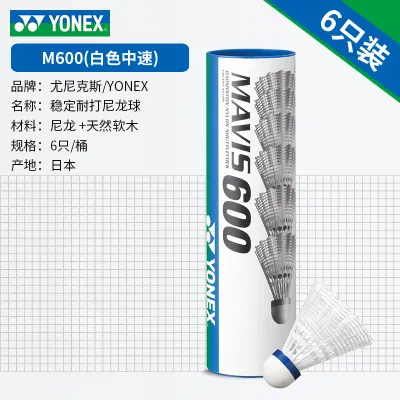
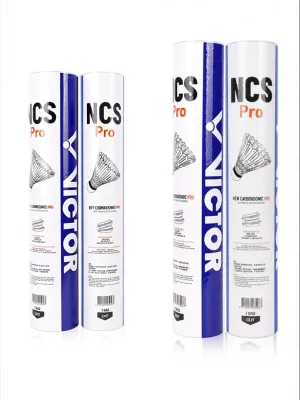
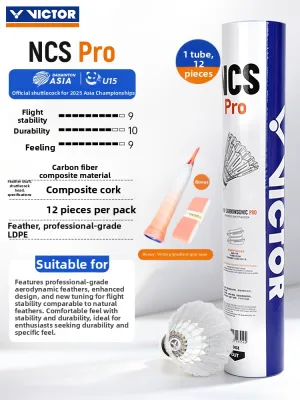
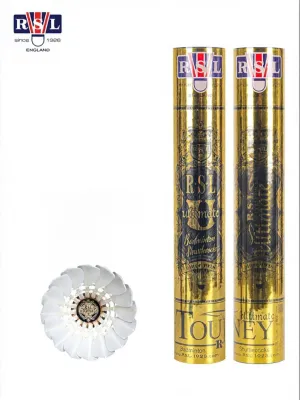
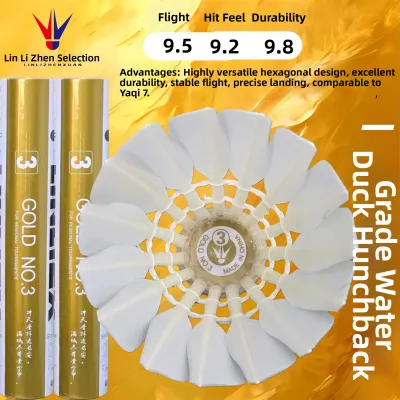
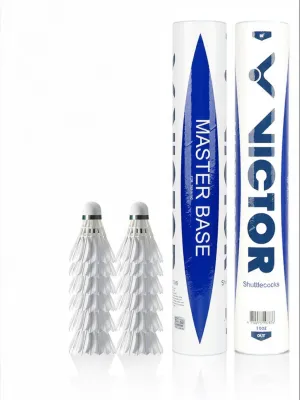
Prices are valid at publication and may change. Please refer to the product page for the latest price.
A traditional feather shuttlecock is crafted using 16 individual feathers, typically sourced from geese or ducks, which are meticulously anchored into a rounded cork base. A nylon shuttlecock, by contrast, features a single-piece synthetic plastic skirt designed to mimic the shape of natural feathers, attached to either a natural cork or a synthetic foam base. These structural differences directly dictate how each shuttlecock flies, how it responds to your racket, and how long it survives the intense impact of a match. Because manufacturing standards vary widely, you should always check the product labels for specific material compositions and grading before making a purchase.
Flight Path, Speed, and Control
The aerodynamic behavior of natural feathers is incredibly difficult to replicate synthetically. When you strike a feather shuttlecock, it accelerates rapidly off the racket face and then decelerates sharply as it reaches the peak of its arc. This steep deceleration creates a highly predictable, drop-shot-friendly flight path that allows advanced players to execute tight net play, sharp drops, and powerful smashes with extreme precision. The natural spin of the feathers stabilizes the shuttlecock quickly, ensuring a consistent trajectory even during high-speed exchanges.
Nylon shuttlecocks behave differently in the air. Because the synthetic skirt is more flexible and lacks the individual overlapping gaps of natural feathers, it does not catch the air in the same way. This results in a flatter, more continuous flight path with less deceleration at the end of the trajectory. Nylon options often feel faster initially and tend to fly further than feathers when struck with the same amount of force. To manage these differences, manufacturers assign specific speed ratings to their tubes, which you should verify to ensure the shuttlecock matches your local playing conditions.
Durability and Lifespan
Durability is the area where nylon shuttlecocks hold a massive advantage over their feather counterparts. Natural feathers are inherently fragile, consisting of delicate shafts and vanes that can easily crack, bend, or snap. A single off-center hit—where the racket frame strikes the feathers instead of the cork base—can instantly ruin a feather shuttlecock’s flight path, rendering it useless for competitive play. In a typical fast-paced match, advanced players may go through multiple feather shuttlecocks as the feathers gradually fray and lose their aerodynamic symmetry.
Nylon shuttlecocks are engineered to withstand significant physical abuse. The synthetic skirt can bend, flex, and absorb repeated high-impact hits without tearing or losing its shape. Even when subjected to frequent frame hits by developing players, a nylon shuttlecock will continue to fly reasonably well. To determine when it is time to replace your shuttlecock, look for clear physical indicators. For feathers, look for broken spines, missing vanes, or a noticeable wobble in the air. For nylon, watch out for deep tears in the plastic skirt, a deformed shape that prevents it from returning to a perfect circle, or a separation of the skirt from the cork base.
Cost and Long-Term Value
When evaluating the financial aspect of your badminton gear, it is essential to look beyond the initial price tag on the tube. Feather shuttlecocks generally command a much higher upfront cost in ₱ per tube compared to nylon options. Because a single feather shuttlecock might only last one or two games—or even less if mishits occur—the recurring cost of playing with feathers can accumulate rapidly over a month of regular sessions.
To find your true cost, calculate your cost-per-hour or cost-per-session rather than just comparing the purchase price. For instance, if a single tube of nylon shuttlecocks lasts you several weeks of daily play, the cost per session is incredibly low. Conversely, if your group goes through an entire tube of feather shuttlecocks in a single two-hour session, your playing expenses will skyrocket. Determine your personal break-even point by tracking how many shuttlecocks you actually use per session, allowing you to balance your desire for performance with a realistic budget.
How to Choose Based on Skill, Frequency, and Budget
Selecting the right shuttlecock requires balancing your technical needs with your practical playing habits. Your current skill level determines whether you can actually benefit from the superior control of feathers, while your playing frequency and budget dictate how much you can afford to spend on replacements.

Keep in mind that transitioning between these two materials is rarely seamless. Because they fly at different speeds and decelerate differently, switching from nylon to feather—or vice versa—requires an adjustment period. You will need to fine-tune your timing, adjust your stroke power, and adapt your court positioning to account for the unique flight characteristics of your chosen shuttlecock.
Choose Feather Shuttlecocks If…
You should invest in feather shuttlecocks if you meet the following criteria:
- You are an advanced or competitive player: If your game relies heavily on delicate net spins, deceptive drop shots, and steep, powerful smashes, only natural feathers can provide the necessary aerodynamic feedback and deceleration.
- You have consistent hitting technique: If you have clean stroke mechanics and rarely make off-center hits, your feather shuttlecocks will last significantly longer, making the investment more manageable.
- You have a flexible budget: If you are comfortable with the higher recurring cost in ₱ and view the superior feel and performance of a high-quality feather shuttlecock as a necessary expense for your development.
Choose Nylon Shuttlecocks If…
Nylon shuttlecocks are the logical choice if you fit these playing profiles:
- You are a beginner or casual player: When you are learning to time your swings, off-center hits are inevitable. Using nylon prevents the frustration and financial drain of destroying expensive feather shuttlecocks within minutes of stepping onto the court.
- You run high-frequency sessions or group training: Nylon is highly recommended for physical education classes, community clubs, or large group training sessions where the sheer volume of play makes feather shuttlecocks financially impractical.
- You play outdoors or in variable environments: If you frequently play outdoors, in parks, or in indoor venues with unpredictable airflow and variable humidity, nylon is the superior option. Natural feathers degrade and dry out quickly when exposed to harsh outdoor elements, whereas synthetic nylon skirts remain completely unaffected by local tropical humidity and wind.
What to Check Before You Buy
Before you purchase your next tube of shuttlecocks, there are several critical factors to verify to ensure you get the best quality for your money. First, inspect the base material of the shuttlecock. Premium options feature natural cork bases, which offer the best elasticity, impact feel, and weight distribution. Budget-friendly models often use synthetic foam or composite cork bases; while these are highly durable, they tend to feel harder on impact and may transmit more vibration to your racket arm.
Second, pay close attention to the manufacturer’s recommended playing environment and speed grade. Shuttlecocks are calibrated for specific temperature ranges and altitudes, which directly affect air density and flight speed. In the warm, humid climate of the Philippines, a slower speed grade (such as speed 76 or 77 for feathers, or slow/medium for nylon) is typically preferred to prevent the shuttlecock from flying out of the court too easily. Checking these ratings on the packaging ensures you do not end up with shuttlecocks that fly uncontrollably fast in local indoor halls.
Finally, inspect the packaging and storage conditions before buying. This is especially crucial for feather shuttlecocks, which are highly sensitive to environmental conditions. Avoid buying tubes that have been exposed to direct sunlight, extreme heat, or dry storage areas, as these conditions strip the natural moisture from the feathers, making them brittle and prone to instant breakage. A well-stored tube should feel sturdy, and the shuttlecocks inside should look clean, symmetrical, and properly aligned.
Frequently Asked Questions (FAQ)
Can I use nylon shuttlecocks for official tournaments?
Official professional and high-level amateur tournaments sanctioned by national and international governing bodies almost exclusively mandate the use of natural feather shuttlecocks. This requirement ensures a standardized level of flight precision, speed, and control for all competitors. However, local casual tournaments, school intramurals, community leagues, and friendly club matches frequently permit or even prefer nylon shuttlecocks to keep operational costs low and ensure matches run smoothly without constant interruptions for shuttlecock replacements. If you are preparing for a specific competition, always check the official tournament rulebook beforehand so you can practice with the exact material you will use on match day.
How do I store feather shuttlecocks to extend their lifespan?
To maximize the lifespan of your feather shuttlecocks, store them in a cool, shaded place away from direct sunlight, extreme heat, and air conditioning vents. Natural feathers require a certain level of moisture to remain flexible; exposing them to dry environments makes the shafts brittle and highly susceptible to snapping on impact. Always check the manufacturer’s care label for specific storage and humidity recommendations. Avoid using unverified home remedies, such as DIY steaming or exposing the shuttlecocks to excessive direct moisture, as this can weaken the adhesive glue, warp the feathers, or ruin the structural integrity of the cork base. Keeping the tube tightly sealed and stored vertically is the safest way to preserve their flight quality.
Community discussion
Share your experience or ask a question. Comments are reviewed before publication.