
Choosing between feather and nylon shuttlecocks is one of the most fundamental decisions you will make as a badminton player. This choice directly impacts your budget, your technique, and how much you enjoy your time on the court. While both types serve the same basic purpose, they offer vastly different playing experiences.
Feather shuttlecocks are the gold standard for competitive play, offering unparalleled control and a natural flight path, but they degrade quickly and carry a higher ongoing cost. Nylon, or synthetic, shuttlecocks are built to withstand repeated mishits and offer exceptional longevity, making them the practical choice for recreational players, beginners, and high-volume training sessions. The right choice depends on your skill level, playing environment, and how you balance performance against long-term costs.
Core Differences in Flight and Feel
Understanding the physics of how these two materials move through the air will help you set realistic expectations before stepping onto the court. Feather shuttlecocks have a unique deceleration pattern due to the natural drag created by the overlapping feathers. When struck, they fly fast initially but slow down rapidly as they reach the peak of their arc, dropping almost vertically. This “parachute” effect allows for precise drop shots and tight net play, giving players more control over their placement.
Products mentioned in this guide
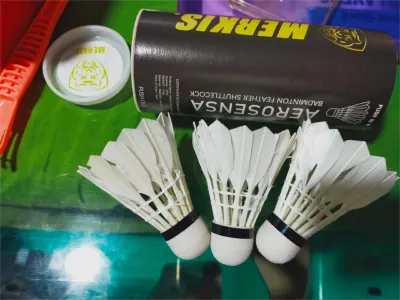
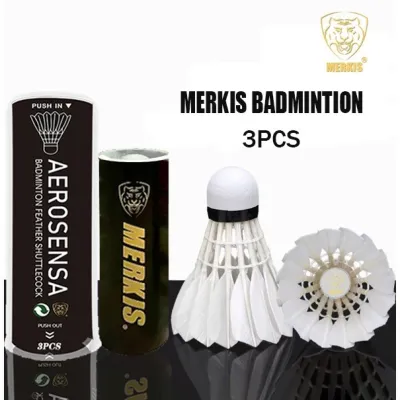
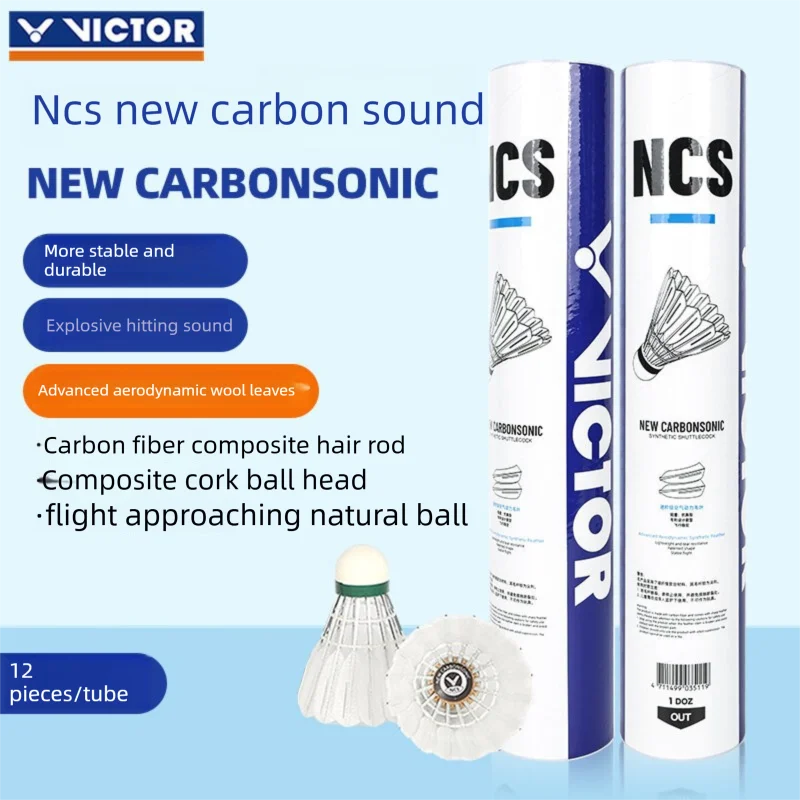
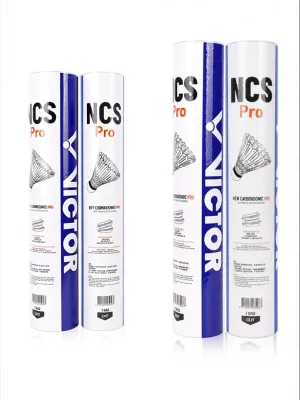
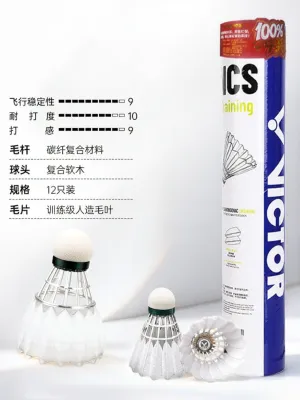
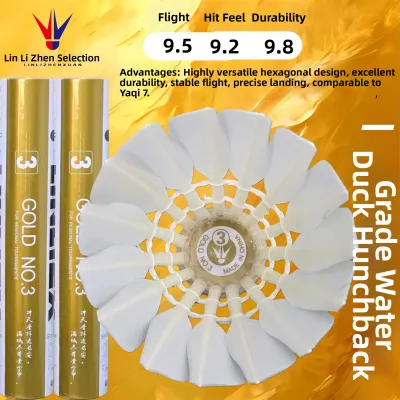
Prices are valid at publication and may change. Please refer to the product page for the latest price.
Nylon shuttlecocks tend to follow a more parabolic, continuous flight path. Because synthetic skirts do not compress and expand in the same way natural feathers do, they maintain their speed longer and do not decelerate as sharply. This can make deep clears fly out of bounds if you are accustomed to the deceleration of feathers, requiring you to adjust your power output.
The tactile feedback on the racket stringbed also differs significantly. The impact of a feather shuttlecock feels crisp, sharp, and highly responsive, giving you immediate feedback on the quality of your contact. Nylon shuttlecocks often feel heavier or slightly “mushy” upon contact, which can affect your timing if you frequently switch between the two materials.
Environmental factors play a major role in how these materials behave, especially in tropical climates like the Philippines. High humidity and warm temperatures can make natural feathers absorb moisture, increasing their weight and altering their flight speed. Players should check the manufacturer’s storage guidelines and speed ratings to ensure they select a shuttlecock suited to local indoor court conditions.
Durability and Long-Term Cost Evaluation
To evaluate the true cost of your gear, you must look beyond the initial purchase price of a tube and calculate your cost-per-session. Natural feathers are structurally delicate. A single mishit—where the racket frame strikes the feathers instead of the cork base—can instantly bend a shaft or break a barb, permanently ruining the shuttlecock’s flight trajectory. In a fast-paced game, a single feather shuttlecock may only last for one or two games before needing replacement.

In contrast, nylon skirts are highly resilient. While they can eventually deform, crack, or tear at the seams, they can survive dozens of hard mishits and frame clashes without losing their basic shape. A single high-quality nylon shuttlecock can often last for multiple multi-hour sessions, making it incredibly cost-effective.
You can estimate your cost-per-session by dividing the pack price (in ₱) by the expected number of usable games or training hours. While a tube of feather shuttlecocks may have a higher initial price tag and require frequent replacement, a tube of nylon shuttlecocks offers a much lower cost-per-hour of play.
Because synthetic materials vary widely in thickness, skirt design, and resilience, always check the manufacturer’s stated grade or durability rating on the packaging. Higher-grade nylon options often feature specialized skirt patterns and reinforced joints that mimic feather flight more closely while maintaining excellent durability.
Matching the Shuttlecock to Your Skill Level and Scenario
Selecting the right shuttlecock is about matching the material to your specific playing context, goals, and budget.
- Choose Feather If: You are an advanced or intermediate player who has developed consistent hitting accuracy and wants to refine your tactical game. If you participate in official tournaments, competitive club matches, or structured ladder leagues, playing with feathers is essential. The precise deceleration, sharp tactile feedback, and predictable spin are necessary for executing advanced techniques like tumbling net shots, cross-court slices, and deceptive drops.
- Choose Nylon/Synthetic If: You are a beginner learning the basics, a casual recreational player, or an athlete engaging in high-frequency training drills. If your sessions consist of high-volume clearing drills, smash practice, or multi-shuttle feeding where mishits are common, nylon is the logical choice. Nylon is also the preferred option for outdoor play in parks, driveways, or open-air courts, where wind and rough surfaces would destroy natural feathers in minutes.
- Verify First If: You are purchasing gear on behalf of a school team, a community sports club, or a local tournament. Before buying in bulk, verify the specific event regulations or coach requirements. Many school leagues and local tournaments mandate specific shuttlecock types or brands to ensure a level playing field, and buying the wrong material beforehand can lead to wasted budget.
Feature Comparison Matrix
To help you make a quick decision, the table below summarizes the key differences between feather and nylon shuttlecocks based on standard playing conditions.
| Dimension | Feather Shuttlecocks | Nylon Shuttlecocks |
|---|---|---|
| Primary User Level | Intermediate to Advanced | Beginner to Intermediate |
| Flight Consistency | High (natural deceleration) | Moderate (parabolic trajectory) |
| Durability | Low (prone to feather breakage) | High (resists frame clashes) |
| Relative Cost | Higher ongoing replacement cost | Lower long-term cost |
| Ideal Playing Environment | Controlled indoor courts | Indoor courts and outdoor recreational spaces |
Note: Performance and durability can vary based on the manufacturer’s grade and storage conditions.
Inspection and Care Guidelines
Proper care and regular inspection can help you maximize the lifespan of your shuttlecocks, regardless of the material you choose.
For feather shuttlecocks, perform a quick visual check before and during play. Inspect the feathers for bent shafts, loose glue at the thread bindings, or broken barbs. If a feather is severely bent or missing, the shuttlecock will wobble or spin unevenly in the air. Retire the shuttlecock when its flight path becomes unpredictable or when it fails to decelerate properly.
For nylon shuttlecocks, inspect the synthetic skirt for permanent deformation, cracks near the connection to the cork base, or tears in the lattice pattern. Even if the skirt is intact, a loose connection to the cork will cause a noticeable wobble.
Store all shuttlecocks in a cool, dry place away from direct sunlight and extreme heat, which can dry out natural feathers (making them brittle) or warp synthetic skirts. Always store the tubes vertically with the cork ends facing down, as recommended by manufacturers. If you choose to humidify feather shuttlecocks to restore moisture, strictly follow the manufacturer’s instructions to avoid mold or structural damage.
Frequently Asked Questions (FAQ)
Can I use feather shuttlecocks for outdoor badminton?
Natural feather shuttlecocks are highly impractical for outdoor play. Wind, dust, and moisture rapidly degrade the delicate feathers, and even a light breeze will completely disrupt their precise flight path. For open-air courts, backyard games, or park play, synthetic nylon shuttlecocks or specialized outdoor-designed shuttlecocks are highly recommended, as they are built to withstand environmental elements and maintain a stable trajectory in light wind.
How do I know when a nylon shuttlecock needs replacing?
A nylon shuttlecock should be replaced when you observe physical indicators such as a permanently warped or stretched skirt, visible cracks near the cork base, or a noticeable wobble during flight. Even if the nylon skirt is not completely torn, structural fatigue will cause the shuttlecock to lose its aerodynamic shape, resulting in inconsistent speeds and erratic flight paths that can hinder your training.
Community discussion
Share your experience or ask a question. Comments are reviewed before publication.