
Choosing between feather and nylon shuttlecocks is one of the most important decisions any badminton player faces. While they might look similar from a distance, these two types of shuttlecocks offer vastly different playing experiences, flight dynamics, and lifespans. Your choice directly affects how you control your shots, how quickly you develop your skills, and how much you spend on your sport over time.
For players in the Philippines, this decision is also shaped by local playing environments, from humid indoor courts to windy outdoor spaces. Natural feather shuttlecocks provide the premium, tournament-standard flight and control that advanced players demand, but they require a higher budget and degrade quickly. Nylon shuttlecocks, made from synthetic materials, offer incredible durability and cost-effectiveness, making them the practical choice for beginners, recreational players, and outdoor games. Understanding these differences will help you select the right gear for your skill level and budget.
Key Performance Differences: Flight, Feel, and Durability
The physical construction of a shuttlecock dictates how it behaves in the air. Natural feather shuttlecocks are crafted using 16 individual feathers, typically sourced from geese or ducks, anchored into a solid cork base. This design creates a highly aerodynamic cone that behaves uniquely when struck. When you hit a feather shuttlecock, it accelerates rapidly off the racket face and then decelerates abruptly due to the natural drag of the overlapping feathers. This parachute effect allows for a steep drop angle, making drop shots and net tumbles highly precise and predictable.
Products mentioned in this guide
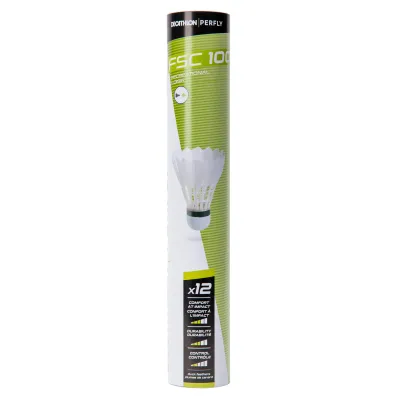
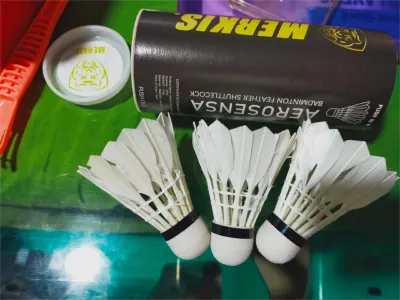
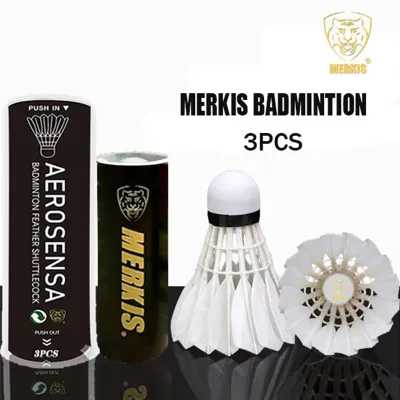
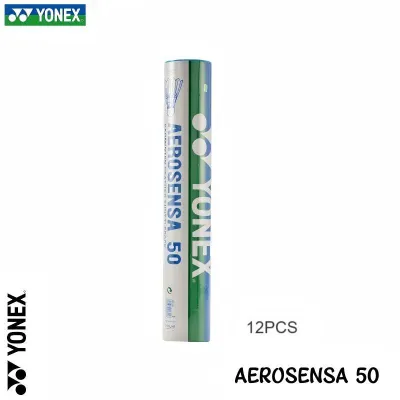
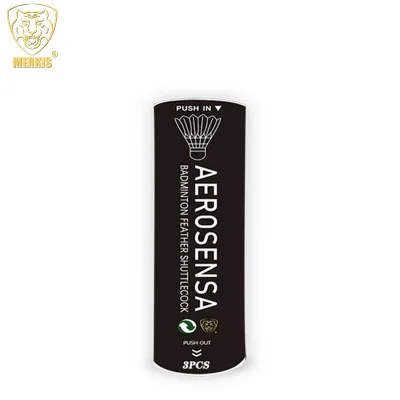
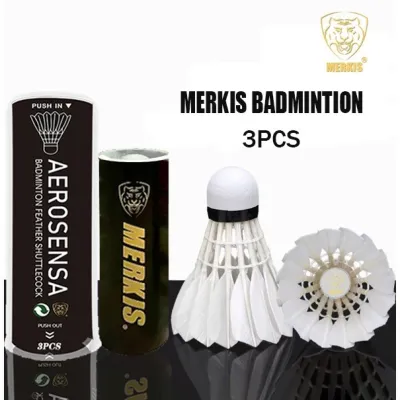
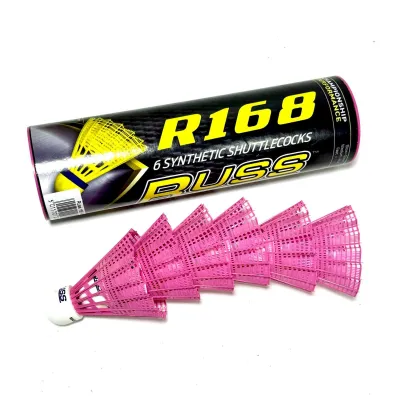
Prices are valid at publication and may change. Please refer to the product page for the latest price.
In contrast, nylon shuttlecocks feature a single-piece synthetic skirt molded from plastic or nylon, attached to either a synthetic or natural cork base. Because the synthetic skirt is more rigid and lacks the individual overlapping gaps of natural feathers, it creates a different drag profile. Nylon shuttlecocks tend to follow a more parabolic, gliding flight path. They do not slow down as suddenly at the end of their trajectory, which often causes deep clears to sail out of bounds if you are accustomed to the deceleration of feathers.
The tactile feedback, or feel, on your racket stringbed is another major differentiator. Striking a feather shuttlecock produces a crisp, satisfying sound and a clean sensation through the handle. This immediate feedback allows players to gauge the power and angle of their shots with high accuracy. Nylon shuttlecocks tend to feel slightly heavier or more cushioned upon impact. This dampens the tactile feedback, making delicate net play and tight spinning shots much more difficult to execute consistently.
Durability and degradation patterns also set these two materials apart. Feather shuttlecocks are fragile; a single misplaced shot that strikes the feathers instead of the cork can bend or break a shaft. Once a feather is damaged, the shuttlecock wobbles in flight, loses its speed, and must be replaced. Nylon shuttlecocks are exceptionally resilient. They do not snap or shatter on mishits. Instead, they degrade slowly over time as the plastic skirt stretches, deforms, or develops minor tears. Even when slightly damaged, a nylon shuttlecock remains playable for casual sessions, lasting many times longer than its feather counterpart.
Matching Shuttlecocks to Your Skill Level
Your current proficiency in badminton should heavily influence which shuttlecock you buy. Beginners and casual players are still developing their hand-eye coordination and stroke mechanics. During this learning phase, mishits—where the racket frame strikes the shuttlecock instead of the sweet spot—are highly common. Using feather shuttlecocks at this stage is impractical and expensive, as a single frame hit can ruin a brand-new feather shuttle. Nylon shuttlecocks are highly forgiving, allowing beginners to focus on mastering their swings without worrying about destroying their gear.

As you transition to an intermediate level, your focus shifts toward shot placement, spin, and tactical control. This is the ideal time to start introducing feather shuttlecocks into your routine. Intermediate players have cleaner contact with the ball and fewer frame hits, meaning feathers will last longer. Playing with feathers allows you to practice advanced techniques like slicing, tumbling net shots, and deceptive drops, which are incredibly difficult to master with the gliding flight of a nylon shuttle.
For advanced and competitive players, feather shuttlecocks are an absolute necessity. Standard badminton tournaments and club leagues exclusively use feather shuttlecocks to maintain competitive integrity. Advanced gameplay relies on the rapid deceleration and sharp drop angles of feathers to execute tight defensive blocks and steep, powerful smashes. Training with nylon at an advanced level can actually hinder your performance, as the timing, power calibration, and court boundaries feel completely different when you switch back to feathers for a match.
Evaluating Cost and Playing Frequency
When calculating the true cost of badminton gear, you must look beyond the initial price tag on the shelf. A tube of natural feather shuttlecocks generally costs more upfront than a pack of nylon shuttlecocks, but the real difference lies in the cost per playing session. In the Philippines, where recreational sports budgets vary, a single intense game can easily consume two or three feather shuttlecocks as the feathers fray and break. This means a single tube might only last a few sessions, resulting in a high ongoing cost.
Nylon shuttlecocks offer a much lower cost of ownership. A single high-quality nylon shuttlecock can often survive multiple hours of continuous play, sometimes lasting for several weeks of casual weekend games. For budget-conscious players or those who play multiple times a week, relying solely on nylon shuttlecocks keeps the sport highly affordable.
The local playing environment also plays a role in durability. The tropical humidity of the Philippines is actually beneficial for natural feathers, as moisture in the air keeps the organic shafts hydrated and less brittle. However, many local games are played in non-air-conditioned community courts or outdoor spaces. High indoor temperatures make the air less dense, causing shuttlecocks to fly faster. If you play outdoors, wind interference makes the delicate flight of feathers useless, making durable nylon the only practical choice.
To balance performance and budget, many players use a hybrid strategy. You can use nylon shuttlecocks for warm-ups, footwork drills, and repetitive stroke practice where flight precision is less critical. Once you transition to competitive matches or ranking games within your group, you can switch to a fresh feather shuttlecock. This approach preserves your expensive feathers for the moments where control and feel matter most.
Side-by-Side Comparison of Feather and Nylon Shuttlecocks
| Feature | Feather Shuttlecocks | Nylon Shuttlecocks |
|---|---|---|
| Material | Natural goose or duck feathers with a cork base | Synthetic nylon skirt with a cork or synthetic base |
| Flight Path | Steep drop, rapid deceleration, high precision | Parabolic glide, slower deceleration, longer flight |
| Impact Feel | Crisp, solid feedback with a distinct sound | Cushioned, slightly heavier feel with less feedback |
| Durability | Low; feathers break easily on mishits | High; resists warping, tearing, and frame impacts |
| Ideal Skill Level | Intermediate, advanced, and competitive players | Beginners, recreational players, and trainees |
| Best Venue | Indoor courts with controlled airflow | Outdoor courts, parks, and non-air-conditioned gyms |
It is important to note that both feather and nylon shuttlecocks come with specific speed ratings designed for different climates. Because warm air offers less resistance, shuttlecocks fly faster in hot environments. When buying gear in the Philippines, look for slower speed ratings (such as speed 76 for feathers, or green/blue cap indicators for nylon) to ensure the shuttlecock does not consistently fly past the back boundary line during normal play.
How to Choose: Decision Framework for Every Player
To finalize your purchase, evaluate your playing habits against these clear guidelines:
Choose Feather if:
- You play primarily in indoor sports centers or dedicated badminton clubs.
- You are training for official tournaments or play in competitive local leagues.
- You prioritize precise net play, steep smashes, and authentic tactile feedback.
- Your budget allows for regular replacement of damaged shuttlecocks.
Choose Nylon if:
- You are a beginner learning the basic strokes or play casually with family.
- You play outdoors in parks, streets, or open-air community courts.
- You want the absolute highest durability and lowest cost per playing session.
- You want a single shuttlecock to last through multiple games without degrading.
Before making your purchase, always verify if your local club, training group, or tournament organizer has specific regulations. Many organized groups require a specific type or speed rating of feather shuttlecock to ensure fair play, while casual weekend groups often agree on nylon to keep court fees and equipment costs shared equally among players.
Frequently Asked Questions (FAQ)
Can I use feather shuttlecocks for outdoor badminton?
It is not recommended to use feather shuttlecocks outdoors. Natural feathers are extremely light and highly sensitive to wind, which completely disrupts their flight path and makes consistent rallies impossible. Additionally, rough outdoor surfaces like concrete, asphalt, or dirt will instantly ruin the delicate feathers on mishits or ground contact, destroying your investment in minutes. Nylon shuttlecocks are the standard and far superior choice for outdoor play.
How should I store feather shuttlecocks to extend their lifespan?
To maximize the lifespan of feather shuttlecocks, store them in a cool, humid environment away from direct sunlight and extreme heat. Dry feathers become brittle and snap easily. Keeping the shuttlecocks inside their cardboard storage tube with the caps secured helps maintain their shape. Some players use specialized humidifying tubes or store them in a bathroom area to let the feathers absorb natural moisture, which keeps the shafts flexible and resistant to breaking.
Do nylon shuttlecocks come in different speeds like feather ones?
Yes, nylon shuttlecocks use color-coded caps or bands on the cork to indicate their speed rating. Green caps indicate slow speed, which is ideal for hot, tropical climates like the Philippines because the warm air naturally makes shuttles fly faster. Blue caps represent medium speed for moderate temperatures, while red caps indicate fast speed, designed for cold climates or high altitudes where the air is dense. Always check the packaging labels to match the speed to your local playing conditions.
Community discussion
Share your experience or ask a question. Comments are reviewed before publication.