
Finding a reliable folding bike under ₱15,000 in the Philippines is entirely achievable if you know what to prioritize. At this price point, you can secure a highly capable, durable commuter bicycle that simplifies multi-modal travel, fits easily into tight condominium spaces, and handles daily road wear. While you will not find ultra-lightweight carbon fiber frames or high-end racing groupsets, the local market offers excellent entry-to-mid-range options that balance structural safety with practical functionality.
To make a smart purchase, you must look past flashy decals and focus on the quality of the frame, the reliability of the folding hinges, and the suitability of the gear ratios for your daily route. By setting realistic expectations and budgeting for essential safety gear, you can find a dependable ride that makes your daily commute smoother and more cost-effective.
What to Expect from a Folding Bike Under ₱15,000
When shopping within a ₱15,000 budget, you are looking at the sweet spot for entry-level and practical mid-range folding bikes. Manufacturers at this level focus on delivering structural integrity and functional components rather than weight savings or premium brand prestige. A typical bike in this price tier will weigh between 11.5 and 15 kilograms, depending heavily on the frame material and the size of the wheels.
Products mentioned in this guide
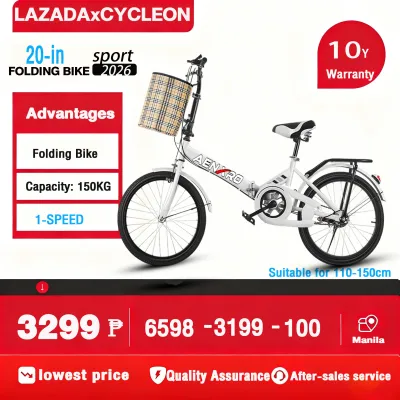
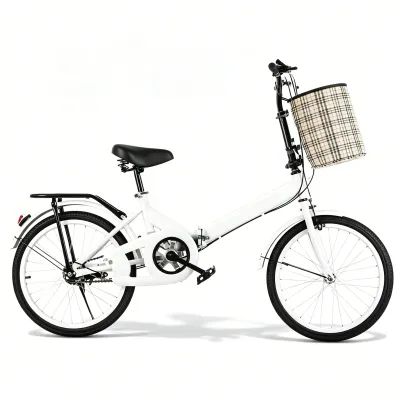
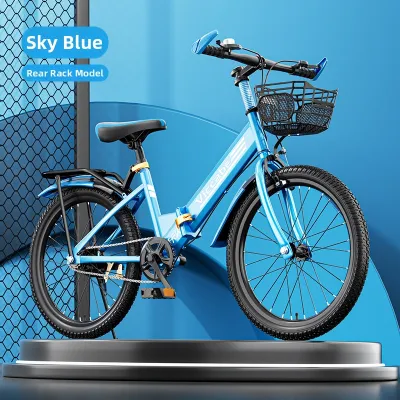
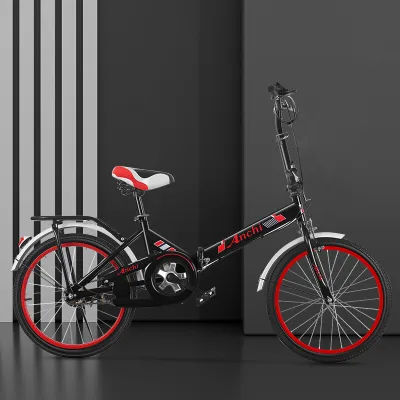
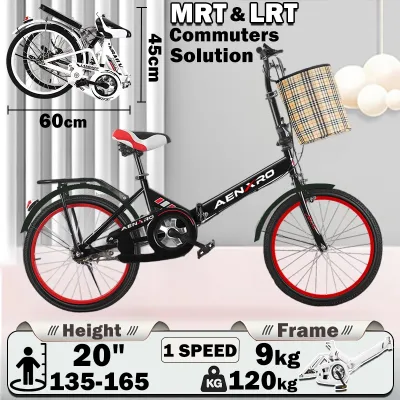
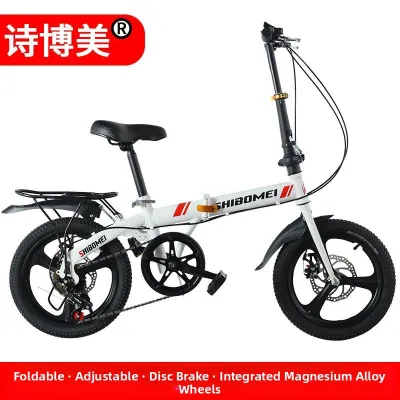
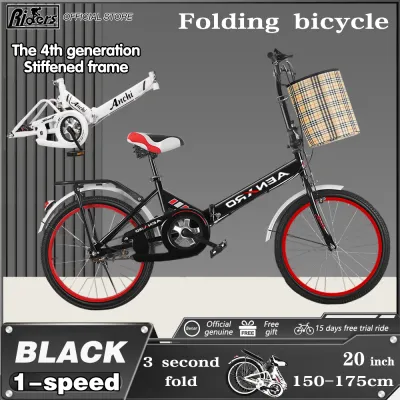
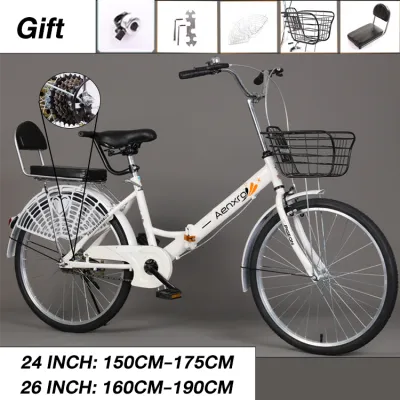
Prices are valid at publication and may change. Please refer to the product page for the latest price.
The primary trade-off you will navigate is the choice between high-tensile steel and aluminum alloy frames. High-tensile steel frames are incredibly robust and naturally absorb road vibrations well, but they are noticeably heavier and require diligent care to prevent rust in humid environments. Aluminum alloy frames (typically 6061 aluminum) are lighter, making them much easier to carry up stairs or lift into public utility vehicles, and they offer excellent natural resistance to corrosion.
Component specifications at this price point generally feature entry-level drivetrains from reputable brands like Shimano (such as the Tourney or Altus lines), Microshift, or L-Twoo. These components are designed for utility; they offer reliable, crisp shifting for daily commutes and are inexpensive to repair or replace. You should not expect proprietary, high-speed folding mechanisms that collapse in under five seconds, but you can certainly find sturdy, manual locking hinges that provide a secure, wobble-free ride.
Your primary goal when shopping in this segment is safety and long-term functionality. A well-built frame with basic, brand-name components and a reliable local warranty is infinitely better than an unbranded bike loaded with cheap, imitation parts that promise high-end performance but fail under daily stress.
Core Specifications to Check for Value and Safety
Evaluating a folding bike requires looking closely at the specification sheet and physically inspecting the bike if possible. Because folding bikes have more moving parts than standard rigid bicycles, certain key areas demand closer scrutiny to ensure your investment is both safe to ride and comfortable to use.

Frame Materials and Portability
Your choice of frame material directly dictates how you will transport and store your bike. If your daily commute involves lifting the bike onto the MRT-3, the LRT, or into the back of a jeepney, prioritizing a lighter aluminum alloy frame is highly recommended. An aluminum folding bike typically tips the scales at 11.5 to 13 kilograms, which is manageable for most riders to carry over short distances or up station staircases.
Conversely, if your route is purely ride-and-park, or if you have a ground-floor storage space, a high-tensile steel frame is a viable, cost-effective alternative. Steel frames are heavier, often weighing 14 to 16 kilograms, but they offer a slightly more forgiving, compliant ride over rough roads.
Before purchasing, always verify the manufacturer’s stated maximum weight limit. Most budget folding bikes are rated for riders up to 100 or 110 kilograms. Exceeding this limit puts undue stress on the frame welds and the folding hinges, which can lead to premature wear or sudden component failure.
Wheel Sizes and Gearing for Local Terrain
Folding bikes under ₱15,000 predominantly come in two wheel sizes: 16-inch and 20-inch. Choosing between them requires balancing your need for compact storage against your desire for ride comfort.
- 16-Inch Wheels: These offer the ultimate in portability. They fold down into an incredibly compact package that fits easily under an office desk, inside a small condo closet, or between passenger seats on public transport. However, smaller wheels have a higher rolling resistance, feel more sensitive to steering inputs, and drop harshly into potholes, cracks, and road transitions.
- 20-Inch Wheels: This size is the standard for general commuting. They roll over uneven asphalt, manhole covers, and debris with much greater stability and comfort. While a 20-inch folding bike is slightly bulkier when collapsed, it behaves much more like a full-sized bicycle, making it the better choice for commutes longer than five kilometers.
Gearing is another critical factor, especially given the varied terrain in Philippine cities. While single-speed folding bikes are mechanically simple and require very little maintenance, they are highly impractical if your route includes flyovers, bridges, or rolling hills. A multi-speed drivetrain—specifically a 6-speed, 7-speed, or 8-speed setup—is highly recommended. Look for a rear derailleur paired with a wide-range cassette (such as a 14-28T or 11-32T) to give you an easier gear for climbing steep inclines without breaking a sweat before arriving at work.
Hinge Quality and Folding Mechanisms
The hinges on the main frame tube and the handlepost are the most critical components of any folding bike. Because these joints are subjected to constant leverage and road vibrations, they must be exceptionally strong and securely locked during operation.
When inspecting a bike, prioritize folding mechanisms that feature a dual-lock safety system. This design requires you to disengage a secondary safety latch or lever before the main quick-release clamp can be opened, preventing accidental folding while you are riding. The clamp itself should close with a firm, positive resistance and leave absolutely no play, wiggle, or squeaking in the frame when fully locked.
Avoid generic, unbranded folding bikes that use thin, stamped-metal hinge plates or flimsy quick-release levers. High-quality budget brands build their hinges with thick, forged aluminum or reinforced steel blocks and utilize replaceable brass or composite bushings to ensure smooth folding action over years of daily use.
Smart Shopping: Navigating Online and Local Bike Shops
Finding the right folding bike involves choosing the best purchasing channel to ensure you get a genuine product, a fair price, and reliable after-sales support. Both local physical bike shops and official online stores on e-commerce platforms have distinct advantages and drawbacks.
Visiting a local bike shop is the safest route for most buyers. It allows you to physically test the bike, feel its weight, evaluate the riding position, and practice the folding process under the guidance of a mechanic. Furthermore, physical shops usually handle the initial unboxing, assembly, and safety tuning, ensuring that the brakes are aligned, the gears are indexed, and all bolts are torqued correctly before you ride out of the store.
Online purchasing through official brand stores or authorized distributors can often yield lower prices or exclusive online discounts. However, buying online means the bike will likely arrive partially disassembled in a cardboard box. You must be prepared to complete the assembly yourself or take the boxed bike to a local shop for professional setup.
Regardless of where you buy, always verify the warranty terms. Reputable brands in this price range typically offer a 1-year to 5-year warranty on the frame against manufacturing defects, though components like tires, chains, and brake pads are treated as wear-and-tear items. Be highly skeptical of suspiciously low-priced folding bikes sold by unauthorized parallel importers; these often lack warranty coverage and may use substandard components that compromise safety.
Before finalizing your purchase online, read recent customer reviews carefully. Look specifically for feedback regarding how well the bike was packaged, whether any components were bent or scratched during transit, and if the seller was responsive to requests for missing parts or assembly assistance.
Budgeting for Essential Accessories and Hidden Costs
When planning your purchase, do not make the mistake of spending your entire ₱15,000 budget on the bicycle alone. Riding safely and comfortably in busy urban environments requires several essential accessories, and you must also account for potential setup and maintenance costs.
To stay strictly under your ₱15,000 limit, a smart budgeting strategy is to allocate approximately ₱11,000 to ₱12,500 for the folding bike itself. This leaves a comfortable buffer of ₱2,500 to ₱4,000 to cover your gear and initial professional servicing.
Consider the following essential safety and commuting accessories as part of your total cost:
- Certified Helmet: Protect your head with a helmet that carries recognized safety certifications, such as CE EN1078. A reliable, well-ventilated budget helmet generally costs between ₱800 and ₱1,500.
- Active Lighting: Urban commuting requires high visibility. Invest in a bright, USB-rechargeable front headlight (at least 200 lumens) and a highly visible red rear tail light to ensure motorists can see you during early morning rides, evening commutes, or sudden tropical downpours. A decent light set will cost around ₱600 to ₱1,200.
- Robust Bike Lock: Folding bikes are attractive targets for thieves. A sturdy U-lock or a heavy-duty hardened steel chain lock is essential if you plan to leave your bike unattended, costing between ₱500 and ₱1,000.
- Audible Warning Device: A simple, loud brass bell or horn (costing ₱150 to ₱300) is invaluable for alerting pedestrians and other cyclists on shared pathways.
In addition to accessories, factor in the hidden cost of professional assembly and tuning. If you purchase your bike online, taking it to a neighborhood bike mechanic for an initial safety check and precise adjustment of the brakes and derailleur typically costs between ₱300 and ₱800. This minor expense is highly recommended, as riding a poorly calibrated bike can lead to premature component wear or dangerous mechanical failures.
Routine Maintenance for Tropical Climates
Operating a budget-friendly folding bike in a tropical climate like the Philippines presents unique maintenance challenges. High humidity, intense sun exposure, salt air in coastal areas, and heavy seasonal rains can accelerate rust, degrade rubber components, and strip away crucial lubrication if left unchecked.
To keep your folding bike running smoothly and safely, implement a simple, consistent maintenance routine:
- Clean and Dry After Rain: Riding through puddles or heavy rain splashes road grime, grit, and acidic water onto your drivetrain and folding hinges. Always wipe down your bike with a clean microfiber cloth after a wet ride. Pay special attention to the chain, the brake surfaces, and the folding joints.
- Apply Climate-Appropriate Lubricant: Use a wet-weather chain lubricant during the rainy season, as it resists being washed away by puddles, though it requires more frequent cleaning to prevent dirt buildup. During the dry, dusty summer months, switch to a dry-wax lubricant to prevent road dust from sticking to your chain. Keep a light multi-purpose oil on hand to lubricate the pivot pins of your folding hinges every few weeks.
- Store Indoors: Whenever possible, store your folding bike inside your home, office, or a covered garage. Leaving a bike exposed on an open balcony subjected to direct sunlight and rain will rapidly degrade tire rubber, dry out cable housings, and cause steel bolts and hinges to rust.
- Perform Hinge and Bolt Checks: The physical vibrations of daily riding can cause bolts and quick-release mechanisms to loosen over time. Once a week, check the main folding hinge and the handlepost latch for any signs of play or looseness. If you detect any movement when the hinges are locked, consult your manufacturer's manual to adjust the tension bolts correctly, or take the bike to a professional mechanic to have the joints tightened to the proper torque specifications.
Frequently Asked Questions (FAQ)
Is a folding bike under ₱15,000 durable enough for daily commuting?
Yes, a folding bike from a reputable brand within this budget is highly durable and fully capable of handling daily commuting on paved city streets. These bikes are engineered for utility and transport, provided they are ridden within their design limits. To ensure long-term durability, avoid jumping off curbs, do not exceed the maximum weight capacity, and maintain a consistent cleaning and lubrication routine to protect the components from tropical weather wear.
Should I choose a 16-inch or 20-inch wheel size for city streets?
Your choice depends on your commute style and storage limitations. Choose 16-inch wheels if your daily route relies heavily on multi-modal transport, such as carrying the bike onto crowded trains or storing it under a small office desk. Choose 20-inch wheels if your commute is primarily riding on open, uneven city streets, as the larger diameter provides significantly better stability, comfort, and safety when rolling over potholes, cracks, and road debris.
Community discussion
Share your experience or ask a question. Comments are reviewed before publication.