
Raleigh’s legacy as a heritage bicycle brand makes it a highly sought-after name for cyclists, but finding specific road bike models in the Philippines requires navigating a dynamic import market. Because local inventory fluctuates based on distributor shipments and seasonal demand, your buying journey should focus on verifying current dealer stock, matching the bike’s geometry to your specific riding goals, and evaluating components that can withstand local road and weather conditions. By taking a systematic approach, you can secure a genuine Raleigh bicycle that fits your budget and riding style.
To make a successful purchase, you must first understand what kind of riding you intend to do, as road bikes are designed with distinct geometries and features. From there, identifying authorized dealers and learning how to evaluate key specifications—such as frame materials, groupsets, and braking systems—will help you make an informed decision. This guide provides a practical framework to help you identify your needs, locate authorized sellers, and calculate the true cost of ownership.
Define Your Riding Goals to Narrow Down the Lineup
Before browsing available models, you must clarify your primary cycling activities, as this determines the category of road bike that will serve you best. Daily commuting and utility riding require a durable, comfortable bicycle that can handle rack mounts and mudguards. If your goal is weekend fitness or joining local club rides, you will want a balanced bike that offers a mix of speed and comfort. Long-distance endurance touring demands a highly stable platform designed to minimize fatigue over hours in the saddle, while competitive racing requires a stiff, lightweight frame built for maximum power transfer and aerodynamic efficiency.
Products mentioned in this guide
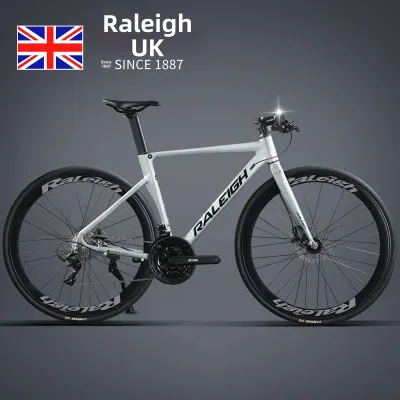
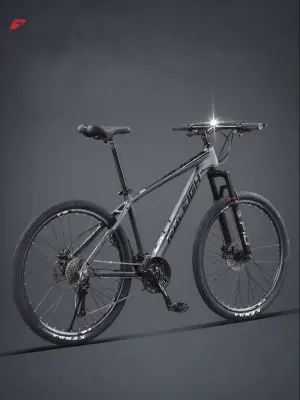
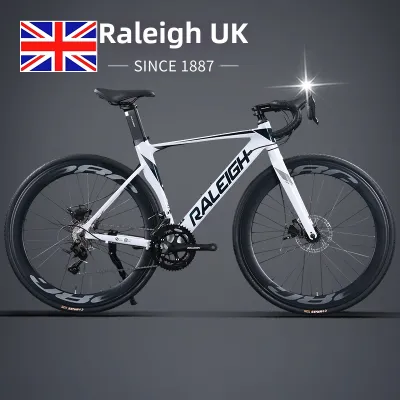
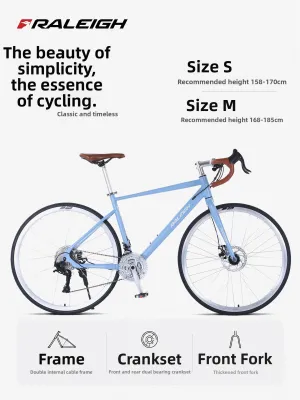
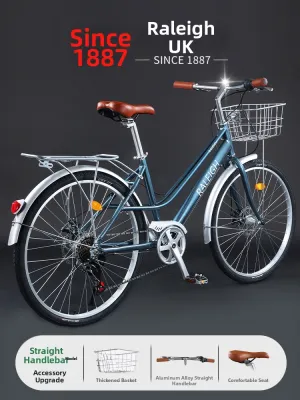
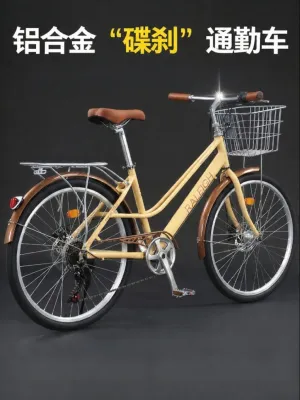
Prices are valid at publication and may change. Please refer to the product page for the latest price.
These different riding goals correspond directly to frame geometries, which dictate your body position on the bike. Endurance road bikes feature a relaxed geometry with a taller head tube and a shorter reach, placing you in a more upright position that reduces strain on your lower back, neck, and shoulders. In contrast, race-oriented road bikes feature an aggressive geometry with a lower front end and a longer reach, forcing your torso down into an aerodynamic tuck. While a racing posture reduces wind resistance and increases speed, it requires greater core strength and flexibility, making it less suitable for casual or long-distance riders.
Local road conditions and terrain should also heavily influence your choice of bicycle. Philippine roads present a diverse mix of surfaces, ranging from smooth asphalt on major highways to uneven concrete joints, sudden potholes, and gravel patches in provincial areas. If your typical routes involve rough pavement or poorly maintained streets, prioritizing a frame with generous tire clearance will allow you to run wider, more forgiving tires. Additionally, if you plan to ride in hilly regions such as Antipolo, Tagaytay, or the Sierra Madre range, you must ensure the bike’s gearing is low enough to help you climb comfortably without straining your knees.
How to Verify Model Availability and Authorized Dealers
Because Raleigh is an international brand with various regional divisions, local availability in the Philippines depends entirely on independent distributors and specialized bicycle shops. Rather than relying on outdated online catalogs or global product listings, start your search by visiting the official regional Raleigh websites to identify the current global lineup. Once you have a sense of the models you prefer, cross-reference them with the social media pages and websites of established Philippine bicycle distributors and major bike shops to see what has actually been imported.

Visiting physical local bike shops is one of the most reliable ways to verify availability and secure a genuine product. Established shops often have floor models you can inspect in person, and their staff can provide real-time information on incoming shipments or dealer pre-order options. Building a relationship with a local dealer also ensures you have access to professional assembly, post-purchase adjustments, and reliable mechanical support. If a specific model is not currently on the showroom floor, dealers can often check their warehouse inventory or contact the distributor directly on your behalf.
When searching for Raleigh bikes on online marketplaces or e-commerce platforms, you must exercise extreme caution to avoid counterfeit frames or gray-market imports. Always verify the seller’s credentials by checking for a physical storefront address, official business registration, and authorized dealer badges. Avoid listings with prices that seem too good to be true, as they may feature low-quality replicas or bikes assembled with non-standard, unsafe components. Prioritize sellers who offer clear warranty terms, official receipts, and responsive customer service, and always ask for detailed photos of the frame’s serial number and branding decals before finalizing any online transaction.
Key Specifications to Compare When Evaluating Models
When evaluating any available Raleigh road bike, the frame material is the foundation of the bicycle’s performance, weight, and price. Steel is Raleigh’s classic heritage material, celebrated for its exceptional durability, classic aesthetic, and natural vibration-damping properties that smooth out rough roads, though it is generally heavier than other options. Aluminum frames offer a lighter, stiffer, and highly cost-effective alternative, providing excellent power transfer and responsiveness, though they can transmit more road vibration to the rider. Carbon fiber frames sit at the premium end, offering the lowest weight and highly engineered compliance for a smooth, fast ride, but they require careful handling and carry a significantly higher price tag.
An equally critical component to compare is the groupset, which includes the shifters, derailleurs, crankset, cassette, and chain. The groupset determines how smoothly your bike shifts gears and how wide of a gear range you have for climbing and descending. Entry-level groupsets are highly durable and affordable to maintain, making them excellent for beginners and daily commuters. Mid-range and high-end groupsets offer more gear steps, lighter materials, and crisper shifting performance under load. For the varied terrain of the Philippines, look for a compact crankset paired with a wide-range cassette to ensure you have easy climbing gears for steep inclines.
Wheelsets and tire clearance play a massive role in how a road bike handles local road surfaces. Stock wheels should be robust enough to withstand repeated impacts from road debris and uneven pavement without going out of true. Tire clearance is especially important; while traditional road bikes were limited to narrow tires, modern road frames often accommodate wider tires. Opting for a frame that can fit wider tires allows you to run lower tire pressures, which significantly improves traction, cornering grip, and overall comfort on bumpy concrete roads and wet surfaces.
Finally, you must choose between traditional rim brakes and modern disc brakes. Rim brakes are lightweight, mechanically simple, and easy to adjust or repair with basic tools, making them a budget-friendly choice. However, their stopping power decreases noticeably in wet conditions, which can be a safety concern during sudden tropical downpours. Disc brakes, whether mechanical or hydraulic, provide consistent, powerful braking performance regardless of the weather, offering superior control and safety on steep descents and wet roads, though they add some weight and complexity to the bicycle.
Budgeting for the Bike and Long-Term Ownership Costs
Establishing a realistic budget is essential when shopping for a road bike, and you must look beyond the initial purchase price of the bicycle itself. In the local market, entry-level aluminum or steel road bikes generally range from ₱25,000 to ₱45,000, offering reliable components suitable for commuting and casual riding. Mid-range models featuring upgraded groupsets and carbon fiber forks typically cost between ₱50,000 and ₱90,000, providing a noticeable jump in shifting performance and weight reduction. Premium carbon fiber builds and high-end heritage steel models can easily exceed ₱120,000, catering to competitive riders and enthusiasts seeking top-tier performance.
When planning your purchase, always set aside a portion of your budget for essential safety gear and accessories that do not come with the bicycle. A certified, properly fitting helmet is your most important investment and should never be compromised. You will also need high-visibility front and rear safety lights to ensure you are visible to motorists during early morning rides or sudden afternoon rainstorms. Other highly recommended initial purchases include a basic floor pump, a compact multi-tool, tire levers, spare inner tubes, and a set of comfortable cycling shorts to prevent saddle soreness.
Long-term ownership also involves recurring maintenance costs that you must factor into your overall budget. The humid, tropical climate of the Philippines, combined with road grime and wet weather, accelerates the wear on your drivetrain and braking components. You will need to invest in quality cleaning supplies, degreasers, and chain lubricants suitable for wet conditions to prevent rust and premature wear. Additionally, plan for the periodic replacement of wear-and-tear items such as inner tubes, tires, brake pads, and chains, as well as occasional professional wheel truing and gear adjustments at your local bike shop.
Pre-Purchase Checklist and Test Ride Guidelines
Before finalizing your purchase and handing over your payment, you must ensure the bicycle is the correct size and free of any assembly defects. Never buy a road bike based solely on your height, as different manufacturers use different sizing standards and frame geometries. Consult the official Raleigh geometry charts and compare the stack and reach measurements to your body proportions. If possible, visit a professional bike fitter or an experienced shop mechanic who can help you determine the ideal frame size and make necessary adjustments to the saddle height, handlebar reach, and stem length.
Once you have identified the correct size, perform a thorough physical inspection of the specific bicycle you intend to buy. Carefully examine the frame and fork for any paint chips, deep scratches, dents, or misaligned welds that could indicate shipping damage or manufacturing defects. Check that all bolts, including those on the stem, handlebars, seatpost, and crankset, are tightened to the manufacturer’s specified torque settings. Spin both wheels to ensure they are perfectly centered in the frame and do not rub against the brake pads, and verify that the gears shift smoothly across the entire cassette.
Finally, conduct a test ride in a safe, controlled area to evaluate how the bicycle handles under real-world conditions. Pay close attention to how stable the bike feels when turning, how responsive the brakes are when stopping quickly, and whether the saddle and handlebar positions feel comfortable. Listen carefully for any unusual creaks, rattles, or clicking sounds coming from the bottom bracket, headset, or drivetrain, as these can indicate loose components or improper assembly. A successful test ride should give you complete confidence in the bike’s fit, comfort, and mechanical integrity before you take it home.
Frequently Asked Questions (FAQ)
Is it safe to buy a second-hand or vintage Raleigh road bike?
Buying a used or vintage Raleigh road bike can be an excellent way to own a classic piece of cycling history, but it requires a very careful inspection. You must thoroughly check steel frames for internal rust, especially around the bottom bracket, seat tube, and chainstays, as structural rust can compromise the frame’s safety. For aluminum or carbon fiber models, inspect the frame under bright light for any hairline cracks, deep gouges, or signs of previous crash damage. Keep in mind that sourcing replacement parts for older standards, such as vintage bottom brackets, threaded headsets, or obsolete shifting systems, can be difficult and expensive in the local market, so factor potential restoration costs into your budget.
What should I do if my preferred Raleigh model is out of stock?
If the specific Raleigh road bike model you want is currently out of stock, start by asking authorized dealers if they have any incoming shipments, if they can place a special order for you, or if they can transfer stock from another branch. If the wait time is too long, ask the dealer to recommend similar models within the Raleigh lineup that share the same frame geometry and component tier. Alternatively, you can research equivalent road bike models from other reputable, widely available brands in the Philippines. Focus on finding a bicycle that matches your required frame material, groupset level, tire clearance, and budget, rather than waiting indefinitely for a single specific model name.
Community discussion
Share your experience or ask a question. Comments are reviewed before publication.