
Finding a reliable 26-inch alloy mountain bike in the Philippines requires looking past flashy online listings and focusing on verifiable technical specifications. Because local online marketplaces offer a vast mix of entry-level and mid-range options, making a confident purchase decision depends on understanding how wheel size, frame material, and component specifications align with your actual riding environment. Rather than searching for a single universal winner, the key is evaluating how specific frame geometries, drivetrains, and braking systems handle the unique demands of local roads and tropical weather. This guide provides the evaluation standards, condition-based specification checklists, and quality verification steps you need to select a durable, high-performing bicycle.
Why a 26-Inch Alloy Frame Fits Local Riding Conditions
The 26-inch wheel size remains a highly practical choice for many riders in the Philippines, offering distinct advantages in maneuverability and storage. In dense urban areas where traffic congestion is a daily reality, a smaller wheel diameter allows for quicker acceleration from a complete stop and sharper handling around tight corners. This agility is particularly beneficial when navigating narrow streets, crowded market areas, or sudden obstacles on the road.
Additionally, bikes with 26-inch wheels feature a more compact overall footprint. This makes them significantly easier to store inside small condominium units, apartments, or shared family homes where floor space is at a premium.
Products mentioned in this guide
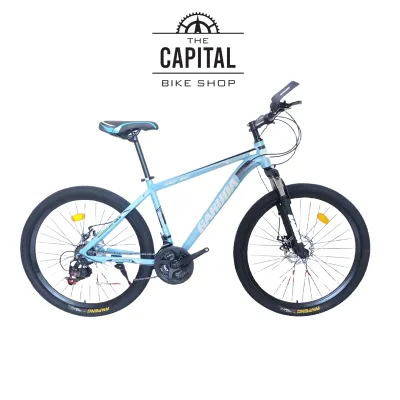
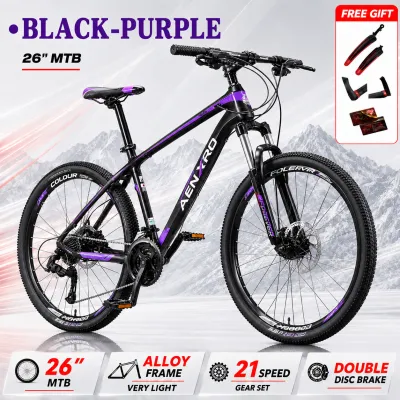
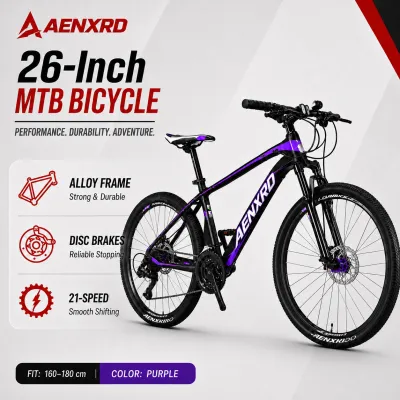
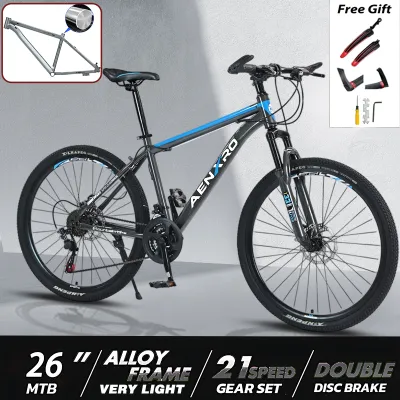
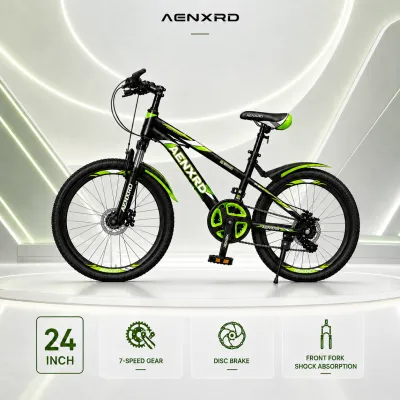
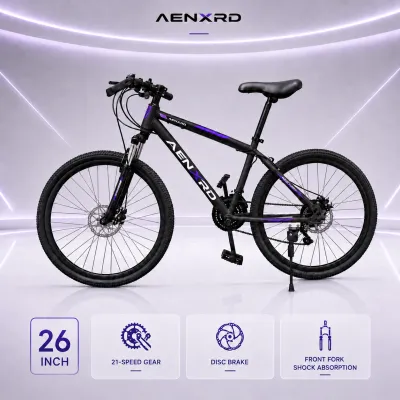
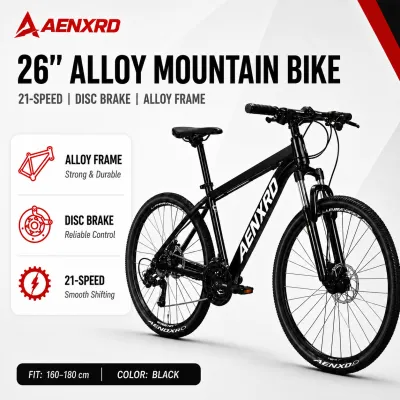
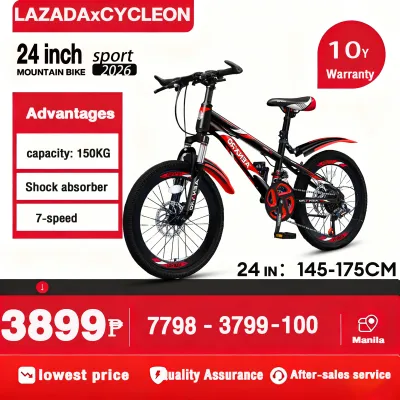
Prices are valid at publication and may change. Please refer to the product page for the latest price.
Frame material plays an equally critical role in the longevity and usability of your bicycle, especially under tropical weather conditions. Aluminum alloy frames are highly resistant to rust and corrosion, which is a vital characteristic during the long monsoon season and in coastal areas where salty air accelerates the degradation of steel. Unlike high-tensile steel, which can quickly develop structural rust if the paint is chipped, an alloy frame maintains its integrity even when exposed to heavy rain and high humidity.
This material also offers substantial weight savings. A lighter frame makes the bike much easier to carry up pedestrian overpasses, lift onto the back of a jeepney, or transport up several flights of stairs in low-rise residential buildings.
However, choosing a 26-inch wheel size involves clear trade-offs that you must consider before purchasing. Smaller wheels have a steeper angle of attack, meaning they do not roll over large potholes, deep ruts, or thick tree roots as smoothly as 27.5-inch or 29-inch wheels. On rough, unpaved roads, a 26-inch bike will transmit more vibration and trail chatter to the rider, requiring more physical effort to maintain momentum over uneven surfaces.
Understanding these limitations helps you determine whether the compact agility of a 26-inch frame outweighs the rollover efficiency of larger wheel standards for your specific daily routes.
Matching Component Specs to Your Primary Riding Style
A mountain bike’s overall performance and durability are ultimately dictated by its individual components, which must be carefully matched to your primary riding environment. Selecting the wrong combination of forks, tires, and gears can lead to premature wear, unnecessary weight, or a frustrating riding experience. By analyzing your typical daily routes, you can target the specific component configurations that offer the best balance of efficiency, comfort, and maintenance requirements.

Setup for Daily Commuting and Paved Roads
For riders who primarily use their mountain bike for daily commuting, campus travel, or riding on smooth asphalt, efficiency and low maintenance are the top priorities. On paved city streets, a heavy front suspension fork is often unnecessary and can actually hinder your progress. Standard suspension forks without a lockout mechanism compress every time you pedal hard, absorbing your energy and causing a phenomenon known as “pedal bob.”
To prevent this energy loss, look for a bike equipped with either a rigid alloy fork or a suspension fork that features a manual lockout switch. This allows you to stiffen the fork when riding on flat roads, ensuring all your pedaling power goes directly into forward momentum.
Tire selection is another critical factor that directly influences your daily commuting effort. Most mountain bikes come stock with wide, knobby off-road tires designed for loose dirt and mud. On asphalt, these knobs create significant rolling resistance and produce a loud, vibrating hum that slows you down.
Swapping these out for slick or semi-slick tires with a narrower profile will dramatically reduce friction. This simple change allows you to coast further and maintain higher speeds with less physical exertion.
Your drivetrain should also be optimized for simplicity and ease of maintenance. For urban commuting, a simple 7-speed, 8-speed, or 9-speed single-chainring (1x) setup is highly recommended over complex multi-chainring systems.
A 1x drivetrain eliminates the front derailleur entirely, reducing the number of moving parts that can fail, collect road grime, or fall out of alignment. This simplified setup still provides an adequate gear range for tackling typical city flyovers and moderate inclines while significantly lowering your weekly cleaning and adjustment chores.
Setup for Light Trails and Unpaved Provincial Paths
If your weekend plans involve exploring provincial dirt roads, gravel paths, or mild off-road trails, your bike requires a setup focused on traction, control, and impact absorption. On these unpredictable surfaces, a functional front suspension fork becomes essential. Look for a fork with adjustable preload, which allows you to fine-tune the stiffness of the internal spring based on your body weight.
This adjustment ensures the fork compresses sufficiently to absorb sudden bumps and maintain tire contact with the ground. Proper suspension setup prevents the front wheel from washing out on loose gravel or sandy patches.
Traction on unpaved paths relies heavily on the tread pattern and width of your tires. For dirt and mud, you need knobby tires with deep, widely spaced tread blocks. This design bites into loose soil to provide cornering grip and helps shed sticky mud that would otherwise clog the frame clearance and lock up the wheels.
Ensure the frame and fork of your chosen 26-inch bike have sufficient clearance to accommodate wider tire profiles. Wider tires also allow you to run lower tire pressures for a softer, more compliant ride over rough terrain.
Braking performance is the most critical safety factor when transitioning from paved roads to dusty or wet trails. Mechanical or hydraulic disc brakes are mandatory for off-road riding, as traditional rim brakes lose almost all stopping power when the wheel rims become wet or muddy.
Hydraulic disc brakes are highly preferred for their superior modulation and stopping power, requiring very little finger pressure to actuate. If you opt for mechanical disc brakes, ensure they use high-quality dual-piston calipers to prevent uneven pad wear and maintain consistent stopping distances in dusty provincial environments.
Verifying Frame Quality and Seller Reliability Online
Shopping for a 26-inch alloy mountain bike on local e-commerce platforms requires a high level of consumer vigilance. Because many budget-friendly listings use misleading terminology, you must know how to verify the actual materials and build quality before making a financial commitment. One of the most common issues is sellers labeling a heavy steel-frame bike as “alloy” to attract buyers.
To protect yourself, always analyze the listed weight of the bicycle. A genuine 26-inch alloy mountain bike typically weighs between 13 to 15 kilograms, whereas a high-tensile steel equivalent will often exceed 17 kilograms.
Another reliable way to verify the frame material online is by closely examining the product photos for weld characteristics. Aluminum alloy frames require thick, wide, and highly visible welds that resemble a stack of coins along the tube joints. In contrast, steel frames feature much thinner, smoother, or brass-brazed joints.
If the product images are blurry or do not show the frame joints clearly, ask the seller directly for close-up photos of the head tube and seat tube welds. Additionally, plan to perform a simple magnet test immediately upon delivery. A magnet will not stick to an aluminum alloy frame, but it will cling tightly to steel.
Evaluating seller credibility is just as important as inspecting the bike’s specifications. Before purchasing, thoroughly read through the customer reviews, focusing specifically on unboxing videos and photos uploaded by actual buyers in the Philippines. Look for feedback regarding how well the bike was packaged for transit, as poor packaging often results in bent derailleur hangers, scratched paint, or dented frames during shipping.
Pay close attention to the ratio of positive to negative reviews. Avoid sellers who have a history of sending incorrect frame sizes or mismatched components.
Finally, always verify the warranty terms and return policies before finalizing your order. A reputable seller should offer a clear return window for factory defects, such as cracked welds or misaligned frame dropouts.
Check if the brand has local service centers or authorized bike shops in your region that can assist with warranty claims or replacement parts. If the seller does not provide clear answers regarding warranty support, it is safer to look for an alternative store that prioritizes customer service and post-purchase reliability.
Essential Post-Delivery Safety and Assembly Checks
Most bikes purchased online arrive partially assembled in a large cardboard box, typically requiring you to install the front wheel, handlebars, pedals, and seatpost. While completing these steps at home is entirely feasible, establishing a strict safety protocol is vital before taking the bike out for its first ride. Start by conducting a comprehensive torque check on all critical fasteners.
Use a hex wrench to verify that the stem bolts, handlebar clamp, and seatpost collar are securely tightened. This prevents these components from slipping or rotating unexpectedly while you are riding.
Improper assembly can lead to severe mechanical failure or physical injury, so you must recognize the limits of DIY adjustments. One common mistake is cross-threading the pedals. Remember that the left pedal is left-hand threaded (tightens counterclockwise) and must be installed with extreme care to avoid ruining the threads on the alloy crank arm.
Additionally, ensure that all brake cables and derailleur housings are routed smoothly without tight kinks or interference with the spinning wheels. If you feel resistance when turning the handlebars, the cables may be routed incorrectly, which can affect steering and braking performance.
If you do not possess specialized cycling tools or prior mechanical experience, you should strongly consider taking the newly assembled bike to a qualified local bike shop. Professional mechanics have the precise tools required to index the derailleurs correctly, ensuring smooth and reliable gear shifts under load.
They can also perform wheel truing, which involves adjusting the spoke tension to ensure the wheels are perfectly round and do not wobble. Investing in a professional safety check and tune-up not only guarantees your safety but also prevents premature wear on your bike’s components.
Frequently Asked Questions (FAQ)
Is a 26-inch wheel size too small for taller riders?
The suitability of a bicycle depends primarily on the frame size—specifically the seat tube length and reach—rather than the wheel size. A taller rider can comfortably ride a 26-inch wheel mountain bike if the frame geometry, seatpost length, and handlebar stem are properly sized to accommodate their height. However, taller riders should note that 26-inch wheels may feel slightly less stable at high speeds and offer less rollover capability compared to modern 27.5-inch or 29-inch options.
How can I confirm the frame is real alloy after delivery?
The most reliable and non-destructive method to confirm your frame is made of aluminum alloy is the magnet test. Simply place a household magnet against the main tubes of the frame; if the magnet does not stick, the frame is aluminum alloy. If the magnet clings firmly to the frame, it is made of steel. You can also inspect the welds at the tube joints, as genuine alloy frames feature thick, wide welds that look like a neat stack of coins.
Should I budget for immediate component upgrades?
While the stock frame, fork, and drivetrain of a budget-friendly 26-inch alloy bike are usually adequate for starting out, budgeting for a few immediate contact-point upgrades can significantly improve your comfort. Stock saddles, plastic pedals, and basic rubber grips are often low-quality and can cause discomfort on longer rides. Replacing these with an ergonomic saddle, durable aluminum platform pedals, and lock-on grips is a cost-effective way to enhance your control and overall riding experience.
Community discussion
Share your experience or ask a question. Comments are reviewed before publication.