
Finding the right jumping rope for a workout as an adult can transform your cardio routine from a chore into an engaging, high-energy habit. The ideal choice is not a one-size-fits-all product; instead, it depends entirely on your current skill level, physical conditioning, and specific fitness goals.
If your primary goal is speed, agility, and high-intensity interval training, a thin speed rope is your best match. For those looking to build upper body strength and muscular endurance, a weighted rope provides the necessary resistance. Beginners who need to develop rhythm and coordination will benefit most from a beaded rope, which offers clear tactile and auditory feedback.
Diagnose Your Fitness Goals and Current Skill Level
Before purchasing any equipment, it is essential to evaluate what you want to achieve with your cardio sessions. Are you looking to maximize calorie burn in a short amount of time, or is your focus on developing footwork, agility, and coordination? Defining your primary workout intent helps narrow down the physical characteristics of the rope you need.
Products mentioned in this guide
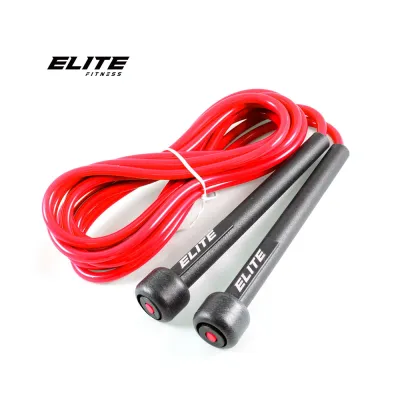
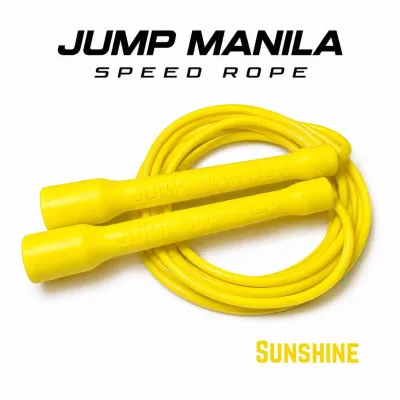
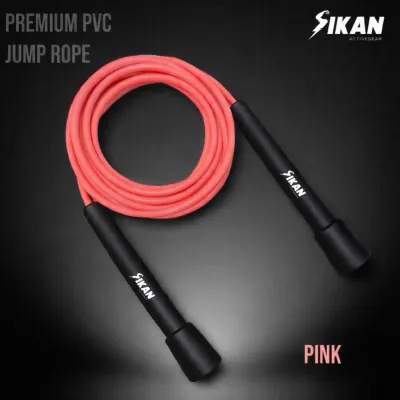
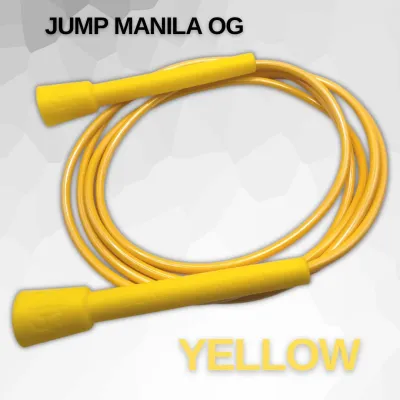
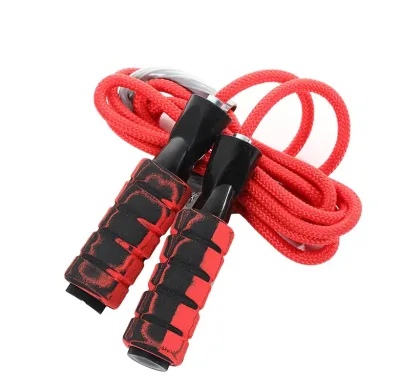
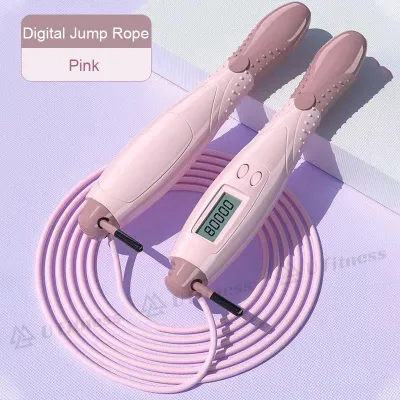
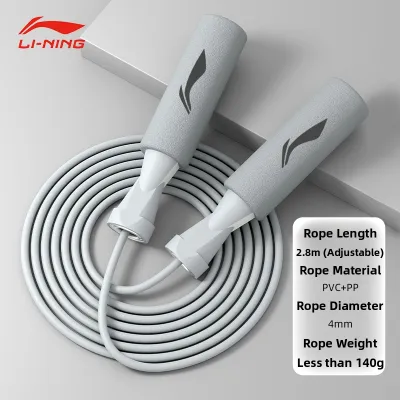
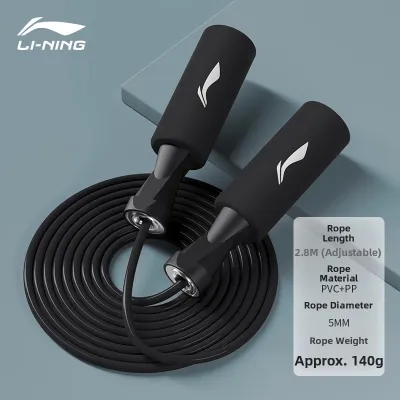
Prices are valid at publication and may change. Please refer to the product page for the latest price.
Your current skill level is the next critical factor to consider. Beginners often struggle with timing and coordination, making fast, lightweight ropes frustrating to use. If you are just starting out, you need a rope that rotates slowly enough for you to register its position. Intermediate and advanced jumpers can transition to lighter, faster materials that allow for complex movements like double-unders and crossovers.
Physical limitations and joint sensitivities must also guide your decision. Jumping rope is a repetitive, high-impact activity that puts stress on your ankles, calves, and knees. If you have a history of joint discomfort, you may want to start with a lighter rope, keep your sessions short, and focus on low-impact jumping techniques.
In tropical climates like the Philippines, high humidity and heat can accelerate physical fatigue during intense workouts. Selecting a rope that matches your current conditioning ensures you do not overexert yourself too quickly. A well-matched rope allows you to maintain a steady, controlled heart rate, making your outdoor or garage workouts safer and more sustainable.
Match the Rope Type to Your Specific Workout Style
Understanding the distinct categories of jump ropes allows you to select the tool that aligns perfectly with your training style. Each type has unique physical properties, advantages, and limitations.

Speed Ropes
Speed ropes feature very thin, lightweight vinyl or coated wire cables connected to handles with ball-bearing mechanisms. These bearings allow the rope to spin with minimal friction, enabling extremely fast rotations.
These ropes are the standard choice for competitive athletes, functional fitness enthusiasts, and anyone looking to master double-unders. Because the cable is so thin, it cuts through the air with virtually no resistance, requiring quick wrist movements and precise timing.
However, speed ropes are generally not recommended for absolute beginners. The lack of weight makes it difficult to feel where the rope is in space, which often leads to tripping and frustration. Additionally, the thin metal cables can sting painfully if they strike bare skin during a missed jump.
Weighted Ropes
Weighted ropes feature heavier cables, weighted handles, or a combination of both to add resistance to your workout. Unlike speed ropes, these are designed to slow down the rotation while increasing the physical effort required to turn the rope.
Using a weighted rope shifts a significant portion of the workload to your upper body, specifically targeting your shoulders, forearms, upper back, and core. This makes them excellent for building muscular endurance and burning a high number of calories in a shorter duration.
For beginners, a lightly weighted rope (around 0.5 pounds or 250 grams) can actually be highly beneficial. The extra weight provides clear tactile feedback, allowing you to feel the momentum of the rope as it rotates, which helps you time your jumps more effectively.
Beaded Ropes
Beaded ropes consist of a nylon inner cord threaded with segmented plastic beads. This classic design is highly durable and popular among freestyle jumpers, beginners, and fitness enthusiasts alike.
The primary advantage of a beaded rope is the tactile and auditory feedback it provides. As the beads hit the ground, they make a distinct clicking sound that helps you establish a consistent jumping rhythm. The weight of the beads also helps the rope maintain its arc, even in windy outdoor conditions.
Because they hold their shape exceptionally well, beaded ropes are ideal for learning tricks, side swings, and complex footwork. They rotate at a moderate, controllable speed, making them a highly versatile and forgiving option for all fitness levels.
PVC or Licorice Ropes
PVC ropes, often called licorice ropes, are made of a solid, flexible plastic cord. They are lightweight, highly durable, and represent the most common and budget-friendly option on the market, with basic models starting under ₱500 on local online marketplaces.
These ropes are incredibly versatile, making them suitable for general fitness, warm-ups, and moderate-paced steady-state cardio. They offer a balanced middle ground between speed and feedback, rotating faster than beaded ropes but slower than wire speed ropes.
PVC ropes are also highly portable and resistant to wear, making them a reliable choice for everyday workouts. However, they can become stiff in cold environments, though this is rarely an issue in warm, tropical climates.
Size Your Rope Correctly and Verify Basic Form
Even the highest-quality jump rope will cause frustration and poor form if it is not sized correctly for your height. Fortunately, finding the right length is a straightforward process that you can do at home.
To measure your rope, stand directly on the center of the cable with one foot. Pull the handles straight up along the sides of your body; the tips of the handles should reach your armpits or the lower chest area. If the handles extend past your shoulders, the rope is too long and will bounce excessively or tangle.
Once your rope is sized correctly, you must focus on maintaining proper jumping mechanics to ensure efficiency and prevent injury. Keep your elbows tucked close to your ribs and use your wrists, rather than your entire arms, to generate the rotation. Your feet should stay close together, and your jumps should be low—only about an inch off the ground—with a soft bend in your knees to absorb the impact.
Many modern ropes come with adjustable screws or mechanisms that allow you to customize the length. Once you find your ideal size, safely trim any excess wire or plastic using wire cutters, and ensure the protective end caps are securely fastened. Leaving long, loose ends hanging from the handles can create a dangerous whipping hazard during fast workouts.
Select Safe Surfaces and Proper Footwear for Joint Protection
Protecting your joints is paramount when incorporating jumping rope into your regular adult fitness routine. The repetitive impact of jumping can lead to shin splints, joint pain, or tendonitis if you do not take proper precautions.
Always choose shock-absorbing surfaces for your workouts. Ideal options include rubber gym mats, wooden floors, or flat, packed dirt. Avoid jumping repeatedly on hard, unforgiving surfaces like concrete, asphalt, or tiled floors, as these materials transfer the full force of the impact directly back into your joints.
Your choice of footwear is equally important for joint protection. Wear supportive, cushioned athletic shoes designed for cross-training or forward-impact sports. Avoid jumping barefoot, or wearing flat-soled casual shoes, canvas sneakers, or running shoes with excessively thick heel cushioning that can cause ankle instability.
Additionally, keep in mind that different rope materials wear out at different rates depending on the surface. Abrasive outdoor concrete will quickly shred thin speed cables and PVC ropes. If you must workout outdoors on concrete, using a portable rubber fitness mat will protect both your joints and extend the lifespan of your equipment.
Frequently Asked Questions (FAQ)
How often should adults jump rope for cardio benefits?
If you are new to jumping rope, start with short sessions of 5 to 10 minutes, two or three times a week. This allows your calves, Achilles tendons, and connective tissues to adapt gradually to the repetitive impact. Over time, you can increase your session length to 15 or 20 minutes or integrate short jumping intervals into your existing workouts. Always listen to your body, prioritize rest days, and stop immediately if you experience persistent joint pain.
Can jumping rope replace running for adult cardio?
Jumping rope is a highly effective alternative to running, offering comparable cardiovascular benefits and calorie expenditure when performed at similar intensities. The primary difference lies in how the impact is distributed throughout your body. Jumping rope primarily targets the calves and ankles with a lower, more controlled vertical impact, whereas running involves a forward-moving impact that puts more stress on the knees and hips. Combining both activities through cross-training can provide a well-rounded cardio routine while reducing the risk of overuse injuries.
Community discussion
Share your experience or ask a question. Comments are reviewed before publication.