
Finding the right knee support for knee pain in the Philippines requires balancing structural stability, compression needs, and material comfort in a hot, humid climate. Whether you are dealing with mild soreness from daily walking, recovering from a sports injury on the court, or managing chronic joint discomfort, the ideal support depends entirely on your specific pain profile and daily activities. By understanding how different designs function and how to select breathable materials, you can find a solution that offers relief without causing skin irritation or slipping during use.
Understanding Your Knee Pain and Support Needs
Before purchasing any gear, it is essential to identify the nature of your knee discomfort. Mild aches, general stiffness, and minor swelling often point to overuse or early-stage joint wear, which typically respond well to light compression. On the other hand, sharp pain during specific movements, localized tenderness below the kneecap, or a feeling that your knee might “give way” suggests tendon strains or ligament instability that require more structured support.
It is important to remember that knee supports are designed to manage symptoms, provide external stability, and aid your recovery process. They do not cure underlying medical conditions or repair structural damage on their own. Using a brace to mask pain so you can continue high-impact activities without addressing the root cause can lead to further joint damage.
Products mentioned in this guide
Prices are valid at publication and may change. Please refer to the product page for the latest price.
If you experience severe pain, sudden and significant swelling, an inability to bear weight on your leg, or if your knee locks completely, do not attempt to self-treat with a retail support. These symptoms require immediate evaluation by a healthcare professional or physical therapist. A proper medical diagnosis ensures you receive the correct treatment plan and a recommendation for the specific level of bracing your joint requires.
Types of Knee Supports for Different Pain Profiles
Knee supports generally fall into three primary categories: sleeves, straps, and braces. Each style serves a distinct mechanical purpose, ranging from mild compression to rigid structural reinforcement. Selecting the right type depends on whether your joint needs gentle warmth and blood flow promotion, targeted pressure on a specific tendon, or physical protection against lateral movement.

The trade-offs between these styles involve balancing mobility, breathability, and restriction. A highly restrictive hinged brace offers maximum protection but limits your range of motion and can feel hot and heavy. Conversely, a lightweight compression sleeve allows full mobility and excellent airflow but offers no structural defense against ligament sprains. Understanding these dynamics helps you choose a support that matches your activity level and pain severity.
Compression Sleeves for Mild Aches and Swelling
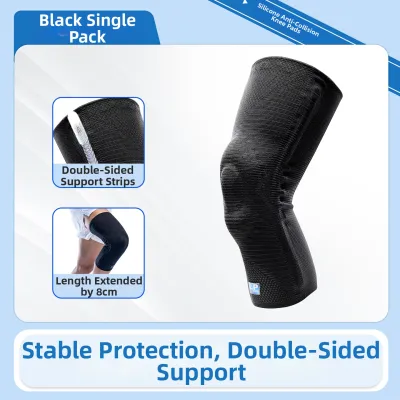
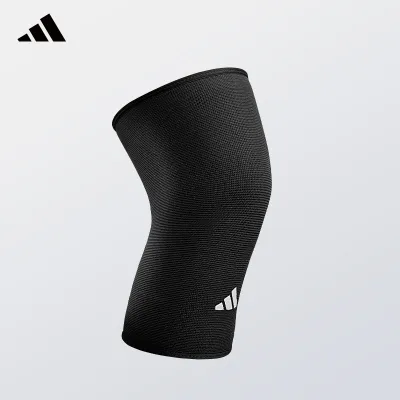
Compression sleeves are slip-on elastic or knit tubes that slide over the foot and sit snugly around the knee joint. They are best suited for managing mild arthritis, general muscle soreness, and post-workout recovery. By applying uniform pressure across the entire joint, sleeves help reduce minor swelling, improve proprioception (your brain’s awareness of joint position), and retain therapeutic warmth that keeps muscles and tendons pliable.
In the humid tropical climate of the Philippines, material selection is critical for sleeves. Standard neoprene sleeves can trap sweat and heat, leading to skin maceration, rashes, and general discomfort during daily wear. Look for advanced circular-knit or 3D-weave fabrics that incorporate moisture-wicking fibers. These breathable materials allow sweat to evaporate quickly, keeping your skin dry and comfortable even during outdoor activities or daily commutes.
However, users must recognize the limitations of compression sleeves. Because they lack rigid stays or hinges, they do not provide structural stability for moderate-to-severe ligament injuries, such as ACL or MCL tears. If your joint feels unstable or shifts out of place, a sleeve will not prevent abnormal movement, and you will need a more robust bracing option.
Patellar Straps for Tendonitis and Jumper's Knee
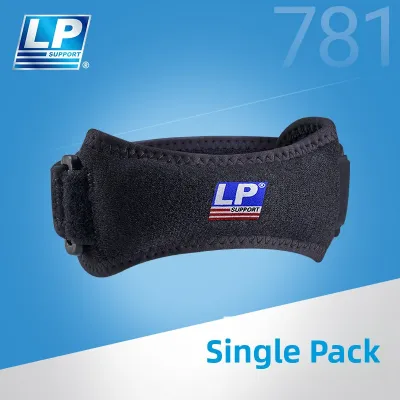
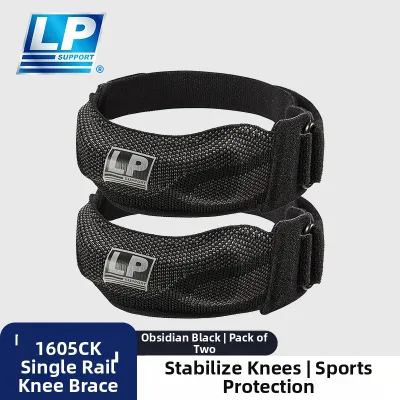
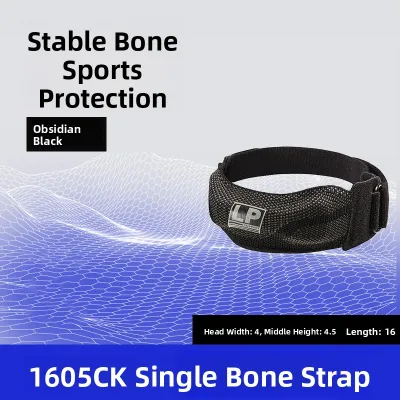
Patellar straps, also known as knee bands, are narrow, adjustable straps that wrap around the leg just below the kneecap. They are specifically designed for individuals experiencing localized pain in the patellar tendon, a common issue for runners, cyclists, and court-sport athletes who engage in repetitive jumping and running. This condition, often referred to as jumper’s knee or patellar tendonitis, can make climbing stairs or bending the knee highly uncomfortable.
The mechanical function of a patellar strap is to apply targeted pressure directly to the patellar tendon. This localized compression shortens the functional length of the tendon, reducing the mechanical load placed on it during physical activity. Additionally, the strap helps stabilize the kneecap, improving its tracking within the femoral groove and preventing painful misalignment during repetitive bending.
When selecting a patellar strap, look for models featuring adjustable hook-and-loop closures and a padded internal tube or silicone insert. The padding ensures the pressure is distributed evenly across the tendon without digging into the skin. Adjustable straps allow you to customize the tightness throughout your workout, ensuring the band remains secure without restricting circulation to the lower leg.
Wraparound and Hinged Braces for Instability and Recovery
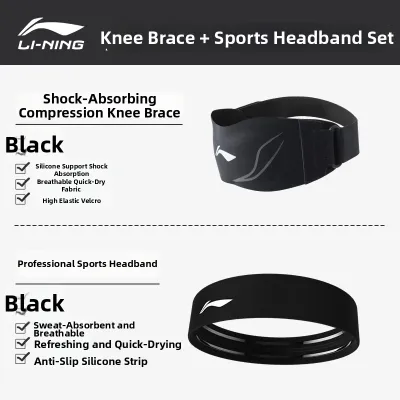
For individuals recovering from significant joint injuries, managing severe instability, or performing heavy lifting, heavy-duty braces are necessary. These supports provide physical barriers to abnormal joint movement, protecting healing tissues from further strain. They are highly recommended for post-surgical rehabilitation or when returning to sports after a ligament sprain.
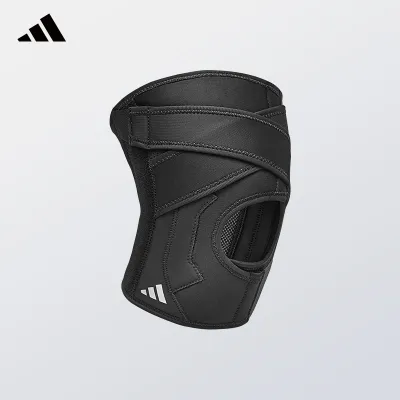
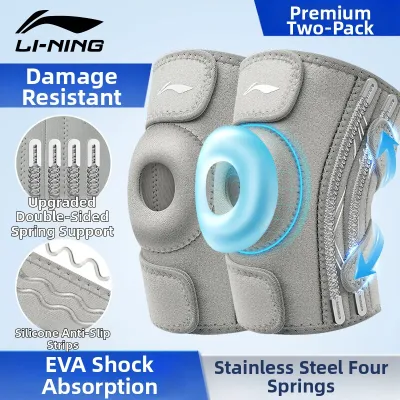
Wraparound braces feature open-front designs with adjustable straps, making them much easier to put on and take off than slip-on sleeves, especially if you have limited mobility or significant swelling. Hinged braces incorporate rigid plastic or metal joints along the sides of the knee. These hinges allow the knee to bend naturally forward and backward while physically preventing harmful side-to-side (lateral) shifting or hyperextension.
The primary trade-off with these robust braces is their bulkiness and restriction of movement. They can feel heavy, trap heat, and may not fit comfortably under standard clothing. Before purchasing, verify that the brace is compatible with your specific sport’s regulations and fits comfortably over or under your activewear.
Key Features to Evaluate Before Purchasing
When shopping for a knee support, evaluating specific design details can mean the difference between a highly effective aid and an uncomfortable accessory that sits unused in a drawer.
- Material Breathability and Moisture Management: Given the high humidity in the Philippines, prioritize lightweight, open-weave knits or perforated neoprene. These materials facilitate airflow and prevent sweat buildup, which can cause skin irritation and bacterial growth.
- Anti-Slip Silicone Grips: Look for supports equipped with wavy silicone strips or textured bands along the inner top hem. These grips prevent the support from sliding or rolling down your thigh during continuous movement, saving you from constant, frustrating adjustments.
- Seam Construction and Ergonomic Cutouts: Flat-locked seams and seamless knitting patterns minimize friction against the skin. An open-popliteal design—a cutout or highly flexible panel behind the knee—prevents the material from bunching up and pinching your skin when you bend your leg.
- Adjustability and Closure Systems: High-quality Velcro straps or dial-based tension systems allow you to adjust the compression level as your swelling changes throughout the day. Ensure the hook-and-loop fasteners are durable and do not fray the surrounding fabric.
How to Measure and Ensure a Proper Fit
An improperly fitted knee support is either useless or harmful. If it is too loose, it will not provide the necessary compression or stability; if it is too tight, it can restrict blood flow, cause swelling in the lower leg, or pinch nerves.
To find your correct size, use a flexible sewing tape measure while standing with your leg slightly bent (about 30 degrees). Measure the circumference of your leg at three key points:
- Mid-Patella: Directly over the center of your kneecap.
- Lower Thigh: Approximately 10 to 15 centimeters above the kneecap.
- Upper Calf: Approximately 10 to 15 centimeters below the kneecap.
Always refer to the specific manufacturer’s sizing chart for the product you are purchasing, as sizing standards vary widely between brands. A medium in one brand may correspond to a small or large in another. If your measurements fall between two sizes, manufacturers generally recommend sizing up for a more comfortable fit or sizing down if you require firmer compression for athletic activities.
After putting on your knee support, monitor how it feels over the first hour of wear. Signs of a poor fit include numbness, tingling, cold toes, deep red marks on your skin, or the support rolling down constantly. If you experience any of these issues, remove the support immediately and try a different size or style.
Buying Knee Supports in the Philippines
Knee supports are widely available in the Philippines, ranging from budget-friendly options to premium medical-grade braces. You can purchase them from official brand stores on local e-commerce platforms, physical sports retail outlets, or major pharmacies. Prices typically range from around ₱300 for basic compression sleeves to ₱3,000 or more for advanced hinged braces.
When ordering online, it is crucial to verify the authenticity of the product. Look for official flagship stores or authorized distributors to avoid counterfeit items made from inferior, non-supportive materials. Upon delivery, inspect the packaging for integrity, check for included sizing guides, and look for manufacturer warranty cards or authenticity holograms.
Be sure to review the seller’s return and exchange policy before completing your purchase. Many retailers enforce strict hygiene-related restrictions on returning worn apparel, meaning you may not be able to return a knee support once it has been tried on or removed from its original sealed packaging. Double-checking your measurements beforehand is the best way to avoid sizing errors.
Frequently Asked Questions (FAQ)
Can I wear a knee support all day?
Generally, you should not wear a knee support all day unless specifically instructed by a physician or physical therapist. Wearing compression sleeves or braces continuously can cause your knee muscles to become reliant on external support, potentially weakening them over time. It is usually best to wear the support during activities that trigger pain or require extra stability, and remove it during rest. If you experience skin irritation, numbness, tingling, or increased swelling below the brace, remove it immediately.
How do I wash and maintain my knee support?
To prolong the lifespan of your knee support, hand-wash it in cold water using a mild detergent. Avoid using bleach or fabric softeners, as these chemicals can degrade the elastic fibers and damage anti-slip silicone grips. If you must use a washing machine, place the support in a mesh laundry bag and select a gentle cycle. Always air-dry the support flat or hang it away from direct sunlight and heat sources; never put it in a clothes dryer, as high heat will warp the materials and ruin the elasticity.
Community discussion
Share your experience or ask a question. Comments are reviewed before publication.