
Choosing the perfect pair of quad skates requires a clear understanding of where you plan to roll and how you want to move. If you are looking to invest in mellow roller skates, your decision should depend on whether you want to cruise casually down seaside boardwalks, dance at an indoor rink, or build cardiovascular endurance on long-distance paths. Matching the mechanical specifications of your gear to your local environment is the key to a safe, comfortable, and highly enjoyable skating experience.
To find the ideal setup, you must evaluate how different boots, plates, wheels, and bearings perform under specific conditions. In tropical environments like the Philippines, factors such as high humidity, intense outdoor heat, and varied pavement quality play a significant role in how your equipment wears over time. By analyzing your personal goals and understanding the technical details of your skates, you can make an informed purchase that keeps you rolling smoothly and safely.
Identify Your Primary Skating Style and Terrain
Before browsing specific models, you must define your primary skating activities and the environments where you will spend most of your time. Roller skating is highly specialized, and a skate designed for dance will perform poorly on rough outdoor asphalt. Identifying your style early prevents discomfort, reduces the risk of injury, and ensures you do not waste money on features you do not need.
Products mentioned in this guide
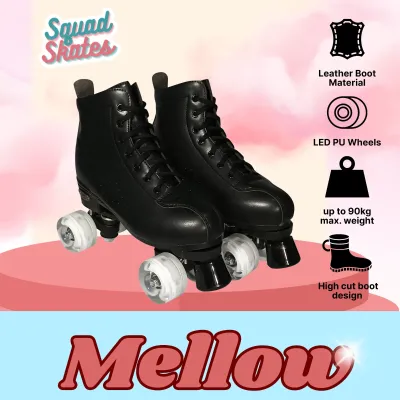
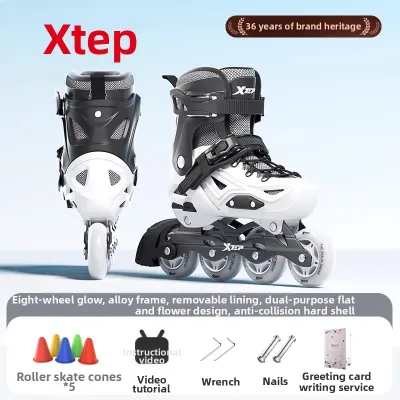
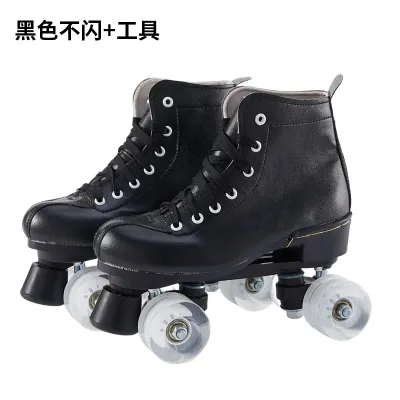
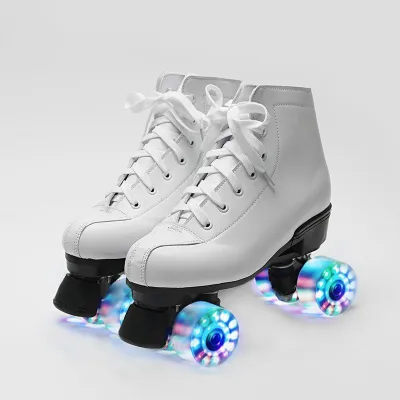
Prices are valid at publication and may change. Please refer to the product page for the latest price.
Recreational cruising is the most common entry point for skaters. This style focuses on relaxed, casual rolling along flat surfaces, such as park paths, subdivision roads, or beachside promenades. If your goal is simply to enjoy the breeze, socialise with friends, or get light exercise on weekends, comfort and stability should be your highest priorities.
Fitness and distance skating demand a more technically robust setup. Skaters in this category use their gear for intense cardiovascular workouts, covering long distances at sustained speeds. If you plan to skate kilometers at a time on dedicated bike paths or smooth highways, you will require components that maximize energy transfer and minimize physical fatigue.
Dance, jam, and artistic skating focus on rhythm, footwork, spins, and choreography. This style is typically practiced on ultra-smooth surfaces, such as polished concrete barangay courts, indoor wooden rinks, or flat plaza tiles. For dance skating, you need maximum agility and freedom of movement rather than high-speed stability.
Your typical terrain dictates the physical demands placed on your skates. Rough city streets, cracked sidewalks, and hot asphalt require wheels that can absorb heavy vibrations and roll over debris. Conversely, indoor rinks and smooth polished floors allow for harder wheels that prioritize speed and slide over shock absorption.
Your current skill level and physical conditioning also influence your choice. Beginners and skaters with weaker ankles require structured, high-top boots that offer rigid support to prevent rolling or straining the joints. Experienced skaters who have developed strong ankle stability often prefer more flexible boots that allow for deeper edges and advanced maneuvers.
Essential Specifications to Evaluate on Mellow Roller Skates
To make an objective decision, you must look past aesthetic designs and evaluate the physical components of mellow roller skates. Understanding these technical specifications allows you to compare different models accurately and choose a setup that matches your weight, skating style, and local environment.

Boot Type and Construction
The boot is the foundation of your comfort and control. Hard shell boots feature a rigid plastic outer casing with a padded, removable liner. They offer exceptional ankle support, high impact resistance, and excellent durability, making them ideal for beginners and rough outdoor use. However, they can feel heavy and restrictive.
Soft boots are constructed from flexible materials like canvas, synthetic leather, or suede. They are lightweight, highly breathable, and conform quickly to the shape of your foot. In warm, humid climates, the breathability of a soft boot is highly beneficial for managing sweat and heat buildup, though they provide less structural ankle support than hard shells.
Boot height is another critical factor. High-top boots wrap well above the ankle, locking the joint in place to prevent lateral movement and reduce the risk of sprains. Low-top boots cut off below the ankle bone, offering complete freedom of movement for quick footwork and speed skating, but they require significant ankle strength to use safely.
Wheels and Durometer
Wheels are defined by two primary measurements: diameter and hardness. Wheel diameter is measured in millimeters (mm). Smaller wheels (57mm to 62mm) offer a lower center of gravity and quicker acceleration, making them highly agile. Larger wheels (65mm to 70mm) take longer to speed up but maintain momentum easily and roll over cracks with minimal resistance.
Wheel hardness is rated using the durometer A-scale. Softer wheels (78A to 85A) provide excellent grip and absorb the vibrations of rough outdoor concrete, making your ride much smoother. Harder wheels (95A to 101A) offer very little grip and are designed for indoor rinks, where they allow skaters to slide, spin, and execute tight turns without sticking to the floor.
Plates and Chassis
The plate is mounted to the bottom of the boot and holds the trucks and wheels. Nylon plates are lightweight, inexpensive, and offer a natural dampening effect that absorbs road vibrations, which is highly comfortable for casual outdoor skaters. However, nylon can flex under heavy loads or high-impact landings, which wastes energy.
Aluminum plates are highly rigid, durable, and transfer energy directly from your feet to the ground with minimal loss. They are heavier and more expensive than nylon, but they are essential for heavy skaters, high-speed fitness training, and aggressive maneuvers. The rigidity of metal plates ensures that every push translates into maximum forward motion.
Bearings and Precision
Bearings sit inside the wheels and allow them to spin around the axles. They are commonly rated using the ABEC scale (1, 3, 5, 7, 9), which measures manufacturing tolerance and precision. While higher ABEC ratings theoretically spin faster and more efficiently, real-world outdoor performance depends far more on how well the bearings are lubricated and protected from dirt.
In humid or dusty environments, bearings can quickly become contaminated. Look for bearings with removable rubber shields, which allow you to clean and lubricate them easily. Regular maintenance is far more critical to maintaining speed and smooth rolling than simply buying the highest ABEC rating available.
Always verify these exact specifications on official product pages or authorized retailer listings. Component specifications can vary by production batch, size, or region, so double-checking the manufacturer details ensures you get the exact features you expect.
How to Match Skate Specifications to Your Skating Style
Once you understand the technical components, you can match these specifications directly to your intended skating style. Prioritizing the right features ensures your skates perform optimally in your chosen environment.
Recreational Cruising and Commuting
For casual cruising on mixed outdoor surfaces, your primary goal is comfort and shock absorption. You want a setup that allows you to skate for an hour or two without experiencing foot fatigue, hot spots, or painful joint vibrations from rough pavements.
- Boot Selection: Choose a soft or hybrid boot with a high-top design. This combination provides a comfortable, sneaker-like fit while ensuring your ankles remain supported over cracks and uneven ground.
- Wheel Setup: Opt for mid-sized wheels (58mm to 62mm) with a soft durometer of 78A to 82A. These wheels are soft enough to cushion your ride against rough asphalt and small pebbles while remaining small enough to keep you stable and close to the ground.
- Plate and Fasteners: A nylon plate is highly recommended here for its vibration-dampening properties. Ensure the skates feature a secure heel lock, adjustable ankle straps, and robust laces to keep your foot firmly in place and prevent friction blisters.
Fitness and Distance Skating
Fitness and distance skating require a highly efficient setup that maximizes your physical effort. You need components that reduce rolling resistance, maintain high speeds, and transfer all your energy into forward momentum.
- Boot Selection: Look for highly supportive, lightweight boots. A stiff synthetic leather or reinforced composite boot is ideal, as it prevents your foot from twisting inside the skate during powerful strides.
- Wheel Setup: Choose larger wheels, starting at 65mm up to 70mm, with a moderate hardness of 82A to 85A. This larger diameter allows you to maintain high rolling speeds over long distances, while the slightly firmer durometer reduces rolling resistance on clean paths.
- Plate and Bearings: An aluminum plate is essential to prevent energy loss from plate flex during hard pushes. Pair this with high-quality, precision-rated bearings (ABEC 7 or ABEC 9) to ensure a smooth, low-friction glide over kilometers of continuous skating.
Dance, Jam, and Artistic Skating
Dance and artistic skating prioritize agility, precision, and quick lateral movements. You need a highly responsive skate that allows your feet to move independently and change directions instantly on smooth surfaces.
- Boot Selection: Select a low-cut boot or a highly flexible high-top boot made of genuine leather or suede. This flexibility allows you to bend your ankles deeply, execute sharp edges, and perform intricate footwork without restriction.
- Wheel Setup: Use small, hard wheels (typically 57mm or smaller, with a durometer of 95A to 101A). These wheels provide minimal traction, allowing you to slide, spin, and transition smoothly on rink floors without your wheels gripping the ground too aggressively.
- Chassis and Fit: A short, responsive aluminum plate with a narrow truck design is ideal for quick turning. The boot must fit snugly like a glove; any extra space inside will cause your foot to slide, ruining your control and precision during complex routines.
Sizing, Fit, and Pre-Purchase Checks
Buying the correct size is the single most important factor in preventing pain, blisters, and injury. Roller skates do not fit like standard sneakers, and guessing your size based on your daily footwear often leads to a poor fit.
To find your true size, place a piece of paper flat against a wall on a hard floor. Stand on the paper with your heel firmly against the wall, and trace the outline of your foot. Measure the distance from the wall to the tip of your longest toe in millimeters, and measure the widest part of your foot. Repeat this process for both feet, as one foot is often slightly larger than the other.
Always consult the brand’s specific size chart using your millimeter measurements rather than standard shoe sizes. If your feet are wide, look for models known for a wider toe box, or consider sizing up if you fall between measurements. A proper fit should be snug but not painful; your toes should gently touch the front of the boot without being cramped or bent.
When trying on your new skates, wear the exact thickness of socks you plan to use while skating. In warm, tropical climates, high-quality, moisture-wicking synthetic athletic socks are highly recommended. These socks help manage sweat, keep your feet dry, and reduce the friction that causes painful blisters during long sessions.
To ensure quality and safety, purchase your skates only from official brand websites or authorized local sporting goods retailers. Counterfeit skates are common on unverified online marketplaces; these cheap imitations often use low-grade plastics and weak metal alloys that can snap under pressure, posing a severe safety risk.
Once your skates arrive, perform a thorough pre-purchase inspection before taking them outdoors. Check that all nuts and bolts on the plates, trucks, and wheels are securely tightened, as hardware can loosen during shipping. Spin each wheel to ensure the bearings run smoothly without grinding noises, and verify that the wheels are properly aligned and do not wobble.
Frequently Asked Questions (FAQ)
How do I maintain the wheels and bearings on my roller skates?
To maintain your wheels, wipe them down with a damp cloth after every outdoor session to remove dirt, dust, and moisture. You should also rotate your wheels periodically—swapping them in an X-pattern from front to back and left to right—to ensure they wear down evenly and last longer.
For bearing maintenance, if they begin to squeak, feel sluggish, or get exposed to water, remove them from the wheels immediately. Clean them using a dedicated bearing cleaner or isopropyl alcohol, dry them completely with a lint-free cloth, and apply two drops of specialized synthetic bearing lubricant to restore smooth rotation.
Can I use indoor roller skates for outdoor cruising?
Using hard indoor wheels on rough outdoor surfaces is highly discouraged. Hard wheels do not absorb road vibrations, which will cause your feet and joints to vibrate painfully, and they can easily slip or catch on tiny pebbles, increasing your risk of falling.
If you want to use your indoor skates outdoors, you do not need to buy a second pair of skates. You can simply purchase a separate set of soft, large outdoor wheels (78A durometer) and swap them onto your existing skates, ensuring you adjust the axle nuts properly so the wheels spin freely without excess play.
Community discussion
Share your experience or ask a question. Comments are reviewed before publication.