
Choosing the right mini boat for adults in the Philippines requires looking beyond simple aesthetics to evaluate how a vessel handles local tropical conditions. With thousands of islands, calm lakes, and winding river systems, the country offers endless opportunities for water recreation. However, the ideal mini boat is never a one-size-fits-all solution; it is the craft that matches your physical size, your skill level, your transport capabilities, and the specific waters you plan to explore.
For adult paddlers and boaters, safety must always come first. A boat that performs beautifully on a quiet freshwater lake in Laguna may prove unstable or difficult to manage in the tidal currents of a coastal cove in Batangas. While having the right gear is essential, remember that equipment can never replace proper water safety training, physical fitness, and sound judgment. Before heading out, always assess your swimming ability, check local weather forecasts, and understand the limits of your craft.
In this guide, we will break down the essential specifications you need to verify before purchasing, how to match a boat’s design to your skill level, and how to navigate online marketplaces to find high-quality options that can withstand the intense Philippine sun and humidity.
Products mentioned in this guide
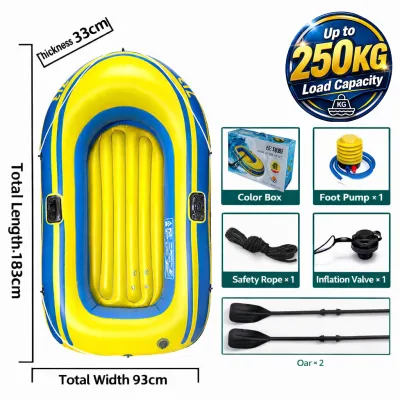
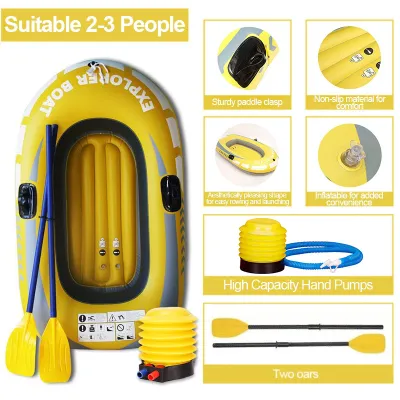
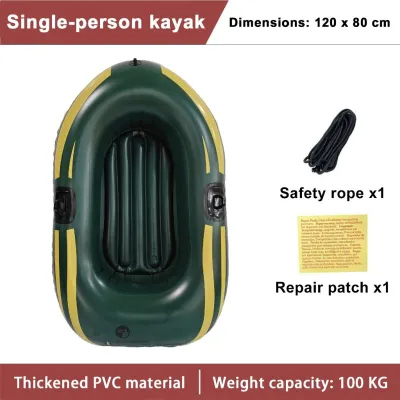
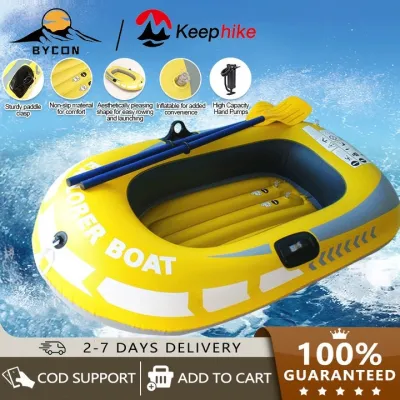
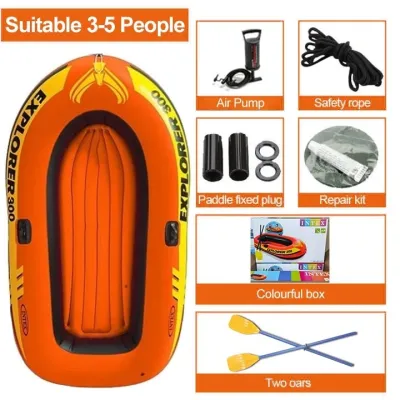
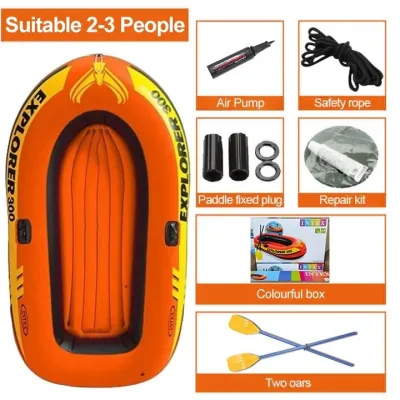
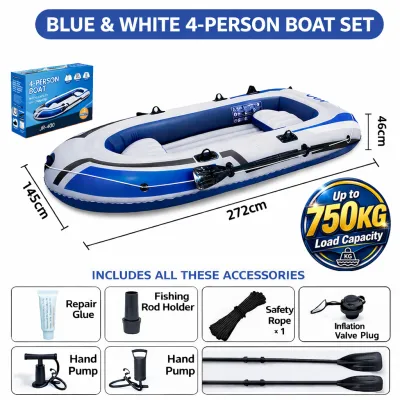
Prices are valid at publication and may change. Please refer to the product page for the latest price.
Defining Your Needs: Capacity, Material, and Portability
Before browsing online listings, you must establish your baseline requirements based on your physical build, the gear you intend to carry, and your storage limitations. Many buyers make the mistake of choosing a boat based solely on its visual appeal, only to find it cramped, unstable, or too heavy to transport.
Evaluating weight capacity is the most critical step in this process. Manufacturer-stated maximum weight capacities are often calculated under ideal, flat-water conditions. For real-world adult use, you must account for your own body weight, safety gear, dry bags, and any potential water displacement. To maintain a safe level of freeboard—the distance between the water’s surface and the top edge of the boat—your total loaded weight should ideally not exceed 60 to 70 percent of the manufacturer’s maximum rated capacity. Overloading a mini boat compromises its stability, makes it sluggish to steer, and increases the risk of swamping in unexpected waves.
Material durability is another vital consideration, especially under the harsh tropical climate of the Philippines. The two most common materials used in portable mini boats are Polyvinyl Chloride (PVC) and Hypalon. PVC is highly popular because it is lightweight, affordable, and easy to fold. However, standard PVC can degrade quickly when exposed to intense ultraviolet (UV) radiation and high humidity, leading to sticky surfaces and weakened seams. If you choose a PVC boat, look for marine-grade, UV-treated PVC with a high denier count (such as 1000D) and a thickness of at least 0.9 millimeters. Hypalon, a synthetic rubber, offers exceptional resistance to UV rays, salt water, and environmental degradation, making it a preferred choice for long-term coastal use, though it comes at a higher cost and weight.
Portability and transport logistics will ultimately dictate how often you use your mini boat. Consider where you will store the vessel when it is not in use. If you live in a metropolitan condominium or a home with limited garage space, a fully rigid hard-shell boat may not be practical. Inflatable or folding models can be packed down into carrying bags, but you must verify their deflated dimensions and total weight. Ensure the packed boat can fit comfortably in your vehicle’s trunk or backseat. Additionally, factor in the assembly and inflation time; a boat that requires an hour of strenuous pumping before launch can quickly turn a relaxing day trip into an exhausting chore.
Matching Boat Types to Your Water Activities
Different water environments demand specific hull designs and propulsion methods. Matching your mini boat to your intended activity ensures both safety and enjoyment, as a craft designed for calm ponds will struggle in open coastal waters.

Inflatable Dinghies and Tenders
Inflatable dinghies and tenders are highly versatile, offering excellent stability and the option to use motorized propulsion. These boats feature wide, multi-chambered inflatable collars that make them incredibly difficult to capsize, making them an excellent choice for beginners, anglers, and those who want a stable platform for near-shore cruising.
When evaluating inflatable dinghies, pay close attention to the floor construction. Inflatable drop-stitch floors use thousands of tiny polyester threads to allow the floor to be inflated to a high pressure, creating a rigid, flat surface that allows an adult to stand securely. Alternatively, rigid panel floors made of aluminum or marine-grade plywood slats offer maximum stability and structural rigidity, though they add weight and require more assembly time.
If you plan to use a motor, you must verify the transom construction and the manufacturer’s maximum outboard rating. The transom is the flat wooden or composite panel at the stern where a motor is mounted. Ensure the transom is securely integrated into the hull with heavy-duty reinforcements. Never exceed the recommended horsepower or electric thrust limits, as excessive motor weight and torque can damage the boat’s structure and compromise steering control.
Compact Kayaks and Canoes
For those who prefer active paddling and exploring narrow waterways, compact kayaks and canoes offer excellent tracking and efficiency. Hard-shell polyethylene kayaks are highly durable and require zero setup time, but they demand a roof rack or a large vehicle for transport. Folding or inflatable kayaks solve the transport issue while still providing impressive performance.
Hull shape plays a decisive role in how a kayak behaves on the water. A longer, narrower hull tracks straight and glides efficiently over long distances, making it ideal for coastal touring. Conversely, a shorter, wider hull provides greater initial stability and maneuverability, which is highly beneficial when navigating winding rivers, mangrove forests, or shallow rocky streams.
Ergonomics and cockpit comfort are essential for adult paddlers, particularly during long excursions in hot weather. Look for adjustable, high-back seats that provide adequate lumbar support and are made of breathable, quick-drying mesh. Adjustable footrests or molded footwells allow you to brace your legs properly, which improves paddling efficiency and reduces fatigue on your lower back.
Portable Pontoon and Belly Boats
Portable pontoon boats and belly boats (also known as float tubes) are highly specialized personal watercraft designed primarily for still-water angling. These craft position the user upright in the water, allowing for hands-free maneuvering while fishing in quiet lakes, reservoirs, or calm lagoons.
Propulsion in a belly boat is typically achieved using kick-fins worn on your feet, though some models also include small oars for faster travel. Because the user’s legs are submerged, these boats are highly susceptible to wind drift and water currents. They should never be used in open coastal waters, fast-flowing rivers, or during strong offshore winds, as you can easily be swept away from safety.
When using a belly boat, safety gear integration is paramount. Ensure you wear high-quality waders to protect against cold water and skin irritants, and always wear a compact, high-buoyancy personal flotation device (PFD) that does not restrict your arm movement or interfere with the boat’s inflatable backrest.
Essential Safety and Performance Checks Before Purchase
Water sports carry inherent risks, and equipment failure on the water can quickly lead to dangerous situations. Performing a thorough safety and performance check before finalizing your purchase is essential to protect yourself and your passengers.
First, verify the number of independent air chambers in any inflatable craft. A safe inflatable mini boat must have at least three separate air chambers, excluding the floor. This design ensures that if one chamber is punctured by a sharp rock, submerged branch, or fishing gear, the remaining chambers will retain enough buoyancy to keep the boat afloat and allow you to paddle safely back to shore.
Second, check for the presence of pressure relief valves. In the tropical climate of the Philippines, air inside inflatable tubes expands rapidly when exposed to direct sunlight. Without a pressure relief valve to automatically vent excess air, the internal pressure can exceed the material’s limits, causing catastrophic seam failure.
Third, inspect the seam construction method. High-quality inflatable boats utilize thermal welding or radio-frequency welding to fuse the fabric layers together, creating a bond that is stronger than the material itself. Glued seams are more common in budget-friendly models, but they are highly susceptible to degradation over time when exposed to salt water, high humidity, and heat. Ensure the boat comes with a comprehensive repair kit containing matching patch material, marine-grade adhesive, and a valve wrench.
Finally, familiarize yourself with local maritime guidelines. The Philippine Coast Guard (PCG) and local municipal governments enforce safety regulations on public waterways. While small, non-motorized recreational craft generally do not require formal vessel registration, you are legally and morally obligated to wear an approved life jacket (PFD) at all times. Some local tourist zones, marine sanctuaries, and inland lakes have specific rules regarding where you can launch, operating hours, and mandatory safety equipment. Always research these local regulations before planning your trip.
Navigating Online Marketplaces: Verifying Specs and Sellers
With the rise of local e-commerce platforms, purchasing a mini boat has become highly accessible. However, online marketplaces are also flooded with low-quality, generic products that may not meet basic safety standards for adult users.
To protect your investment, prioritize purchasing from authorized brand stores or highly rated local distributors who maintain physical warehouses in the Philippines. These sellers are more likely to offer genuine warranties, reliable customer service, and access to replacement parts. Avoid listings from unverified third-party sellers who offer no after-sales support, as finding compatible replacement valves, air pumps, or oars can be extremely difficult if your equipment is damaged.
When reading product descriptions, look past vague marketing buzzwords like “indestructible,” “military-grade,” or “professional.” Instead, search for concrete technical specifications. A reputable manufacturer will clearly state the material composition (e.g., PVC or polyurethane), the fabric denier count, the exact material thickness, and the maximum weight capacity. If these details are missing or inconsistent, treat the listing with caution and contact the seller directly to request clarification.
Lastly, confirm the warranty coverage and return policies before clicking the purchase button. A reliable warranty should cover manufacturing defects on the seams, valves, and transom for at least one year. Once your boat arrives, perform a thorough inspection at home. Inflate the boat to its recommended pressure in a clean, dry area and let it sit for 24 hours to check for slow leaks or pressure drops before taking it out onto open water.
Frequently Asked Questions (FAQ)
Do I need to register a mini boat in the Philippines?
For personal, non-motorized recreational use, small watercraft such as kayaks, paddleboards, and inflatable dinghies generally do not require registration with the Philippine Coast Guard. However, if you attach any form of motorized propulsion—such as a small gasoline outboard motor or an electric trolling motor—the vessel must be registered, and you may need to secure local permits. Additionally, certain municipal waters, national parks, and private lakes enforce their own local registration or environmental fees, so it is always best to consult local authorities before launching.
How should I store an inflatable mini boat to prevent damage?
Proper storage is essential to prevent premature wear and material degradation in the Philippines’ hot, humid climate. After every use, especially in saltwater environments, rinse the boat thoroughly with clean fresh water to remove salt crystals, sand, and organic debris. Allow the boat to dry completely in a shaded, well-ventilated area; storing a damp boat will lead to mold, mildew, and the breakdown of glued seams. Once dry, deflate the boat and fold it loosely to avoid sharp creases, then store it in a cool, dry place away from direct sunlight and pests.
Community discussion
Share your experience or ask a question. Comments are reviewed before publication.