
Choosing the right scooter for a toddler aged two to three requires balancing stability, safety, and room for growth. While specific model availability changes, finding the best Scoterr scooter for 2 to 3-year-olds depends on matching the brand’s design features to your child’s current motor skills and physical size. This guide outlines the essential criteria, safety checks, and purchasing considerations to help you select a reliable ride that supports your toddler’s early outdoor adventures.
At this developmental stage, children are rapidly transitioning from tentative steps to confident running, making balance and coordination the primary focus of their physical play. A suitable toddler scooter must offer immediate stability, intuitive steering, and a size that allows the child to maintain full control. By focusing on key design elements such as a three-wheel configuration, a low deck height, and convertible seating options, parents can find a model that supports early motor skills while ensuring a safe and enjoyable introduction to outdoor play.
Investing in a quality scooter not only encourages physical activity but also helps toddlers build confidence and spatial awareness. As they learn to navigate their surroundings, they develop crucial cognitive skills, such as judging distances and anticipating obstacles. Selecting a scooter that aligns with their physical capabilities ensures that their early riding experiences are positive, building a foundation for a lifetime of active, outdoor recreation.
Products mentioned in this guide
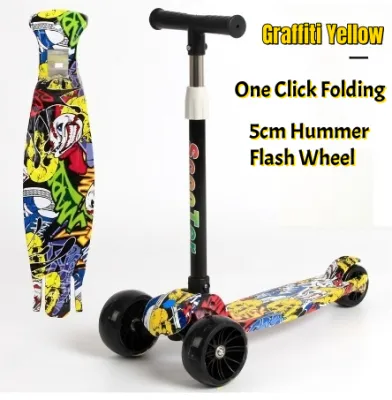
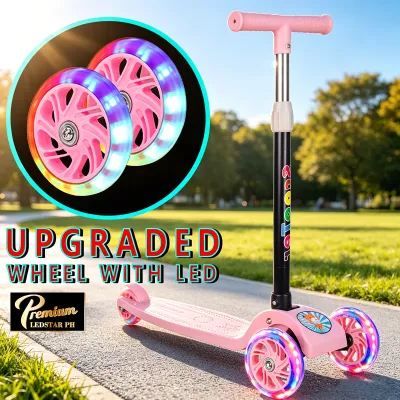
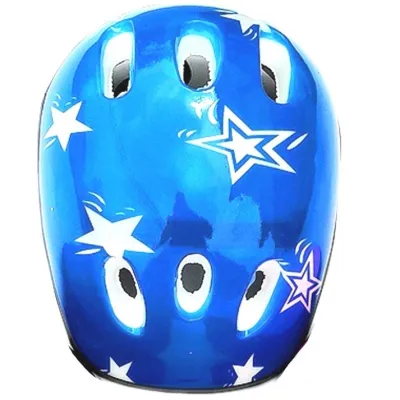
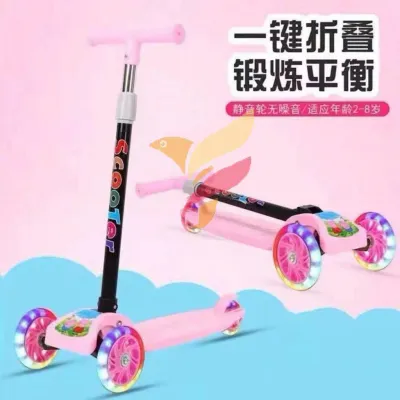
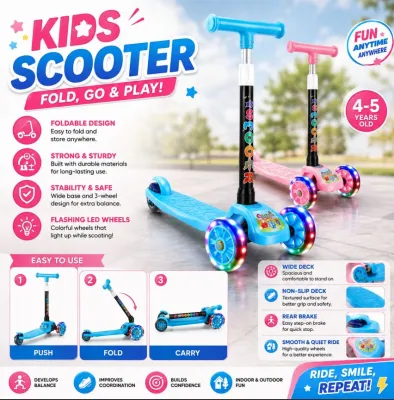
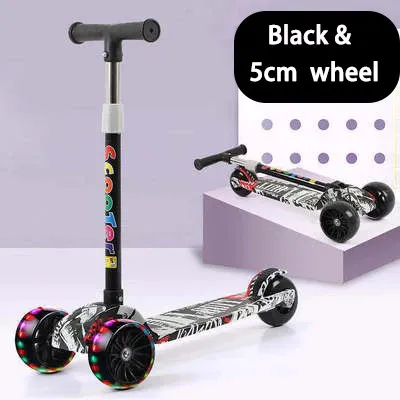
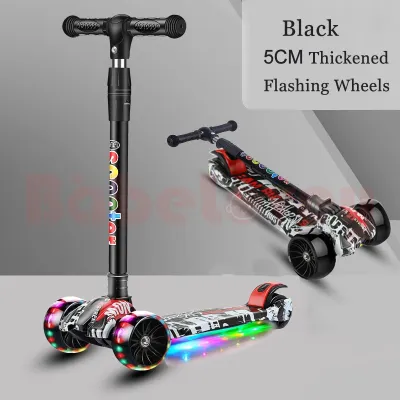
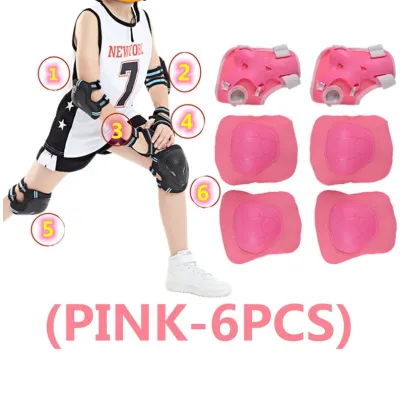
Prices are valid at publication and may change. Please refer to the product page for the latest price.
Understanding the Needs of 2 to 3-Year-Old Riders
Toddlers aged two to three are in a unique developmental phase where gross motor skills are expanding rapidly, yet their center of gravity remains relatively high compared to older children. During this period, children are learning to coordinate bilateral movements, balance on one foot momentarily, and judge distances. A scooter designed for this age group must accommodate these physical limitations by providing a platform that does not tip over easily when the child shifts their weight or makes sudden movements.
A low center of gravity is crucial for early learners who are still mastering their balance. The deck of the scooter should sit as close to the ground as possible, allowing the child to easily touch the floor with their pushing foot. This minimizes the distance the toddler has to lift their leg, reducing the effort required to maintain balance and lowering the risk of falls. A wide, stable wheelbase—particularly at the front—helps distribute the child’s weight evenly, preventing the scooter from tipping forward or sideways during sudden stops or sharp turns.
Weight and weight capacity are also critical factors in how well a toddler can handle their ride. A toddler scooter must be lightweight enough for a two-year-old to push, steer, and lift over small obstacles like sidewalk cracks or garden borders. If the scooter is too heavy, the child will struggle to control it, leading to frustration and potential accidents. Conversely, the scooter’s maximum weight capacity must safely exceed the child’s current weight, leaving ample room for growth over the next year or two. Checking these specifications on the manufacturer’s label ensures the frame can handle the dynamic forces applied during active play.
Furthermore, cognitive development plays a significant role in how a toddler interacts with a scooter. At two to three years old, children are still developing their reaction times and spatial awareness. They may not immediately understand how to steer away from obstacles or stop quickly. Therefore, the scooter’s design must be forgiving, offering predictable handling and stability that compensates for the child’s developing coordination and slower decision-making processes.
Essential Scoterr Scooter Features for Toddlers
For toddlers aged two to three, a three-wheel design is highly recommended over a traditional two-wheel scooter. The most common and stable configuration features two wheels at the front and one at the rear. This setup provides a self-standing platform that remains upright even when stationary, allowing the toddler to step on and off without needing to balance the scooter simultaneously. It also prevents the front wheel from twisting sharply, which is a common cause of tipping among early learners.

Many toddler scooters utilize a lean-to-steer mechanism, where the front wheels pivot slightly when the child leans their body weight to the left or right, rather than turning the handlebars like a bicycle. This design aligns naturally with a toddler’s intuitive movement patterns, helping them develop balance and coordination as they learn how body shifts affect direction. Traditional turning handlebars require more advanced hand-eye coordination and can lead to over-steering, which often results in sudden jackknife falls for very young riders.
Convertible options, such as attachable seats or push handles, offer excellent versatility for children who are still building their stamina and balance. A convertible 2-in-1 scooter allows the child to start in a seated position, using their feet to push along like a balance bike. As their confidence and leg strength improve, the seat can be removed or folded away to transform the unit into a standard standing scooter. Some models also include a parent push bar, allowing adults to guide and assist the toddler during long walks or when they become tired.
The deck should be wide enough to accommodate both of the toddler’s feet side-by-side when coasting, yet narrow enough that their pushing leg does not hit the side of the deck. A high-traction, non-slip surface—often made of textured plastic or grip tape—is essential to prevent slipping, especially in humid or damp tropical conditions where sweat or light rain can make surfaces slick.
Additionally, the material of the wheels is an important consideration for ride quality and safety. High-quality polyurethane (PU) wheels are ideal because they offer excellent shock absorption and grip on various surfaces, from smooth indoor tiles to outdoor concrete. Many toddler scooters also feature LED light-up wheels that flash as they spin. These lights are powered by kinetic energy, meaning they do not require batteries, and they provide both visual excitement for the toddler and increased visibility for safety during late afternoon rides.
Safety, Adjustability, and Pre-Purchase Checks
Because toddlers grow rapidly, a scooter with an adjustable T-bar is a smart investment. The handlebars should be set at a height where the child can grip them comfortably with slightly bent elbows, without having to hunch forward or reach upward excessively. Look for secure locking mechanisms, such as quick-release clamps combined with spring-loaded buttons, to ensure the handlebar remains locked at the desired height during use.
Most toddler scooters feature a rear foot brake, which is a plastic or metal fender over the back wheel that slows the scooter when pressed down. While a two-year-old may not have the coordination to use a foot brake immediately, it is an essential safety feature as they approach age three. The brake should be easy to press and cover a significant portion of the rear wheel to ensure reliable stopping power. Parents should check that the brake is responsive and does not require excessive force to engage.
Always verify the maximum load limits and recommended age ranges directly on the product packaging or official user manual. While a scooter may look suitable, using it outside the manufacturer’s specified limits can compromise its structural integrity and safety. Avoid relying solely on online product titles, which can sometimes be misleading or generalized.
Before allowing a toddler to ride, conduct a thorough physical inspection of the scooter. Check for sharp plastic edges, exposed metal parts, or pinch points near folding joints and steering mechanisms. Ensure that all bolts, axle pins, and clamps are tightly secured. If the scooter features a folding mechanism for easy transport, verify that the locking hinge clicks firmly into place and cannot be accidentally disengaged by the child while riding.
Pay close attention to the handlebar grips as well. They should be made of soft, durable rubber or foam with large, protective end-guards. These end-guards prevent the child’s hands from slipping off the sides of the handlebars during sudden bumps and protect their fingers from getting pinched if they ride close to walls or fences.
Where to Buy and How to Verify Authentic Scoterr Products
To ensure you are getting a genuine Scoterr product with valid safety certifications, purchase directly from official brand websites, authorized flagship stores on major online marketplaces, or reputable local physical toy and sporting goods retailers. Buying from unauthorized third-party sellers increases the risk of receiving counterfeit items that may use substandard materials, weak plastics, or toxic paints.
Be cautious of listings with unusually low prices, especially those significantly below the standard market rate in Philippine Pesos (₱). Counterfeit products often exhibit poor packaging, misspelled brand names, blurry instruction manuals, or missing safety labels. Genuine products will have clear branding, high-quality construction, and robust packaging that protects the scooter during transit.
When shopping online, look for official distributor badges, high seller ratings, and customer reviews that include real photos of the product and packaging. These reviews can provide valuable insights into the product’s actual build quality and whether it matches the advertised specifications. Avoid sellers with vague product descriptions or those who cannot provide clear answers regarding warranty coverage.
When your scooter arrives, immediately open the package and inspect the contents before assembly. Confirm that all necessary components, assembly tools, user manuals, and warranty cards are included. Check that the product matches the specifications listed on the box, and test any adjustable parts or folding mechanisms to ensure they operate smoothly and lock securely. Keep your official receipt and warranty card in a safe place, as these are typically required if you need to make a claim or order replacement parts in the future.
First Rides and Basic Maintenance
For a toddler’s first riding experience, select a flat, smooth, and completely traffic-free area. A quiet paved driveway, a smooth concrete patio, or a local park with wide, flat pathways are ideal. Avoid steep hills, uneven sidewalks, gravel paths, or areas near swimming pools and busy streets. Smooth surfaces allow the toddler to focus on learning the basic mechanics of pushing and steering without having to navigate obstacles.
Safety gear is non-negotiable, even for slow-speed toddler rides. A properly fitted helmet is the most critical piece of equipment. The helmet should sit level on the child’s head, covering the forehead, with the straps adjusted to form a snug “Y” shape under the ears and a secure fit under the chin. Knee and elbow pads designed specifically for toddlers can also prevent painful scrapes and build confidence as they learn to balance.
For the very first session, you might even consider letting your toddler practice indoors on a low-pile carpet or rug. The carpet provides natural resistance, preventing the scooter from rolling too quickly and allowing the child to get used to standing on the deck and holding the handlebars in a controlled environment. Once they understand how to stand and push, you can transition them to smooth outdoor surfaces.
Regular maintenance is essential to keep the scooter in safe working order, especially in tropical climates where humidity and moisture can affect metal parts and bearings. Before every ride, perform a quick visual check: ensure the wheels spin freely without wobbling, the handlebars are secure, and the rear brake moves smoothly. Periodically tighten any loose screws or bolts using the tools provided by the manufacturer.
To clean the scooter, wipe it down with a damp cloth to remove dirt and mud. Avoid spraying water directly into the wheel bearings with a high-pressure hose, as this can wash away the protective grease and lead to rust and premature wear. If you notice any structural cracks in the plastic deck, bent metal components, worn-out wheel bearings, or a malfunctioning brake, stop using the scooter immediately. Do not attempt temporary or makeshift repairs on critical safety components. Instead, contact the manufacturer’s customer service or a qualified professional repair service to obtain genuine replacement parts.
Frequently Asked Questions (FAQ)
Can a 2-year-old safely use a standard kick scooter without a seat?
A two-year-old can safely use a standard kick scooter without a seat if they demonstrate strong walking and running balance, can follow basic steering instructions, and meet the manufacturer’s minimum height and weight requirements. However, many children at this age benefit from starting with a convertible seated model to build confidence before transitioning to a standing position. Always monitor your child’s comfort level and physical readiness before removing the seat.
How do I adjust the handlebar height correctly for my toddler?
To adjust the handlebar height correctly, have your toddler stand flat-footed on the scooter deck. Adjust the T-bar so that the grips align with the child’s waist-to-hip height. This positioning allows them to maintain a comfortable, upright posture with slightly bent elbows, ensuring optimal control and steering leverage while preventing them from hunching forward or over-reaching.

Community discussion
Share your experience or ask a question. Comments are reviewed before publication.