
Youth soccer in the Philippines is a vibrant and growing sport, with children taking to the pitch in school leagues, local community tournaments, and weekend training academies. While the excitement of scoring goals and developing teamwork is at the forefront of every young player’s mind, safety must always remain the top priority for parents and coaches. Shin guards serve as a vital secondary line of defense against painful bruises, cuts, and minor impact injuries on the field. However, no piece of equipment can replace proper athletic training, fair play, and sound coaching. Parents must understand that safety begins with teaching children correct tackling techniques and spatial awareness, while high-quality gear serves to mitigate unavoidable contact.
In the tropical climate of the Philippines, selecting the right shin guards involves more than just picking a popular brand or color. High heat and intense humidity mean that comfort, breathability, and skin hygiene are just as critical as impact protection. A guard that is too heavy, hot, or poorly fitted will quickly become a distraction, leading a child to adjust it constantly or even attempt to play without it. To make an informed decision, parents need to understand the structural differences between available guard types, how to measure for a precise fit, and how to evaluate materials that can withstand both physical impacts and tropical weather conditions.
Understanding Shin Guard Types for Young Players
Selecting the right style of shin guard is the first step in ensuring a child’s safety and comfort on the pitch. Shin guards generally fall into three primary categories: slip-in guards, ankle guards, and sleeve or strap-on systems. Each design offers a distinct balance between physical protection and freedom of movement, making them suitable for different stages of a young player’s development.
Products mentioned in this guide
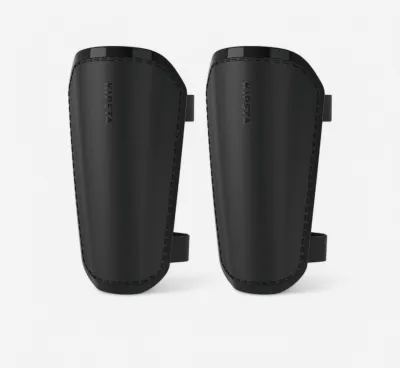
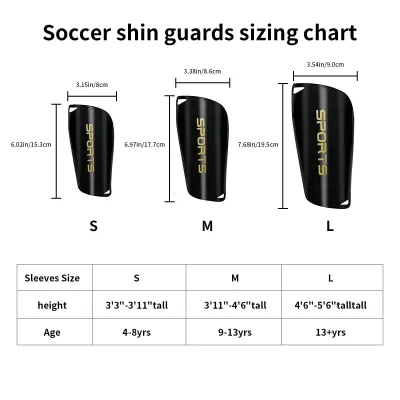
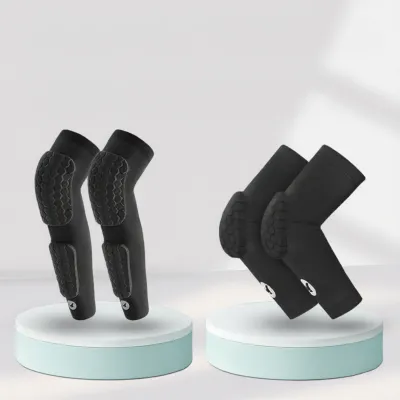
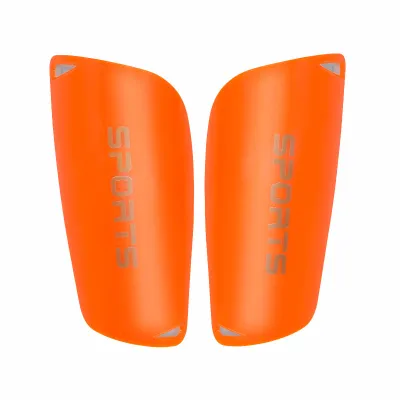
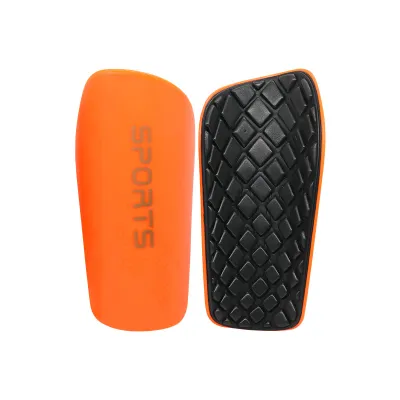
![[LIXIAOJU] 1 Pair Football Shin Pads Plastic Soccer Guards Leg Protector For Kids Adult Protective Gear Breathable Shin Guard](https://img.lazcdn.com/g/p/f52c3623ee73e7c1da37f4adeeff4230.jpg_400x400q80.jpg_.webp)
Prices are valid at publication and may change. Please refer to the product page for the latest price.
Ankle shin guards feature a hard protective shell combined with padded fabric extensions that wrap around the ankle bones, often secured by a stirrup strap under the foot. This design provides the most comprehensive coverage, shielding both the shin bone and the vulnerable lateral and medial malleolus (the bony bumps on the sides of the ankle). Because young children and beginners are still developing their coordination, accidental kicks to the ankle area are highly common, making this robust style an excellent starting point.
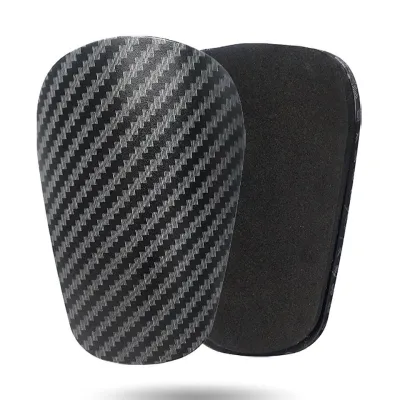
Slip-in shin guards consist of a simple, lightweight protective plate with no attached straps or ankle support. These plates are designed to slide directly under the soccer sock, relying on the compression of the sock or specialized athletic tape to stay in place. While slip-ins offer the highest level of mobility and are favored by older, more agile players, they provide no protection for the ankle joints and require a tight, secure sock fit to prevent shifting during active play.
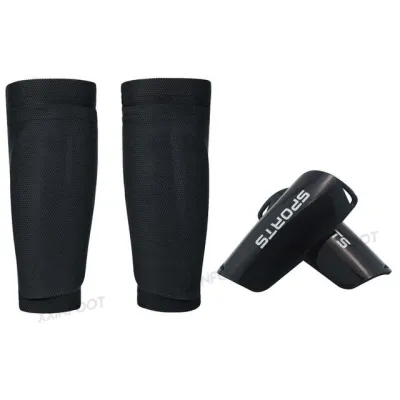
Sleeve or strap-on guards offer a middle ground, utilizing either integrated elastic straps with hook-and-loop fasteners or separate fabric compression sleeves to hold the protective plate securely against the shin. The sleeve system is particularly popular because it distributes pressure evenly across the calf muscle, reducing the risk of localized chafing that can occur with narrow elastic straps. This style provides reliable shin protection without the added bulk and weight of ankle padding.
| Shin Guard Type | Weight | Protection Level | Ideal User Profile |
|---|---|---|---|
| Ankle Guards | Heavy / Bulky | High (Shin & Ankle) | Toddlers, beginners, and defensive players |
| Slip-in Guards | Very Lightweight | Moderate (Shin only) | Intermediate to advanced players, midfielders, and forwards |
| Sleeve / Strap-on | Lightweight to Medium | Moderate to High | Active youth players seeking secure fit without ankle bulk |
Choosing between these styles requires weighing the trade-off between maximum coverage and athletic mobility. While a parent’s natural instinct may be to purchase the bulkiest, most protective guard available, an overly restrictive guard can hinder a child’s running stride and ball control. Conversely, an ultra-lightweight slip-in guard may not offer sufficient protection for a young beginner who is frequently involved in chaotic, multi-player scrambles for the ball.
Key Sizing and Fit Guidelines
An improperly fitted shin guard cannot perform its protective function effectively and may even cause discomfort or injury. If a guard is too large, it will slide down, bite into the ankle bone, or press against the kneecap when the child bends their leg. If it is too small, it will leave significant portions of the shin bone exposed to direct impacts. Parents should never rely solely on generic age labels on packaging, as children of the same age can vary drastically in height and bone structure.

To determine the correct size, parents should measure the child’s leg using a flexible measuring tape while the child is seated with their feet flat on the floor and knees bent at a 90-degree angle. Measure the distance along the front of the shin, starting from approximately one inch (2.5 centimeters) below the kneecap down to about one inch above the ankle bone. This measurement represents the ideal length of the hard protective shell.
Once you have this measurement, compare it directly to the manufacturer’s specific sizing chart, which typically correlates shell length with player height. When trying on the guards at home or in a local sports store, verify that the guard covers at least 50% to 60% of the distance between the ankle and the knee. The top of the guard must sit comfortably below the knee joint so that it does not interfere with running, kicking, or bending the leg.
To verify the fit, have your child perform a series of movements, including high knees, lunges, and quick lateral steps. Observe whether the guard shifts, slides, or pinches the skin. If the guard rotates easily around the leg or slides downward during these basic movements, it is either too large or requires a more secure fastening system. A properly fitted guard should feel like a natural extension of the leg, remaining firmly in place without restricting circulation.
Evaluating Materials and Comfort Features
The protective capability of a shin guard depends heavily on its construction materials, which must absorb and disperse impact forces while remaining lightweight. The outer shell is typically constructed from durable thermoplastic polymers such as polypropylene (PP). Polypropylene is highly favored for youth sports because it is rigid enough to resist cracking under impact, yet flexible enough to contour slightly around the natural curve of the shin bone.
Behind the hard outer shell lies the inner padding, which is responsible for shock absorption and cushioning the leg against the force of a kick. Ethylene-Vinyl Acetate (EVA) foam is the industry standard for this layer. High-quality guards often feature dual-density EVA foam, which utilizes a firmer outer layer to absorb the initial shock and a softer, more compliant inner layer that rests comfortably against the child’s skin.
In the hot and humid climate of the Philippines, heat dissipation and moisture management are critical comfort factors. Sweat accumulation under a solid plastic shell can lead to severe skin irritation, heat rashes, and bacterial growth. To combat this, parents should look for shin guards designed with molded ventilation channels on the inner foam backing. These channels allow air to circulate and provide a pathway for sweat to drain away from the skin.
Additionally, look for guards that feature perforated outer shells and moisture-wicking fabric liners. Perforations allow trapped heat to escape, while advanced fabric liners pull sweat away from the skin to accelerate evaporation. If your child has sensitive skin, consider sleeve-style guards where the protective plate is housed inside a breathable mesh sleeve, preventing direct contact between the plastic or foam and the skin.
Matching Guards to Player Age and Skill Level
As children grow and progress in their soccer journey, their physical needs and the nature of the game change significantly. A conditional framework based on age and skill level can help parents select the most appropriate level of protection for their child’s current playing environment.
For toddlers and early beginners (typically ages 4 to 7), the primary goal is to build confidence on the field while protecting vulnerable joints. At this stage, players have limited spatial awareness, and games often resemble a crowded pack chasing the ball, leading to frequent accidental kicks to the shins and ankles. Lightweight ankle guards are highly recommended for this group, as they provide stable, non-slip protection that covers both the shin and the ankle bones, allowing young players to focus on learning the basics without fear of painful knocks.
For intermediate youth players (typically ages 8 to 12), gameplay becomes more structured, and players begin to develop specific positions and faster running speeds. At this level, the bulk and weight of ankle guards can begin to restrict movement and hinder ball control. Transitioning to sleeve-style guards or strap-on guards without ankle attachments allows for greater ankle mobility and faster footwork, while still providing robust protection for the front of the shin.
For competitive or older youth players (ages 12 and up), matches are played at a much higher intensity, and impacts can be significantly stronger. These players generally prefer lightweight, high-performance slip-in guards paired with compression sleeves. This configuration minimizes weight and bulk, allowing for maximum speed and a clean feel on the ball. At this stage, positional needs also play a role: defensive players may opt for slightly larger, thicker guards for maximum protection during hard tackles, while forwards and wingers typically prioritize the lightest, most streamlined options available.
Pre-Purchase Checklist and Safety Verification
Before making a final purchase, whether at a local sporting goods store in the Philippines or through an online marketplace, parents should perform a thorough quality and safety check. This verification process ensures that the selected gear is safe, durable, and offers genuine value for money.
First, inspect the packaging or product specifications for visible quality marks or safety compliance labels. Look for recognized standards such as the CE mark (European conformity) or NOCSAE certification (National Operating Committee on Standards for Athletic Equipment). These labels indicate that the shin guards have undergone standardized impact testing to verify that they can adequately disperse forces and resist cracking under pressure.
Second, compare prices across local sports retailers and reputable e-commerce platforms to find reliable value. Quality youth shin guards generally range from approximately ₱300 for basic strap-on models to ₱1,500 or more for advanced sleeve systems. Avoid purchasing ultra-cheap, unbranded guards from unknown online sellers; these products often use brittle, low-grade plastics that can shatter upon impact, potentially creating sharp edges that could cause severe lacerations.
Third, if purchasing from an online store, always verify the seller’s return and exchange policies. Because precise fit is critical for safety, you may need to exchange the guards for a different size once your child tries them on at home. Ensure the retailer allows hassle-free returns for sizing adjustments.
Finally, perform a physical inspection of the guards before their first use on the pitch. Run your fingers along the edges of the plastic shell to ensure there are no sharp plastic burrs or rough seams that could cause painful chafing. Check the elasticity of the straps or sleeves, ensuring the stitching is secure and the hook-and-loop fasteners grip tightly. If any component appears frayed, weak, or poorly finished, return the product immediately for a replacement.
Frequently Asked Questions (FAQ)
How often should kids' shin guards be replaced?
Kids’ shin guards are not permanent equipment and must be replaced regularly to ensure ongoing safety. Parents should inspect the guards at the start of every season for visible signs of wear and tear. If you notice any cracks, deep stress fractures, or areas where the plastic shell has turned white from bending, the guard must be replaced immediately, as its structural integrity has been compromised and it can no longer safely disperse impact forces.
Additionally, check the condition of the inner foam padding. If the EVA foam has become permanently compressed, brittle, or is starting to crumble, its ability to absorb shock is severely reduced. You must also replace the guards if the elastic straps have lost their stretch, the fasteners no longer hold securely, or if your child has outgrown the guards, leaving a significant portion of the shin bone exposed.
Can kids wear shin guards without soccer socks?
No, children should never wear shin guards without soccer socks during training or matches. From a regulatory standpoint, standard youth soccer league rules and official match guidelines strictly mandate that shin guards must be fully covered by long soccer socks at all times. This rule is designed for safety, preventing loose guards from flying off during a collision and potentially injuring other players on the field.
From a comfort and hygiene perspective, wearing shin guards directly against bare skin can cause severe friction, leading to painful blisters, chafing, and skin irritation, especially in hot and humid weather. Soccer socks provide the necessary compression to hold slip-in guards and sleeves securely in place, while also acting as a barrier that absorbs sweat and protects the skin from direct contact with plastic and foam materials.
Community discussion
Share your experience or ask a question. Comments are reviewed before publication.