
Finding the ideal shoulder compression sleeve for basketball in the Philippines requires balancing joint stability with heat management. On local outdoor courts and humid indoor gyms, a sleeve must do more than just compress; it must breathe. The best sleeve for your game is one that provides targeted compression to support your rotator cuff and deltoids while actively pulling sweat away from your skin. It should feel like a second skin, allowing you to rise for a jump shot or reach for a rebound without feeling restricted or overheated.
Because there is no single brand that fits every player perfectly, the selection process comes down to verifying specific material properties, sizing accuracy, and design features. You need to look for lightweight, moisture-wicking fabrics equipped with anti-slip mechanisms that can withstand the intense humidity of the local climate. By focusing on how a sleeve manages sweat, fits your unique body measurements, and matches your physical needs, you can find a protective accessory that enhances your confidence on the court.
Why Basketball Players Need Shoulder Compression and Support
Basketball is a sport defined by explosive, multi-directional movements that place immense stress on the shoulder joint. The shoulder is the most mobile joint in the human body, relying heavily on surrounding muscles, tendons, and ligaments for stability. When you constantly shoot, block, and contest rebounds, your rotator cuff muscles work overtime to keep the joint centered. Over the course of a long game or a multi-game tournament, this repetitive overhead action leads to muscle fatigue, which can compromise your shooting form and increase the risk of micro-tears.
Products mentioned in this guide
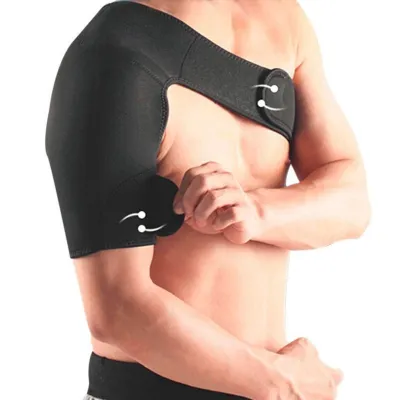
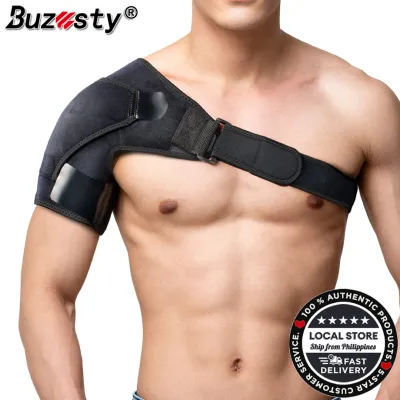
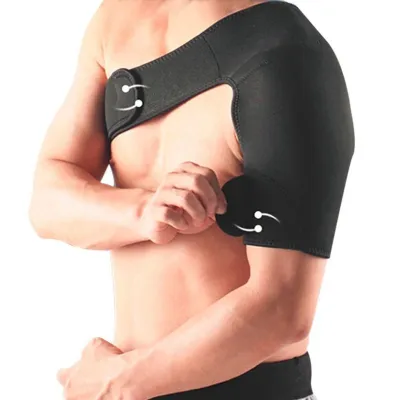
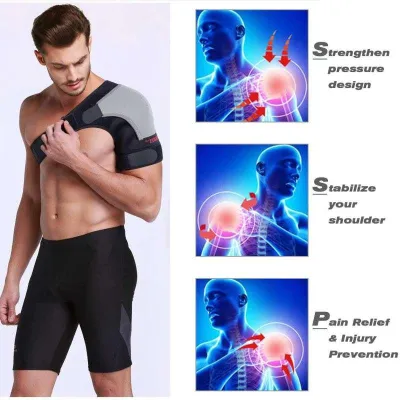
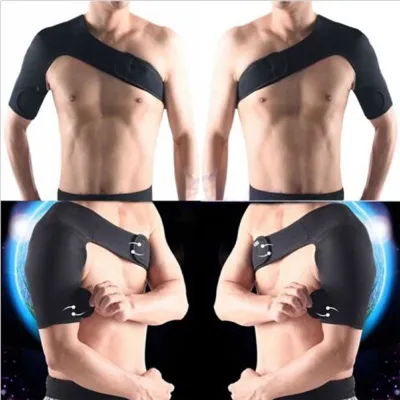
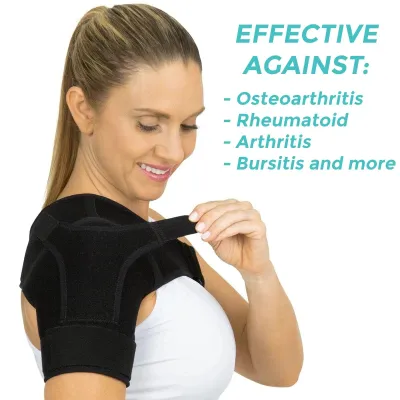
Prices are valid at publication and may change. Please refer to the product page for the latest price.
Physical contact is another inevitable reality of basketball, especially when driving through a crowded paint or fighting for position under the rim. Minor bumps, floor falls, and defensive collisions can cause localized bruising or sudden jarring forces to the shoulder girdle. A compression sleeve provides a layer of defense against these minor impacts, helping to minimize direct skin friction and minor bruising while keeping the surrounding muscles tightly supported.
Furthermore, maintaining joint warmth is crucial for muscle efficiency and injury prevention. During breaks on the bench or halftime intervals, muscles can cool down rapidly, especially in air-conditioned indoor venues or during breezy evening games outdoors. A quality compression sleeve helps retain therapeutic warmth in the shoulder muscles, promoting continuous blood flow and keeping the joint primed for action when you check back into the game. This consistent temperature regulation is key to managing muscle stiffness and accelerating active recovery between quarters.
Key Features to Look for in a Tropical Climate
Playing basketball in the Philippines presents a unique environmental challenge: high ambient temperatures combined with intense relative humidity. In these conditions, standard neoprene or heavy elastic sleeves can quickly turn into heat traps, causing excessive sweating, skin irritation, and severe discomfort. To maintain peak performance, you must prioritize advanced moisture-wicking fabrics, such as nylon-spandex or polyester-spandex blends, which actively draw sweat away from your skin to the outer layer of the fabric where it can evaporate quickly.

Airflow is your primary defense against overheating on the court. Look for shoulder sleeves that incorporate integrated mesh panels or perforated ventilation zones, particularly around the armpit and upper back areas where heat tends to accumulate. These breathable zones allow fresh air to circulate, helping to regulate your body temperature during intense defensive runs or fast breaks. A well-ventilated sleeve ensures that you remain focused on the game rather than the distracting sensation of trapped heat.
Sweat also introduces the problem of slippage. When you sweat heavily, a standard sleeve can lose its grip and begin to slide down your arm, requiring constant adjustments that disrupt your rhythm. To prevent this, look for sleeves equipped with medical-grade, anti-slip silicone wave strips along the inner bands of the bicep and chest straps. These silicone grips lock the sleeve securely against your skin without causing irritation, ensuring the support remains exactly where you need it throughout all four quarters.
Finally, the overall construction of the sleeve should be lightweight and low-profile. Heavy, bulky designs can alter your natural shooting mechanics or feel restrictive under your jersey. A lightweight, thin-profile sleeve offers the necessary compression without adding unnecessary bulk, allowing you to maintain a fluid, natural shooting pocket and unrestricted defensive lateral movement.
Matching Compression Levels to Your Needs
Compression gear is not one-size-fits-all; the level of support you require depends heavily on your current physical condition and goals. Mild compression sleeves are designed primarily for daily wear, light training, and general muscle warmth. These sleeves offer a gentle squeeze that enhances localized blood circulation, helping to alleviate minor muscle soreness and stiffness from previous workouts. If you are looking for a basic layer to keep your shoulder warm and responsive during casual pickup games, a mild compression sleeve is often the most comfortable choice.
Moderate compression sleeves provide a higher level of structural support and joint stability. This level of compression is ideal for active play, as it enhances proprioception—your brain’s awareness of your joint’s position and movement in space. Improved proprioception helps you maintain proper shoulder alignment during high-impact movements, reducing the likelihood of awkward landings or overextension. If you are recovering from a minor strain or want extra reassurance during competitive league games, moderate compression offers the right balance of stability and mobility.
For players recovering from significant injuries, such as rotator cuff tears, labrum issues, or recent subluxations, medical-grade compression or sleeves with targeted strap systems may be necessary. These advanced designs feature adjustable chest and shoulder straps that allow you to customize the tension and limit specific ranges of motion. However, because high-level restriction can alter your movement patterns, you should always consult a physical therapist or sports physician to verify if a structured strap system is appropriate for your specific rehabilitation stage.
Sizing and Fit: Ensuring Proper Support Without Restriction
The effectiveness of a shoulder compression sleeve depends entirely on achieving a precise fit. A sleeve that is too loose will fail to provide any therapeutic compression or joint stability, essentially functioning as an expensive piece of fabric. Conversely, a sleeve that is too tight can restrict arterial blood flow, pinch nerves, and severely limit your range of motion, which can negatively impact your shooting form and overall performance.
To find your correct size, you must take accurate physical measurements using a soft, flexible tape measure. Stand in a relaxed position and measure the circumference of your chest at its widest point, just under the armpits. Next, measure the circumference of your bicep at its largest point, keeping your arm relaxed at your side. Some manufacturers also require a measurement across the top of your shoulders from one acromion process to the other. Write these numbers down in centimeters and inches, as sizing standards can vary significantly between brands.
Never rely on your standard t-shirt or athletic apparel size when purchasing a compression sleeve. A player who wears a large jersey might require a medium or extra-large sleeve depending on their specific shoulder-to-chest ratio. Always consult the manufacturer’s detailed sizing chart and compare your exact measurements to their recommended ranges. If your measurements fall directly between two sizes, it is generally safer to choose the larger size if you plan to use it for active play, or the smaller size if you require maximum, stationary compression for recovery.
When trying on a new sleeve, pay close attention to how your body responds during the first few minutes of wear. Perform a few practice shooting motions, reach overhead as if grabbing a rebound, and swing your arms laterally. If you experience any numbness, tingling, or coldness in your fingers, the sleeve is too tight and must be removed immediately to prevent nerve compression. Other signs of a poor fit include fabric bunching in the armpit, deep red marks on your skin after removal, or a noticeable restriction in your ability to raise your arm fully.
Evaluating Options: A Checklist for Online Shoppers
When browsing e-commerce platforms or local sports stores in the Philippines, the sheer volume of options can be overwhelming. To make an informed decision without relying on unverified brand claims, you should use a systematic evaluation checklist. First, carefully inspect the material composition label listed in the product description. Ensure the sleeve is made of high-quality synthetic fibers like nylon and spandex, and verify if the product is latex-free if you have sensitive skin or a known latex allergy.
Next, dive deep into the user reviews, paying close attention to feedback from buyers who play high-intensity sports in tropical climates. Look for specific mentions of how the sleeve handles heavy sweat, whether the silicone grips hold up over time, and if the fabric retains its elasticity after multiple washes. Reviews that mention “no slipping during basketball” or “breathable in hot gyms” are highly valuable indicators of real-world performance.
It is also essential to check the seller’s return and exchange policies before finalizing your purchase. Because achieving the perfect fit can be difficult on the first try, buying from a seller that offers hassle-free size exchanges ensures you are not stuck with an unusable product. Look for authorized local distributors or official brand stores on online marketplaces to minimize the risk of purchasing counterfeit goods that lack proper compression standards.
Finally, compare prices in ₱ while factoring in shipping costs and potential import duties. While it can be tempting to opt for the cheapest available option, extremely low-priced sleeves often utilize low-grade elastic that stretches out permanently after just a few uses. Invest in a mid-range or premium sleeve that offers a clear balance of material quality, positive user feedback, and a reliable warranty or exchange policy to ensure long-term value.
Care and Maintenance for Longevity
A high-quality shoulder compression sleeve is an investment in your athletic longevity, and proper care is required to maintain its performance characteristics. Sweat, body oils, and court dust can accumulate in the fabric fibers, breaking down the elastic spandex and degrading the anti-slip silicone grips over time. To prevent this, you should clean your sleeve after every single use, rather than letting it sit damp in your gym bag where bacteria can multiply.
Hand washing is the gentlest and most effective method for preserving the life of your compression gear. Fill a basin with cool or lukewarm water and add a small amount of mild, liquid sports detergent. Gently submerge the sleeve, agitating it by hand to work the soapy water through the fibers, and pay special attention to the underarm area and the silicone grip strips. Rinse thoroughly with cold water until all soap residue is completely removed, as leftover detergent can irritate your skin during your next game.
If you must use a washing machine, always place the sleeve inside a mesh garment bag to protect it from snagging on zippers, buttons, or the machine’s agitator. Select a delicate or gentle cycle with cold water and use a mild detergent. Never use bleach, fabric softeners, or strong chemical stain removers; fabric softeners leave a thin coating on the fibers that clogs the moisture-wicking pores and permanently degrades the elasticity of the spandex.
When it comes to drying, keep your compression sleeve far away from the tumble dryer. The high heat of a dryer will melt or warp the delicate elastic fibers and cause the silicone grips to peel off. Instead, gently squeeze out excess water—never wring or twist the fabric forcefully—and lay the sleeve flat on a clean towel. Air dry the sleeve in a well-ventilated indoor area or in the shade; avoid hanging it in direct, harsh sunlight, as ultraviolet rays can accelerate the breakdown of synthetic materials.
When to Stop and Consult a Professional
While a shoulder compression sleeve is an excellent tool for managing minor discomfort and enhancing joint awareness, it is not a cure-all. It is vital to recognize the physical limits of protective gear and understand when your body requires professional medical attention. You must be able to distinguish between normal, manageable muscle soreness from a hard workout and sharp, localized, or structural joint pain that indicates an underlying injury.
Compression sleeves work by providing external support and improving blood flow, but they cannot repair structural damage such as torn ligaments, labral tears, or bone instability. If you experience a sudden, sharp pain during a game, hear a distinct popping or clicking sound in your shoulder, or feel the joint slipping out of its socket, you must stop playing immediately. Continuing to play with a compromised joint, even while wearing a high-end sleeve, can lead to severe, long-term damage.
If you experience persistent shoulder instability, chronic pain that does not improve with rest, or swelling that lasts for several days, schedule an appointment with a sports medicine physician or a licensed physical therapist. These professionals can perform diagnostic tests, identify the root cause of your discomfort, and design a targeted rehabilitation program. Remember that a compression sleeve should only be used as a supportive aid alongside proper strength training, conditioning, and professional medical guidance.
Frequently Asked Questions (FAQ)
Can I wear a shoulder sleeve on both shoulders during a game?
Yes, you can wear compression sleeves on both shoulders if you feel it benefits your performance or recovery. However, you must ensure that wearing bilateral sleeves does not restrict your natural range of motion, particularly on your non-dominant side which is crucial for balance, defensive positioning, and rebounding. Before wearing them in official games, check your local league or tournament regulations, as some organized competitions have strict rules regarding uniform colors, visible medical gear, and matching accessories.
Does a shoulder compression sleeve prevent dislocations?
No, a standard shoulder compression sleeve cannot prevent traumatic joint dislocations. While a sleeve improves proprioception and provides mild to moderate muscle support, it lacks the rigid structural components required to stop a high-impact force from displacing the shoulder joint. If you have a history of shoulder subluxations or dislocations, you require a specialized, rigid medical brace and a targeted rotator cuff strengthening program prescribed by a physical therapist, rather than a standard compression sleeve.
How tight should the sleeve feel when I first put it on?
When you first put on a shoulder compression sleeve, it should feel snug, secure, and supportive, similar to a firm hug around your joint. It should apply even pressure across your shoulder, chest, and upper arm without digging painfully into your skin or armpit. If you feel any tingling, numbness, or coldness in your arm or hand, or if you cannot raise your arm to shoot without significant resistance, the sleeve is too tight and you should immediately switch to a larger size.
Community discussion
Share your experience or ask a question. Comments are reviewed before publication.