
Matching your discomfort to the correct style of ankle support for pain is the most critical step in restoring mobility and preventing long-term joint damage. Whether you are dealing with a minor ache after a long walk or recovering from a severe ligament tear, the market offers a wide array of options ranging from simple elastic sleeves to highly restrictive rigid braces. Choosing the wrong type can lead to a false sense of security, skin irritation, or even further injury if a weak joint is left unprotected during high-impact activities.
It is essential to understand that an ankle support is a tool designed to manage symptoms and assist recovery, rather than a permanent cure for underlying structural issues. Compression sleeves and light wraps work primarily by retaining heat, improving local blood circulation, and enhancing proprioception—your brain’s awareness of the joint’s position in space. Conversely, structured braces physically limit lateral movement to prevent the ankle from rolling or twisting. While these devices are highly effective for daily management and athletic protection, they should always complement, not replace, a professional medical diagnosis and a targeted rehabilitation program.
How to Assess Your Ankle Pain and Severity Level
Before selecting a support, you must accurately evaluate your current physical state. Ankle pain generally falls into three distinct categories based on observable symptoms, daily functional limitations, and how the joint responds to weight-bearing activities.
Products mentioned in this guide
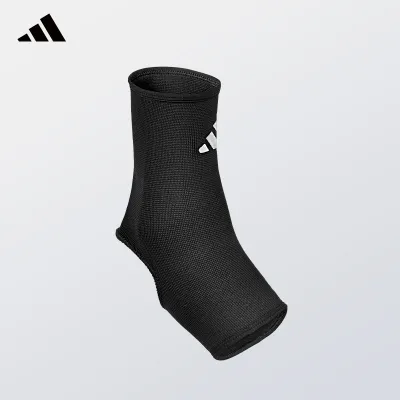
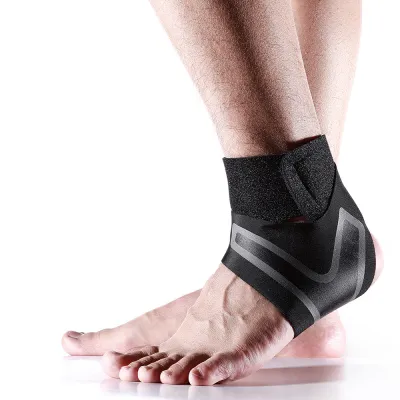
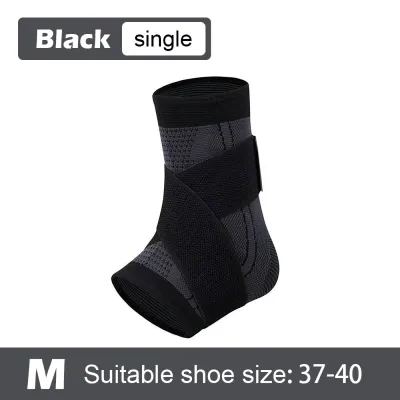
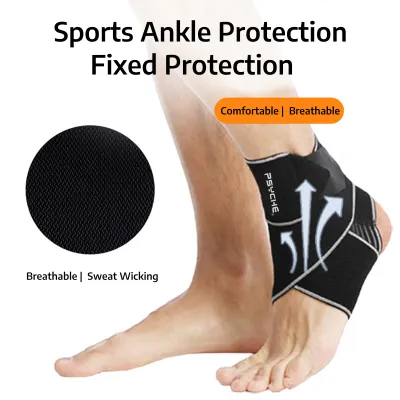
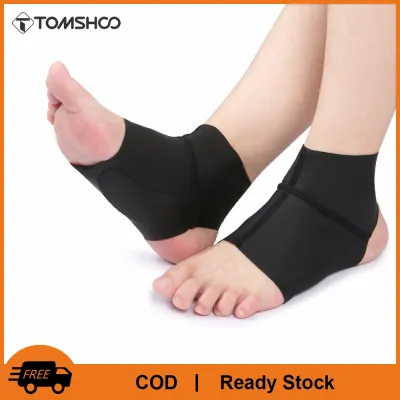
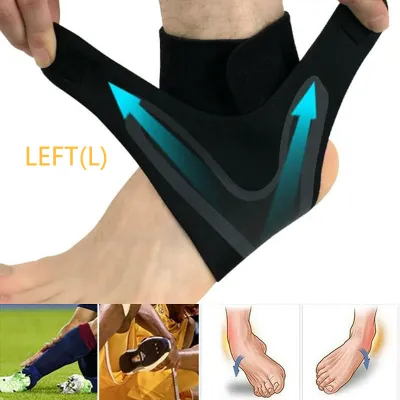
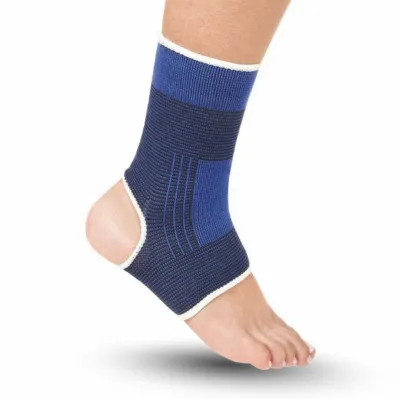
Prices are valid at publication and may change. Please refer to the product page for the latest price.
Mild Discomfort and Muscle Fatigue
This level is characterized by a dull, diffuse ache that typically sets in after prolonged standing, walking, or sports activities. You might experience minor stiffness in the morning that gradually fades as you move around. There is no visible swelling, bruising, or loss of joint stability, and you retain a full, pain-free range of motion when rotating your foot. Mild discomfort often stems from minor muscle fatigue, early-stage tendonitis, or mild osteoarthritis.
Moderate Pain and Functional Instability
Moderate pain is sharper and more localized, often triggered by specific movements like stepping off a curb or walking on uneven surfaces. You will likely notice mild to moderate swelling around the lateral ankle bone, accompanied by faint bruising. A key indicator of moderate instability is the sensation of the ankle “giving way” or feeling loose during lateral movements. This state is common when recovering from a Grade 1 or Grade 2 sprain, where the ligaments have been stretched or partially torn.
Severe Pain and Structural Laxity
Severe cases involve an immediate and complete inability to bear weight on the foot. The ankle typically exhibits significant swelling, deep purple bruising that extends toward the toes, and visible joint misalignment or deformity. You may feel constant, throbbing pain even at rest, and the joint feels entirely unstable, as if it cannot support your body weight at all. This level of severity points to a complete ligament rupture (Grade 3 sprain), an underlying fracture, or chronic joint laxity requiring immediate clinical attention.
To help determine where you stand, perform a simple, low-risk balance check if your pain permits. Stand near a sturdy wall or table for safety, lift your uninjured foot, and attempt to balance on the affected ankle for ten seconds. If you can hold this position with only minor soreness, your condition is likely mild. If you experience sharp pain or find yourself wobbling excessively and needing to grab the wall, your instability is moderate. If you cannot even attempt to stand on one leg due to intense pain, your injury is severe and requires professional medical evaluation before you use any retail support.
Matching the Right Ankle Support to Your Pain Level
Once you have categorized your pain and stability level, you can match your needs to one of the three primary categories of ankle supports. Each type utilizes distinct materials and structural designs to address specific recovery phases and activity demands.

Ankle Sleeves for Mild Pain and Joint Warmth
Ankle sleeves are lightweight, pull-on elastic or knit garments designed to slide directly over the foot. They are highly effective for managing mild soreness, minor arthritis flare-ups, or providing preventive compression during fitness routines. By applying gentle, uniform pressure across the entire joint, a sleeve helps reduce minor fluid retention and keeps the surrounding tendons warm and pliable.
Because sleeves lack straps, stays, or plastic inserts, they do not offer mechanical protection against lateral ankle rolling. Instead, their primary benefit is the enhancement of proprioceptive feedback. The constant sensory contact of the fabric against your skin helps your nervous system better coordinate muscle activation, which naturally improves balance.
In the hot and humid climate of the Philippines, material choice is paramount. Heavy neoprene sleeves tend to trap sweat and heat, which can quickly lead to skin maceration, chafing, or fungal infections like athlete’s foot. For tropical conditions, look for sleeves made from breathable, moisture-wicking circular-knit fabrics or bamboo-infused fibers. These materials allow rapid sweat evaporation and fit comfortably inside standard shoes without causing excessive heat buildup.
Ankle Wraps and Lace-Up Braces for Moderate Sprains
For moderate pain, recovering Grade 1 or 2 sprains, or activities requiring moderate lateral stability, adjustable wraps and lace-up braces are the standard choice. These supports allow you to customize the level of compression and structural tension based on your current swelling levels and comfort.
- Elastic Wraps: These utilize a long, stretchable strap that you wind around the ankle in a figure-eight pattern. This design mimics professional athletic taping, allowing you to apply tighter compression over areas of localized swelling while keeping the rest of the foot comfortable.
- Lace-Up Braces: Constructed from durable, non-stretch materials like heavy-duty nylon, these braces feature a front lacing system combined with velcro straps that wrap around the heel. They offer a much higher level of mechanical support than simple wraps, physically restricting the side-to-side movement that can re-injure healing ligaments.
The primary trade-off with these mid-tier supports is bulkiness. A highly supportive lace-up brace will inevitably change how your shoe fits. To accommodate the brace comfortably without creating painful pressure points, you will likely need to loosen your shoe laces significantly, remove the shoe’s stock insole, or temporarily wear a wider athletic shoe.
Rigid and Hinged Braces for Severe Instability and Recovery
When dealing with severe instability, chronic ligament laxity, or the post-operative recovery phase, you require maximum mechanical protection. Rigid and hinged braces are engineered to physically block the dangerous inward (inversion) and outward (eversion) movements that cause severe sprains, while still permitting normal up-and-down walking motion.
These braces feature rigid plastic or composite side guards that run up both sides of the ankle, secured by heavy-duty velcro straps. Higher-end models incorporate a physical hinge at the ankle joint. This design is highly favored by athletes returning to high-impact sports like basketball or volleyball, as it protects the compromised ligaments from rolling on concrete or wooden courts without completely sacrificing running and jumping mobility.
Rigid braces are highly specialized and bulky. They are typically worn over a thick sock to prevent the plastic guards from rubbing against the skin, and they require spacious athletic footwear to fit properly. Because these devices heavily restrict natural joint movement, they should generally be used under the guidance of a physical therapist or orthopedic specialist to ensure they do not alter your walking gait or cause secondary knee or hip strain over time.
When to Skip the Brace and See a Doctor Immediately
While an over-the-counter ankle support is a valuable tool for daily management, attempting to self-treat a severe injury with a brace can lead to permanent joint weakness, chronic instability, or improper bone healing. You must bypass self-treatment and seek immediate professional medical attention if you experience any of the following red flag symptoms:
- An absolute inability to take four steps immediately after the injury and at the time of evaluation, even with a limp.
- A visible deformity, unusual angle, or obvious dislocation of the ankle joint.
- Numbness, tingling, or a "pins and needles" sensation in your foot, toes, or lower leg, which indicates potential nerve compression.
- The foot or toes appearing pale, blue, or feeling cold to the touch, suggesting compromised blood circulation.
- A distinct, loud popping or cracking sound heard or felt at the exact moment of the injury, which often points to a complete ligament rupture or bone fracture.
- Severe, throbbing pain that does not subside or improve after 48 hours of rest, ice, compression, and elevation.
Masking these severe symptoms with a tight brace to force yourself through work or sports activities is highly dangerous. Doing so can turn a clean, treatable micro-fracture into a displaced fracture, or cause stretched ligaments to heal in a loose, elongated state, leaving you with permanent ankle instability.
How to Ensure a Proper Fit and Safe Daily Usage
To get the maximum therapeutic benefit from your ankle support while protecting your skin and joint health, you must follow proper fitting, hygiene, and usage protocols.
Accurate Sizing
Never select an ankle support based solely on your shoe size, as shoe sizing does not account for joint width or swelling. Instead, use a flexible soft tape measure to find the exact circumference of your ankle. Measure around the turn of your heel and over the instep of your foot, as well as the area just above your ankle bones. Compare these precise measurements against the manufacturer’s specific sizing chart, which can vary significantly between brands.
Footwear Integration
Always test your new ankle support with the specific shoes you plan to wear during your daily activities or sports. Ensure there is enough room in the toe box and midfoot to prevent the toes from being squeezed, which can restrict blood circulation. If you experience localized pinching or rubbing along the seams of the brace, adjust the strap tension or wear a slightly thicker, moisture-wicking sock to act as a protective barrier.
Hygiene and Tropical Care
In humid climates, sweat and dead skin cells quickly accumulate inside the fabric of your ankle support, creating an ideal breeding ground for bacteria and mold. Wash your support at least twice a week using mild, hypoallergenic soap and cool water. Avoid using harsh detergents, bleach, or fabric softeners, as these can degrade the elastic fibers and plastic components. Always air-dry the support completely in a well-ventilated area away from direct sunlight; never place it in a mechanical dryer, which can warp the structural materials.
Weaning Off and Rehabilitation
Do not allow your ankle to become physically dependent on a supportive brace. While braces are invaluable during acute recovery or high-stress sports, wearing them constantly during low-impact daily activities can cause the stabilizing muscles of your lower leg to weaken. As your pain subsides and your joint stability improves, gradually reduce the amount of time you wear the brace. Transition from a rigid brace to a light sleeve, and eventually to no support at all, while concurrently performing targeted ankle strengthening and balance exercises to rebuild your body’s natural defense system.
Frequently Asked Questions (FAQ)
Can I wear an ankle support all day for pain relief?
While lightweight, breathable compression sleeves can be worn for extended periods during daily tasks, you should not wear restrictive wraps or rigid braces all day. Prolonged use of highly supportive braces can restrict healthy blood circulation, irritate the skin, and lead to muscle atrophy. Limit the use of structured braces to times of physical activity, standing, or walking, and remove them completely when resting or sleeping.
Should I wear ankle support on both sides if only one hurts?
You should only wear an ankle support on the injured or painful side, unless a healthcare professional has specifically advised bilateral support for a systemic condition or high-risk athletic prevention. Unnecessarily restricting a healthy, pain-free ankle can alter your natural walking gait, causing your body to compensate unevenly and potentially leading to secondary pain in your knees, hips, or lower back.
Does wearing an ankle brace weaken the joint over time?
Using an ankle brace during the acute recovery phase or for temporary protection during high-impact sports will not weaken your joint. However, relying on a supportive brace for everyday, low-impact activities without performing rehabilitation exercises will cause the stabilizing muscles, such as the peroneals, to atrophy. To prevent joint weakness, always combine brace usage with a progressive routine of ankle mobility, strength, and balance training.
Community discussion
Share your experience or ask a question. Comments are reviewed before publication.