
Choosing the right Cybervelo e-bike for your daily commute in the Philippines requires a careful balance of battery capacity, motor performance, and frame design tailored to your specific route. With dense urban traffic, unpredictable tropical weather, and varied road conditions, selecting a model is not just about finding the fastest ride, but finding the most reliable and practical one. By analyzing your daily travel distance, the terrain you encounter, and your cargo requirements, you can identify the exact specifications needed to make your commute efficient and comfortable. Verifying these details directly with authorized local dealers ensures you invest in a model that fits both your daily routine and your budget.
Assess Your Daily Commuting Profile
Before diving into technical specifications or comparing different models, you must clearly define your daily commuting profile. Start by calculating your realistic round-trip distance, ensuring you include any regular detours for errands, grocery shopping, or social stops. You should also consider whether you have access to a secure charging outlet at your workplace, which can effectively double your daily riding range.
Next, evaluate the typical road surfaces and elevation changes along your route. Flat, well-paved urban grids demand quick acceleration to keep pace with stop-and-go traffic but place relatively low stress on the motor. Conversely, routes that involve climbing steep flyovers, navigating hilly provincial roads, or traversing poorly maintained streets with frequent potholes require a bike designed for durability and climbing power. Understanding these physical challenges beforehand prevents you from choosing an underpowered model.
Products mentioned in this guide
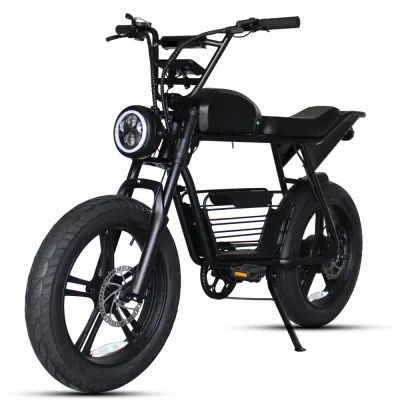
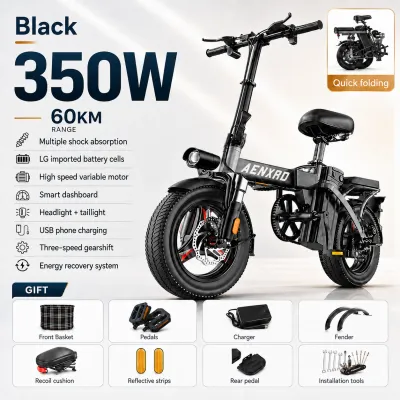
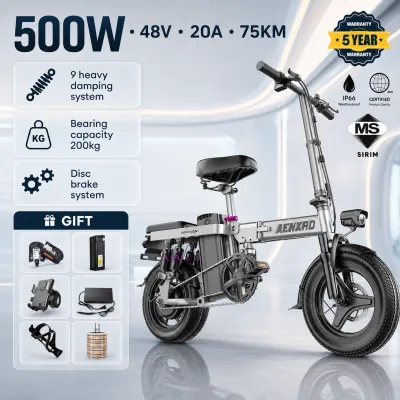
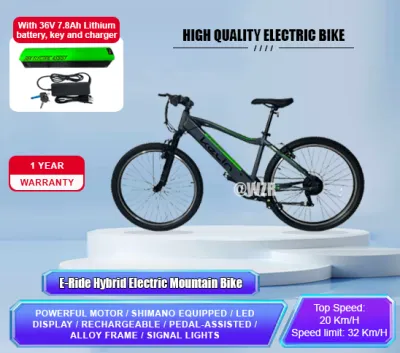
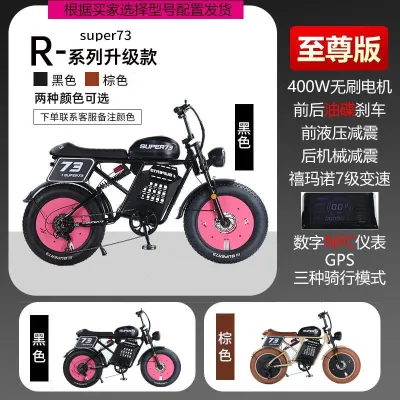
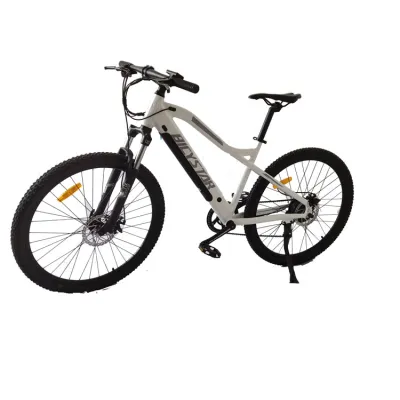
Prices are valid at publication and may change. Please refer to the product page for the latest price.
Finally, identify your specific cargo and passenger requirements. If your daily commute involves carrying a heavy laptop bag, a change of clothes, or groceries, you will need an e-bike with integrated racks or compatible mounting points. If you plan to transport a child to school, frame strength and passenger accessory compatibility become your top priorities. Defining these physical constraints early in the decision-making process ensures you select a frame style that safely accommodates your daily payload.
Matching E-Bike Specifications to Your Route
Once you have mapped out your commuting profile, you can translate those needs into specific technical requirements. Battery capacity, measured in Watt-hours (Wh), is the primary factor determining how far your e-bike can travel on a single charge. While manufacturers provide estimated ranges under ideal conditions, real-world range in tropical climates is often lower due to frequent stop-and-go traffic, heavy cargo, and the physical toll of riding in high humidity, which may cause you to rely more heavily on motor assistance. Selecting a battery with a higher Watt-hour rating provides a comfortable safety margin for your daily round trip.

The type of motor and its torque output are equally critical for handling local road conditions. Hub motors, which are integrated directly into the wheel, are highly efficient for flat city streets and offer smooth, reliable acceleration between traffic lights. For routes with steep inclines, flyovers, or rough terrain, mid-drive motors or high-torque hub motors are more suitable because they leverage the bike’s gears to climb efficiently without overheating.
Tire width and tread pattern also play a vital role in ride safety and comfort. Narrow, slick tires are fast on smooth pavement but offer little traction on wet roads or loose gravel. For local commutes, wider tires with a versatile tread pattern provide superior grip during sudden downpours and cushion the ride over potholes, uneven concrete joints, and steel construction plates. This added stability is crucial for maintaining control in dense traffic and reducing the risk of pinch flats.
Navigating Cybervelo Options Within Your Budget
Finding the right e-bike involves balancing your upfront budget against the long-term value of premium features. Entry-level configurations typically feature rigid frames, mechanical disc brakes, and basic display interfaces, making them highly cost-effective for short, flat commutes on well-maintained roads. Premium configurations often introduce front suspension forks, hydraulic disc brakes, integrated lighting systems, and advanced digital consoles. While these premium features increase the initial purchase price, they significantly improve ride comfort, stopping power, and safety on longer or more challenging routes.
Because pricing and model availability can fluctuate, you should always verify current ₱ pricing and specific component packages directly through official Cybervelo channels or authorized local dealers. Avoid relying on outdated online forums or unofficial listings, as specifications and promotional packages may change without notice.
Additionally, consider the long-term cost of ownership when planning your budget. Daily commuting in dusty, humid, or wet conditions accelerates the wear on components like brake pads, chains, and tires, which will require regular replacement. You should also factor in the eventual cost of battery replacement after several years of daily charging cycles. Verifying the availability and cost of these replacement parts, as well as the proximity of authorized service centers, helps ensure your e-bike remains a cost-effective transport solution over time.
Essential Gear and Accessories for Local Commutes
Equipping your e-bike with the right accessories is essential for staying safe, dry, and comfortable during your daily travels. Full-coverage fenders are a must-have accessory for blocking muddy water and road debris sprayed from the tires during sudden afternoon downpours. To protect your electronics, work documents, and spare clothing, invest in high-quality waterproof panniers or a waterproof backpack rather than relying on standard water-resistant bags.
Visibility is your primary line of defense when sharing busy roads with larger vehicles. Equip your e-bike with a high-lumen front headlight to illuminate poorly lit streets and spot potholes early during early morning or evening commutes. Complement this with a bright rear strobe light, active safety reflectors, and reflective apparel to ensure you remain clearly visible to motorists from all angles, especially during heavy rainstorms or low-light conditions.
Securing your e-bike when parking in public areas requires a robust, multi-layered security strategy. Use a heavy-duty U-lock or a hardened steel chain lock to secure the frame and rear wheel to permanent, immovable fixtures. For added peace of mind, consider hiding a GPS or Bluetooth tracking device within the e-bike’s frame or battery compartment to help monitor its location when left unattended in public parking zones.
Purchasing Channels and Pre-Delivery Checks
Where and how you purchase your e-bike significantly impacts your overall ownership experience and access to support. Buying from authorized physical showrooms allows you to test-ride different models, verify frame sizing, and receive professional assembly from trained technicians. While official brand websites and authorized online storefronts offer convenient delivery options, purchasing from unverified third-party online marketplaces carries risks, such as receiving counterfeit components, damaged goods, or lacking local warranty support.
Before accepting delivery or leaving the retail shop, perform a thorough physical inspection of the e-bike. Verify that the battery casing is undamaged, fits securely in its mount, and shows a full charge when connected. Test the motor response in a safe area to ensure smooth power delivery across all assistance levels, and check that the brakes are properly aligned, quiet, and highly responsive when applied.
Finally, secure all necessary documentation to protect your investment. Ensure the dealer provides an official receipt, a completed warranty card with matching frame and motor serial numbers, and clear instructions on how to register the product. Having this paperwork in order is essential for accessing local warranty service, replacement parts, and professional technical support at authorized service centers.
Frequently Asked Questions (FAQ)
Do I need a license or registration to ride an e-bike in the Philippines?
Operating an e-bike on public roads is subject to specific national and local regulations. Generally, low-speed electric bicycles equipped with pedals and limited to a maximum speed of 25 km/h do not require a driver’s license or vehicle registration. However, faster e-bikes with higher motor wattage may fall under different regulatory categories that require registration and specific licensing. Because local government units and municipal traffic management offices frequently implement their own ordinances, helmet mandates, and road restrictions, you should always check the current rules in your specific municipality to ensure full compliance.
How should I maintain the battery during the rainy season?
Protecting your e-bike’s battery from moisture is critical for maintaining its performance and lifespan during the wet season. After riding through rain or damp conditions, always dry the battery exterior, mounting dock, and charging ports thoroughly with a clean, dry cloth before plugging in the charger. Never charge a wet battery, as moisture can cause short circuits or damage the internal electronics. Store the battery in a cool, dry indoor location away from standing water and high humidity to prevent moisture buildup and preserve its overall health.
Community discussion
Share your experience or ask a question. Comments are reviewed before publication.