
Selecting the right racket at Decathlon depends on matching your current physical technique and playing frequency with the specific design characteristics of the equipment. Choosing a model that aligns with your actual skill level—rather than simply buying the most expensive option—ensures you have the right balance of forgiveness, control, and power to support your development on the court.
Assess Your Current Skill Level on the Court
To find the right gear, you must first objectively evaluate your current performance. Beginners typically focus on making clean contact with the ball, establishing basic stroke mechanics, and learning consistent footwork. If your primary goal during a rally is simply keeping the ball in play and you play occasionally, you fall into this introductory category.
Intermediate players have developed a more reliable stroke and can direct their shots with some intent. At this stage, you likely play regularly, understand basic tactical positioning, and have the physical conditioning to sustain longer rallies. In the Philippines, where many recreational matches are played on humid outdoor courts or community covered courts, physical conditioning plays a major role in how long you can maintain proper form. If you find yourself tiring quickly or losing your grip due to sweat, your equipment needs to support your physical limits. You might also notice your current racket feels too light, vibrates excessively, or fails to deliver the depth you need despite a full swing.
Products mentioned in this guide
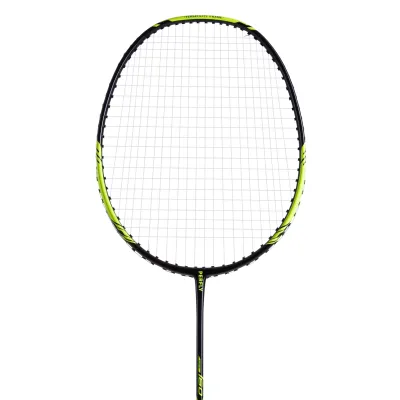
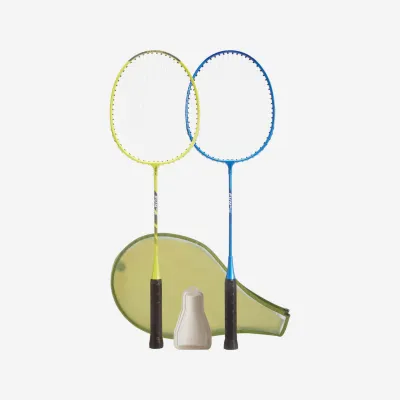
Prices are valid at publication and may change. Please refer to the product page for the latest price.
Advanced players possess refined technique, high physical stamina, and the ability to generate their own power and spin. If you are competing in local leagues or playing multiple times a week with high intensity, you require equipment that responds precisely to subtle adjustments in your wrist and swing path. Outgrowing your gear often manifests as a persistent feeling that the racket is holding back your power or failing to provide the precise control needed for tight target areas.
Matching Racket Specs to Your Diagnosed Level
Racket specifications directly influence how the frame behaves upon impact, creating distinct trade-offs between power, control, and comfort. In tennis, a larger head size provides a generous sweet spot, which helps absorb off-center hits and naturally generates more power. Heavier frames with a head-light balance offer greater stability and control for fast swings, but they require stronger wrist and shoulder conditioning to prevent fatigue under the humid, tropical conditions of local outdoor courts. Conversely, a head-heavy racket can help generate momentum on your groundstrokes but might feel sluggish at the net during quick volley exchanges.

For table tennis, the performance dynamics center on the blade construction and the rubber surface. Beginners benefit from slower, control-oriented blades and tackier, high-control rubbers that help absorb incoming spin. As you progress, intermediate and advanced bats incorporate stiffer wood plies or composite materials to increase ball speed, alongside high-tension rubbers designed to maximize spin generation. Handle shapes also matter; flared handles are highly popular for a secure grip during intense rallies, while straight handles allow for quick grip adjustments.
Ultimately, beginner equipment is engineered for forgiveness, allowing you to develop proper mechanics without being penalized for minor timing errors. Advanced gear, conversely, features smaller sweet spots, stiffer frames, and thinner beam profiles. These characteristics demand precise technique but reward consistent players with unmatched accuracy and feedback.
Decoding Decathlon's Skill-Level Tiering
Decathlon simplifies the selection process by organizing its sports gear into clear numerical series and skill-level tags. When browsing the shelves or online catalogs, look closely at the product naming conventions. Typically, lower-numbered series (such as those starting with 100 or 300) are designed for recreational and beginner use, while mid-range numbers (500 series) target intermediate players, and high-end numbers (900 series) are reserved for intensive, advanced play. This systematic approach allows you to quickly filter out models that do not match your current development stage.
Material composition is another reliable indicator of a racket’s tier. Entry-level tennis rackets often utilize lightweight aluminum or composite materials, which are highly durable and cost-effective but transmit more vibration. Intermediate and advanced models transition to full graphite or carbon fiber layups, which offer superior stiffness, vibration dampening, and energy transfer. In table tennis, look at the star ratings on pre-assembled bats or check the wood ply count; advanced options often feature specialized carbon layers that expand the sweet spot and increase ball speed.
Always verify the intended user profile directly on the manufacturer’s product label or specification sheet. Avoid assuming that a higher price tag automatically translates to a better playing experience for your specific needs. An advanced, stiff carbon racket will often feel unforgiving and difficult to control if your swing mechanics are still developing.
Final Fit Checks Before You Buy
Before finalizing your purchase, perform a few physical checks to ensure the racket matches your body and playing style. For tennis, selecting the correct grip size is essential to prevent wrist strain and blisters. A quick way to check this is the finger-test method: when holding the racket in a continental grip, you should be able to fit the index finger of your non-dominant hand comfortably in the gap between your ring finger and palm.
If you are shopping in-store, take a moment to hold the racket and mimic a few slow swings. Pay attention to how the weight is distributed; a racket that feels too head-heavy may tire your arm quickly during long sessions in warm weather. If purchasing online through an ecommerce platform, review the return and exchange policies to ensure you can swap the item if the grip size or weight feels incorrect upon arrival.
Lastly, inspect the ready-to-play components. For tennis rackets, check the factory string tension to ensure it matches your preference, as lower tension provides more depth while higher tension aids control. For table tennis bats, verify that the protective film on the rubber is intact, ensuring the surface remains clean and tacky for your first match.
Frequently Asked Questions (FAQ)
When should I upgrade from a beginner to an intermediate racket?
You should consider upgrading when you can consistently hit your targets, sustain rallies with controlled pace, and find that your beginner racket vibrates excessively or lacks the weight needed to counter faster incoming balls. If you feel physically ready to swing a slightly heavier, stiffer frame without losing control, it is time to transition to an intermediate model.
Can I restring or customize a beginner Decathlon racket?
While most entry-level tennis rackets can technically be restrung, doing so on a basic aluminum frame is rarely cost-effective, as the cost of premium strings and labor can exceed the value of the racket itself. For table tennis, beginner bats feature permanently glued rubbers that cannot be easily replaced. If you want to customize your setup, it is highly recommended to invest in an intermediate or advanced frame designed specifically to accommodate restringing or custom rubber sheets.
Community discussion
Share your experience or ask a question. Comments are reviewed before publication.