
Choosing the right Fnhon folding bike requires balancing your daily route demands, storage limitations, and riding goals. Fnhon frames are highly customizable, meaning the ideal setup depends heavily on whether you are navigating congested metropolitan streets, seeking a lightweight fitness companion, or looking for a compact leisure cruiser. By evaluating frame geometry, wheel size, and component compatibility against your specific environment, you can configure a bike that handles local road conditions safely and efficiently.
Define Your Primary Riding Purpose and Route Conditions
Identifying how and where you will ride is the first step in selecting a folding bike. Daily urban commuting in busy metropolitan areas demands a bike that folds quickly and compactly. If your routine involves transitioning onto public transit like the MRT or LRT, or fitting the bike into the back of a ride-sharing vehicle, portability is your highest priority. Commuters also benefit from frames that support front carrier blocks or rear luggage racks, allowing you to carry work gear without wearing a heavy backpack in hot, humid weather.
If your primary goal is weekend fitness, your requirements will shift toward frame stiffness, efficient power transfer, and a more aggressive riding position. Fitness riders typically look for setups that allow them to maintain higher speeds over longer distances, such as laps around local parks or dedicated cycling paths. These models often feature longer wheelbases for stability and drop bars or flat bars with ergonomic grips to reduce hand fatigue during extended sessions.
Products mentioned in this guide
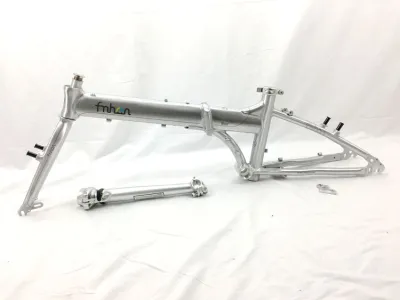
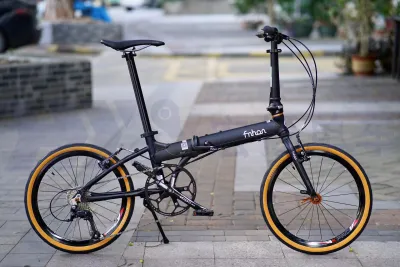
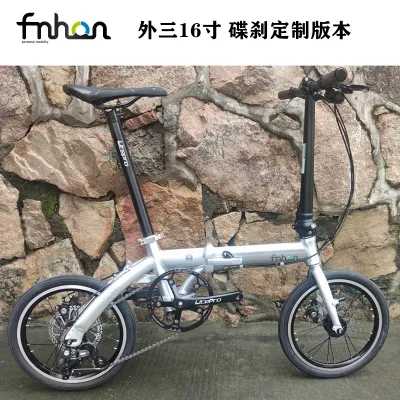
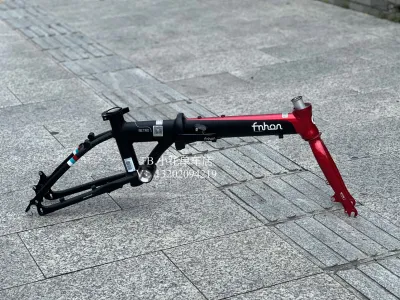
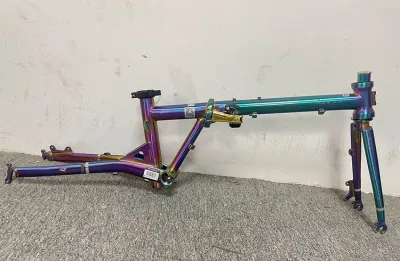
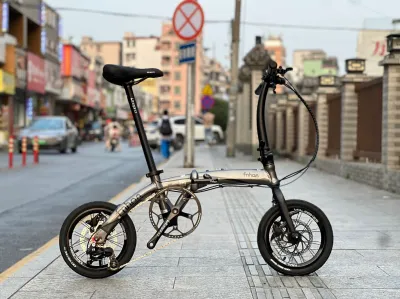
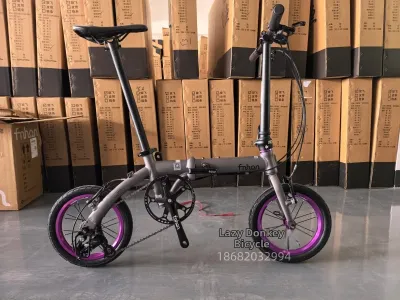
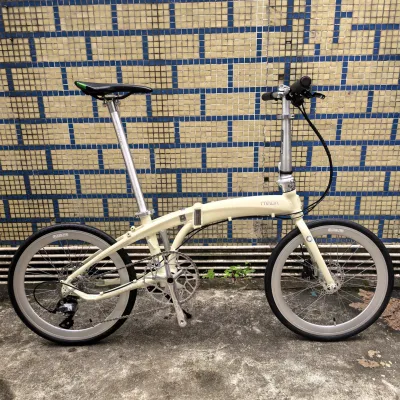
Prices are valid at publication and may change. Please refer to the product page for the latest price.
Leisure riding prioritizes comfort, simplicity, and stability over raw speed or ultra-compact folding. For casual afternoon rides along baywalks, neighborhood streets, or flat park paths, an upright riding position is ideal. This position reduces strain on your back and neck, allowing you to enjoy the scenery. A simpler drivetrain with fewer gears is often sufficient for these relaxed outings, reducing overall maintenance.
Local route conditions must also dictate your choice. Potholes, uneven concrete slabs, steel expansion joints on flyovers, and sudden heavy downpours require careful consideration. If your route involves steep climbs, such as those found in hilly residential areas or bypass roads, a multi-speed drivetrain is essential. Conversely, flat coastal routes allow for simpler, lighter gear configurations.
Finally, consider your storage and transport constraints. If you reside in a high-rise condominium with strict elevator rules or limited floor space, a compact fold is non-negotiable. Measure your storage closet, entryway, or car trunk before committing to a specific frame size to ensure the folded bike fits comfortably within your living space.
Key Specifications to Evaluate Across Fnhon Lineups
Fnhon frames are typically constructed from either aluminum alloy or chromoly steel, each offering distinct riding characteristics. Aluminum alloy frames are generally lighter and highly resistant to rust, which is a significant advantage in humid, coastal, or tropical environments. Chromoly steel frames, while slightly heavier, offer a more compliant, vibration-damping ride quality that can soften the impact of rough roads. Check the manufacturer’s specification sheet for the exact frame weight and maximum weight capacity to ensure it matches your physical requirements.

Inspect the folding mechanisms and latches carefully before making a decision. A high-quality folding hinge should have a secondary safety lock to prevent accidental opening while riding. When visiting a dealer, practice operating the folding latches to ensure they engage smoothly and lock tightly without play. Any movement or creaking in the hinge during a test ride indicates that adjustments or maintenance are required.
Evaluate the drivetrain and gearing setups based on your physical fitness and local terrain. A single-speed setup is low-maintenance and lightweight, making it ideal for flat, short commutes. However, if you face steep flyovers or strong headwinds, look for multi-speed drivetrains. Verify if the frame uses a standard derailleur hanger, which allows you to install common road or mountain bike components if you plan to customize the build.
Braking systems are critical for safety, especially when riding in heavy traffic or wet weather. Folding bikes commonly use V-brakes (rim brakes) or disc brakes. V-brakes are lightweight, simple to adjust, and highly cost-effective, but their stopping power can decrease in wet conditions. Disc brakes, whether mechanical or hydraulic, provide superior stopping power and more consistent performance in wet weather. If you plan to ride during the rainy season, verify the frame’s brake mounting standards to ensure compatibility with your preferred braking system.
Matching Wheel Sizes and Tire Clearances to Your Riding Style
Fnhon frames are designed around specific wheel standards, most commonly 16-inch (305), 20-inch (406), and 20-inch (451) configurations. The 16-inch wheels offer the most compact folded size, making them excellent for multi-modal commuting where space is at a premium. However, smaller wheels have less rolling momentum and can feel twitchy on rough surfaces, requiring more active steering and focus from the rider.
The 20-inch (406) wheels strike a versatile balance, offering a wide selection of tire options, good stability, and a reasonably compact fold. This size is highly recommended for general commuting and leisure riding because it rolls over road imperfections more easily than smaller wheels. The 20-inch (451) wheels are larger still and designed for speed and efficiency, behaving more like a mini-velo. They roll over road imperfections easily but result in a larger folded footprint and have limited tire clearance.
Check the frame and fork clearances on your chosen model to ensure compatibility with your preferred tire width. High-volume tires (such as 1.5 inches to 2.0 inches wide) provide a larger air cushion, which improves comfort and grip on uneven roads. If you commute daily, ensure there is enough clearance to install full-coverage fenders to protect yourself from road spray during sudden downpours.
Always review the manufacturer’s recommended rider weight limits and tire pressure ranges. Smaller wheels and folding frames have structural limits that must not be exceeded for safety reasons. Additionally, check the tire sidewalls for recommended pressure ranges (PSI); maintaining correct tire pressure is crucial for preventing pinch flats when hitting potholes or debris on the road.
Planning Your Fnhon Accessory and Riding Gear Setup
Before purchasing, check the frame for integrated mounting points to accommodate essential accessories. A front carrier block mount on the headtube allows you to attach specialized bags that do not affect your steering stability. Rear rack mounts are essential if you plan to carry panniers or heavy groceries. Bottle cage mounts are also vital for staying hydrated during hot, humid daytime rides.
Safety gear is essential for navigating busy traffic conditions. Always wear a certified bicycle helmet that fits securely and meets local safety standards. High-visibility clothing or reflective vests help drivers spot you from a distance, especially during sudden afternoon downpours. Equip your bike with a bright front white light and a red rear flashing light to ensure visibility in low-light or rainy conditions.
Prepare a compact saddle bag with essential tools for roadside repairs. This kit should include tire levers, a spare inner tube that matches your wheel size and valve type (Presta or Schrader), a patch kit, and a portable mini-pump. A multi-tool with hex keys matching your bike’s bolts will allow you to make quick adjustments to your saddle height, handlebars, or accessories on the road.
Purchasing, Assembly, and Warranty Verification
Fnhon frames are popular, which means counterfeit or unauthorized replicas can exist on online marketplaces. To protect your investment of several thousand ₱, buy only from authorized local dealers or reputable sellers who can verify the frame’s serial number. Genuine frames feature clean welds, precise alignment, and high-quality paint finishes that resist chipping and corrosion.
While some riders prefer to build their bikes from the frame up, proper assembly is critical for safety. If you purchase a pre-assembled bike or a frame kit, have a qualified local bike mechanic perform the final tuning. They will ensure that the folding hinges are adjusted to the correct tension, the steering column is aligned, and the brakes are perfectly centered and responsive.
Review the warranty terms provided by the seller or manufacturer to understand what actions might void your coverage. For instance, making structural modifications, drilling holes in the frame, or using components that exceed the recommended specifications can void the warranty and compromise your safety. Keep your purchase receipt and register the frame serial number if the manufacturer provides an online registration portal.
Frequently Asked Questions (FAQ)
Can I upgrade the components on a Fnhon folding bike?
Yes, Fnhon frames are highly customizable, but component compatibility depends on specific frame standards. You must verify the bottom bracket shell width, rear hub spacing (such as 74mm for some front hubs and 130mm or 135mm for rear hubs), and brake mounting types. Always consult the manufacturer’s specifications or a professional mechanic before purchasing expensive upgrade parts like new wheelsets or drivetrains.
How should I maintain the folding hinge mechanism?
Regular maintenance of the folding hinges is vital for your safety. Perform a visual inspection before every ride, checking for any play, cracks, or loose bolts in the hinge assembly. Keep the hinge clean and apply a small amount of light lubricant to the moving pivot points as recommended in the user manual. If you notice any play or if the latch does not lock securely, stop riding immediately and have the mechanism inspected by a qualified professional.
Community discussion
Share your experience or ask a question. Comments are reviewed before publication.