
Selecting the right fishing reel requires a clear understanding of your target species, the environments you frequent, and your personal experience level. With a diverse lineup of fishing gear available on the market, finding a model that aligns with your specific angling style involves matching mechanical specifications to your actual fishing conditions. By evaluating key factors such as reel type, gear ratios, drag systems, and environmental durability, you can make an informed decision that enhances your time on the water.
In the Philippines, anglers face a wide variety of fishing conditions, ranging from calm freshwater lakes and reservoirs to brackish mangrove estuaries and high-salinity coastal waters. Each of these environments places different demands on your tackle. A self-assessment of where and how you plan to fish is the most reliable way to narrow down your options and choose a reel that will perform consistently without premature wear.
Assess Your Fishing Environment and Target Species
Your primary fishing environment dictates the level of durability and corrosion resistance your reel must possess. Freshwater environments, such as inland rivers, farm ponds, and reservoirs, are relatively forgiving on internal machinery. However, if you plan to fish in brackish estuaries, coastal shorelines, or offshore waters, saltwater exposure becomes your primary concern. Saltwater accelerates galvanic corrosion, which can quickly ruin internal gears and bearings if the reel is not specifically designed to withstand marine conditions.
Products mentioned in this guide
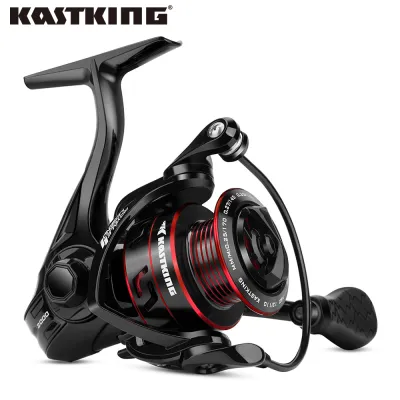
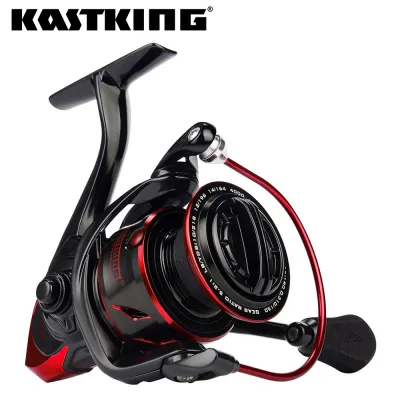
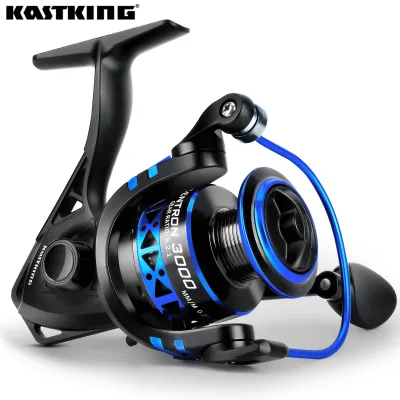
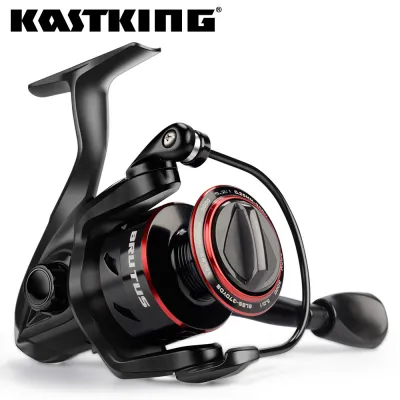
Prices are valid at publication and may change. Please refer to the product page for the latest price.
Target fish size and behavior also determine the physical size and strength of the reel you need. Small local species, such as tilapia or dalag (mudfish), can be successfully targeted with smaller, lightweight reels that accommodate thin, sensitive lines. Conversely, larger predatory species found in estuaries or coastal waters, such as mangrove snapper (mangagat) or barramundi, require larger reels with robust frames and substantial line capacities to handle powerful runs and heavy cover.
When assessing a reel for brackish or saltwater use, prioritize materials that naturally resist rust. Look for models constructed with carbon fiber, high-strength graphite, or anodized aluminum frames. Additionally, verify that the internal components, particularly the ball bearings and main gear shaft, are made of high-grade stainless steel or feature specialized protective shields to prevent salt and sand from entering the moving parts.
Spinning Reels vs. Baitcasting Reels: Which Mechanism Fits You?
Choosing between a spinning reel and a baitcasting reel is one of the most important decisions in your self-assessment. Spinning reels feature an open-face design with a fixed spool, where the line uncoils freely during a cast. This mechanism is highly versatile, making it an excellent choice for beginners, intermediate anglers, and anyone casting lightweight lures or live bait. Spinning reels are exceptionally forgiving in windy conditions and allow for long, hassle-free casts with thin monofilament or braided lines.

Baitcasting reels, on the other hand, feature a rotating spool that sits perpendicular to the rod. This design offers experienced anglers unparalleled casting accuracy, direct control over lure placement, and superior cranking power. Baitcasters are ideal for targeting heavy cover, as they allow you to use thicker lines and heavier lures to pull strong fish out of dense vegetation or submerged structures. However, they require a higher level of manual dexterity and active thumb control to manage the spool speed during a cast.
The primary challenge of using a baitcasting reel is managing backlash, often referred to as a “bird’s nest.” This occurs when the spool rotates faster than the fishing line exits the reel, causing the line to bunch up and tangle. To minimize this, baitcasters are equipped with mechanical tension knobs and magnetic or centrifugal braking systems. Anglers must be willing to spend time practicing and adjusting these settings to match the weight of their lure and the prevailing wind conditions before achieving consistent, tangle-free casts.
Key Reel Specifications to Match Your Skill Level
Understanding technical specifications allows you to match a reel’s performance to your preferred fishing techniques. The gear ratio is a critical specification represented by numbers such as 5.2:1 or 7.2:1. This ratio indicates how many times the spool rotates for every single turn of the handle. A high-speed gear ratio (7.0:1 or higher) retrieves line quickly, which is beneficial for techniques that require fast lure action or rapid slack collection. A lower gear ratio (5.0:1 to 6.0:1) provides more torque, giving you the mechanical advantage needed to pull hard-fighting fish or retrieve high-resistance lures like deep-diving crankbaits.
The drag system is your primary defense against large, powerful fish. It consists of internal washers that create friction to regulate how easily a fish can pull line from the spool. When evaluating a reel, check the maximum drag capacity listed in the manufacturer’s specifications. Ensure the drag system is smooth and highly adjustable; a jerky or sticky drag can cause sudden line breakage when a fish makes a sudden run. For most light to medium fishing styles, a smooth drag is far more important than an excessively high maximum drag rating.
Line capacity is another essential specification to verify. The spool must be deep enough to hold an adequate length of your preferred line type and pound-test rating. If you use braided line, which has a thinner diameter than monofilament of the same strength, you can often use a smaller reel size while maintaining excellent line capacity. Always match the reel’s line capacity to the depth of the water you are fishing and the expected running distance of your target species.
How to Verify Kastking Model Specs Before Buying
To ensure you receive a genuine product that matches your expectations, always cross-reference specifications on official manufacturer channels or authorized retail listings. Avoid relying solely on third-party descriptions, which may contain typographical errors or outdated information. Verify the exact bearing count, frame materials, and total weight of the specific model variation you intend to purchase, as different sizes within the same model line can have varying specifications.
Pay close attention to the manufacturer’s environmental ratings. Look for explicit designations regarding freshwater or saltwater compatibility. If a product description does not explicitly state that the reel is rated for saltwater or brackish use, assume it is designed strictly for freshwater. Using a freshwater-only reel in coastal environments will void warranties and lead to rapid mechanical failure due to internal corrosion.
Finally, check the warranty terms and the availability of after-sales support within the Philippines. Purchasing from authorized local distributors or official online flagship stores ensures you have access to genuine replacement parts, such as drag washers, handles, and internal gears. Reliable customer support is invaluable if you ever need to service your reel or address a manufacturing defect, helping to protect your investment over the long term.
Frequently Asked Questions (FAQ)
Are Kastking reels suitable for saltwater fishing in the Philippines?
Whether a specific model is suitable for saltwater depends entirely on its construction materials and sealing technology rather than the brand name alone. You must check the manufacturer’s specifications for anti-corrosion features, such as double-shielded stainless steel ball bearings, aluminum or carbon fiber frames, and sealed drag assemblies. Even when using a model rated for saltwater, the tropical climate and high salinity of coastal waters in the Philippines require diligent maintenance. A thorough freshwater rinse and complete drying routine after every saltwater outing are mandatory to prevent salt buildup and preserve the reel’s performance.
How do I maintain my reel after fishing in muddy or brackish water?
After fishing in muddy, sandy, or brackish water, gently rinse the exterior of the reel with a light spray of clean, low-pressure freshwater. Never use high-pressure water, as this can force abrasive grit, salt, and debris deep into the internal gears and drag washers. After rinsing, shake off excess water and allow the reel to air-dry completely in a shaded, well-ventilated area. Refer to your user manual to apply approved reel oil and grease to the designated external lubrication points. If the reel continues to feel gritty, makes unusual noises, or feels rough during retrieval, stop using it immediately and consult a qualified local technician for a professional teardown and cleaning.
Community discussion
Share your experience or ask a question. Comments are reviewed before publication.