
Choosing a portable shower room for camping in the Philippines requires balancing privacy, water access, and the realities of a tropical climate. Whether you are car camping along the beaches of Batangas, overlanding in Tanay, or backpacking to remote mountain ridges, the right setup depends on your transport capacity, campsite facilities, and group size. There is no single universal option; instead, the ideal system matches your specific travel style with the environmental conditions of your destination.
For car campers, a spacious pop-up privacy tent paired with a rechargeable battery-operated pump or a pressurized water tank offers the most comfortable experience. For backpackers or those heading to remote coastal sites where weight is limited, a lightweight, packable solar shower bag combined with a compact privacy shelter provides the ultimate balance of utility and portability. Navigating the tropical climate—characterized by high relative humidity, sudden afternoon downpours, and varying campsite rules—requires a system that dries quickly, resists mold, and stands secure against coastal winds.
Key Factors for Choosing a Portable Shower Room for Camping
Before purchasing any portable shower equipment, evaluate the water availability and environmental conditions of your destination. Many popular campsites in the Philippines range from fully developed eco-parks with piped water access to completely off-grid beach coves and mountain ridges where you must carry every liter of water yourself. Understanding where your water will come from—whether it is a clean river, a local deep well, or containers brought from home—directly dictates the type of shower pump or bag capacity you can realistically use.
Products mentioned in this guide
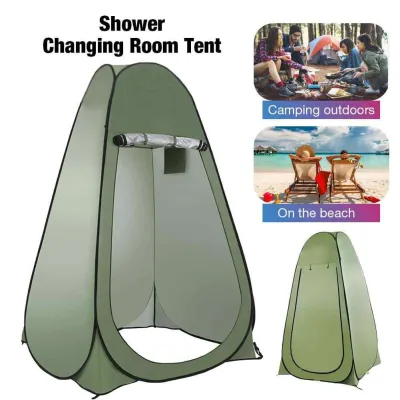
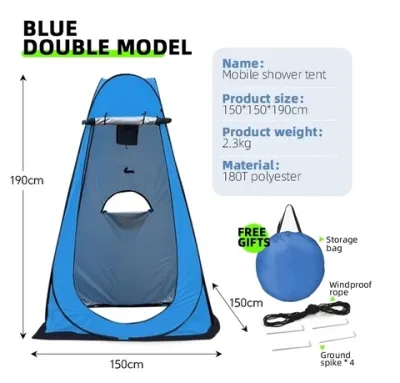
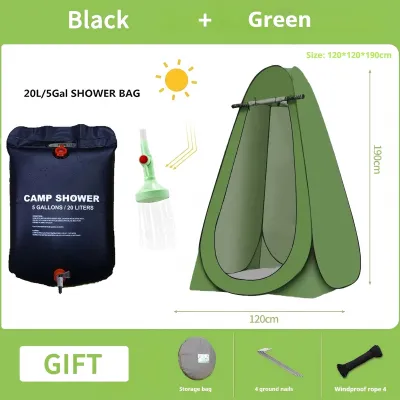
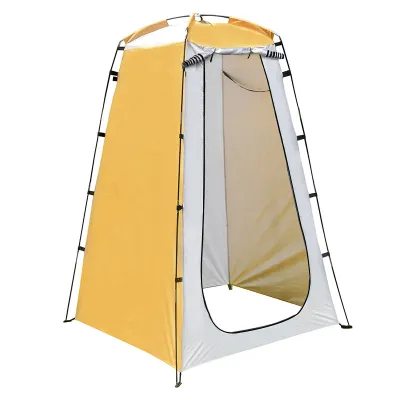
Prices are valid at publication and may change. Please refer to the product page for the latest price.
Local campground rules and environmental regulations regarding greywater disposal must also guide your decision. In protected areas, marine sanctuaries, and popular municipal campsites, discharging soapy water directly onto the ground or into natural water bodies is strictly prohibited. You must plan how to manage runoff, which may involve using a dedicated drainage basin, choosing a shower site far from natural water sources, or opting for simple sponge baths to minimize water volume.
The tropical climate of the Philippines presents unique challenges for outdoor gear maintenance, particularly regarding humidity and moisture. High relative humidity means that wet fabrics take significantly longer to dry, creating an ideal breeding ground for mold, mildew, and unpleasant odors. When selecting a shower tent or enclosure, prioritizing materials that feature quick-drying properties and excellent ventilation is crucial to ensure the longevity of your gear.
Sudden weather shifts, such as intense afternoon rain showers or strong coastal gusts, require a structure that can be anchored securely. A flimsy shelter that cannot withstand a sudden breeze will quickly become a frustration rather than a convenience. Assess the ground conditions of your typical camping spots—such as loose sand on beaches or hard, rocky clay in mountain regions—to ensure you have the correct stakes and tie-downs to keep your shower room upright.
Types of Portable Shower Rooms Explained
Portable shower setups generally consist of two main components: the privacy enclosure and the water delivery system. Understanding the different categories available on the market allows you to mix and match components to build the most efficient system for your specific outdoor adventures.

Pop-up shower tents are the most common privacy enclosures used by campers. These structures utilize a flexible steel wire frame that springs open instantly when unpacked, requiring minimal effort to set up. They provide excellent vertical clearance and a completely enclosed space for showering, changing, or housing a portable toilet. However, because of their large surface area, they can act like a sail in windy conditions, making proper staking and guy-line attachment absolutely necessary.
Solar shower bags offer a simple, passive water delivery method that relies entirely on gravity. Typically constructed from black PVC, TPU, or heavy-duty fabrics, these bags are filled with water and placed in direct sunlight to absorb heat. Once warmed, the bag is hung from a high point, such as a sturdy tree branch or a dedicated tripod stand, and water flows downward through a simple hose and showerhead attachment. While highly portable and cost-effective, they require a reliable overhead support structure capable of holding the substantial weight of the filled bag.
Battery-operated portable showers utilize a small, submersible pump powered by a rechargeable lithium-ion battery. You simply place the pump into a bucket, jerrycan, or natural water source, and press a button to deliver a steady, continuous stream of water through a handheld showerhead. These systems are highly valued for their consistent water pressure and ease of use, though they do require you to monitor battery levels and protect the charging ports from water exposure.
Essential Features to Check Before Buying
When browsing online marketplaces or local outdoor specialty stores, verifying specific physical and functional attributes on product labels is critical to avoiding gear failure in the field. The first feature to examine is fabric durability and water resistance. Look for polyester or nylon fabrics with a polyurethane coating, and check the denier rating; a higher denier indicates a thicker, more tear-resistant weave that can handle the friction of frequent folding and unfolding.
Privacy design is another paramount consideration, especially when camping in crowded public campgrounds. Ensure the fabric is completely opaque and features a silver-coated interior lining, which prevents silhouettes from showing through the tent walls when a flashlight or lantern is used inside at night. Zippers should be heavy-duty, double-sided, and smooth to operate, allowing you to open and close the door easily from both inside and outside the shelter.
Ventilation is critical in a tropical climate to prevent the interior of the shower tent from turning into a hot, humid sauna. Look for models that feature mesh roof panels, zippered windows with adjustable covers, and low-level vents that encourage continuous airflow. Adequate ventilation not only makes the showering experience much more comfortable but also accelerates the drying process of the tent walls after use.
Flooring and drainage configurations vary widely among shower tents and must be matched to your camping terrain. Some tents feature a fully integrated, non-removable floor, which can trap dirty water and mud, making cleanup difficult. A better option for tropical camping is a tent with a removable floor or a perimeter mesh drain that allows water to run off into the ground while keeping your feet elevated above the mud or sand.
Matching the Shower Setup to Your Camping Style
To find the most practical setup, you must align your gear selection with your primary mode of travel, group size, and camping habits. Solo backpackers and lightweight hikers should prioritize minimal weight and multi-use gear. For these adventurers, a compact, 10-liter solar shower bag that can double as a dry bag or water carrier during the day is an excellent choice. Instead of carrying a heavy pop-up tent, solo hikers can utilize natural foliage, a lightweight tarp hung between trees, or simply shower in swimwear to maintain privacy while keeping their pack weight to an absolute minimum.
Car campers, overlanders, and families who frequent organized campsites can prioritize comfort and space over weight. A double-room utility tent is highly recommended for these groups, featuring one dry room for changing clothes and storing dry gear, and a separate wet room for showering. Pairing this spacious shelter with a high-capacity, rechargeable battery-powered pump and a large water container ensures that multiple family members can shower comfortably without constant refills or cramped quarters.
For off-grid extended stays, such as camping on remote islands or deep within forest reserves for several days, reliability and independence from the electrical grid are paramount. In these scenarios, a manual foot-pump pressurized shower system is highly advantageous. Because it does not rely on USB charging or dry batteries, there is no risk of power failure leaving you without a functional shower. These robust systems can be paired with a heavy-duty, single-room pop-up tent that features reinforced guy-line attachment points to withstand unpredictable coastal winds.
Setup, Maintenance, and Campsite Etiquette
Proper installation and regular maintenance are essential to ensure your portable shower room remains safe, functional, and clean throughout its lifespan. When setting up a pop-up shower tent, always secure the base with heavy-duty stakes suitable for the specific terrain, and utilize all available guy lines to anchor the structure against wind. If you are using a gravity-fed solar shower bag, verify that the tree branch or support stand you select is completely stable and capable of supporting the weight of the water; a standard 20-liter bag weighs approximately 20 kilograms when full and can cause injury or gear damage if it falls.
After each camping trip, thorough cleaning and drying are vital to prevent the growth of mold and mildew, which can quickly ruin synthetic fabrics and cause unpleasant odors. Unpack your shower tent and water bag at home, rinse away any residual soap scum, sand, or dirt with clean water, and hang them to dry completely in a well-ventilated, shaded area. Avoid leaving synthetic gear in direct, intense tropical sunlight for extended periods when drying, as prolonged ultraviolet exposure can degrade polyurethane coatings and weaken fabric fibers over time.
Adhering to Leave No Trace principles is a fundamental responsibility for every camper using portable shower facilities. Even when using soaps labeled as biodegradable, these products require soil bacteria to break down effectively and can be highly toxic to aquatic life if they enter waterways directly. Always position your shower setup at least 60 meters away from lakes, rivers, streams, and the ocean, allowing the greywater to filter naturally through the soil rather than running directly into the water table.
Frequently Asked Questions (FAQ)
How do you heat water for a portable shower without electricity?
Heating water without electricity can be achieved easily using passive solar heating or manual camp stove methods. For passive heating, place a black solar shower bag in direct sunlight for several hours; the dark material absorbs solar radiation and warms the water inside. In the tropical climate of the Philippines, the midday sun is often intense enough to heat water quickly, so it is important to test the water temperature on your wrist before showering to avoid accidental scalds.
If sunlight is unavailable or you prefer a warm shower at night, you can heat a portion of your water on a standard portable camp stove. Boil a small pot of water and carefully mix it into a larger bucket of cool water until you achieve a comfortable, lukewarm temperature. Always ensure you use a reliable thermometer or test the mixed water carefully, and never pour boiling water directly into lightweight plastic shower pumps or bags, as extreme heat can melt seals, damage adhesives, and deform the container.
Can I use regular body wash in a portable camping shower?
Using regular body wash, shampoo, or dish soap in a portable camping shower is highly discouraged due to the environmental damage these products can cause. Standard commercial soaps contain synthetic chemicals, artificial fragrances, and surfactants that do not break down easily in natural environments and can contaminate local soil and water systems. These chemicals can harm local flora, disrupt aquatic ecosystems, and pollute pristine camping destinations.
Instead, use certified biodegradable, unscented soaps specifically formulated for outdoor use. Even when using biodegradable products, remember that they do not degrade instantly and must never be introduced directly into natural water sources. Always discharge your soapy greywater into the soil at least 60 meters away from any water body, allowing the natural filtration process of the earth and soil microbes to break down the organic ingredients safely.
Community discussion
Share your experience or ask a question. Comments are reviewed before publication.