
Selecting a pull up wrist support in the Philippines requires a careful balance between joint stabilization and the freedom of movement needed for dynamic bodyweight exercises. In the intense heat and humidity of local training environments, from open-air garage gyms to commercial fitness centers, the right support must not only protect your joints but also withstand heavy sweat and friction. This guide provides a comprehensive framework to help you evaluate materials, construction, and fit so you can choose a wrist support that matches your training volume and physical needs.
Understanding Wrist Stress During Pull-Ups
While the pull-up is primarily celebrated as a back and biceps builder, your wrists serve as the critical link transferring force from your body to the pull-up bar. During the hanging phase, your wrists are subjected to intense traction forces as your entire body weight hangs from your grip. As you transition into the pulling phase, the wrists must maintain a relatively neutral alignment to ensure efficient force transfer. Any deviation, such as excessive extension or lateral tilting, places immense pressure on the small carpal bones, ligaments, and the delicate triangular fibrocartilage complex (TFCC) on the outer side of the wrist.
It is essential to differentiate between normal muscular fatigue and actual joint strain when assessing your need for a pull up wrist support. Forearm pump, characterized by a tight, burning sensation in the muscle belly of your forearms, is a natural response to high-volume grip work and indicates that your muscles are working hard. Conversely, joint strain presents as a sharp, localized pinch, a deep ache within the wrist joint itself, or discomfort that persists long after you have stepped down from the bar. If you experience these joint-specific sensations, your wrist may benefit from external stabilization while you work on underlying mobility and strength.
Products mentioned in this guide
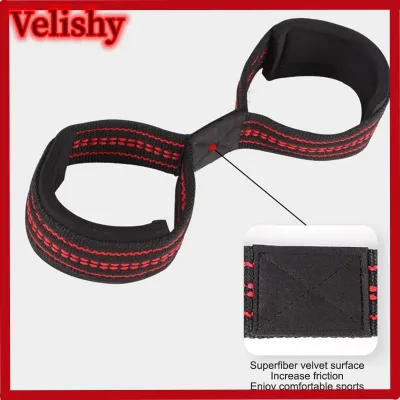
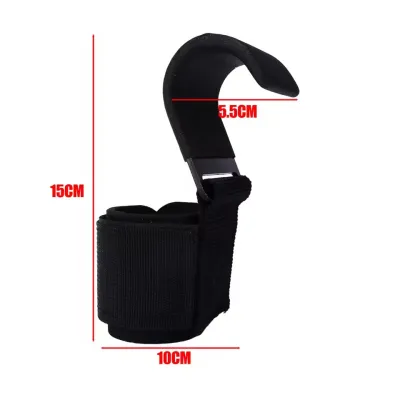
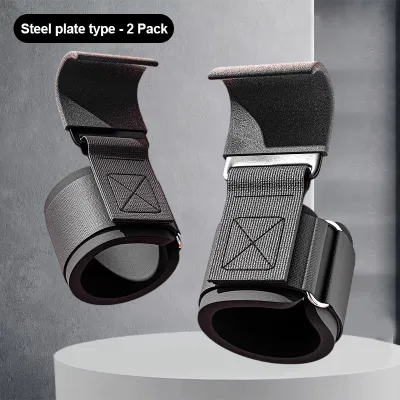
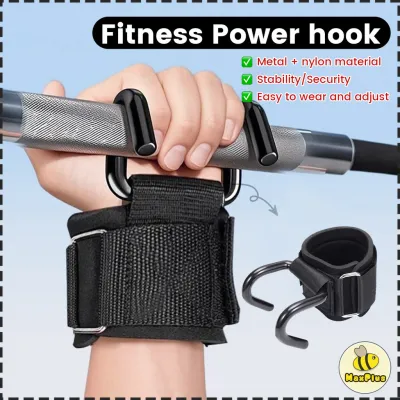
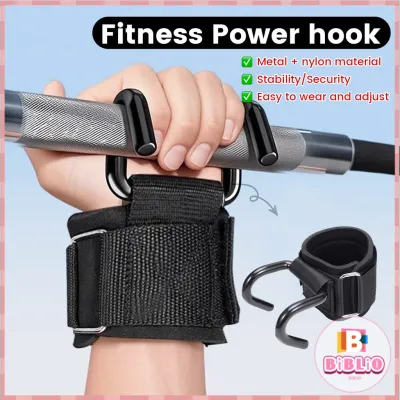
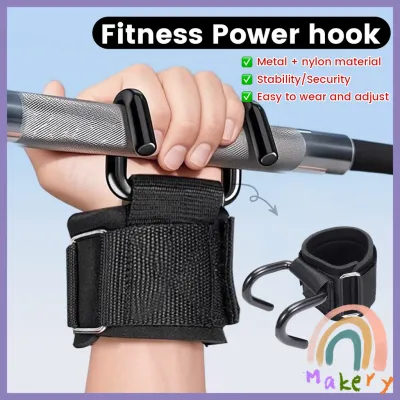
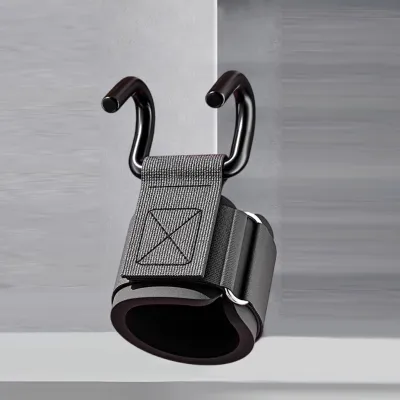
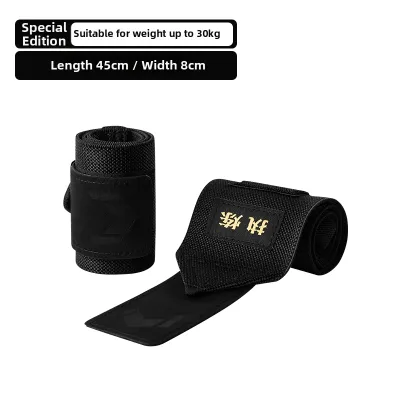
Prices are valid at publication and may change. Please refer to the product page for the latest price.
Observable signals that indicate a genuine need for external support include a visible collapse of the wrist angle at the top of the movement, where the hand bends backward excessively over the bar. You might also notice your grip slipping not because your fingers are tired, but because your wrist joint feels too unstable to maintain a solid connection. However, it is crucial to recognize the safety boundaries of fitness equipment. A wrist support is designed to assist healthy joints under heavy loads; it cannot compensate for poor shoulder engagement, incorrect hand placement, or a lack of progressive overload. If you experience chronic pain, swelling, or numbness, you must stop training and consult a qualified sports physician or physical therapist rather than relying on a wrap to mask the symptoms.
Key Features to Evaluate in Pull-Up Wrist Supports
When evaluating different wrist supports on the market, the stiffness and elasticity of the material should be your primary consideration. Pull-ups require a moderate degree of wrist mobility to allow your hands to rotate naturally around the bar as your body angle changes throughout the rep. Highly stiff, rigid wraps designed for competitive powerlifting or heavy bench pressing are generally unsuitable for pull-ups because they lock the joint in a completely static position, which can transfer unwanted stress upward to your elbows and shoulders. Instead, look for medium-stiffness elastic blends or woven cotton wraps that offer supportive compression while still permitting a natural, slight flexion of the joint.

The width and overall coverage area of the support determine how effectively it stabilizes the joint without interfering with your performance. A standard width of three inches is widely considered the sweet spot for bodyweight training. This width is sufficient to span the gap between the base of your hand and the lower forearm, effectively wrapping the carpal bones and the distal ends of the radius and ulna. If a support is too wide, it will creep up onto your palm, preventing you from wrapping your fingers fully around the pull-up bar and compromising your grip security. If it is too narrow, it will act more like a band, concentrating pressure in a small area rather than distributing the load evenly across the joint.
Closure mechanisms and overall construction quality dictate how long your support will survive the rigors of daily training. The vast majority of adjustable wraps utilize a hook-and-loop closure system, commonly referred to as Velcro. Because pull-ups involve repetitive hanging and pulling, these closures are subjected to significant shear force. Inspect the quality of the stitching around the hook-and-loop patch; double or reinforced stitching is vital to prevent the edges from peeling over time. Additionally, many wraps feature a thumb loop to assist with tensioning during application. While helpful, ensure the loop is designed to be slipped off the thumb and tucked away once the wrap is secure, as keeping it looped during pull-ups can cause painful chafing and blister formation in the webbing of your hand.
Comparing Wrist Support Types for Pulling Movements
Understanding the distinct categories of wrist gear is essential for selecting the correct form factor for your specific calisthenics or strength routine. Traditional wrist wraps are long, adjustable bands made from a blend of polyester, elastic, and cotton. They offer the highest level of customizable compression, allowing you to wrap them tightly for a challenging set of weighted pull-ups and loosen them immediately afterward to restore full circulation during your rest periods. This adjustability makes them highly versatile for athletes who mix heavy strength work with high-volume bodyweight sets.
Wrist sleeves, typically constructed from neoprene or advanced compression knits, offer a completely different user experience. Sleeves slide over the hand and sit snugly around the wrist joint without the need for adjustable straps. They provide continuous, mild compression and excel at retaining joint warmth, which increases blood flow and keeps the surrounding tendons pliable. Because they lack bulky straps or rigid inserts, sleeves are highly favored for high-volume calisthenics, gymnastics, or rapid circuit training where you need light, non-intrusive support that you can wear comfortably for an entire workout without constant readjustment.
It is incredibly common for beginners to confuse wrist supports with lifting straps or hooks, but these tools serve entirely different functions. Wrist supports are designed solely to stabilize and compress the joint, requiring your forearm muscles and fingers to actively grip the bar. Lifting straps and hooks, on the other hand, are grip-assistance tools that physically anchor your hands to the bar, taking the load off your forearms entirely. While straps can help you perform extra reps when your grip fails, relying on them too heavily can stunt your natural grip development. For building authentic pulling strength and joint integrity, a dedicated wrist support is the superior choice as it keeps your grip active.
Building Your Shortlist: Sizing, Fit, and Routine Matching
To ensure your wrist support performs as intended, you must take accurate physical measurements rather than guessing your size based on general clothing dimensions. Use a flexible tailor’s tape to measure the circumference of your wrist directly over the wrist bone, keeping the tape flat against your skin without pulling it tight enough to compress the tissue. If you do not have a flexible tape, wrap a piece of string around your wrist, mark the intersection point, and measure the flat string against a standard ruler. Compare this measurement carefully against the manufacturer’s specific sizing chart, as sizing standards vary significantly between brands.
Your preferred training routine and grip style should also influence the stiffness and tightness of the support you choose. If you primarily perform strict, slow pull-ups with a pronated (overhand) grip, your wrists remain in a relatively stable plane, allowing you to use a slightly stiffer wrap for maximum support. If you prefer a supinated (underhand) grip, which places more rotational torque on the wrists, or if you perform dynamic, high-rep movements like kipping pull-ups, a softer, more flexible wrap or a compression sleeve is preferable to accommodate the rapid changes in joint angle. Adjust the tension of your wraps so they feel snug and supportive during the exercise but do not cause tingling, coldness, or discoloration in your fingers.
In the tropical climate of the Philippines, managing sweat and moisture is a major factor in both comfort and gear longevity. High humidity means your body will sweat rapidly, and non-breathable materials will quickly become saturated, causing the support to slip down your arm and lose its structural effectiveness. Cotton-heavy wraps are highly absorbent but can become heavy and slow to dry, making them prone to developing unpleasant odors if stored in a dark gym bag. Neoprene sleeves provide excellent warmth but can trap sweat against the skin, potentially causing irritation during long sessions. For the best performance in local conditions, prioritize supports made from breathable, moisture-wicking synthetic blends that allow airflow and dry quickly between workouts.
Purchasing Checklist for Online Retailers in the Philippines
When shopping for fitness gear on local e-commerce platforms and online marketplaces, taking a systematic approach to verification will protect you from purchasing low-quality counterfeits or poorly constructed imitations. Use the following checklist to guide your purchasing decisions:
- Verify Seller Authenticity: Always prioritize official brand stores, flagship outlets, or authorized local distributors on your preferred online marketplace. Look for verified seller badges and check the store's overall rating and operational history. Avoid listings from generic, newly created storefronts that use stock images without showing close-up photos of the actual product stitching and material texture.
- Compare Total Costs in ₱: Look beyond the initial listing price and calculate the total cost, including shipping fees to your specific region in the Philippines. Some overseas sellers may offer a lower base price but charge high shipping rates that make the total purchase less economical than buying from a local distributor. Additionally, review the seller's return and exchange policy to ensure you can easily swap the item if you encounter a sizing mismatch upon delivery.
- Analyze Local User Feedback: Scroll through the customer review section and filter for reviews containing real photos and videos uploaded by local buyers. Pay close attention to feedback regarding how the hook-and-loop closure holds up after several weeks of exposure to sweat and washing. Look for comments mentioning whether the sizing runs true to the manufacturer's chart and how comfortable the material feels against the skin in warm, humid conditions.
Frequently Asked Questions (FAQ)
Should I wear wrist supports for every pull-up workout?
No, you should not wear wrist supports for every single pull-up set or workout. Relying on external support constantly can prevent the stabilizing muscles, tendons, and ligaments of your wrists and forearms from strengthening naturally. It is best to perform your warm-up sets and lighter bodyweight repetitions without any support to encourage natural joint adaptation and mobility. Reserve your wrist supports for your heaviest weighted sets, high-volume training blocks, or sessions where you are recovering from minor, non-medical muscle fatigue and require temporary stabilization.
How do I clean and maintain my wrist wraps to prevent odor?
To prevent the buildup of bacteria and unpleasant odors caused by sweat and humidity, you should clean your wrist wraps regularly using gentle, hand-washing methods. Fill a basin with cool water and add a small amount of mild detergent or sports wash. Submerge the wraps and gently agitate them by hand, paying special attention to the hook-and-loop areas where dirt and dead skin cells can accumulate. Avoid using bleach or fabric softeners, as these chemicals can degrade the elastic fibers and weaken the adhesive properties of the Velcro.
Once washed, rinse the wraps thoroughly with clean, cool water to remove all soap residue. Gently squeeze out the excess water without wringing or twisting the fabric, as harsh wringing can warp the elastic structure. Lay the wraps flat or hang them to air-dry in a well-ventilated, shaded area. Never place your wrist supports in a mechanical clothes dryer or expose them to direct, intense sunlight, as high heat will rapidly break down the elastic components, causing the wraps to lose their supportive tension and elasticity permanently.
Community discussion
Share your experience or ask a question. Comments are reviewed before publication.