
Choosing the right scooter kids 3 to12 years old can ride safely requires looking beyond the age recommendations printed on the box. While age brackets provide a helpful starting point, your child’s physical development, motor skills, and balance are the true indicators of which model will offer a safe and enjoyable ride. In the Philippines, where outdoor play often takes place on concrete subdivision roads, barangay courts, or family-friendly parks, selecting the appropriate scooter type ensures your child stays active while minimizing the risk of falls.
Every stage of childhood introduces different physical capabilities. A toddler is still mastering basic lateral stability, whereas a pre-teen has the reflexes and coordination to handle higher speeds and more complex braking systems. Matching the scooter’s mechanical design to your child’s developmental stage prevents frustration, builds riding confidence, and keeps them safe during outdoor adventures.
How to Assess Your Child's Riding Readiness for a Scooter: Kids 3 to 12 Years Old Guide
Before purchasing a scooter, parents must evaluate their child’s actual physical development and coordination rather than relying solely on chronological age. Children develop motor skills at highly variable rates. A child who is chronologically five years old may still be developing the core strength required for a two-wheel model, while a highly coordinated four-year-old might show early signs of readiness. Protective gear and high-quality equipment are essential, but they can never replace physical readiness, proper training, and active parental supervision.
Products mentioned in this guide
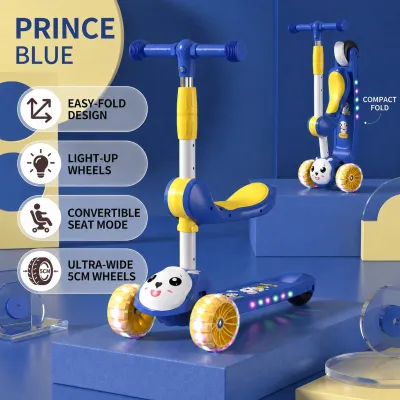
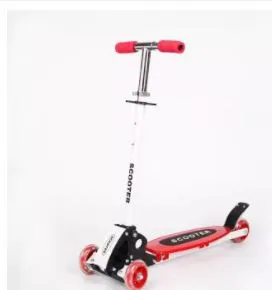
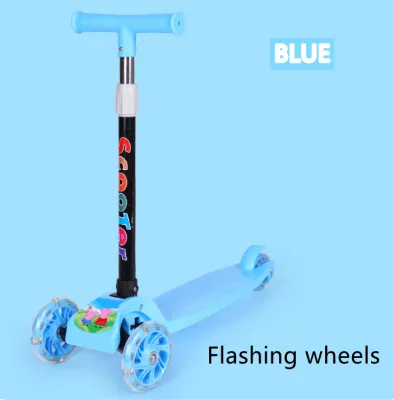
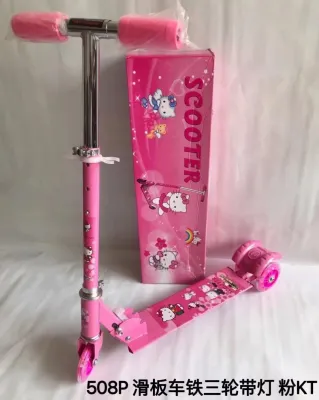
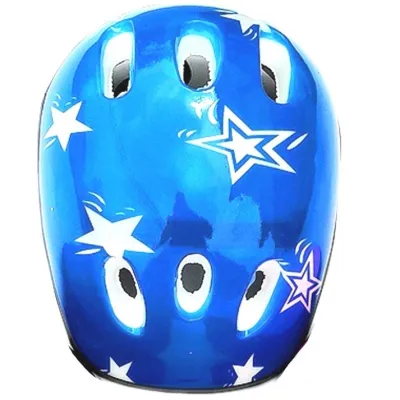
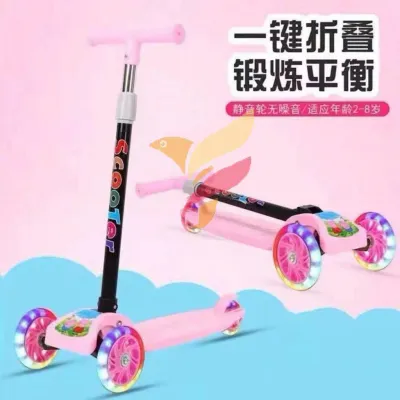
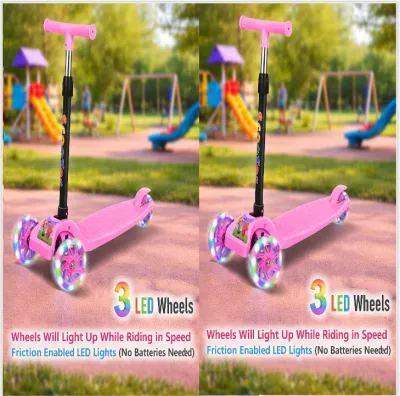
Prices are valid at publication and may change. Please refer to the product page for the latest price.
To determine if your child is ready for a specific type of scooter, observe their daily physical activities and look for specific diagnostic signals. First, test their static balance by asking them to stand on one foot. If they can comfortably hold this position for three to five seconds without wobbling or putting their foot down, they possess the baseline balance needed for a two-wheel scooter. Second, observe their running stability; children who run with a steady, confident stride and rarely trip over their own feet have developed the spatial awareness and foot-eye coordination required for steerable toys.
Another critical factor is their ability to comprehend and execute basic safety commands. A child riding any wheeled toy must be able to process immediate instructions such as “stop,” “slow down,” or “turn left” to avoid hazards like driveways, pedestrians, or uneven pavement. If a child struggles to follow these verbal cues or lacks the focus to scan the path ahead, they are not yet ready to ride unsupervised, regardless of the scooter type.
Understanding the physical mechanics of riding is also vital for making the right choice. Scootering requires a child to stand on one foot (the supporting leg) while using the other foot (the kicking leg) to push off the ground. On a three-wheel scooter, the wider platform allows the child to stand with both feet planted side-by-side while coasting, providing a stable, low-stress environment. A two-wheel scooter, however, demands continuous dynamic balance; the child must maintain momentum and keep the scooter upright while balancing on a narrow deck. Assessing these physical milestones first will guide you toward the safest starting point.
Ages 3 to 5: Diagnosing the Need for a 3-Wheel Scooter
For toddlers and preschoolers, a three-wheel scooter is the gold standard for introducing wheeled mobility. During these early years, children are still developing their bilateral coordination and vestibular systems, which govern balance. A three-wheel configuration provides a self-standing platform that does not tip over when stationary, allowing young riders to focus on the mechanics of kicking, steering, and stopping without the fear of falling sideways.

Why 3-Wheel Designs Work Best
When exploring three-wheel options, you will find two primary configurations: two wheels in the front (often called a “tadpole” layout) and two wheels in the back. Models with two wheels in the front are highly recommended for young children. This design provides superior front-end stability, preventing the scooter from tipping forward or sideways when the child leans on the handlebars. Additionally, front-wheel-heavy designs typically utilize a lean-to-steer mechanism.
Lean-to-steer is an intuitive steering system where the child shifts their body weight left or right to curve the scooter in that direction, rather than twisting the handlebars. This action mimics the natural leaning motion used when running or turning on foot, helping young children develop core strength and balance. It also prevents sharp, sudden handlebar turns that can cause the scooter to jackknife and throw the child over the front. Conversely, scooters with two wheels in the back can interfere with the child’s kicking stride, as their heel may repeatedly strike the rear wheels, leading to trips and ankle discomfort.
Signs Your Child Is Ready for a 3-Wheel Scooter
To confirm your toddler is ready for their first three-wheel ride, look for these observable behaviors:
- Walking and running steadily without frequent, unexplained falls.
- The ability to grasp the handlebar grips firmly with both hands while standing upright.
- Showing an active interest in wheeled toys or watching older siblings ride.
- The capacity to lift one foot briefly to step over small obstacles.
If your child meets these criteria but struggles to grasp the concept of the lean-to-steer mechanism, do not force the transition. Some children find the lateral shifting motion counterintuitive at first. In such cases, a standard three-wheel scooter with a traditional turning handlebar or a convertible “sit-to-stand” scooter with a removable seat may serve as a better temporary choice. Always consult the manufacturer’s care and assembly instructions to ensure the steering mechanism is set up correctly for your child’s physical ability.
Ages 5 to 8: Signs It Is Time to Switch to a 2-Wheel Scooter
Between the ages of five and eight, most children undergo a significant growth spurt and experience rapid advancements in gross motor skills. This is the ideal window for transitioning from a stable three-wheel model to a faster, more agile two-wheel kick scooter. Keeping a child on a three-wheel scooter for too long can limit their motor skill development, while transitioning them too early can lead to frustration, frequent falls, and a loss of confidence.
When to Make the Switch
To determine if your child is ready to graduate to a two-wheel kick scooter, perform a few simple diagnostic balance tests. First, check if they can ride a two-wheel bicycle, even if they are still using training wheels. The ability to steer a bicycle and understand how speed correlates with stability is a strong indicator of readiness. Second, ask them to hop on one foot continuously for five to ten seconds. This demonstrates the ankle strength and single-leg stability required to balance on a narrow scooter deck while kicking.
Another excellent indicator is how they handle their current three-wheel scooter. If they are constantly maxing out its speed, lifting the front wheels off the ground, or expressing frustration with the wide turning radius, they have likely outgrown its physical limitations. They are ready for the tighter turns and increased maneuverability that only a two-wheel scooter can provide.
Key Features to Look for in a First 2-Wheel Scooter
When shopping for your child’s first two-wheel scooter, prioritize safety and durability over aesthetic features. Look for the following essential components:
- Rear Foot Fender Brake: For this age group, a rear foot brake is much easier to operate than hand-operated lever brakes. Squeezing a hand brake requires significant grip strength and coordination, whereas depressing a rear fender with the heel is an intuitive, highly effective way to slow down. Ensure the fender is made of durable composite material or reinforced metal.
- Deck Width and Grip Tape: The deck should be narrow enough to allow the kicking foot to pass close to the frame, reducing hip strain, but wide enough to accommodate both feet comfortably when coasting. High-quality, coarse grip tape covering the entire deck surface is mandatory. In the humid tropical climate of the Philippines, sudden rain showers or sweaty hands and feet can make smooth decks incredibly slippery and dangerous.
- Adjustable Handlebars: Children grow rapidly during this stage. Choose a scooter with an adjustable T-bar that secures with a heavy-duty collar clamp rather than a simple spring-button pin. This ensures the handlebars can be raised incrementally to maintain an ergonomic riding posture as your child grows.
Ages 8 to 12: Evaluating Readiness for Advanced and Electric Scooters
As children enter their pre-teen years, their riding styles diverge. Some seek the thrill of tricks and skateparks, others want a fast commuter scooter to ride around the neighborhood, and some express interest in motorized electric models. Each of these paths requires different equipment, higher safety standards, and a realistic assessment of your child’s maturity.
Pro Kick and Stunt Scooters
It is vital to distinguish between a standard commuter kick scooter and a dedicated stunt scooter, as they serve entirely different purposes and have distinct structural designs:
- Commuter Kick Scooters: These are built for comfortable, long-distance riding. They feature larger wheels (typically 145mm to 200mm) made of soft polyurethane, which glide smoothly over rough asphalt, cracks, and small stones. They often include folding mechanisms for easy carrying and adjustable handlebars to accommodate different heights.
- Stunt Scooters: Also known as trick scooters, these are engineered specifically for skateparks and tricks. They feature one-piece, fixed-height handlebars (T-bars) with no folding mechanism or adjustment joints, as these moving parts would snap under the high impact of jumps. They have smaller, harder wheels (100mm to 120mm) with solid aluminum cores and reinforced metal decks designed to withstand grinding on rails and concrete ledges.
If your child wants to attempt tricks or ride at a local skatepark, they must use a dedicated stunt scooter. Attempting jumps on a standard folding commuter scooter can cause the locking mechanism to fail, resulting in severe injury. Furthermore, stunt riding carries inherent safety risks. Advanced protective gear—including a certified action-sports helmet, heavy-duty knee pads, elbow pads, and wrist guards—is mandatory. Equipment can never replace training, self-discipline, and gradual skill progression.
Navigating Electric Scooters Safely
Electric scooters introduce motorized speed, increased weight, and complex braking systems, making them significantly higher-risk than manual kick scooters. Before purchasing an electric model, parents must conduct a thorough safety and regulatory check.
First, always verify the manufacturer’s explicit minimum age and weight limits printed on the product label. Many electric scooters are strictly rated for ages 12 and older due to the reaction times and motor skills required to operate them safely. Never bypass these guidelines, even if your child is tall or highly coordinated.
Second, check local traffic regulations in your area. In the Philippines, the Land Transportation Office (LTO) and local government units (LGUs) enforce specific guidelines regarding where electric personal mobility devices can be operated. Generally, minors are prohibited from riding motorized scooters on public highways, national roads, and major thoroughfares. Operation should be strictly restricted to private driveways, gated subdivisions, or designated park paths.
Finally, verify that the electric scooter is equipped with essential safety features. These include a variable speed limiter (which allows parents to cap the maximum speed at a safe level, such as 10 to 12 km/h for beginners), highly responsive hand brakes (preferably disc or drum brakes rather than purely electronic braking), and integrated front and rear LED lights to ensure visibility during late afternoon rides. Electric scooters require a high level of maturity; a child must understand the physics of stopping distances and show the discipline to ride defensively.
Pre-Purchase Safety and Sizing Checklist
Before finalizing your purchase, use this actionable sizing and safety checklist to ensure the chosen scooter fits your child correctly and meets basic safety standards. A poorly sized scooter compromises control and increases the risk of accidents.
- Handlebar Height Rule: Have your child stand upright on the scooter deck while wearing their riding shoes. The handlebars should rest comfortably between their waist and lower chest. If the handlebars are too high (near the chin or collarbone), steering control is severely compromised, and the T-bar poses a facial injury risk during a sudden stop. If they are too low, the child must hunch forward, straining their back and shifting their center of gravity too far forward, which increases the likelihood of tipping over the front wheel.
- Brake Test: Inspect the brake mechanism before the first ride. If it is a manual rear fender brake, press down on it to ensure it depresses smoothly and springs back into place instantly without rubbing against the wheel. The brake should apply gradual, predictable friction to slow the wheel down; it should not lock the wheel up abruptly, which can cause skidding and loss of control on wet or dusty concrete.
- Weight Limits: Check the manufacturer's maximum weight capacity printed on the box or manual. Ensure your child's current weight is well below this limit to allow a safe buffer for growth, heavy clothing, and the weight of their safety gear. Operating a scooter near or over its weight limit compromises structural integrity and steering responsiveness.
- Helmet Fit and Safety Certification: A properly fitted, certified helmet is non-negotiable for every single ride. In the Philippines, look for official safety marks such as the Philippine Standard (PS) mark or the Import Commodity Clearance (ICC) sticker, or international safety certifications like CPSC or EN1078. The helmet must sit level on the head (covering the forehead, about two fingers above the eyebrows) and must not tilt backward or slide sideways. The straps should form a snug "V" under each ear, and the chin strap should be tight enough that only one or two fingers can slide between the strap and the throat.
Frequently Asked Questions (FAQ)
Can a 3-year-old ride a 2-wheel scooter?
While some exceptionally coordinated three-year-olds may be able to balance briefly, a two-wheel scooter is generally not recommended for this age group. Toddlers lack the lateral balance, core strength, and ankle stability required to keep a two-wheel scooter upright while kicking. Introducing a two-wheel model too early often leads to frequent falls, frustration, and a fear of riding. A three-wheel scooter with a lean-to-steer mechanism is a much safer, developmentally appropriate choice that builds the foundational balance they will need later.
How do I know if the scooter handlebar height is correct?
To verify the correct handlebar height, have your child stand flat-footed on the scooter deck. The handlebar grips should align naturally between their belly button and their lower chest. If your child has to hunch forward or bend their back to reach the grips, the handlebars are too low. Conversely, if their elbows are bent at a sharp upward angle or the grips are level with their shoulders, the handlebars are too high and must be adjusted downward before they ride.
Are electric scooters safe for kids under 12?
Safety depends entirely on the specific model’s specifications, manufacturer guidelines, and the riding environment. Many standard electric scooters are designed with high-torque motors and can reach speeds that are unsafe for younger children, which is why they are typically rated for ages 12 and up. If you are considering an electric scooter for a child under 12, you must select a model specifically engineered for younger kids with a built-in speed limiter (capping speeds at 10–12 km/h), ensure they ride only in secure, enclosed areas away from motor vehicle traffic, and strictly enforce the use of certified safety gear.
Community discussion
Share your experience or ask a question. Comments are reviewed before publication.