
Choosing a skoter for kids in the Philippines involves matching their physical development with the right wheel setup and frame size. While age is a helpful starting point, a child’s balance, coordination, and the local riding environment—such as subdivision driveways, local parks, or barangay multi-purpose courts—are the real deciding factors. Selecting the right model ensures your child builds confidence safely without getting frustrated by a toy that is too heavy or difficult to steer.
A well-chosen scooter encourages outdoor play, helps develop gross motor skills, and provides a fun way to stay active. However, introducing a scooter too early or choosing a model designed for older kids can lead to falls and discourage young riders. By assessing physical readiness and understanding the structural differences between scooter types, you can make an informed decision that keeps your child safe and active.
How to Assess Your Child's Riding Readiness
Before purchasing a skoter for kids, parents should evaluate specific physical milestones rather than relying solely on age recommendations. Balance is the most critical skill required for riding. You can perform a simple, observable check at home by asking your child to stand on one foot for three to five seconds or walk along a straight line on the floor. If they can complete these tasks without losing their balance or constantly stepping out, their core stability is likely ready for a basic ride-on toy.
Products mentioned in this guide
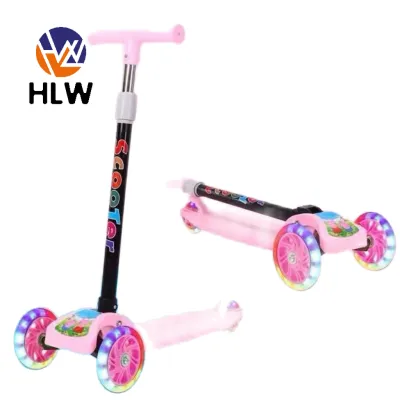
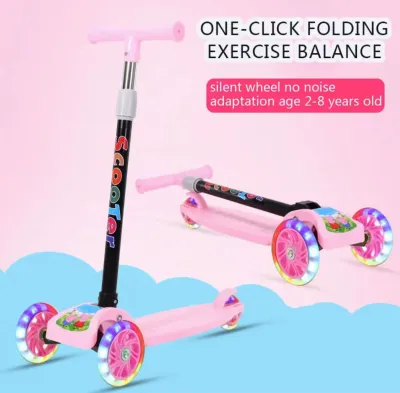
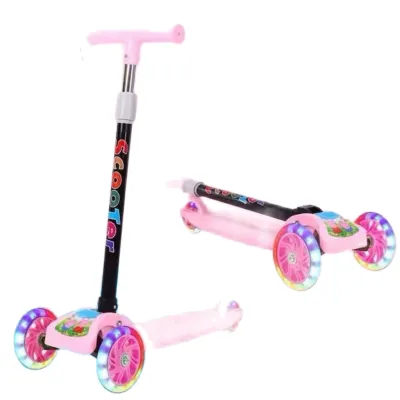
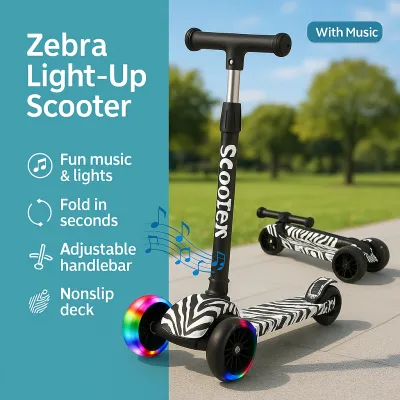
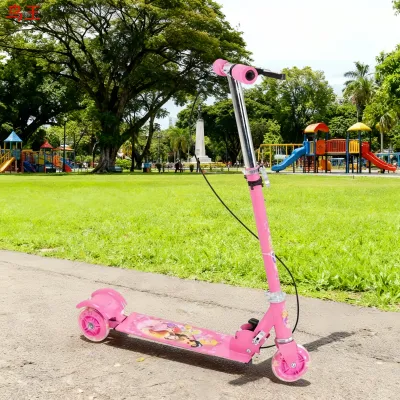
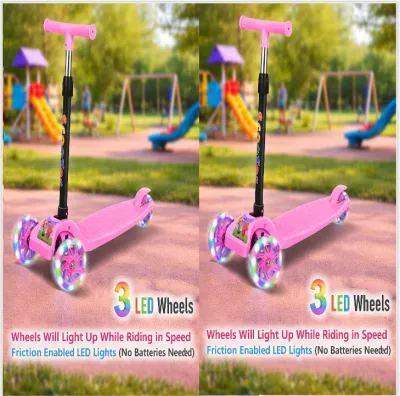
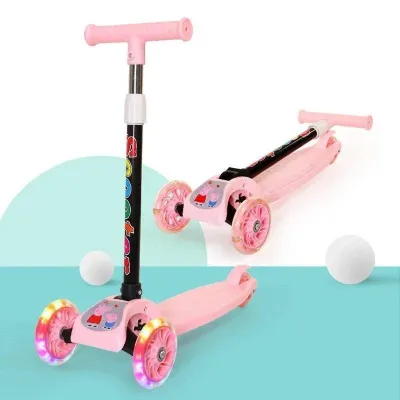
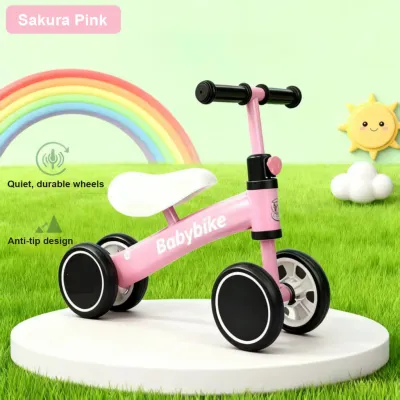
Prices are valid at publication and may change. Please refer to the product page for the latest price.
Steering coordination is another essential factor to observe. A child needs to understand how turning the handlebars changes their direction of travel. You can test this by asking them to steer a toy stroller or a plastic ride-on car around obstacles in your living room. If they can follow basic directional commands like “turn left” or “stop” quickly, they will navigate a scooter with greater ease and safety.
Finally, always check your child’s current height and weight against the manufacturer’s guidelines. A scooter that is too large will be difficult to steer and stop, while one that is too small can cause poor posture and instability. Measure your child’s height from the floor to their waist to ensure it aligns with the scooter’s minimum handlebar height setting.
Matching Scooter Types to Developmental Stages
Once you have assessed your child’s physical readiness, you can match their current developmental stage to the appropriate scooter configuration. Scooters generally fall into three categories: stable three-wheel models for beginners, classic two-wheel kick scooters for growing riders, and motorized electric options for older children.

3-Wheel Scooters for Toddlers and Beginners
For toddlers and young children who are still developing their balance, a three-wheel scooter offers the necessary stability to prevent tipping. These models typically feature two wheels in the front and one in the back, allowing the scooter to stand upright on its own. This design lets young riders focus on the motion of pushing off the ground without the added challenge of keeping the deck balanced.
When choosing a three-wheel model, pay close attention to the steering mechanism. Many beginner scooters use a “lean-to-steer” system, where the child gently leans their body weight to the left or right to curve the scooter. This intuitive motion helps build core strength and coordination. In contrast, some models feature a fixed steering column that turns like a bicycle, which requires more precise hand-eye coordination and can sometimes feel less stable for very young learners.
The deck design is also crucial for early riders. Look for a wide deck with high-traction grip tape or molded plastic ridges to accommodate small feet and unsteady stances. This is especially important in humid tropical climates, where sweat or light rain can make smooth plastic decks slippery. Additionally, ensure the scooter has an adjustable handlebar range so the T-bar can be raised as your child grows, extending the usable life of the toy.
2-Wheel Kick Scooters for Growing Riders
As children enter grade school, their balance and coordination improve significantly, making them ready to transition to a traditional two-wheel kick scooter. This transition typically occurs when a child can easily coast on a three-wheel model without putting their feet down or when they can ride a bicycle with minimal assistance. A two-wheel scooter features a narrower deck and requires continuous forward motion to remain upright, offering a more dynamic and faster ride.
Braking systems become more critical as kids ride faster. Most two-wheel scooters feature a rear foot brake, which is activated by stepping down on the rear wheel fender. This is highly effective and intuitive for most children. Some models also include hand-operated brakes on the handlebars. When choosing between these options, consider your child’s hand strength and reaction time; hand brakes require a firm grip that younger grade-schoolers might still be developing.
Portability is another practical consideration for parents. If you plan to bring the scooter to local parks or need to carry it home when your child gets tired, look for a model with a reliable folding mechanism and a lightweight aluminum frame. Check that the folding latch is secure and easy for an adult to operate, but stiff enough that a child cannot accidentally release it while riding.
Electric Scooters for Older, Experienced Kids
Electric scooters introduce motorized power and higher speeds, making them suitable only for older children who have demonstrated excellent riding skills and maturity. Before considering an electric model, verify the manufacturer’s minimum age and weight thresholds. Most electric scooters are designed for children aged eight and older, with specific maximum load capacities that must not be exceeded to ensure safe motor performance.
When evaluating electric models, look for built-in safety features such as speed limiters and gradual acceleration. A speed limiter allows parents to cap the maximum speed at a safe level, while gradual acceleration prevents the scooter from jerking forward unexpectedly when the throttle is pressed. Reliable braking systems, such as dual hand brakes or a combination of electronic and mechanical brakes, are essential for stopping safely at higher speeds.
Safety gear is absolutely mandatory for any motorized ride. Before your child steps onto an electric scooter, ensure they are wearing a properly fitted, certified helmet, along with elbow and knee pads. Because electric scooters travel faster than kick models, the risk of injury from a fall is higher, making protective gear a non-negotiable requirement for every single ride. Budgeting for certified safety gear, which often ranges from ₱500 to ₱1,500 depending on the brand, is an essential part of the purchase.
Safety and Fit Checks Before the First Ride
Regardless of the scooter type you choose, performing a few safety and fit checks before the first ride is essential for preventing accidents. Start by adjusting the handlebar height. The grips should sit comfortably between your child’s waist and lower chest when they are standing on the deck. If the handlebars are too high, steering becomes awkward and unstable; if they are too low, the child will hunch forward, which shifts their center of gravity and increases the risk of falling over the front.
Next, establish a routine of inspecting the scooter before every use. Check that the wheels spin smoothly and are securely attached, the folding latch is locked tight, and the brakes respond immediately when pressed. Loose bolts or a malfunctioning brake can lead to sudden control loss during a ride.
Finally, set clear riding boundaries based on your local environment. Instruct your child to avoid steep hills, wet or muddy surfaces, and areas with heavy pedestrian or vehicle traffic. Flat, dry, and enclosed spaces, such as a private driveway or a designated park path, are the safest environments for children to practice and enjoy their scooter.
Frequently Asked Questions (FAQ)
Can a 2-year-old ride a 2-wheel scooter?
Generally, a two-year-old does not have the bilateral coordination or core balance required to ride a two-wheel scooter safely. At this developmental stage, toddlers are still mastering basic walking and running. A three-wheel scooter with a wide deck and a stable wheel configuration is highly recommended, as it provides the necessary support to prevent tipping while allowing them to practice pushing and steering.
How do I know if the scooter handlebar is at the right height?
To check the handlebar height, have your child stand flat-footed on the scooter deck with their shoes on. The handlebar grips should align comfortably between their waist and lower chest. Their elbows should be slightly bent when holding the grips. If the handlebars are level with their collarbone or face, they are too high and should be lowered to ensure proper steering control.
Are electric scooters safe for grade-school children?
Electric scooters can be safe for older grade-school children, provided they meet the manufacturer’s age and weight requirements and have mastered riding a manual two-wheel scooter. Parents should choose models with built-in speed limiters and ensure their child always wears a certified helmet, knee pads, and elbow pads. Constant adult supervision and riding in flat, enclosed areas away from traffic are also essential.

Community discussion
Share your experience or ask a question. Comments are reviewed before publication.