
Selecting the right Solana road bike requires a clear understanding of your personal fitness, riding ambitions, and the specific environments where you plan to ride. Because road cycling involves sustained physical effort and precise bike handling, choosing a model is not a matter of finding a single “best” option, but rather identifying the specific configuration that matches your physical proportions and experience level. By analyzing how different frame geometries, component tiers, and braking systems perform under varying conditions, you can make a well-informed decision that ensures comfort, safety, and long-term value.
Assessing Your Riding Goals and Experience Level
Before browsing specific specifications, you must define your primary cycling intentions. Casual fitness riders typically seek a bike that offers a comfortable, upright riding position for short weekend spins or recreational paths. These riders prioritize ease of use and comfort over outright speed, making highly aggressive racing frames unsuitable. If your goal is to complete long-distance endurance rides, such as century rides or multi-hour club events, you will require a frame designed to minimize muscle fatigue over several hours. Competitive racing, on the other hand, demands a bike built for maximum power transfer and aerodynamic efficiency, which positions the rider in a lower, more stretched-out stance to slice through the wind.
Your current experience level heavily influences how a bike will feel and handle on the road. Beginners generally benefit from a more stable steering response and a frame geometry that does not place excessive strain on the lower back, neck, and core muscles. As a rider’s core strength and flexibility improve, they can comfortably transition to intermediate or advanced setups that feature quicker handling and more aggressive riding positions. Furthermore, component tolerance varies by experience; advanced riders often demand precise, rapid shifting and stiffer frames to maximize efficiency, whereas beginners may prefer simpler, more forgiving gear setups that are easier to operate and maintain.
Products mentioned in this guide
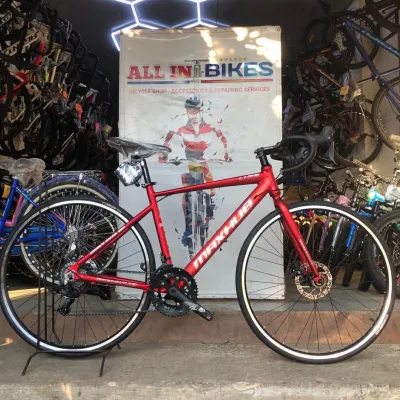
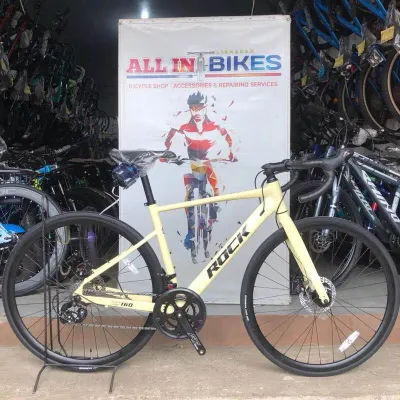
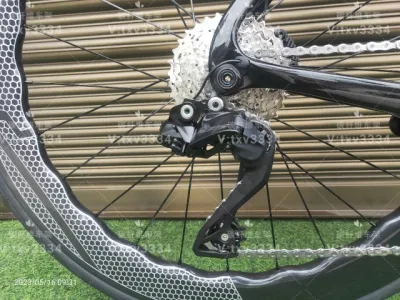
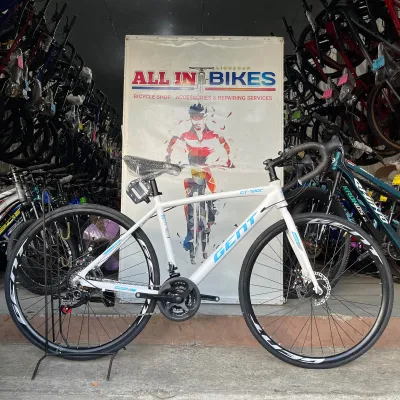
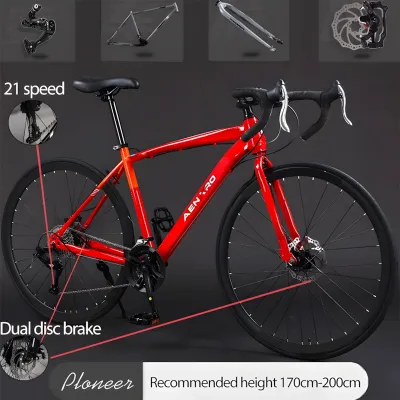
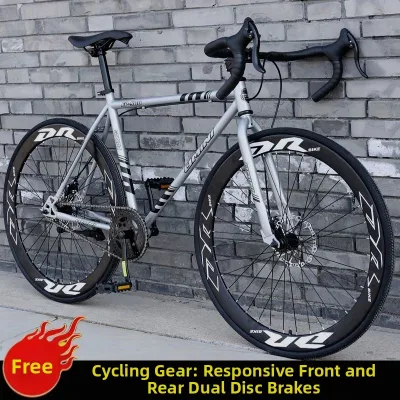
Prices are valid at publication and may change. Please refer to the product page for the latest price.
Local terrain and environmental conditions in the Philippines play a decisive role in determining the ideal bike configuration. If your typical routes consist of flat coastal roads, such as the bypass highways in Bulacan or coastal stretches in Cavite, your primary focus should be on aerodynamic efficiency and maintaining a steady tempo. However, if you plan to tackle the steep, rolling hills of Rizal, the Sierra Madre range, or the challenging climbs of Tagaytay, your bike must be equipped with a wide gearing range. A compact crankset paired with a wide-ratio cassette is essential for these routes, allowing you to maintain a high pedaling cadence and protect your knees from excessive strain on steep gradients.
Key Specifications to Compare Across Solana Models
When evaluating different Solana configurations, the frame material is one of the most significant factors influencing both performance and cost. Aluminum alloy frames are highly durable, structurally robust, and offer excellent power transfer, making them an outstanding choice for budget-conscious riders operating within entry-level ₱ price brackets. Carbon fiber frames sit in a higher investment tier but offer superior vibration damping, which helps absorb road buzz from rough provincial asphalt. This reduction in road vibration directly translates to less hand and upper-body fatigue on long rides, while also providing a lighter overall weight that makes climbing hills noticeably easier.

The drivetrain groupset serves as the engine room of your road bike, and comparing these components is crucial for finding the right balance of performance and maintenance. Entry-level mechanical groupsets are highly reliable, durable, and cost-effective to repair, making them perfect for beginners who are still learning gear management. Mid-range and high-end groupsets offer tighter gear steps, lighter weight, and smoother shifting under load. Electronic shifting systems, while requiring regular battery charging, eliminate cable stretch issues and provide consistent, precise gear changes with minimal physical effort, though they represent a much higher initial financial investment.
Wheelset profiles and tire clearance are critical specifications that directly affect how a bike handles wind and road imperfections. Deep-section aerodynamic wheels excel at holding speed on flat roads but can be difficult to control in strong crosswinds, which are common along coastal highways. Tire clearance is equally important; modern road bikes increasingly support wider tires, such as 28mm or 32mm widths. Running wider tires at slightly lower pressures significantly improves traction, cornering grip, and overall comfort on uneven or cracked road surfaces without sacrificing rolling efficiency.
Braking systems are a vital safety consideration, especially when riding in unpredictable tropical weather. Traditional rim brakes are lightweight, mechanically simple, and easy to adjust at home, but their stopping power decreases significantly when the rims become wet or dirty. Disc brakes—available in either mechanical or hydraulic configurations—provide consistent, powerful stopping performance regardless of weather conditions. Hydraulic disc brakes offer the best modulation and require the least hand effort, making them highly recommended for riders who frequently descend steep hills during sudden afternoon downpours or navigate congested, wet urban traffic.
Matching Solana Configurations to Rider Profiles
To simplify your decision-making process, you can match your specific riding style and experience level to one of three primary rider profiles. For beginners and casual fitness enthusiasts, the ideal setup focuses on comfort, durability, and simplicity. This profile is best served by a Solana configuration featuring a relaxed endurance geometry, a durable aluminum alloy frame, and a reliable entry-level mechanical groupset. This combination provides a stable, upright riding position that reduces physical strain, allowing new riders to build confidence and fitness without a massive upfront financial commitment.
For endurance and touring cyclists who prioritize long-distance comfort, the optimal configuration shifts toward vibration absorption and versatile gearing. This setup typically features a frame designed with built-in compliance, wider tire clearance to accommodate 30mm or 32mm tires, and a compact drivetrain (such as a 50/34T crankset paired with an 11-34T cassette) to tackle steep climbs with ease. Hydraulic disc brakes are highly recommended for this profile, ensuring reliable, fatigue-free stopping power over long descents and during extended hours in the saddle under changing weather conditions.
Performance and racing enthusiasts require a build optimized for speed, responsiveness, and aerodynamic efficiency. This profile demands an aggressive aero geometry that positions the rider’s torso low to minimize wind resistance, paired with a lightweight, stiff carbon fiber frame that maximizes power transfer. High-end mechanical or electronic groupsets with close-ratio gearing allow racers to maintain their optimal pedaling cadence at high speeds. Lightweight, mid-depth carbon wheelsets and hydraulic disc brakes complete this high-performance configuration, providing the precise handling and rapid deceleration needed for fast group rides and competitive events.
The following comparison matrix outlines these configurations to help you quickly identify which setup aligns with your cycling goals:
| Rider Profile | Frame Material | Geometry Type | Gearing Setup | Brake Type |
|---|---|---|---|---|
| Beginner / Casual | Aluminum Alloy | Relaxed Endurance | Compact (2×8 or 2×9 speed) | Rim or Mechanical Disc |
| Endurance / Touring | Carbon or Premium Alloy | Endurance / Compliant | Compact (2×10 or 2×11 speed, wide cassette) | Hydraulic Disc |
| Performance / Racing | Carbon Fiber | Aggressive Aero | Mid-Compact or Standard (2×11 or 2×12 speed) | Hydraulic Disc |
Pre-Purchase Checks and Sizing Verification
Selecting the correct frame size is the single most important step in the purchasing process, as an ill-fitting road bike can cause chronic pain, numbness, and poor handling. You should never rely on generic height charts, as individuals with the same overall height can have vastly different inseam lengths and torso proportions. Instead, consult the official Solana geometry chart for the specific model you are considering. Measure your inseam and reach carefully, and compare these measurements against the bike’s stack and reach specifications to ensure a proper fit that allows for a natural, comfortable riding posture.
Before finalizing your purchase, verify what accessories are included with the bike, as most performance road bikes do not come equipped with pedals, water bottle cages, or assembly tools. If you are purchasing the bike online or in a box, professional assembly at a qualified local bike shop is highly recommended. A professional mechanic will ensure that all bolts are torqued to exact manufacturer specifications, the wheels are properly trued, and the brakes and derailleurs are precisely aligned. This step is critical for your safety, as improper assembly can lead to mechanical failure or accidents on the road.
Finally, ensure that you purchase your bike through an authorized dealer to secure reliable after-sales support and valid warranty coverage in the Philippines. Authorized dealers can assist with initial bike fitting, perform necessary break-in adjustments after your first few rides, and provide access to genuine replacement parts, such as proprietary derailleur hangers or headset spacers. Establishing a relationship with a local shop also ensures you have a trusted resource for regular maintenance, professional tuning, and expert advice as your riding skills and gear requirements evolve.
Frequently Asked Questions (FAQ)
Is a Solana road bike suitable for daily commuting in the Philippines?
While a Solana road bike can be used for commuting, performance-oriented road bikes are designed primarily for speed and efficiency on paved surfaces rather than carrying heavy loads. The aggressive riding position and lack of integrated mounting points for traditional racks or heavy fenders can make daily commuting with a backpack less comfortable. Additionally, the narrow tires and stiff frames of road bikes transmit more road shock from potholes and uneven city streets. If you choose to commute on a road bike, consider upgrading to the widest tires your frame allows and using clip-on fenders to protect yourself from road spray during the rainy season.
How do I maintain the drivetrain during the rainy season?
Riding in wet and humid conditions introduces road grit, water, and salt into your bike’s drivetrain, which can accelerate wear and cause rust if left unaddressed. After riding in the rain, rinse off loose mud and grit with low-pressure water, dry the chain and cassette thoroughly with a clean rag, and apply a high-quality wet-conditions chain lubricant. Wet lubes are formulated to resist being washed away by water, though they tend to attract more dirt and require more frequent cleaning. Regularly inspect your chain, cassette, and chainrings for signs of rust or excessive wear, and use a chain wear indicator tool to replace the chain before it damages your expensive cassette.
Can I upgrade the wheels or groupset on an entry-level model later?
Yes, most entry-level road bike frames are highly customizable, allowing you to upgrade components as your budget permits and your skills improve. However, before purchasing aftermarket parts, you must verify frame compatibility, including axle standards (quick-release versus thru-axle), bottom bracket shell types, and brake mounting standards. It is highly recommended to consult a qualified bike mechanic to evaluate the compatibility of potential upgrades. Keep in mind that extensive upgrades can quickly become expensive; in many cases, saving those funds to purchase a higher-tier complete bike in the future may offer better overall value than upgrading every component on an entry-level frame.
Community discussion
Share your experience or ask a question. Comments are reviewed before publication.