
In the tropical heat and high humidity of the Philippines, managing friction is a constant challenge for athletes. The best sports anti-blister tape is one that matches your specific sport’s movement patterns, resists heavy sweat, and adheres securely without damaging the skin. Rather than looking for a single universal brand, athletes must evaluate material composition, adhesive types, and application methods to find the right fit for their training demands. High humidity accelerates sweat production, which can quickly degrade standard adhesives, making selecting the right tape a critical decision for runners, court players, and outdoor enthusiasts alike.
Understanding how your body interacts with your gear under extreme conditions is the first step toward blister-free performance. By analyzing your specific friction points and matching them with the correct tape characteristics, you can protect your skin and maintain your training volume without painful interruptions. This guide will help you navigate the key features of sports anti-blister tapes, match them to your athletic pursuits, and apply them safely for maximum efficacy.
Identifying Your Friction Points and Tape Needs
Friction is the primary driver of blister formation during athletic activities. When skin rubs against socks, shoes, or equipment, shear forces separate the outer layers of skin, allowing fluid to build up underneath. Managing this friction is essential for maintaining athletic performance and preventing painful interruptions during training or competition. For athletes training in warm environments, this issue is compounded by sweat, which softens the skin and makes it more susceptible to tearing under pressure.
Products mentioned in this guide
![[PENGGONG] INDSAY 1 Pcs Sports Anti Blister Tape - New Golf Club Finger Adhesive Low Tack Grip 2.5cm*4.5m](https://img.lazcdn.com/g/p/765c8f2a5d700a391507346781ec76e5.jpg_400x400q80.jpg_.webp)
Prices are valid at publication and may change. Please refer to the product page for the latest price.
It is crucial to distinguish between different types of friction to address them effectively. A “hot spot” is an early warning sign—a localized area of warmth, redness, or mild irritation indicating that a blister is about to form. Structural friction occurs at natural bony prominences, such as the back of the heel or the sides of the toes, where pressure is naturally higher. Friction from ill-fitting gear, such as shoes that are too tight or socks with thick, abrasive seams, requires a structural fix rather than just a tape cover.
Tape is highly effective as a physical barrier to absorb shear forces before they reach the skin, but it is not a cure-all. If your shoes are a full size too small, tape will only delay the inevitable discomfort. Athletes should assess whether footwear adjustments, switching to moisture-wicking synthetic socks, or applying anti-friction lubricants are more appropriate primary solutions. For targeted, high-wear areas where gear fit is already optimized, sports anti-blister tape serves as an excellent secondary line of defense.
Before applying tape, perform a quick assessment of your movement patterns. If you notice that friction consistently occurs in the same spot regardless of the socks or shoes you wear, that area is a prime candidate for taping. However, if the irritation is widespread or changes location with different gear, you may need to address the fit of your equipment first. Using tape as a targeted solution for known trouble spots yields the best results and keeps your skin intact.
Key Features to Evaluate in Sports Anti-Blister Tape
The physical makeup of the tape determines how it handles moisture and movement. Common options include synthetic blends (like nylon or polyester), traditional cotton, and silicone-backed materials. Synthetic blends often offer superior stretch and quick-drying properties, which are highly beneficial in tropical climates. Cotton tapes are highly breathable but can absorb and retain sweat, potentially softening the skin underneath over long periods. Silicone-backed options provide a smooth outer surface that minimizes friction against socks.

The adhesive backing must withstand heavy perspiration without sliding off or leaving a sticky residue. Zinc oxide adhesives are incredibly strong and commonly found in rigid tapes, but they can be harsh on sensitive skin and difficult to remove. Acrylic adhesives are widely used in flexible sports tapes; they are typically hypoallergenic and activate with body heat, offering a balanced hold. Silicone adhesives are gentler on the skin and allow for easier removal, though they may not hold up as well under extreme, high-impact shear forces.
A tape’s physical dimensions and elasticity affect how well it wraps around complex anatomical structures like toes and heels. High-stretch tapes conform easily to moving joints without restricting blood flow or pinching the skin. Rigid tapes offer excellent protection for flat surfaces but can create sharp edges or folds when wrapped around curved areas, which ironically can cause new blisters. Finding a tape with the right balance of conformability and thickness is key to ensuring it stays flat and functional.
Breathability is another critical factor to consider when evaluating tape materials. In high-temperature environments, trapped moisture can lead to skin maceration, a state where the skin becomes white, wrinkled, and highly fragile. Tapes with porous weaves or micro-perforations allow sweat vapor to escape, keeping the skin drier and more resilient. When selecting a tape, look for product specifications that highlight moisture vapor transmission rates or breathable fabric designs.
Matching Tape Characteristics to Your Sport
For long-distance runners and hikers navigating trails in hot, humid conditions, durability and moisture management are paramount. These activities involve repetitive, low-to-medium impact friction over several hours. The ideal tape for this scenario must have a highly water-resistant adhesive that will not slip when drenched in sweat or rain. Synthetic, low-profile tapes that mimic the skin’s natural elasticity are excellent choices here, as they remain secure over tens of thousands of steps without peeling at the edges.
Court sports demand rapid lateral movements, sudden stops, and explosive jumps. These actions subject the feet to intense, high-velocity shear forces. For these athletes, lateral shear resistance is the most critical factor. The tape must be robust enough to withstand sudden shifts inside the shoe without bunching up. A slightly thicker, highly conformable tape applied to the balls of the feet and the heels can absorb these sudden impacts and protect the skin from aggressive pivoting movements.
Athletes participating in water sports or outdoor training during the rainy season face constant water exposure. In these environments, standard adhesives fail almost instantly. Water-resistant or fully waterproof adhesive properties are non-negotiable. Look for specialized tapes designed to maintain their bond even when fully submerged. These tapes often feature advanced acrylic adhesives and quick-drying synthetic fibers that do not hold water, preventing the skin underneath from becoming macerated and vulnerable to tearing.
For multi-sport athletes or those who engage in cross-training, a versatile, medium-stretch synthetic tape is often the most practical choice. This type of tape can be adapted for various activities, providing decent water resistance for swimming sessions and sufficient shear protection for running or weightlifting. Understanding the primary physical demands of your sport allows you to prioritize either maximum adhesion, high flexibility, or superior water resistance when choosing your tape.
Safe Application, Maintenance, and Removal
Proper application is just as important as choosing the right tape. Before applying any tape, the skin must be thoroughly cleaned and dried. Wash the area with mild soap and water to remove sweat, dirt, and natural oils. Avoid applying any lotions, creams, or anti-friction lubricants to the specific area you plan to tape, as these substances will prevent the adhesive from bonding correctly. If you have excess hair in the target area, careful shaving or trimming can help the tape adhere more securely and make removal less painful.
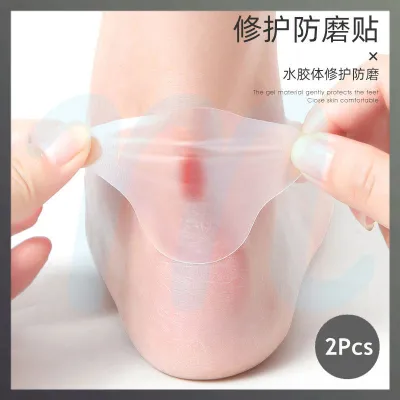
When applying tape to high-friction zones like the heels, toes, or the balls of the feet, ensure the tape lies completely flat. Any wrinkles, bubbles, or folded edges can create new pressure points and actually cause the blisters you are trying to prevent. Cut the tape with sharp scissors, and round the corners of each strip; rounded edges are far less likely to catch on socks and peel up during movement. Apply the tape with minimal tension unless joint support is also required, as over-stretching the tape can pull on the skin and cause tension blisters.
Removing sports tape incorrectly can tear the skin and leave raw, painful patches that are highly susceptible to infection. Never rip the tape off quickly like a bandage. Instead, gently peel it back in the direction of hair growth, keeping the tape close to the skin’s surface. If the adhesive is exceptionally strong, apply a small amount of baby oil, coconut oil, or a dedicated adhesive remover to the edges. Let it sit for a few minutes to break down the adhesive bond before gently sliding the tape off.
If you are applying tape over an area that already has a minor hot spot or a closed blister, use a small piece of non-stick sterile gauze or a specialized blister pad directly over the sensitive area before covering it with the sports tape. This prevents the strong adhesive from sticking directly to the damaged skin, ensuring that when you remove the tape later, you do not accidentally tear open the blister roof and expose the raw skin underneath.
Building Your Shortlist: What to Check Before Buying
When browsing local sports stores or online marketplaces, read the product packaging carefully. Look for clear indications of hypoallergenic properties and latex-free formulations, especially if you have sensitive skin or a history of contact dermatitis. Checking these specifications beforehand helps prevent allergic reactions that can ruin a training session and leave your skin irritated.
Adhesives are sensitive to environmental conditions, particularly the high heat and humidity common in tropical climates. Always check the packaging for manufacturing or expiration dates, as older tape may have degraded adhesive that fails during use. Store your tape rolls in a cool, dry place, away from direct sunlight and moisture, to preserve their stickiness and structural integrity over time.
To ensure your training remains economical, calculate the cost-per-meter of the tape options on your shortlist. Compare the price in ₱ against the total length and width of the roll. A wider roll (such as 5 centimeters) offers more versatility as it can be cut down to custom sizes for toes or used whole for heels, providing better overall value for athletes with high training volumes.
Additionally, consider the portability of the packaging. If you frequently travel for competitions or train outdoors, look for tapes that come in protective plastic cases or compact rolls that fit easily into a first-aid kit or training bag. Keeping the tape protected from dirt, lint, and moisture in your gear bag ensures that the adhesive remains clean and fully functional when you need to apply it on the go.
Frequently Asked Questions (FAQ)
Can I use regular athletic tape instead of specialized anti-blister tape?
While standard rigid athletic tape is excellent for joint support and immobilization, it is generally not ideal for blister prevention. Rigid tape lacks the elasticity and smooth outer texture required to reduce friction against socks. It also tends to bunch up and form sharp creases when applied to highly mobile areas like toes, which can actually cause blisters. Specialized anti-blister tapes are designed with low-friction backings and flexible materials that stretch with your movements, making them far more effective at managing shear forces.
How long can I safely leave anti-blister tape on my skin?
You should always check the manufacturer’s label for the maximum recommended wear time, as some tapes are designed for single-session use while others can last for multiple days. However, in hot and humid climates, it is generally best to remove the tape after your workout to prevent moisture buildup and skin maceration. If you experience any itching, burning, redness, or irritation while wearing the tape, stop your activity and remove it immediately to protect your skin.
Community discussion
Share your experience or ask a question. Comments are reviewed before publication.