
To find the right Srixon golf ball, you must align your average swing speed, handicap, and typical playing conditions with the ball’s construction. Golfers with high swing speeds who prioritize greenside spin generally benefit from multi-layer urethane models, while moderate-to-slow swing speed players often find better distance and straighter flight with low-compression ionomer options. Evaluating these factors ensures you do not waste energy or compromise control on the course.
Choosing a golf ball that matches your physical capabilities prevents common performance issues. A ball that is too firm for your swing speed will feel harsh and lose distance, while a ball that is too soft for a fast swing can over-compress, resulting in inconsistent trajectories and high spin rates off the driver.
Assessing Your Swing Speed and Skill Level
Your swing speed is the primary physical metric that determines how a golf ball behaves at impact. While professional launch monitors provide the most accurate measurements, you can estimate your swing speed category using your average driver carry distance. If your driver carry distance is consistently over 230 meters, your swing speed is likely fast, typically exceeding 100 miles per hour. If your carry distance ranges between 180 and 230 meters, you fall into the moderate category, while distances below 180 meters generally indicate a slower swing speed.
Products mentioned in this guide
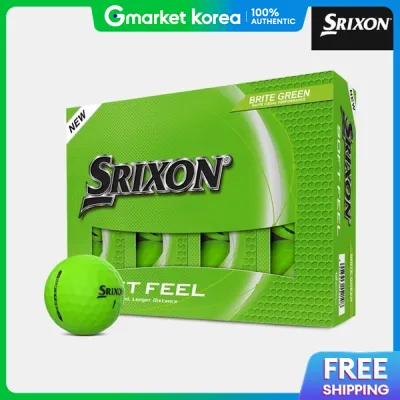
![[Srixon] Soft Feel Golf Ball / New Version / 1 Dozen (12p)](https://img.lazcdn.com/g/p/9896330f918c2d8fc2df806825857381.jpg_400x400q80.jpg_.webp)
Prices are valid at publication and may change. Please refer to the product page for the latest price.
Your handicap level also dictates whether you should prioritize spin control or straight-flight forgiveness. High-handicap players often struggle with inconsistent clubface delivery, which introduces unwanted side-spin. For these golfers, a ball designed to minimize spin off the tee helps keep shots in the fairway. Conversely, low-handicap players who regularly hit greens in regulation require high spin rates to control their approach shots and stop the ball quickly on firm greens.
The relationship between swing speed and ball compression is rooted in energy transfer. Compression is a measurement of how much a golf ball deforms under a specific load. A faster swing speed generates enough force to fully compress a firmer, high-compression ball, unlocking its maximum rebound velocity. If a slower-swinging golfer plays a high-compression ball, they will fail to compress the core, resulting in a loss of ball speed and a harsh feel at impact. Matching compression to your actual swing speed is essential for optimizing distance.
Understanding the Srixon Golf Ball Lineup
Srixon organizes its golf ball lineup into distinct families, each engineered for specific player profiles and performance goals. Understanding this product architecture allows you to narrow down your choices before looking at individual specifications. The lineup ranges from premium, tour-proven multi-layer models to highly durable, two-piece distance balls.

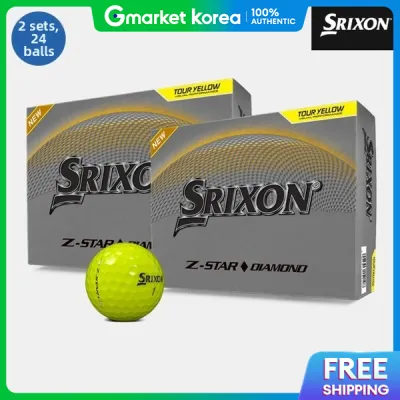
The Z-Star family represents Srixon’s tour-level and advanced player category. These balls feature multi-layer constructions and thin urethane covers designed for maximum greenside spin and precise workability. Within this family, the standard Z-Star offers a softer feel and high spin, the Z-Star XV focuses on maximum distance for very fast swing speeds, and the Z-Star Diamond balances high iron spin with excellent driver distance. These models require faster swing speeds to perform as intended.
For mid-handicap and amateur players, the Q-Star family provides a balanced blend of distance, durability, and greenside feel. The Q-Star Tour is a notable model in this category, featuring a soft urethane cover and a lower-compression core. This design allows golfers with moderate swing speeds to enjoy the high greenside spin of a tour-style ball without needing a high swing speed to compress the core. The standard Q-Star utilizes an ionomer cover for enhanced distance and durability.
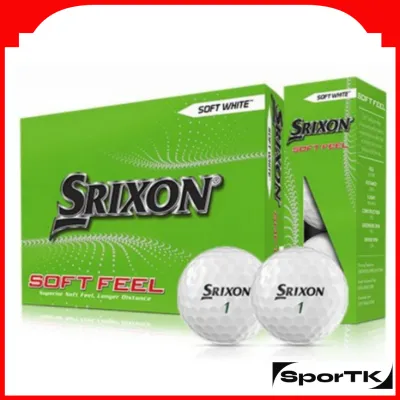
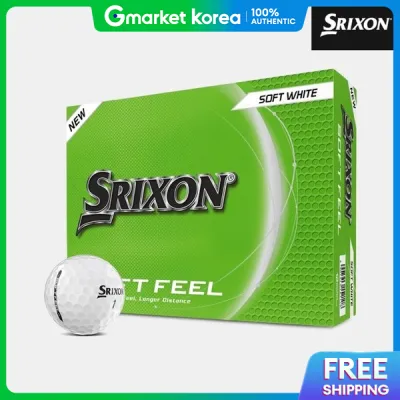
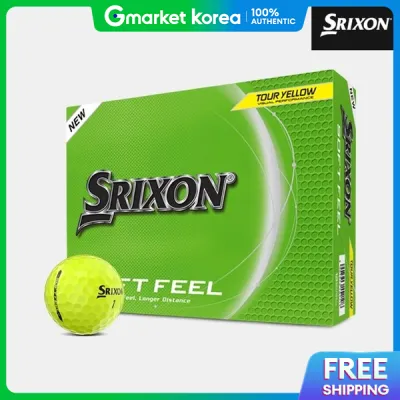
Beginners and high-handicap players are generally best served by the Soft Feel or Distance lines. The Soft Feel features a highly resilient, low-compression core wrapped in a thin ionomer cover, prioritizing straight flight, soft impact feel, and excellent cut resistance. The Srixon Distance model focuses on maximizing roll and carry for slower swing speeds. Both lines are designed to minimize side-spin, helping to reduce the severity of slices and hooks.
Because golf ball technology evolves, it is important to check the specific generation and label specifications on the packaging. Srixon updates its core formulations, cover thicknesses, and dimple patterns every few years. Always verify the compression rating and cover material listed on the box to ensure the current model year matches your playing requirements.
Matching Playing Priorities to Ball Construction
Translating your on-course goals into specific ball construction features is the key to making an informed purchase. The number of layers, cover material, and aerodynamic design all play critical roles in how the ball behaves from the tee to the putting green.
Piece construction is the first major differentiator. Two-piece golf balls consist of a single large core surrounded by a cover. This simple design maximizes distance and durability while keeping manufacturing costs low, making them highly economical. Three-piece and multi-layer designs introduce one or more mantle layers between the core and the cover. These intermediate layers allow the ball to behave differently depending on the force of the impact, delivering low spin off the driver and high spin off short irons.
The cover material is the most influential factor for short-game performance. Urethane covers are soft and flexible, allowing the grooves of your wedges to grab the cover at impact to generate high spin rates. This is crucial for executing precise chips, pitches, and bunker shots. Ionomer covers are much harder and more durable, resisting scuffs from cart paths or trees. However, ionomer slides up the clubface more easily, resulting in lower greenside spin and a firmer feel.
Aerodynamics and dimple patterns influence how the ball cuts through the air. Srixon utilizes a proprietary Speed Dimple pattern designed to reduce drag during the initial flight and maintain lift as the ball slows down. In the tropical, humid climate of the Philippines, dense air can sap carry distance, and sudden rain showers can soften fairways. A highly aerodynamic dimple pattern helps maintain a stable, penetrating trajectory through heavy air, while a high-spin urethane cover provides the stopping power needed on wet, soft greens.
Player Profile Selection Matrix
To simplify your decision-making process, use the matrix below to identify which Srixon golf ball category aligns with your current skill level, swing speed, and primary on-course priorities.
| Player Profile (Skill / Speed) | Primary On-Course Priority | Recommended Srixon Category | Key Specs to Verify on the Box |
|---|---|---|---|
| Beginner / Slow-Moderate | Straight flight, maximum distance, durability | Soft Feel / Distance | 2-piece construction, low compression, ionomer cover |
| Mid-Handicap / Moderate | Balanced distance, soft feel, greenside control | Q-Star / Q-Star Tour | 3-piece (Tour) or 2-piece, mid compression, urethane or ionomer |
| Low-Handicap / Fast | Maximum greenside spin, workability, high ball speed | Z-Star Family (Z-Star, XV, Diamond) | Multi-layer construction, high compression, thin urethane cover |
Before committing to a full dozen, which can range from ₱1,200 to over ₱2,800 depending on the model, it is highly recommended to purchase a single three-ball sleeve. Testing a sleeve on the putting green, chipping area, and during a practice round allows you to evaluate the feel and flight characteristics firsthand. Pay close attention to how the ball feels off the putter face and whether you can control its rollout on short chips.
As your game improves, your ball requirements will naturally change. If you find that your swing speed is increasing and you are consistently hitting more fairways, transition from a distance-focused ionomer ball to a control-focused urethane ball. This transition will help you develop a more precise short game, as the added greenside spin allows for more aggressive approach shots.
Purchasing Channels and Pre-Buy Verification
To ensure you receive authentic Srixon golf balls that perform to their design specifications, always purchase through authorized channels. In the Philippines, you can find genuine Srixon products at official brand pro shops, authorized physical golf retailers, and reputable online sports stores. Be cautious of exceptionally low-priced listings on online marketplaces, as counterfeit golf balls are common and do not offer the same core consistency or cover durability.
When buying, take a moment to verify the package labels. Ensure the box clearly states the piece count, cover material, and compression level. Authentic Srixon packaging features high-quality, crisp printing with clear alignment guides and official branding. If the packaging looks faded, blurry, or lacks clear model identifiers, it may be a counterfeit or a repackaged used ball.
Finally, inspect the physical balls inside the box before heading to the course. Genuine Srixon golf balls have perfectly aligned alignment lines, crisp brand stamps, and uniform dimple patterns. Any visible defects, such as off-center logos, smudged ink, or uneven dimple depths, are strong indicators of counterfeit goods or low-quality refurbished balls. Investing in authentic equipment ensures consistent performance on every swing.
Frequently Asked Questions (FAQ)
Does a higher compression ball always mean more distance?
No, a higher compression ball does not guarantee more distance for every golfer. High-compression balls require a fast swing speed to fully compress the core and activate its elastic rebound properties. If your swing speed is moderate or slow, you will not be able to compress a firm ball, which can result in a loss of ball speed, shorter carry distances, and a harsh, uncomfortable feel at impact. Matching the ball’s compression to your actual swing speed is far more effective for maximizing distance.
Should high-handicappers use premium tour-level golf balls?
Generally, high-handicappers should avoid premium tour-level golf balls. These balls are engineered to maximize spin, which is highly beneficial for skilled players controlling their short game. However, for players with inconsistent swing paths, this high spin rate will exaggerate side-spin, turning minor fades and draws into severe slices and hooks. Using a lower-spin, ionomer-covered ball helps keep your shots straighter, keeps the ball in play, and is much more cost-effective.
How does weather and course condition affect golf ball choice?
Weather and course conditions play a significant role in how a golf ball performs. In hot, humid tropical climates like the Philippines, the air is less dense, which can slightly increase carry distance, but wet fairways from sudden rain will drastically reduce roll-out. In wet conditions, playing a softer urethane-covered ball helps you maintain greenside control and stopping power on damp greens. In windy conditions, a ball with a lower-launch profile and advanced dimple aerodynamics will resist wind drift much better than a high-spinning model.
Community discussion
Share your experience or ask a question. Comments are reviewed before publication.