
Finding the right walking pad for a compact condominium in the Philippines requires balancing your physical stride with the realities of limited floor space. A typical unit demands a machine that can easily tuck away when not in use, yet remains wide and long enough to support a natural walking gait safely. To make the right choice, you must evaluate your specific room layout, verify the physical dimensions of the equipment, and ensure you have enough clearance to exercise without restriction. By focusing on practical measurements and storage capabilities, you can establish a highly functional home workout setup that does not compromise your daily living area.
Assessing Your Available Floor Space and Safety Clearances
Before browsing online marketplaces or local fitness stores, you need to map out the exact zone where you plan to walk. Do not rely solely on the total square footage of your bedroom or living area, as furniture placement heavily dictates your actual usable space. Instead, use a tape measure to outline a dedicated workout box on your floor, taking into account the swing of wardrobe doors, the placement of your bed, and daily foot traffic paths. This ensures that your exercise routine does not block essential pathways or require you to constantly rearrange heavy furniture.
Safety clearances are critical when operating any motorized fitness equipment, even compact walking pads. Manufacturers generally recommend leaving a clear, unobstructed space of at least 0.5 meters on both sides of the walking pad and up to 1 to 1.5 meters behind the machine. This rear clearance acts as a vital safety zone in case you lose your footing, slip, or need to step off quickly during a workout. Placing the rear of the machine directly against a wall or a piece of furniture increases the risk of injury if you fall backward.
Products mentioned in this guide

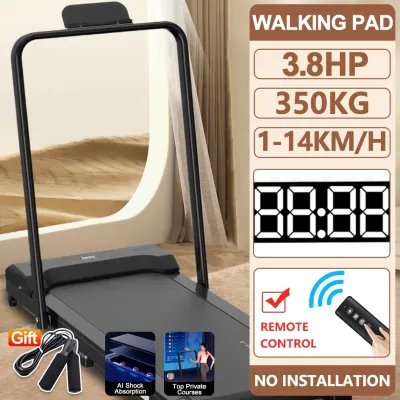
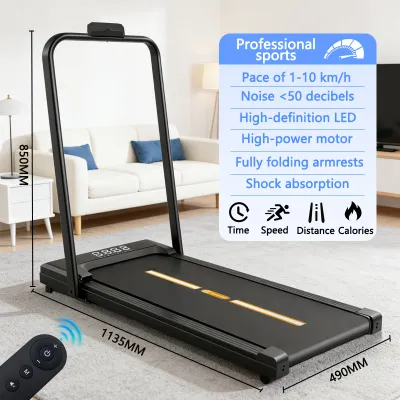
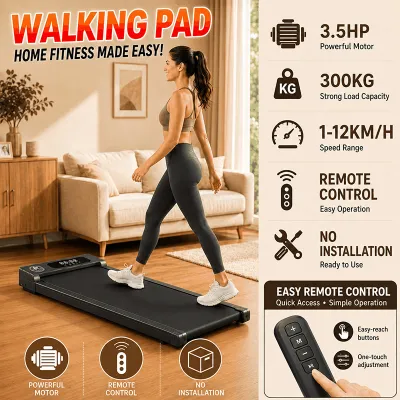
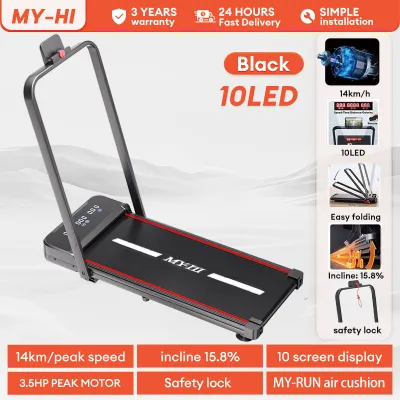
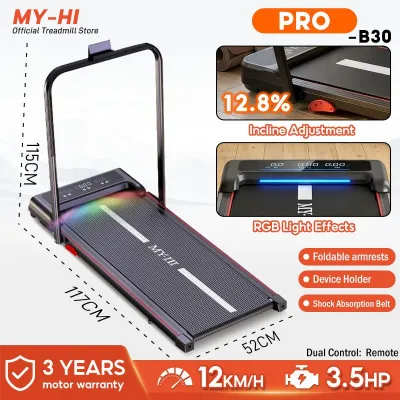
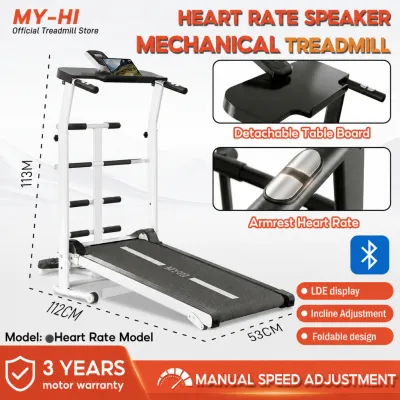
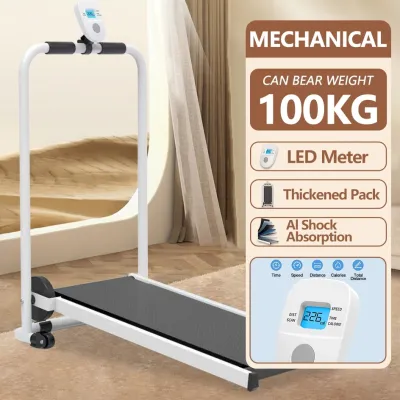
Prices are valid at publication and may change. Please refer to the product page for the latest price.
Additionally, you must plan the delivery route from the building entrance to your unit. Measure the height and width of your condo building’s elevators, hallway corners, and your front door frame. Verifying these dimensions against the boxed product specifications prevents the frustration of receiving a unit that cannot physically clear your entryway. This step is especially important in older condominium developments where corridors and elevator doors may be narrower than modern standards.
Balancing Machine Footprint With Running Surface Size
When comparing models, distinguish clearly between the total machine footprint and the actual running belt dimensions. The total footprint includes the motor housing, frame, side rails, and any folding joints, which can add significant length and width to the unit. The running belt, or usable surface area, is where your feet actually make contact. A machine might look compact on paper, but if the frame is excessively bulky, it will consume more floor space than necessary.

Your height and natural stride length dictate the minimum belt size you need for a comfortable workout. Taller individuals or those planning a brisk walking pace require a longer belt to accommodate a wider stride without stepping onto the front motor cover or falling off the rear. A belt width of at least 40 centimeters is generally recommended to prevent your feet from catching on the side rails, which can disrupt your balance. If you have a shorter stride, you can comfortably opt for a more compact model, saving valuable floor space.
You should also verify the manufacturer’s weight capacity and motor specifications on the product label. Compact machines often have lower weight limits and smaller motors, which can affect performance if pushed beyond their intended use. Checking these specifications ensures the machine matches your physical profile while maintaining a compact footprint. A motor that is too weak for your weight will wear out quickly, especially when used in warm environments.
Choosing the Right Folding and Storage Mechanism
In a small condo, the ability to reclaim your living space after a workout is essential. Walking pads generally fall into two design categories: 180-degree double-folding models and flat, non-folding under-desk variants. Double-folding models fold completely in half, significantly reducing their storage length so they can fit into tight closets or upright corners. Flat models, on the other hand, rely on an ultra-slim profile to slide directly under sofas or bed frames without needing to be folded.
Consider the physical weight of the machine and the presence of built-in transport wheels. Even a compact walking pad can weigh between 20 to 40 kilograms, making it difficult to lift or maneuver without assistance. Wheels allow you to roll the unit across hard flooring, but you should verify that the wheel material will not scratch or dent your specific floor tiles or wood planks. If you plan to store the machine vertically, ensure it has a stable base or a secure wall mount to prevent it from tipping over.
Before purchasing, inspect the manufacturer’s instructions regarding hinge durability and locking mechanisms. Folding models require robust latches to remain stable during use. Checking user manuals or product labels for structural reinforcement details helps ensure the folding joints will withstand repeated daily setups without loosening. A loose hinge can cause the walking surface to sag, leading to an uneven stride and potential joint strain.
Designing a Functional Workout Layout in a Small Room
Integrating a walking pad into your daily routine requires a layout that supports both safety and convenience. Position the machine close to a grounded electrical outlet to avoid stretching cords across walking paths. If you must run a cable along the floor, use a heavy-duty rubber cable protector to eliminate tripping hazards and protect the wire from wear. Never plug fitness equipment into overloaded extension cords or multi-way adapters, as this can pose an electrical hazard.
Proper ventilation is crucial, especially in the warm, humid climate of the Philippines. Avoid placing the walking pad’s motor housing directly against walls, heavy drapes, or near heat-generating appliances. Ensuring adequate airflow around the motor prevents overheating during extended walking sessions and helps prolong the lifespan of the internal electronics. If you use the machine in an air-conditioned room, position it where the cool air can circulate around the base of the unit.
To maximize utility, consider a multi-use setup that fits your lifestyle. Placing the walking pad under an adjustable standing desk allows you to stay active during work hours, while positioning it within view of a television or tablet mount can make your daily exercise more engaging. Just ensure that any screens or desks are stable and do not block your emergency stop cord or safety key access. Having a clear view of your surroundings also helps you maintain balance while walking.
Frequently Asked Questions (FAQ)
Can I use a walking pad on a raised condo floor or carpet?
Yes, but you must verify your building management’s guidelines regarding floor load limits and structural restrictions. To protect your flooring from scratches, indentation, and sweat, always place a high-density equipment mat beneath the walking pad. A mat also prevents carpet fibers from entering the motor housing, which can cause overheating and premature wear. If your condo has raised wooden flooring, a mat helps distribute the weight more evenly.
How do I reduce noise and vibration for downstairs neighbors?
To minimize impact noise in multi-story residential buildings, place the walking pad on a thick, anti-vibration rubber mat. Avoid positioning the machine on hollow or suspended floor sections, which can act as a soundboard and amplify vibrations. Walking at a moderate pace, wearing supportive indoor athletic shoes, and maintaining the belt’s lubrication according to the manufacturer’s instructions will also help keep operational noise to a minimum.
Community discussion
Share your experience or ask a question. Comments are reviewed before publication.