
A complete pamingwit set—commonly known as a fishing rod and reel combo—should include a matched rod, a compatible reel, a spool of fishing line, and essential terminal tackle such as hooks, sinkers, swivels, and bobbers. Buying these components together ensures that the rod’s flexibility and the reel’s line capacity are balanced, saving you from the trial and error of matching individual parts. For beginners and casual anglers, a pre-packaged set provides a ready-to-use system that simplifies your entry into the sport.
Before purchasing, evaluate the specifications of each component to ensure they match your target environment, whether you are casting into local freshwater ponds or targeting saltwater species along the coast. Understanding how to read manufacturer labels and inspect hardware quality will help you select a durable setup that performs reliably under tropical conditions.
What to Expect in a Standard Pamingwit Complete Set
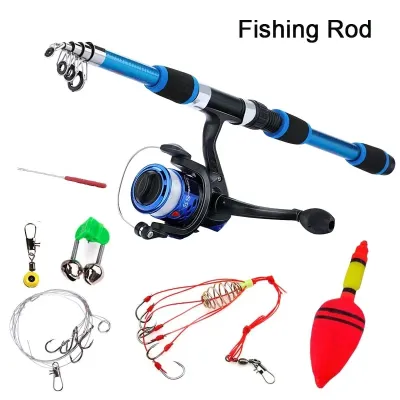
When unboxing a standard pamingwit complete set, the core hardware should consist of a fishing rod blank and a matching reel. Depending on the package, the fishing line may come pre-spooled onto the reel or packaged as a separate spool. Verifying that these primary components are designed to work together is the first step in ensuring a smooth casting experience.
Products mentioned in this guide
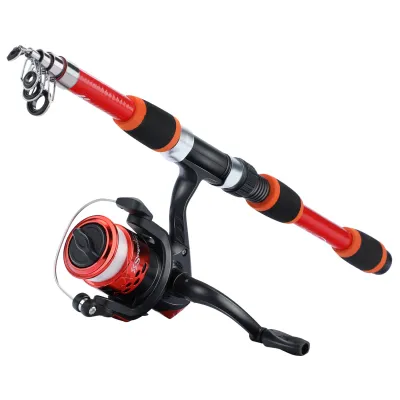
![[In Stock]Sougayilang Fishing Rod Set Full Set 1.8mTelescopic Fishing Rod and Spinning Fishing Reel and Fishing Accessories Fishing Rod Complete Set](https://img.lazcdn.com/g/p/e37753596223983276174dfaf93f2cb3.jpg_400x400q80.jpg_.webp)
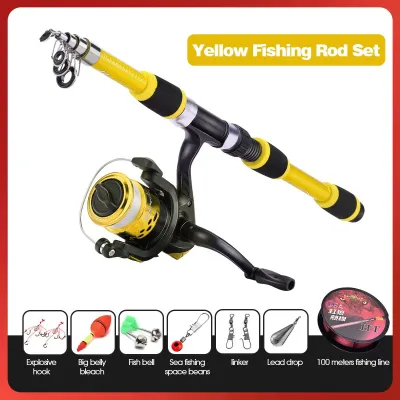
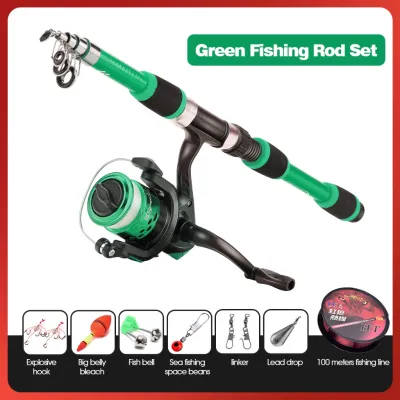
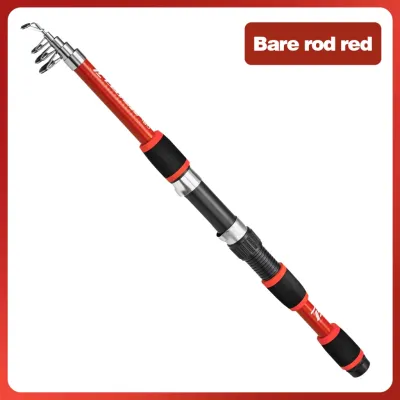
Prices are valid at publication and may change. Please refer to the product page for the latest price.
Beyond the rod and reel, a comprehensive set includes terminal tackle, which comprises the small accessories attached to the end of your line. Look for a basic utility box containing a variety of hooks, split-shot sinkers, barrel swivels, and plastic bobbers. These accessories allow you to configure different rigs depending on whether you are bait fishing on the bottom or suspending bait mid-water.
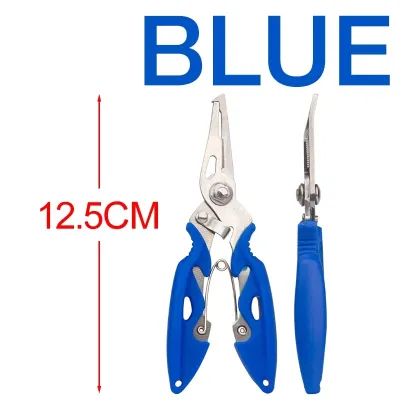
Many complete sets also feature convenient add-ons designed to make transport and storage easier. These can include a fabric carrying bag, protective rod tip covers, and basic tools like line clippers. While these extras add value, prioritize the quality of the rod, reel, and line, as they directly impact your ability to cast and retrieve successfully.
Decoding Rod Specifications for Your Target Catch
The rod blank is the foundation of your fishing setup, and its performance is determined by its power, action, length, and material. Rod power refers to the amount of force required to bend the rod, ranging from ultra-light to heavy. Action describes where the rod bends along its length; fast-action rods bend primarily near the tip, offering high sensitivity, while slow-action rods bend throughout the blank, providing a more forgiving cushion when fighting active fish.

Most entry-level and intermediate sets feature rods made of either fiberglass or graphite. Fiberglass rods are highly durable, flexible, and resistant to physical impacts, making them excellent for beginners or rugged environments. Graphite rods, on the other hand, are lighter and much more sensitive, allowing you to feel subtle nibbles, though they require more careful handling to prevent breakage.
You should also inspect the guide rings aligned along the rod blank. These guides direct the line from the reel to the tip, and they must withstand significant friction and heat during retrieval. Look for stainless steel frames with smooth ceramic or aluminum oxide inserts, as rough or damaged guides can quickly fray your fishing line and lead to unexpected breakages.
Evaluating Reel Mechanics and Gear Ratios
The reel is the mechanical heart of your pamingwit set, and its size must balance naturally with the rod. Spinning reels are the most common type included in complete sets due to their versatility and ease of use. Reel sizes are typically designated by numbers such as 2000, 3000, or 4000; smaller sizes are suitable for light lines and smaller fish, while larger sizes accommodate thicker lines and offer greater line capacity.
A reel’s gear ratio determines how many times the spool rotates with a single turn of the handle. For example, a 5.2:1 gear ratio means the spool spins 5.2 times per turn, which is a highly versatile speed for various fishing techniques. Additionally, check the manufacturer’s specifications for the bearing count; while more bearings generally contribute to smoother operation under load, the quality and corrosion resistance of the bearings are far more important than the quantity.
The drag system is another critical feature to evaluate before heading to the water. The drag consists of friction plates inside the reel that allow line to slip out under tension, preventing the line from snapping when a fish pulls hard. Test the drag adjustment knob to ensure it tightens and loosens smoothly, providing consistent resistance without sticking.
Assessing Line Strength and Terminal Tackle Quality
The fishing line included in a complete set is your direct link to the fish, making its strength and material composition highly important. Monofilament line is the standard choice for most starter kits because it is easy to knot, has a moderate amount of stretch to absorb sudden shocks, and floats on the water surface. If you plan to fish in areas with sharp rocks or heavy underwater vegetation, verify if the line has sufficient abrasion resistance or consider upgrading to a fluorocarbon leader.
The terminal tackle assortment should offer enough variety to let you adapt to different fishing conditions. Ensure the hooks provided are sharp and made of high-carbon steel or coated materials to resist bending. A good set should include multiple hook sizes so you can match the hook to the size of your bait and target species.
Swivels and connectors are small but vital components that prevent your line from twisting as your bait spins in the water. Check that the swivels rotate freely under light pressure and feature a corrosion-resistant finish. In humid and tropical environments, low-quality metal components can rust quickly, so inspecting these small parts before use is essential for maintaining gear integrity.
Matching Component Specs to Your Fishing Scenarios
Selecting the right pamingwit complete set requires matching the gear’s specifications to your specific fishing environment. If you plan to fish in saltwater coastal areas or estuaries, prioritize sets that explicitly feature corrosion-resistant materials, such as graphite reels, stainless steel guides, and sealed drag systems. Freshwater environments are generally more forgiving on gear, allowing you to focus more on sensitivity and lightweight handling.
You must also scale your gear to the size and strength of your target catch. A light-power rod paired with a small 2000-series reel is excellent for targeting smaller species in local ponds or slow-moving rivers. However, if you are targeting larger, hard-fighting fish, you will need a medium-heavy rod, a larger reel with a higher maximum drag capacity, and a stronger pound-test line to handle the increased tension.
Finally, consider your own skill level and carrying method when choosing a set. Beginners usually benefit most from a medium-power spinning rod combo, which is highly forgiving, easy to cast, and versatile enough for multiple techniques. Telescopic rods or multi-piece travel rods included in some sets are highly convenient if you need to transport your gear on a motorcycle or in a compact bag, though they require careful joint alignment during assembly.
Frequently Asked Questions (FAQ)
Is it better to buy a complete set or build a custom setup?
A complete set is generally the most practical and cost-effective choice for beginners, casual anglers, or anyone looking for a convenient, ready-to-use option. These bundles are pre-configured by manufacturers to ensure the rod, reel, and line work together harmoniously, eliminating compatibility guesswork. However, if you are targeting highly specific species, using advanced techniques, or require premium components designed for extreme conditions, building a custom setup allows you to select each piece to meet those exact performance demands.
How do I maintain a complete set after fishing in saltwater?
To prevent corrosion and extend the lifespan of your gear, always rinse the rod, reel, and used terminal tackle thoroughly with clean, fresh water after every saltwater outing. Avoid using high-pressure spray, which can force salt and sand deeper into the reel’s internal gears; instead, use a gentle stream or a damp cloth. Allow all components to dry completely in a shaded, well-ventilated area before storing them, and periodically check the manufacturer’s guidelines regarding reel lubrication and loosening the drag knob during long-term storage.
Community discussion
Share your experience or ask a question. Comments are reviewed before publication.