
Choosing the right fishing rod in the Philippines depends on matching the rod’s power, action, and length to the specific habitat and fighting style of your target species. Whether you are targeting delicate feeders like tilapia in local ponds, fast-running bangus in brackish fishpens, or powerful, structure-loving lapu-lapu along coastal reefs, your gear must balance sensitivity with lifting power. Understanding these specifications ensures you do not snap a line, lose a prized catch to a rocky crevice, or exhaust yourself with mismatched equipment.
Decoding Rod Power, Action, and Length for Target Fish
Rod power refers to the amount of force required to bend the rod blank. It ranges from ultralight, which is highly sensitive and designed for small fish, to heavy, which provides the backbone needed to pull large fish out of dense cover. Matching the rod power to your target fish’s weight and the line’s pound-test rating prevents structural damage to the rod and ensures proper casting performance.
Rod action describes where the rod blank bends when pressure is applied. Fast-action rods bend primarily near the tip, offering quick hook sets and high sensitivity, which is ideal for detecting subtle bites. Moderate and slow-action rods bend further down the blank, providing effective shock absorption that prevents hooks from tearing out of soft-mouthed fish during long, sustained runs.
Products mentioned in this guide
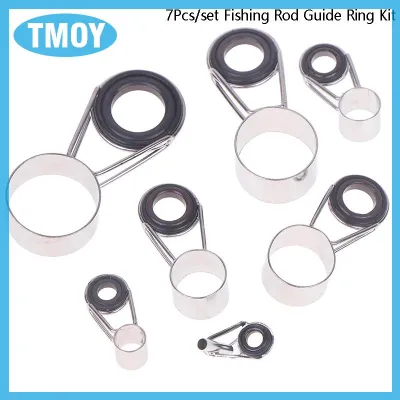
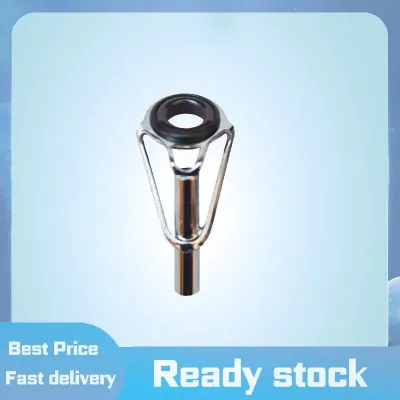
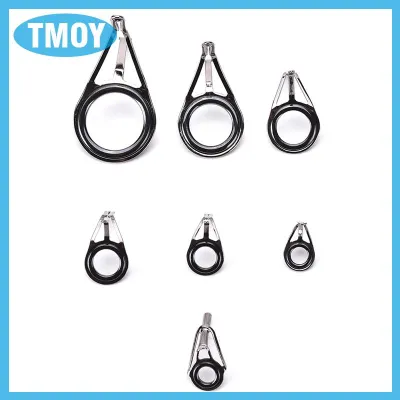

Prices are valid at publication and may change. Please refer to the product page for the latest price.
Rod length dictates your overall casting distance, leverage, and control over a hooked fish. Longer rods, typically measuring over 7 feet, excel at casting baits far into open water or over coastal surf. Shorter rods, usually under 6 feet, offer greater leverage for vertical jigging and are much easier to maneuver when fishing in confined spaces like overgrown riverbanks or crowded boats.
Selecting Rods for Tilapia and Bangus
Tilapia are notorious for their cautious, subtle nibbles, especially in heavily fished public lakes and private ponds. To detect these delicate bites, anglers benefit from using an ultralight to light-power rod with a fast-action tip. This setup transmits the slightest vibrations directly to your hand, allowing you to set the hook before the fish spits out the bait.

Bangus, or milkfish, present a different challenge due to their explosive speed and sustained, hard runs once hooked. While they are often targeted using lightweight baits like bread or green algae, they require a rod with a light to medium-light power rating and a moderate-fast action. The moderate bend absorbs the sudden, violent head shakes of the bangus, preventing the hook from tearing through their relatively soft mouths.
When fishing for these species, local environmental conditions heavily influence your choice of rod length. Many tilapia ponds and brackish bangus fishpens are surrounded by dense tropical vegetation, low-hanging tree branches, or narrow bamboo walkways. In these confined spaces, a shorter rod measuring between 5.5 and 6.5 feet allows for accurate, short-range casting without tangling your gear in overhead obstacles.
If you are fishing in wider, open fishponds or casting from clear banks, extending your rod length to 7 feet can help you reach deeper channels where larger fish tend to congregate. This extra length also provides better line management, helping you steer a fighting bangus away from sharp bamboo poles and netting structures that could easily sever your line.
Choosing Heavy-Duty Rods for Lapu-Lapu and Reef Species
Lapu-lapu, or grouper, are ambush predators that strike quickly and immediately dive back into the nearest underwater structure, such as coral reefs, rock formations, or sunken debris. To stop this powerful downward dive, you need a medium-heavy to heavy-power rod with a fast or extra-fast action. This combination provides the immediate lifting power and stiff backbone necessary to turn the fish’s head and pull it into open water before your line rubs against sharp rocks.
The ideal rod length for targeting reef species depends heavily on your fishing platform. When fishing from a boat or a small outrigger, a shorter rod of 6 to 6.6 feet is advantageous because it provides maximum leverage directly under the vessel and is easy to handle in tight quarters. Conversely, if you are casting from rocky shores or piers, a longer rod of 8 to 9 feet is necessary to cast heavy sinkers past the shallow rocks.
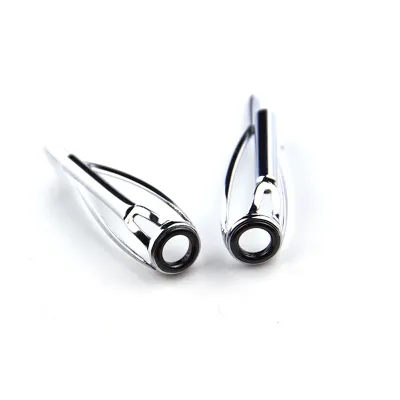
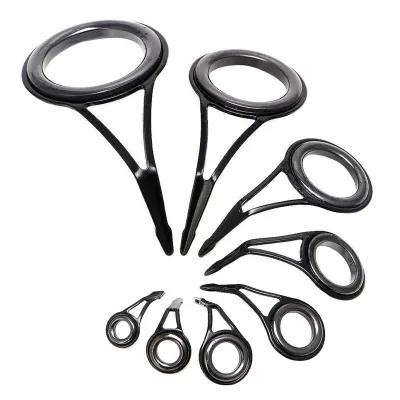
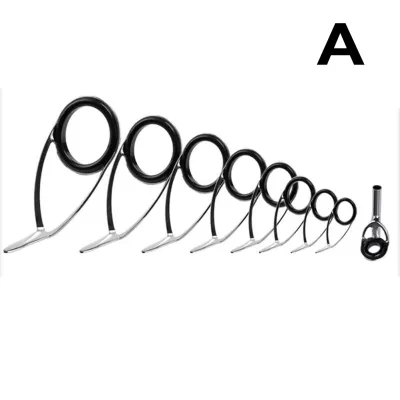
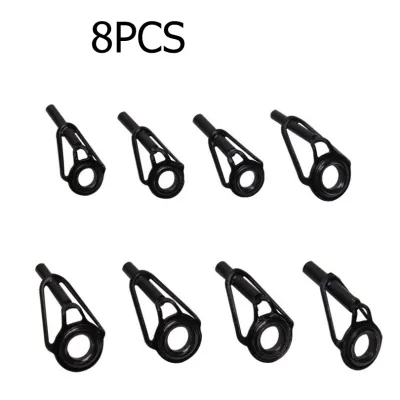
Saltwater environments in the Philippines are highly corrosive due to high temperatures and constant humidity. When selecting a heavy-duty rod, you must inspect the guides and reel seats to ensure they can withstand these harsh conditions. Look for rods equipped with high-grade stainless steel, titanium, or double-foot ceramic guides that resist rust and prevent line friction from wearing down your guides.
Additionally, verify that the reel seat is constructed from heavy-duty, corrosion-resistant materials like anodized aluminum or reinforced graphite. A loose or corroded reel seat can fail under the immense pressure of a fighting lapu-lapu, causing the reel to wobble or detach entirely during a critical moment.
Maximizing Versatility Across Multiple Species
For many anglers in the Philippines, carrying multiple specialized rods for every trip is neither practical nor budget-friendly. A versatile compromise is a medium-power, fast-action spinning rod measuring around 6.6 to 7 feet. This configuration is light enough to cast medium-sized lures for freshwater species, yet possesses enough backbone to handle moderate-sized saltwater fish near structures.
You can easily adapt this single versatile setup to different target species by adjusting your terminal tackle and line configurations. For instance, when targeting cautious tilapia, you can spool your reel with a lighter monofilament line or use a thin fluorocarbon leader to keep your presentation invisible. If you decide to target stronger species like medium-sized lapu-lapu on the same trip, you can switch to a stronger braided main line paired with a thick, abrasion-resistant shock leader to protect against sharp rocks.
However, there are clear thresholds where a versatile, multi-purpose rod is no longer safe or effective. If you attempt to target very small, delicate fish with a stiff, heavy rod, you will likely tear the hook from their mouths or fail to detect their bites entirely. On the other hand, using a light rod to pull a large lapu-lapu out of deep structure risks snapping the rod blank, creating a safety hazard and ruining your gear.
Protecting Your Gear in Tropical and Saltwater Environments
The combination of high humidity, intense tropical heat, and saltwater spray in the Philippines can quickly degrade even high-quality fishing rods. After every fishing trip, especially those in saltwater or brackish environments, it is crucial to rinse your rod thoroughly with cool, clean freshwater. Pay close attention to the guide frames, the reel seat, and the tiny crevices where salt crystals can accumulate and initiate corrosion.
Once rinsed, wipe the entire rod down with a soft, dry microfiber cloth and allow it to air dry completely in a shaded, well-ventilated area before storing it. Never pack a wet or damp rod into a plastic tube or closed bag, as trapped moisture promotes mold growth on cork grips and accelerates the corrosion of metal components.
Regularly perform visual and tactile inspections of your rod to catch minor wear before it leads to equipment failure. Run a cotton swab through the inside of each guide insert; if the cotton catches on any rough edges, it indicates a cracked or chipped ceramic ring that will easily fray and cut your fishing line under tension.
Store your fishing rods in a cool, dry indoor environment away from direct sunlight, which can degrade the protective epoxy coatings and weaken the carbon fibers over time. Avoid leaving your rods inside a hot car or leaning them against a wall at a sharp angle, as prolonged exposure to high temperatures and uneven pressure can cause the rod blank to warp permanently.
Frequently Asked Questions (FAQ)
Can I use a freshwater rod for saltwater fishing in the Philippines?
Yes, you can use a freshwater rod in saltwater, but you must take extra precautions to prevent rapid corrosion. Freshwater rods often feature guide frames and reel seats made from materials that lack marine-grade corrosion resistance. If you use one in coastal waters, you must rinse it immediately and thoroughly with freshwater after use to prevent rust from seizing the reel seat or destroying the guides.
How does rod length affect shore fishing performance?
Rod length directly impacts your casting distance and control when fishing from the shore. A longer rod, typically between 8 and 10 feet, allows you to cast your bait much further past the breaking waves and shallow coastal reefs where fish feed. However, shorter rods are much easier to cast accurately if you are fishing from rocky shorelines with overhanging trees or tight casting angles.

Community discussion
Share your experience or ask a question. Comments are reviewed before publication.