
Selecting the right sinker for fishing depends on matching the shape and weight of your terminal tackle to your technique, water depth, and current speed. A sinker does more than pull your bait down; it dictates how naturally your bait moves, how easily your line slides, and how well your rig avoids snags. Choosing a shape designed for your target environment—whether casting into a sandy surf zone or drifting a live bait through a deep river channel—helps you maintain precise depth control and feel delicate bites.
Understanding Sinker Specs: Weight, Material, and Shape
Fishing weights are measured in ounces or grams, with the correct size determined by your rod’s casting rating and target depth. Heavier weights provide the casting distance needed to cut through strong winds, but they require sturdier rods to cast safely. Choosing the right weight is a balance between keeping your bait in the strike zone and maintaining enough sensitivity to feel subtle strikes.
The material of your sinker also plays a critical role in its physical size and underwater performance. Lead is the traditional choice due to its malleability and low cost, but alternative materials like tungsten, brass, and steel offer different densities. Tungsten is denser than lead, allowing for a smaller profile at the same weight, which is highly beneficial when fishing in clear water or heavy cover. In warm, humid tropical environments, tackle stored in damp boxes can corrode quickly, so ensuring your weights are completely dry before storage is essential to prevent damage.
Products mentioned in this guide
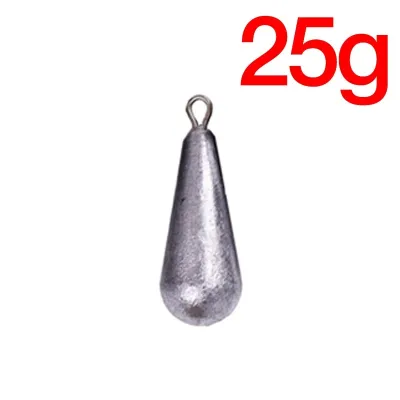
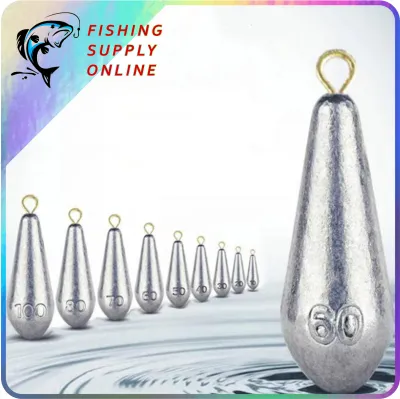
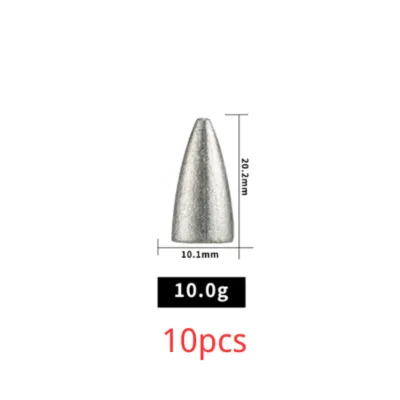
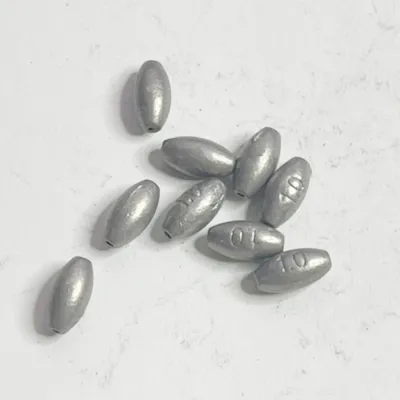
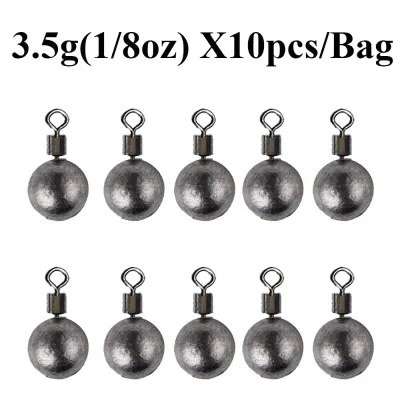
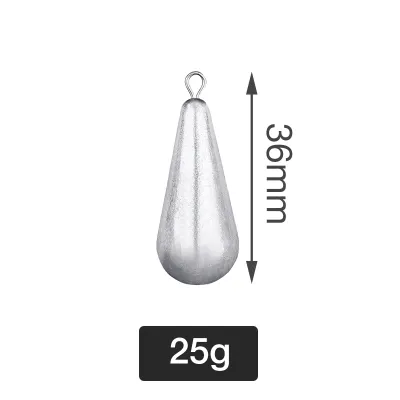
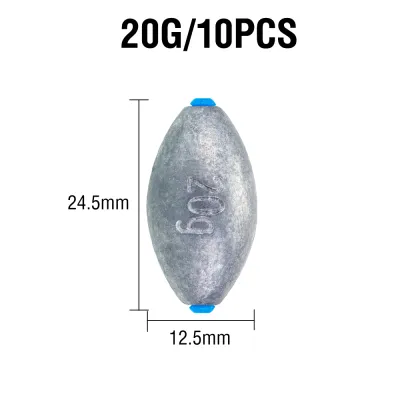
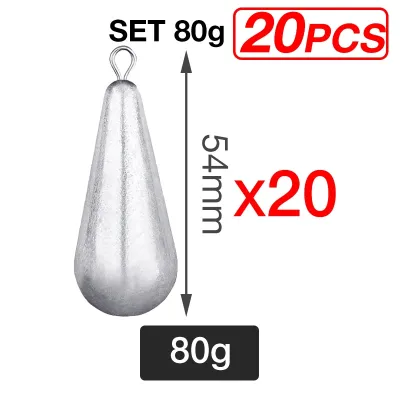
Prices are valid at publication and may change. Please refer to the product page for the latest price.
Before purchasing or using any weights, verify local fishing regulations regarding restricted materials. Some regions ban lead sinkers below a certain size to protect local wildlife from accidental ingestion. Checking these rules ensures you remain compliant and environmentally responsible.
Matching Sinker Shapes to Fishing Techniques
The shape of a sinker determines how it interacts with water currents, bottom structures, and your fishing line. Hydrodynamic shapes cut through the water column quickly, while flat or angled profiles are designed to grip the bottom and resist moving. Understanding these physical characteristics allows you to select a profile that enhances your presentation.

Bottom Fishing and Surf Casting
When fishing along tropical coastlines or in fast-moving coastal currents, keeping your bait anchored in one spot is crucial. Pyramid sinkers feature a triangular profile that buries itself into soft sand or mud, preventing the current from sweeping your rig away. Bank sinkers, with their tapered, multi-sided design, also hold well on the bottom while their rounded edges make them easier to retrieve through rocky areas.
In situations where you want your bait to drift slowly across the bottom, teardrop or storm sinkers are practical choices. These rounded profiles allow for a controlled roll along the seabed, helping your bait cover more ground in moderate currents. Always check the bottom structure beforehand; flat or spiked profiles are well-suited for soft sand, while rounded shapes help prevent snagging in rocky terrain.
Slip Rigs and Live Bait Presentations
For presentations where you want a fish to take the bait without feeling the weight of the sinker, sliding designs are the standard choice. Egg sinkers feature a central hole that allows your main line to slide freely, letting live bait swim naturally while keeping the weight anchored. Bullet sinkers serve a similar purpose but feature a cone shape that slips easily through thick weeds and aquatic vegetation.
When you need to make quick adjustments to your depth or presentation, split shot and bell sinkers offer great flexibility. Split shot weights can be pinched directly onto your leader line to fine-tune your presentation under a slip bobber. Bell sinkers, often used on drop-shot rigs, hang below your hook to keep your bait suspended at a specific height while providing a direct connection to the bottom.
To prevent sliding sinkers from damaging your knots during casting and retrieval, always use protective plastic beads or rubber stoppers. Placing a bead between the sliding weight and your swivel cushions the impact, preserving the structural integrity of your line. Adjusting the distance of your stopper knots allows you to control how far your bait can drift from the weight.
Trolling and Deep Water Applications
Trolling requires specialized weights that can submerge your lure to a specific depth layer while preventing your line from twisting as the boat moves. Keel weights feature a hydrodynamic, keel-like shape that tracks straight through the water, neutralizing the spinning motion of trolling lures. Diving weights use angled surfaces to pull your line down and outward, expanding your coverage area behind the boat.
For deep-water trolling, downrigger cannonballs are heavy, spherical weights designed to run deep without swaying. When using these heavy weights, check the compatibility of your release mechanisms and ensure your rod and line tension can handle the load. Matching the weight profile to your trolling speed and line diameter is essential to prevent excessive line blowback and keep your lure at the target depth.
Adjusting for Water Conditions and Environment
Real-time environmental factors require constant observation and adjustment of your terminal tackle. If you notice your line angling sharply away from the boat or shore, current or wind drift is lifting your rig out of the target zone. Gradually increasing your weight until your line maintains a more vertical angle helps keep your bait in the strike zone.
The composition of the bottom should also dictate your sinker choice to minimize lost gear. In heavy weeds or submerged timber, slender bullet weights or cylindrical stick sinkers slide through obstructions far better than wide, flat shapes. If you are fishing over clean sand, switching to a pyramid or claw sinker allows you to hold your position with a lighter overall weight.
Monitoring your rod tip and line tension provides immediate feedback on how your sinker is performing. A bouncing rod tip often indicates your weight is dragging across rocks, while a sudden slackening of the line can mean your sinker has settled into soft mud. Paying close attention to these physical cues allows you to make timely adjustments to your rigging.
How to Rig and Secure Your Sinker
Attaching your weights correctly is vital to prevent line damage and avoid losing fish. When crimping split shot or pinch-on weights, apply only enough pressure to secure the weight to the line. Crushing the weight too tightly can pinch and weaken the monofilament or fluorocarbon core, leading to unexpected line breaks under tension.
For sliding rigs, position a soft rubber bead between the sinker and your terminal knot. This simple addition absorbs the constant shock of the heavy weight sliding down the line during casting. If you are using heavy slip sinkers, tying a dedicated stopper knot or using a pegging tool keeps the weight at a safe distance from your hook, protecting your knots from wear.
After retrieving your rig from rocky or structured areas, inspect your line for signs of abrasion. Run your fingers along the last few feet of your leader to feel for nicks, rough spots, or memory coils caused by the weight rubbing against underwater obstacles. Re-tying your knots and replacing damaged sections of line immediately prevents losing your next catch.
Frequently Asked Questions (FAQ)
Can I reuse sinkers retrieved from the water or old tackle boxes?
Yes, you can reuse recovered sinkers, but they must be inspected carefully before rigging. Check the body of the weight for deep cuts, sharp edges, or severe deformation that could chafe or cut your fishing line. Ensure that attachment points, such as brass loops or wire eyes, are free of rust and securely embedded in the weight so they do not fail under tension.
How do I know if my sinker is too heavy for the current conditions?
A sinker is too heavy if it dampens your ability to feel subtle bites or restricts the natural movement of your live bait. You may also notice that your rig constantly snags on the bottom, retrieves with excessive resistance, or buries itself deeply in soft mud. If your bait feels lifeless or you struggle to detect bottom contact, try switching to a lighter weight.
Community discussion
Share your experience or ask a question. Comments are reviewed before publication.