
Choosing the right home cardio equipment depends on your physical space, joint health, and personal fitness goals. While a fitness bike offers a compact and low-impact workout, a treadmill provides natural running mechanics that require more floor space, and a rowing machine delivers full-body engagement that relies heavily on proper technique. There is no single universal winner; the ideal machine is the one that fits your home environment and that you will use consistently.
Quick Answer: Which Cardio Machine Fits Your Home Routine?
To make an immediate decision, you must evaluate your primary physical constraints and daily habits. A fitness bike is highly suited for individuals seeking a compact, low-impact workout that easily integrates into shared living spaces. Treadmills are the traditional choice for those who want to maintain running or walking mechanics indoors, though they demand a larger dedicated area and produce more structural vibration. Rowing machines offer an efficient, full-body workout that engages multiple muscle groups simultaneously, but they require a longer floor footprint and a commitment to learning proper form.
When browsing options, you will encounter various designs, from standard stationary uprights to specialized outdoor-indoor hybrids like the me mover fitness bike, as well as heavy-duty motorized treadmills. Before purchasing any model, it is essential to verify the exact dimensions, weight capacities, and resistance mechanisms to ensure they align with your household’s needs. Ultimately, the choice depends entirely on your available space, joint health, and preferred workout style rather than a single universal winner.
Products mentioned in this guide
![Xiaomi Yesoul Smart Exercise Bike S3 Spinning Bike Magnetic Bike Indoor[International Edition Adjustable FeaturesMobile APPLow Noise Belt Drive Magnetic Resistance Household Fitness Home Gym Cycling Cardio Easy Install Portable Compact Size ]](https://img.lazcdn.com/g/p/8bd2105833d0148c7c25d7ae2e298bb0.jpg_400x400q80.jpg_.webp)
Prices are valid at publication and may change. Please refer to the product page for the latest price.
Space, Setup, and Noise: Evaluating Your Home Environment
Before ordering any heavy fitness equipment, you must carefully assess the physical limits of your home. Treadmills generally require the most substantial footprint, demanding not only a long and wide floor area but also sufficient ceiling height to accommodate the deck elevation and your height during a run. In contrast, fitness bikes occupy a much smaller footprint, making them highly adaptable to tight corners. Rowing machines have a long operational length, but many models feature folding frames or upright storage designs that allow you to reclaim floor space when the workout is complete.

Acoustic comfort is another critical factor, especially for apartment dwellers or those living in multi-story households in the Philippines. The repetitive impact of running on a treadmill creates low-frequency structural vibrations that easily travel through concrete or wooden floors, potentially disturbing neighbors or family members. Magnetic resistance fitness bikes and high-quality rowing machines operate much more quietly, producing only a soft hum or the gentle swoosh of water or air. In tropical climates, high humidity also means you must plan for adequate ventilation; placing your machine near a window, under a ceiling fan, or in line with an air conditioning unit is vital to prevent overheating during intense sessions.
To ensure a seamless setup, use this practical preparation checklist before making a purchase:
- Measure the exact length, width, and height of your designated workout zone, adding at least two feet of clearance on all sides for safety.
- Check the manufacturer's specified machine weight and add your own body weight to verify that your flooring can support the total load.
- Assess the proximity to electrical outlets, particularly for motorized treadmills that require dedicated power sources.
- Plan for floor protection by selecting a high-density rubber mat to absorb sweat, dampen noise, and prevent the machine from slipping on tiled or polished wooden floors.
Workout Impact, Joint Health, and Fitness Goals
Your physical condition and fitness objectives should dictate the biomechanics of the machine you choose. Treadmills offer a weight-bearing workout, which is highly beneficial for building bone density and functional strength used in daily walking or running. However, this weight-bearing nature also introduces high-impact forces to your ankles, knees, and lower back. If you are recovering from an injury or experience chronic joint discomfort, the repetitive pounding of treadmill running may exacerbate these issues.
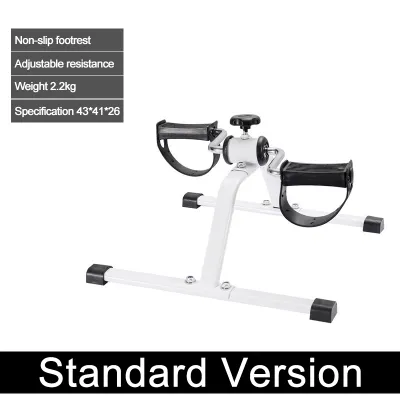
Fitness bikes provide a non-weight-bearing, seated alternative that minimizes joint stress while delivering an excellent cardiovascular workout. Because your body weight is supported by the saddle, your knees and ankles experience smooth, circular motion without impact. If you are looking for a more dynamic lower-body challenge, specialized options like the me mover fitness bike utilize a standing, stepping motion that engages the core and legs differently than traditional seated pedaling. Regardless of the style, always check the manufacturer’s specifications for adjustable resistance levels to ensure the machine can grow with your fitness level.
Rowing machines stand out for their ability to deliver a true full-body workout, engaging multiple muscle groups, including your legs, core, back, and arms. This makes rowing incredibly time-efficient, but it also demands strict adherence to proper form. Initiating the drive phase with your lower back instead of your legs can lead to severe strain. If you have pre-existing lower back concerns, consult a medical professional before committing to a rowing routine, and always prioritize learning the correct catch, drive, and recovery sequence over increasing the resistance.
Maintenance, Durability, and Long-Term Value
Owning fitness equipment requires a commitment to regular upkeep to protect your investment and ensure safe operation. Treadmills are mechanically complex and typically demand the most maintenance, including regular belt lubrication with silicone oil, belt tension adjustments, and vacuuming the motor compartment to prevent dust buildup. Rowing machines require periodic inspection of the pull chain or belt, cleaning of the slide rail to ensure smooth seat travel, and, for water-resistance models, the addition of purifying tablets to keep the water tank clear. Fitness bikes generally require the least maintenance, usually limited to wiping down sweat and checking that the pedals and seat adjustment knobs remain securely tightened.
When evaluating long-term value, look beyond the initial price tag and carefully verify the warranty terms provided by the manufacturer or local distributor. Pay close attention to the motor rating on treadmills, looking for continuous duty horsepower (CHP) rather than peak horsepower, as CHP indicates the motor’s ability to handle sustained running speeds. Additionally, confirm the availability of replacement parts and local technician support through official brand stores or authorized service centers in the Philippines, as shipping heavy components internationally can be prohibitively expensive.
Before finalizing your choice, consult the user manual or product specification sheet for the maximum weight limit and recommended daily usage limits. A machine designed solely for light, single-person use may wear out prematurely if subjected to multiple high-intensity workouts daily by different family members. Investing in a slightly more robust model that matches your household’s collective activity level will save you from costly repairs and premature replacements down the road.
Decision Framework: Finalizing Your Home Cardio Purchase
To translate your research into a confident purchase, use the following scenarios to identify which machine aligns best with your lifestyle:
Choose a fitness bike if:
- You have limited floor space and need a machine that can easily sit in the corner of a bedroom or living room.
- You require a low-impact workout that protects sensitive knees, hips, or ankles from repetitive impact.
- You live in an apartment or shared household where keeping operational noise to an absolute minimum is a priority.
Choose a treadmill if:
- Your primary fitness goal is to train for outdoor running events, walking races, or general hiking.
- You prefer a straightforward, intuitive workout that mimics natural human locomotion.
- You have ample floor space, high ceilings, and a solid floor structure that can absorb impact noise.
Choose a rowing machine if:
- You want a highly efficient workout that targets both cardiovascular endurance and full-body muscular strength in a single session.
- You have a long, narrow space available for workouts and do not mind folding or storing the machine vertically afterward.
- You are willing to spend time mastering proper rowing mechanics to protect your lower back and maximize efficiency.
Verify first if:
- The exact physical dimensions of the machine fit your home, leaving a safe clearance zone around the perimeter.
- The delivery service from the online marketplace or local retailer includes handling heavy items, especially if you live on an upper floor without an elevator.
- The warranty covers both parts and labor locally, ensuring you can access support if a component malfunctions.
Before making your final decision, try to test the equipment in person at a local showroom or gym, or read verified customer reviews focusing on long-term durability and real-world noise levels.
Frequently Asked Questions (FAQ)
Can I use a fitness bike or treadmill without a dedicated workout room?
Yes, you can easily integrate cardio equipment into multi-purpose living spaces by selecting models designed for portability. Many modern treadmills and rowing machines feature folding mechanisms and built-in transport wheels, allowing you to roll them into a closet or against a wall when not in use. Upright fitness bikes are inherently compact, occupying a minimal visual and physical footprint that can comfortably sit alongside standard bedroom or living room furniture without disrupting the flow of the room.
Which machine is best for weight loss and calorie burning?
No single machine is universally superior for weight loss, as calorie expenditure depends entirely on your heart rate, workout duration, and level of exertion. A high-intensity session on a fitness bike can burn just as many calories as a run on a treadmill or a vigorous row on a rowing machine. To track your progress accurately, look for models equipped with reliable console metrics or compatibility with external heart rate monitors, and focus on maintaining a consistent workout routine that you enjoy.
Community discussion
Share your experience or ask a question. Comments are reviewed before publication.