
To build a strong, muscular physique from home, selecting the right strength equipment is a critical first step. The ideal dumbbell type for your gym workouts depends entirely on your training style, available space, and budget. If you prioritize durability and a traditional commercial gym feel, fixed dumbbells are unmatched. For those working with tight spaces and a desire for rapid weight transitions, selectorized dumbbells offer the ultimate modern convenience. Meanwhile, classic plate-loaded adjustable dumbbells remain the most cost-effective and expandable option for lifters who do not mind manual plate swaps.
Quick Diagnostic: Matching Your Profile to the Right Dumbbell Type
Choosing the wrong equipment can stall your fitness progress and clutter your living space. To avoid buyer’s remorse, you must evaluate your primary training constraints before making a purchase.
- The Space-Constrained Lifter: If you are setting up a workout corner in a compact condominium, floor space is at a premium. A single pair of selectorized dumbbells replaces an entire rack of weights, keeping your living area tidy and functional.
- The High-Intensity Athlete: If your workouts rely heavily on fast-paced supersets, drop sets, or circuit training, you cannot afford to spend minutes changing plates. Selectorized models or a small selection of fixed dumbbells will keep your heart rate up and your rest intervals precise.
- The Heavy-Lifting Traditionalist: If your goal is pure strength and progressive overload on heavy compound movements, plate-loaded adjustable dumbbells or heavy fixed pairs are superior. They withstand high-impact use and allow you to push your limits without worrying about delicate internal mechanisms.
A common mistake among fitness enthusiasts is purchasing a massive, multi-tier rack of fixed dumbbells for a small spare room. This not only consumes valuable floor space but also presents a significant logistical challenge when moving. Conversely, buying delicate selectorized dumbbells for a high-impact garage gym where weights are frequently dropped on concrete can lead to expensive mechanical failures.
Products mentioned in this guide
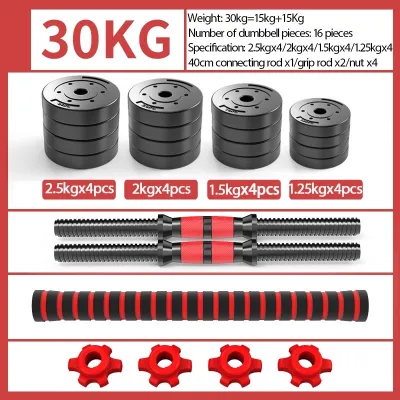
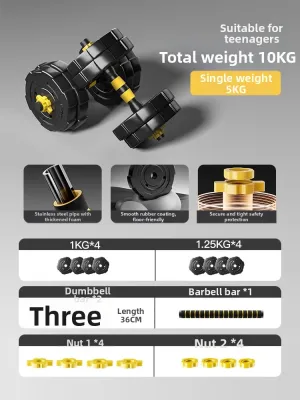
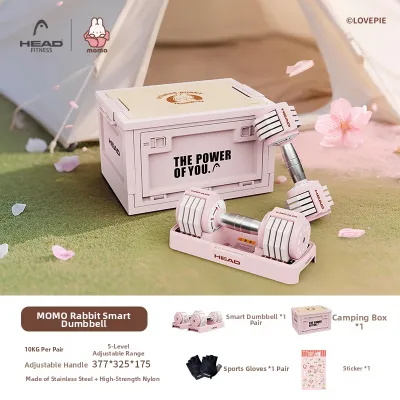
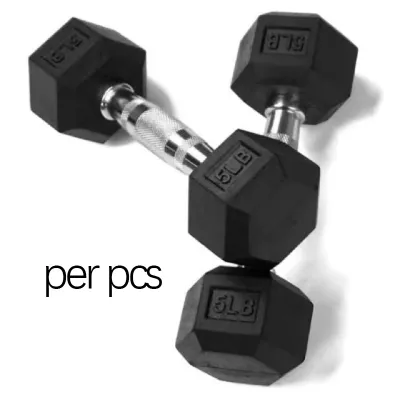
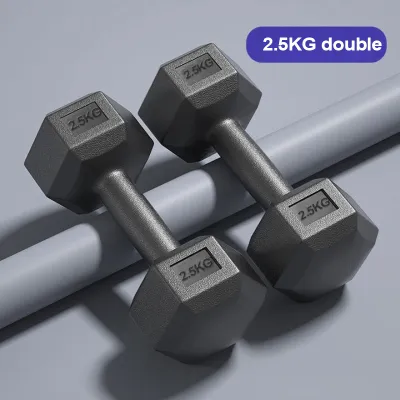
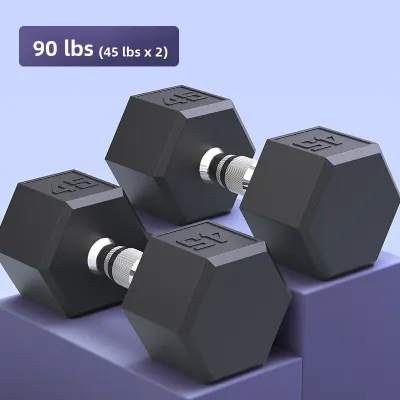
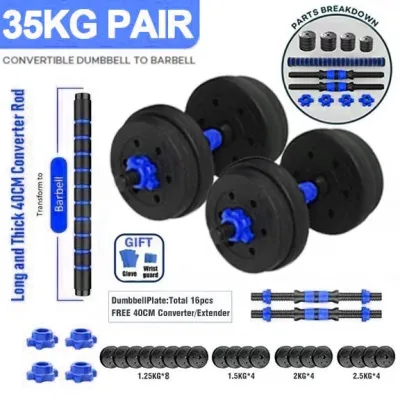
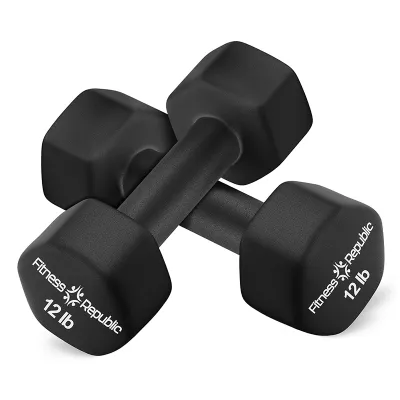
Prices are valid at publication and may change. Please refer to the product page for the latest price.
Understanding Fixed, Adjustable, and Selectorized Dumbbells
To make an informed investment, it is essential to understand how these three dumbbell categories differ in construction, operation, and long-term durability.

Fixed dumbbells are the standard units you see in commercial fitness centers. Each dumbbell consists of a solid handle welded or bolted to a set weight head, typically made of cast iron, rubber, or urethane. Because they have no moving parts, they are incredibly durable and can withstand decades of heavy use, drops, and rough handling. However, to progress in your strength journey, you must purchase multiple pairs, which requires a dedicated storage rack and a significant amount of dedicated floor space. Urethane-coated options are highly recommended over cheap rubber, as they do not emit a strong chemical odor when kept in a closed, warm room.
Plate-loaded adjustable dumbbells utilize a threaded or smooth metal bar onto which you manually slide individual weight plates, securing them with spinlock collars or compression clamps. This classic design is highly cost-effective because you can purchase additional plates incrementally as you get stronger. The manual adjustment process, however, is slow and can disrupt the flow of high-tempo workouts. Additionally, the protruding threaded ends of the bars can sometimes limit your range of motion or feel uncomfortable when resting the weights on your thighs before a heavy press.
Selectorized dumbbells represent the pinnacle of modern fitness engineering. These systems house a pair of handles inside a specialized cradle containing nested weight plates. By turning a dial, sliding a pin, or rotating the handle, you select your desired weight, and the mechanism automatically locks the corresponding plates to the handle while leaving the rest in the tray. This design offers unparalleled space efficiency, but the intricate internal gears, pins, and plastic components require careful handling and a clean, dry environment to prevent mechanical failure.
Training Routine Checklist: How Your Workouts Dictate the Choice
Your daily training methodology should be the primary driver behind your dumbbell selection. Different workout structures demand different operational speeds and physical characteristics from your equipment.
For high-volume hypertrophy training and supersets, minimizing transition time between exercises is crucial. If you are transitioning immediately from a heavy dumbbell bench press to a lighter dumbbell fly, a selectorized system allows you to change weights in under three seconds. If you use plate-loaded dumbbells, the manual process of unscrewing collars, swapping plates, and retightening can take up to a minute, cooling down your muscles and extending your workout time unnecessarily.
When focusing on progressive overload and heavy lifting, grip security and structural integrity are paramount. Fixed dumbbells offer the most balanced weight distribution and a solid, knurled steel handle that feels secure in the hand. Plate-loaded dumbbells also offer excellent maximum weight potential, as you can often load heavy cast iron plates onto extra-long bars. Selectorized dumbbells, while highly convenient, sometimes feature bulkier, boxier frames and thicker handles that can alter your grip mechanics and make certain exercises feel less natural.
For drop sets and metabolic conditioning, the logistical friction of your equipment can make or break your session. A drop set requires you to immediately drop the weight by twenty to thirty percent upon reaching muscular failure to continue the set. Doing this with plate-loaded dumbbells is practically impossible without a training partner. Selectorized dumbbells make drop sets seamless, while a small rack of fixed dumbbells allows you to simply grab the next lighter pair off the rack and keep pushing.
Space, Budget, and Setup: Weighing Your Physical and Financial Limits
Beyond your training style, the physical realities of your home environment and your financial boundaries will dictate the most practical choice.
When mapping out your workout space, calculate the actual footprint of your setup. A full set of fixed dumbbells ranging from 5 kg to 30 kg in 2.5 kg increments requires a multi-tier rack that can easily span over 1.5 meters in length. This is often impractical for residential spaces. In contrast, a pair of selectorized dumbbells occupies a tiny footprint of roughly 0.5 square meters, fitting easily in a closet, under a bed, or in the corner of a living room.
Budget allocation is another critical factor. While a premium pair of selectorized dumbbells requires a high upfront investment—often costing tens of thousands of pesos—it replaces up to fifteen individual pairs of dumbbells, making it highly cost-effective on a per-kilogram basis. If your budget is limited, plate-loaded adjustable dumbbells offer the lowest entry barrier. You can start with a basic set for a few thousand pesos (around ₱3,000 to ₱5,000) and gradually purchase individual plates as your strength and budget allow.
Maintenance and longevity are especially important in tropical climates, where high humidity and salt air can accelerate rust and corrosion. Solid steel fixed dumbbells coated in high-grade urethane or thick rubber are virtually indestructible and highly resistant to moisture. Plate-loaded cast iron plates can rust over time if left in a humid garage, but they can easily be cleaned and repainted. Selectorized dumbbells, with their complex internal dials and spring-loaded pins, are highly sensitive to dust, sweat, and humidity. If moisture gets trapped inside the selector mechanism, it can cause sticking or internal rust, which can compromise safety and render the unit unusable. Wiping down your equipment after every session is mandatory to prevent sweat from corroding the metal parts.
Final Decision Path: Which Dumbbells Should You Actually Buy?
To finalize your decision, align your current lifting experience and training environment with one of these clear purchase paths.
- The Beginner or Budget-Conscious Lifter: Start with a high-quality set of plate-loaded adjustable dumbbells. This setup allows you to learn proper form, experiment with different weights, and build a solid strength foundation without a massive financial commitment.
- The Dedicated Home Gym Builder with Limited Space: Invest in a premium pair of selectorized dumbbells. The space savings and rapid weight adjustments will make your home workouts highly efficient, encouraging consistency and long-term progress.
- The Garage Gym Owner with Ample Space: Opt for a sturdy rack of fixed rubber-coated dumbbells. This setup provides the ultimate commercial gym experience, allowing you to drop weights safely and focus entirely on heavy, high-intensity lifting.
For intermediate and advanced lifters, a hybrid approach often works best. You might choose a pair of selectorized dumbbells for your lighter isolation movements, lateral raises, and arm work, while keeping a few heavy pairs of fixed dumbbells specifically for heavy chest presses and rows where dropping the weights at the end of a set is more common.
Before making your final purchase on any online marketplace or local fitness store, run through this quick checklist:
- Weight Increments: Ensure the dumbbell set offers small enough jumps (ideally 1 kg to 2.5 kg increments) to allow for realistic progressive overload.
- Handle Grip Texture: Look for medium to aggressive steel knurling rather than smooth plastic handles, which can become dangerously slippery when your hands sweat in tropical heat.
- Warranty Terms: Verify the manufacturer's warranty, especially for selectorized models, to ensure you are covered against mechanical defects.
Frequently Asked Questions (FAQ)
Is it safe to drop selectorized dumbbells during heavy sets?
No, you should never drop selectorized dumbbells. Unlike solid fixed dumbbells, selectorized models contain complex internal gears, selector pins, and alignment trays that can easily crack, bend, or misalign upon impact. Dropping them from even a short height can ruin the selection mechanism, making it impossible to change weights or, worse, causing plates to slip off during an exercise. Always practice controlled negatives and place the dumbbells gently back into their cradles or onto a padded mat.
Can you expand the weight capacity of adjustable dumbbells later?
Yes, but the expansion capability depends entirely on the design. Traditional plate-loaded dumbbells are highly expandable; you can easily purchase additional standard 1-inch or Olympic 2-inch plates to slide onto your existing handles, provided the bar is long enough to accommodate them. For selectorized dumbbells, expansion is generally limited. While some premium brands offer official add-on kits that allow you to increase the maximum weight, many entry-level selectorized models have a fixed maximum capacity that cannot be upgraded, requiring you to buy a completely new set once you outgrow them.
Community discussion
Share your experience or ask a question. Comments are reviewed before publication.