
Selecting the right fitness equipment is a critical step in building a sustainable home workout routine. Among the most versatile tools you can own, dumbbells provide the foundation for resistance training, allowing you to target every major muscle group with unilateral movements. However, walking into a sporting goods store or browsing online marketplaces reveals a wide array of options. The choice between fixed-weight, adjustable plate-loaded, and selectorized dumbbells is not merely a matter of price; it dictates how you train, how much space you consume, and how your equipment handles long-term wear.
To make an informed purchase, you must evaluate your training style, physical environment, and budget. Each dumbbell design offers distinct trade-offs in durability, convenience, and footprint. For instance, high-humidity tropical climates require careful consideration of materials to prevent rust, while compact living spaces demand smart storage solutions. By analyzing these factors, you can invest in a setup that supports your fitness goals for years to come.
Assess Your Training Needs, Space, and Budget
Before comparing mechanical designs, you must evaluate your personal fitness profile. Your current strength level and long-term athletic goals should guide your selection. If your routine focuses on progressive overload—gradually adding weight to challenge your muscles—you will require a system that scales with your strength. Beginners may only need a few light options to master basic movement patterns, while intermediate and advanced lifters require a broad range of heavy resistances to stimulate muscle growth.
Products mentioned in this guide
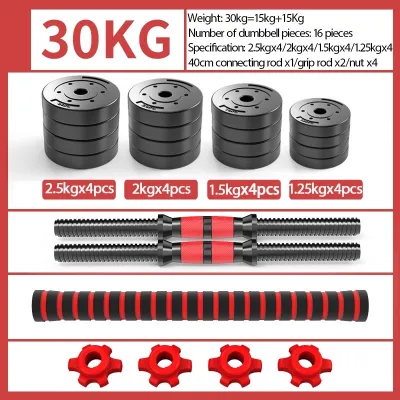
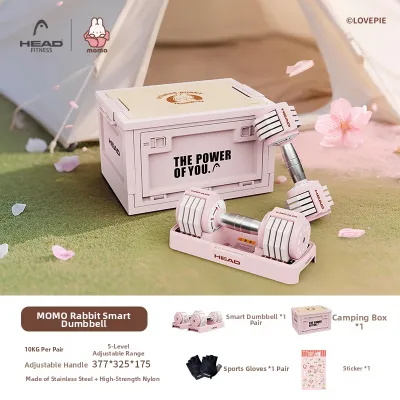
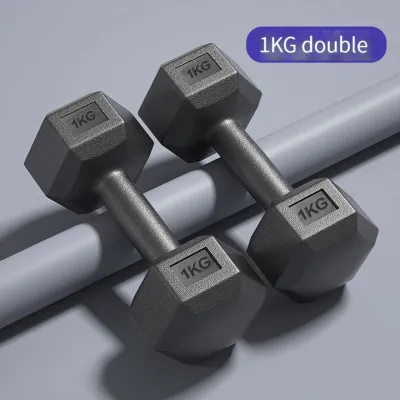
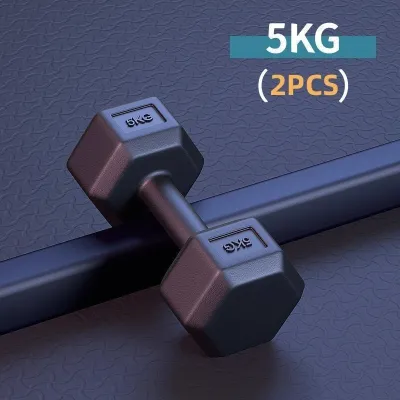
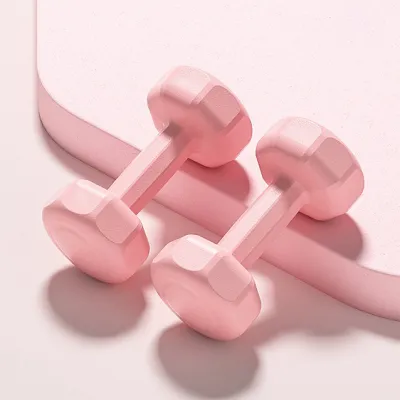
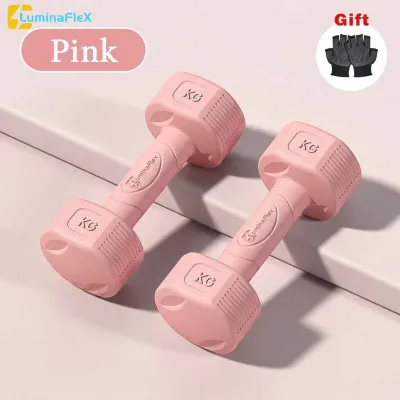
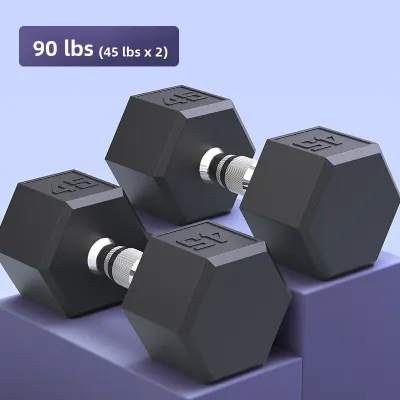
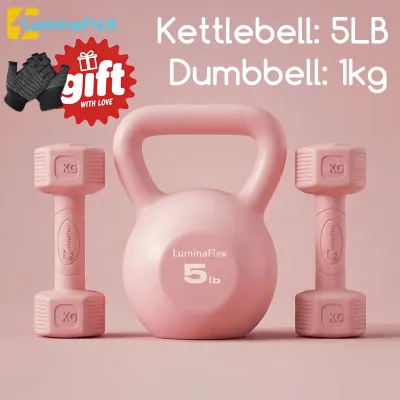
Prices are valid at publication and may change. Please refer to the product page for the latest price.
Physical space is often the ultimate deciding factor, particularly in high-density urban environments. If you are setting up a workout corner in a condominium or a shared bedroom, floor space is at a premium. A massive multi-tier rack of individual weights is impractical for small apartments, whereas compact, consolidated systems can easily slide under a bed frame or sit neatly in a closet. Conversely, if you have a dedicated garage or a spare room designated solely as a home gym, space constraints become secondary to equipment accessibility.
Financial planning requires analyzing both immediate costs and long-term value. Budget tiers can be conceptualized as entry-level, moderate investments, and premium acquisitions. Entry-level options, such as basic plastic-coated or cast-iron plate sets, require a low upfront cost but may lack convenience. Premium selectorized systems demand a significant initial outlay of several thousand pesos but replace the need to buy dozens of individual pairs. It is essential to view this purchase as an investment in your health, balancing what you can afford today against the cost of upgrading your gear as you get stronger.
An honest assessment of your training consistency is vital before making a major financial commitment. If you are new to strength training and have not yet established a consistent workout habit, purchasing an expensive, heavy dumbbell set may be premature. Bodyweight exercises, calisthenics, or simple resistance bands can effectively build initial strength and establish a routine. For those in the early stages of fitness, starting with a single pair of moderately light fixed dumbbells is a practical, low-risk way to test your dedication before investing in a comprehensive setup.
Fixed Dumbbells: Best for Dedicated Spaces and Quick Transitions
Fixed dumbbells are the traditional standard found in commercial fitness centers. These weights feature a solid, single-piece design where the heads are permanently welded, pressed, or bolted to a central handle. Common variations include rubber-encased hex blocks, premium polyurethane round heads, and classic painted cast iron. Because they have no moving parts, their structural simplicity is their greatest asset, offering a tactile reliability that mechanical alternatives cannot match.

The primary advantage of fixed weights is their unmatched durability. They are built to withstand heavy use, accidental drops, and the general wear and tear of intense training sessions. This rugged construction eliminates the risk of mechanical failure; there are no dials to jam, collars to strip, or pins to bend. Additionally, having individual pairs allows for instantaneous weight transitions. During high-intensity training, supersets, or drop sets, you can simply drop one pair and immediately pick up another without pausing to adjust a mechanism.
However, this convenience comes at the cost of physical space and financial investment. To achieve a versatile weight range, you must purchase multiple pairs, which quickly accumulates into a massive footprint. Storing a complete set of fixed weights requires a sturdy, multi-tiered rack that occupies significant floor space. Furthermore, buying individual pairs across a wide spectrum of weights is highly inefficient from a cost-per-pound perspective, making a full set an expensive luxury for most home fitness enthusiasts.
This type of equipment is ideal for lifters who possess a dedicated home gym, such as a spacious garage or a spare room where a permanent storage rack can reside. It is also the preferred choice for powerlifters, bodybuilders, and athletes who perform explosive movements where dropping weights is common. If you prioritize equipment longevity, structural safety, and seamless transitions between exercises over space savings, fixed weights are the gold standard.
Adjustable Plate-Loaded Dumbbells: Best for Tight Budgets and Progressive Overload
Adjustable plate-loaded dumbbells offer a classic, highly adaptable solution for home strength training. This system consists of a pair of threaded or smooth metal handles, a collection of separate weight plates, and securing collars such as spin-locks, spring clips, or compression clamps. To change the weight, you manually slide the desired plates onto the sleeves of the handle and secure them tightly with the collars before beginning your set.
The outstanding benefit of plate-loaded systems is their exceptional cost-effectiveness. They provide an incredibly affordable pathway to progressive overload, as you can purchase a basic starter kit and gradually buy additional individual plates as your strength improves. Because the components are made of solid steel or cast iron, they are virtually indestructible. Furthermore, standard plate sizes are widely available, making it easy to source replacements or add micro-weights for precise progression.
The primary drawback of this design is the time and effort required to change weights. Manually unscrewing spin-locks, sliding plates off, adding new ones, and securing the collars is a slow process that can take up to a minute between sets. This delay disrupts the flow of fast-paced circuit training, high-intensity interval training (HIIT), or rapid drop sets where minimal rest is required. Additionally, cheap collars can loosen during vertical movements, causing the plates to rattle or slip, which introduces a safety concern that demands constant vigilance.
This option is best suited for budget-conscious fitness enthusiasts, traditional strength trainers, and powerlifters who follow structured programs with long, dedicated rest periods between heavy sets. If you do not mind spending a few moments adjusting your gear between exercises, and you want a highly durable, heavy-duty setup that can grow with your physical capabilities without breaking the bank, plate-loaded handles are an excellent choice.
Selectorized Dumbbells: Best for Small Spaces and Fast Weight Changes
Selectorized dumbbells represent the modern evolution of home fitness technology, packing an entire rack of weights into a single, highly engineered pair. These systems utilize a nested stack of plates resting in a specialized base cradle. By turning a dial, pulling a selector pin, or sliding a lever, you engage an internal mechanism that locks the desired amount of weight to the central handle. When you lift the dumbbell, the unselected plates remain securely in the cradle.
The most significant advantage of selectorized dumbbells is their extraordinary space efficiency. A single pair can replace up to fifteen or twenty individual pairs of traditional dumbbells, occupying a tiny fraction of the floor space. This makes them the ultimate solution for urban apartments, shared living spaces, or multi-purpose rooms. Additionally, weight adjustments are incredibly fast, often taking only a couple of seconds, which allows you to perform rapid drop sets and transition smoothly between different exercises without losing your momentum.
Despite their convenience, selectorized models carry notable trade-offs in terms of cost and fragility. They are the most expensive option on a cost-per-pound basis, requiring a substantial upfront financial commitment. Because they rely on intricate internal gears, plastic components, and precise alignment tracks, they are highly sensitive to physical impact. Dropping a selectorized dumbbell, even from a short distance onto a padded rubber mat, can easily damage the internal mechanisms, render the locking system unsafe, or permanently jam the plates.
This type of equipment is ideal for busy professionals, apartment dwellers, and fitness enthusiasts who participate in fast-paced home workout programs that require rapid weight adjustments. If you have a premium budget, value a tidy and clutter-free living environment, and can commit to handling your equipment with care—always placing them back into their cradles gently rather than dropping them—selectorized dumbbells offer unparalleled convenience.
Making the Final Decision: Matching Your Profile to the Right Dumbbell
To finalize your purchase, you must match your physical space, budget, and workout style to the strengths of each dumbbell type. A systematic approach ensures you do not overspend on features you do not need, or conversely, buy a cheap set that frustrates your training flow. Use the following decision matrix to identify which category aligns with your home environment and fitness goals:
| Space Available | Budget Tier | Primary Training Style | Recommended Dumbbell Type |
|---|---|---|---|
| Compact (Condo/Bedroom) | Premium | Fast-paced circuits, HIIT, drop sets | Selectorized |
| Compact (Condo/Bedroom) | Low to Moderate | Traditional strength, slow rest | Plate-Loaded Adjustable |
| Ample (Garage/Home Gym) | Premium | High-intensity, heavy lifts, dropping weights | Fixed-Weight Set |
| Ample (Garage/Home Gym) | Low to Moderate | General fitness, steady progression | Mixed Fixed Pairs or Plate-Loaded |
If you find yourself undecided or realize that your commitment to a structured routine is still developing, consider an alternative path. Rather than investing heavily in a complex system immediately, start with a single pair of light to moderate fixed dumbbells. This allows you to establish your form and consistency without a significant financial burden. You can always upgrade to a comprehensive adjustable or selectorized system once your workout habit is firmly cemented.
Before finalizing any purchase, perform a thorough pre-purchase verification. Check the manufacturer’s warranty policies, particularly for selectorized models, to ensure mechanical components are covered against defects. Pay close attention to the handle grip texture; knurled steel provides superior slip resistance when hands get sweaty, which is a crucial consideration in hot, humid climates. Verify the weight increments available, as some selectorized models jump in large blocks that make micro-loading difficult. Finally, look for protective coatings such as chrome plating, heavy-duty powder coating, or thick rubber encasement to prevent rust and corrosion caused by sweat and ambient humidity.
Frequently Asked Questions (FAQ)
Can I drop selectorized dumbbells on the floor?
No, you should never drop selectorized dumbbells. Unlike traditional solid iron or rubber hex weights, selectorized systems contain intricate internal locking mechanisms, selector pins, and dial gears. Dropping them—even from a low height onto a thick rubber gym mat—can bend the selector shafts, crack the plastic casings, or misalign the weight plate tracks. Once these mechanical components are damaged, the dumbbells may become unsafe to lift, as plates could slip out mid-exercise, or the system may lock up entirely, voiding your warranty.
Are hex-shaped dumbbells better than round ones?
The choice between hex-shaped and round dumbbells depends on your exercise selection and storage setup. Hexagonal dumbbells feature flat sides that prevent them from rolling across the floor, making them exceptionally stable and safe for floor-based movements like renegade rows, dumbbell push-ups, and planks. They are also easier to stack or store on flat shelves. Round dumbbells offer a traditional, balanced feel and are typically preferred for classic lifting on angled saddle racks, but they can roll away on uneven surfaces, presenting a potential safety hazard in a home environment.
Community discussion
Share your experience or ask a question. Comments are reviewed before publication.