
The Hi-Capa is a highly customizable airsoft platform, favored for its high magazine capacity and modular design. When looking to shave fractions of a second off your reload times or secure a more locked-in grip, upgrading the magwell is one of the most practical modifications you can make. However, choosing between a flared and a funnel design is not just a matter of aesthetics; it directly impacts how your hand interacts with the pistol frame and how smoothly you can insert a fresh magazine under pressure.
In the humid, tropical climate of the Philippines, where sweat can compromise your hold during intense outdoor matches or indoor CQB games, the physical shape of your grip frame becomes even more critical. A well-chosen magwell acts as both a physical guide for your magazine and an ergonomic anchor for your support hand. Understanding how these two distinct geometries affect your handling, reload mechanics, and gear compatibility will ensure you invest in an upgrade that genuinely elevates your performance rather than hindering it.
Understanding the Core Differences Between Flared and Funnel Magwells
Flared magwells feature a wide, sweeping skirt that extends outward from the bottom of the grip frame. This design creates a massive, bowl-like opening that significantly increases the target area for inserting a magazine. The primary objective of a flared profile is to maximize the margin of error during high-speed reloads, allowing the shooter to guide the magazine home even if their alignment is slightly off-center.
Products mentioned in this guide
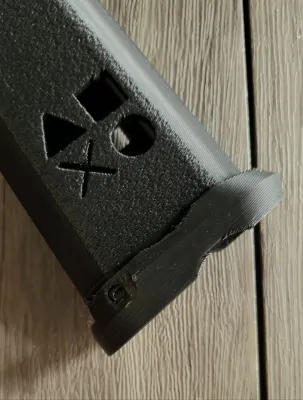
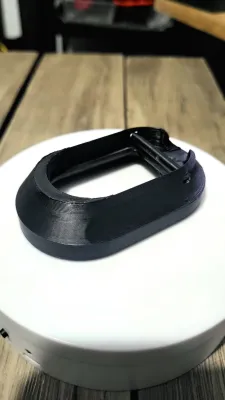
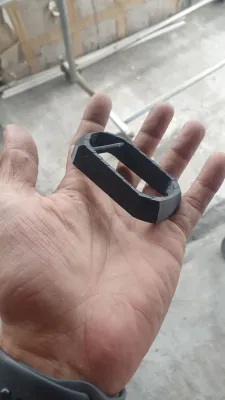
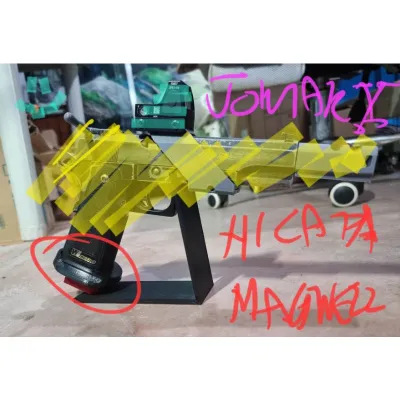
Prices are valid at publication and may change. Please refer to the product page for the latest price.
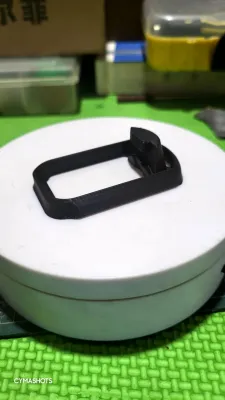
Funnel magwells, on the other hand, maintain a sleeker, more streamlined profile. Instead of expanding outward dramatically, they utilize internal beveling and a more vertical, channeled guide system to funnel the magazine into the grip without adding excessive external bulk. This design focuses on guiding the magazine smoothly once it has already entered the mouth of the grip, rather than catching it from a wide angle.
Adding a metal magwell—typically machined from aluminum or brass—shifts the balance point of your Hi-Capa downward. A heavy, flared magwell adds substantial weight to the base of the grip, which can help counteract muzzle flip and make the pistol feel more planted in your hand. A lightweight funnel magwell provides a more neutral balance, preserving the quick, snappy pointing characteristics of the stock polymer grip frame while still offering a metal-reinforced entry point.
Matching the Magwell to Your Hand Size and Grip Style
Your physical hand size is a primary deciding factor when choosing a magwell. Shooters with large hands often find that a flared magwell acts as a comfortable shelf, pushing the pinky finger upward and compressing the grip for a tighter, more secure hold. However, if you have exceptionally large hands, a massive flare might pinch your pinky against the trigger guard, causing discomfort during extended shooting sessions.

Conversely, smaller hands often benefit from the low-profile nature of a funnel magwell. It provides a subtle indexing point at the base of the palm without forcing the fingers into an unnatural or overly cramped position. This allows shooters with smaller hands to maintain a standard, relaxed grip while still enjoying the benefits of a guided magazine entry.
For players who utilize a modern high-thumb grip, the magwell serves as a crucial reference point for the support hand. The flared design offers a wide, flat surface where the palm of your support hand can wedge tightly against the bottom of the frame, maximizing friction and control. A funnel magwell provides a less aggressive indexing point, allowing for more flexibility in hand placement but requiring more active muscle memory to maintain consistent grip pressure.
Transitioning between a two-handed shooting stance and a one-handed hold reveals distinct ergonomic differences. A flared magwell can feel obtrusive during one-handed operations, as the wide wings can press into the palm or wrist depending on your wrist angle. A funnel magwell transitions seamlessly between shooting styles, offering a neutral feel that does not interfere with your grip when you need to shoot around barricades or transition to your non-dominant hand.
Aligning Your Choice With Airsoft Playstyles and Competitive Needs
In fast-paced competitive disciplines like Action Air, where stages are decided by hundredths of a second, the flared magwell is highly popular. The massive opening minimizes the risk of a fumbled reload when moving between shooting boxes or reloading on the run. The forgiving nature of the wide flare allows you to keep your eyes on the target rather than looking down at your pistol during a magazine change, keeping your situational awareness high.
For MilSim players or those who frequent tight indoor CQB arenas, mobility and gear integration are paramount. A wide, flared magwell can easily snag on tactical vests, plate carriers, or loose clothing when drawing or holstering. It also adds bulk to your sidearm, making it more cumbersome to carry on a battle belt during long rucks. A funnel magwell is far better suited for these tactical environments, offering a streamlined profile that slides cleanly out of holsters and avoids catching on gear.
Under the high-stress conditions of an intense skirmish or a championship match, fine motor skills degrade rapidly. The wide opening of a flared magwell acts as a safety net, compensating for shaky hands and rushed movements. However, if your playstyle demands constant movement, crawling, or shooting from unconventional prone positions, a funnel magwell provides a reliable compromise, ensuring you can still guide the magazine home without the risk of scooping up dirt, sand, or debris into a wide-open flared skirt.
Compatibility, Fitment, and Installation Checks
Before purchasing any magwell, you must verify how it attaches to your Hi-Capa frame. Most magwells secure via a pin that passes through the bottom of the mainspring housing. Some designs require a proprietary mainspring housing that features a mounting block, while others can slip over a standard housing. Always check the manufacturer’s specifications to determine if you need to purchase a matching mainspring housing or if the magwell is a direct bolt-on upgrade for your specific frame model.
A common pitfall for airsoft players is buying a premium magwell only to find it no longer fits their favorite holster. Kydex and injection-molded active-retention holsters are often molded to tight tolerances around the trigger guard and grip. A wide, flared magwell can strike the body of the holster, preventing the pistol from seating fully or interfering with the retention mechanism. Ensure you check clearance with your current holster, magazine pouches, and drop-leg rigs before committing to a wide design.
Installing a magwell typically requires basic tools such as a pin punch, a small hammer, and hex keys. However, due to variations in manufacturing tolerances between different airsoft brands, some minor filing or sanding of the grip frame or the magwell itself may be necessary to achieve a flush, wobble-free fit. If you encounter significant resistance during installation, or if the magazine fails to lock into place securely after mounting, stop immediately and consult a qualified airsoft technician to avoid damaging your frame or magazine catch.
Decision Framework: Choosing the Right Hi-Capa Magwell
To finalize your decision, evaluate your primary playstyle, hand size, and existing gear setup.
Choose a flared magwell if:
- Your primary focus is competitive Action Air or speedsoft, where maximum reload speed is critical.
- You use a wide, aggressive two-handed grip and want a physical shelf to lock your support hand in place.
- You have medium-to-large hands that can utilize the flare as an ergonomic anchor.
- You use open-style competition holsters that do not restrict wider grip profiles.
Choose a funnel magwell if:
- You participate in MilSim, tactical CQB, or general field skirmishes where gear snagging is a concern.
- You need a streamlined, low-profile sidearm that fits standard duty holsters and tight tactical gear setups.
- You have smaller hands or prefer a neutral grip feel that does not force your fingers upward.
- You want to improve reload consistency without altering the original balance and weight distribution of your pistol.
Always verify your mainspring housing compatibility, holster clearance, and local field or tournament rules before making a purchase. If you are unsure about fitment tolerances, testing a teammate’s setup or consulting a local airsoft shop can save you from costly compatibility errors.
Frequently Asked Questions (FAQ)
Do I need to change my mainspring housing to install a magwell?
Whether you need to change your mainspring housing depends entirely on the specific magwell design and your Hi-Capa brand. Some magwells are designed to slide onto the stock polymer mainspring housing and secure with a single screw or pin. Other high-end or competition-grade magwells require a dedicated, matching metal mainspring housing to provide a secure, wobble-free mounting platform. Always read the product specifications carefully to see if a matching housing is included or required for installation.
Will a flared magwell fit in my current airsoft holster?
A flared magwell may not fit in standard, form-fitting Kydex or plastic retention holsters because the wide outer skirt can physically block the pistol from sliding fully into the holster body. Open-top competition holsters or universal fabric holsters generally accommodate flared designs without issue. If you use a molded tactical holster, you may need to modify the holster body by carefully sanding down the contact points, or switch to a more streamlined funnel magwell to ensure reliable draw and retention.
Community discussion
Share your experience or ask a question. Comments are reviewed before publication.