
Finding the right budget treadmill in the Philippines requires looking past flashy online listings and focusing on how a machine handles the realities of daily home use. While Flashfish and similar affordable brands offer highly accessible entry points for home cardio, determining their true value depends on matching the machine’s verified motor capacity, running surface, and local warranty support to your specific body weight and usage frequency. In a tropical climate where high humidity and ambient heat can place extra strain on electrical components, making an informed choice is essential to ensure your equipment remains safe and functional over time.
Core Specifications to Compare: Motor, Surface, and Capacity
When comparing budget treadmills on local ecommerce platforms, the motor is the most critical component to evaluate. Many entry-level brands advertise high horsepower ratings, but these are often peak horsepower (PHP) rather than continuous horsepower (CHP). Peak horsepower represents the maximum power the motor can generate for a brief second under extreme load, whereas continuous horsepower is the power the motor can sustain safely during a workout. For walking or light jogging, a motor with at least 1.0 to 1.5 CHP is generally sufficient, while regular running typically requires 1.75 CHP or higher to prevent overheating.
The dimensions of the running belt are equally important for your safety and comfort. A belt that is too narrow or too short can restrict your natural stride and increase the risk of stepping off the deck. For walking, a belt width of 40 centimeters and a length of 100 centimeters may be adequate. However, if you have a longer stride or plan to jog, you should look for a belt that is at least 42 centimeters wide and 120 centimeters long to allow for comfortable movement.
Products mentioned in this guide
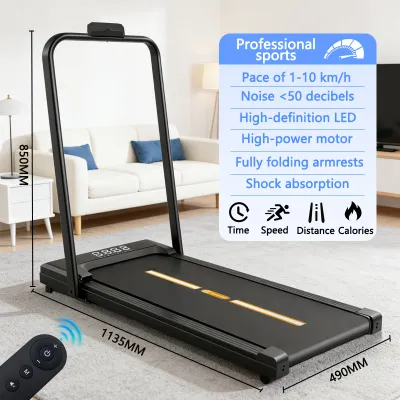
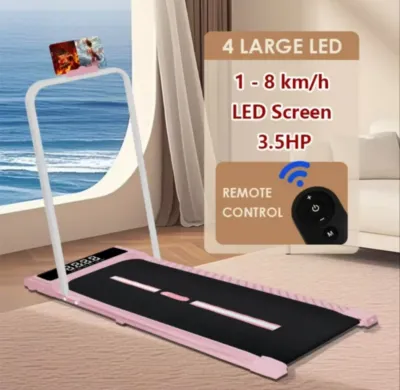
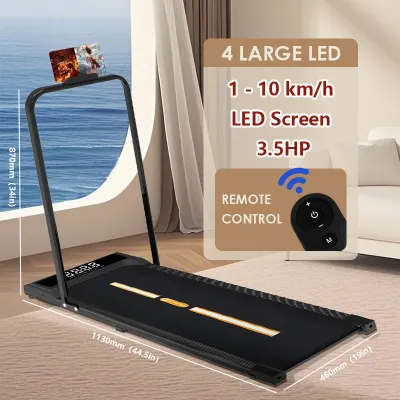
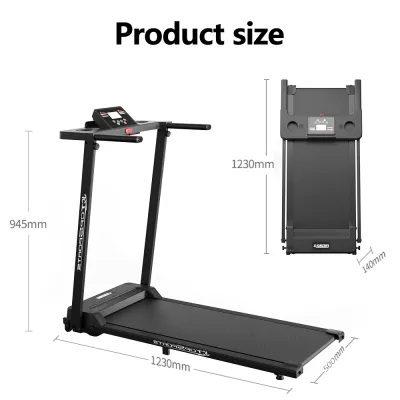
Prices are valid at publication and may change. Please refer to the product page for the latest price.
Finally, you must carefully evaluate the manufacturer’s stated maximum user weight capacity. Budget treadmills often list weight limits of 100 to 120 kilograms, but these are typically static limits. When you run or jog, the dynamic force you exert on the deck is significantly higher than your static weight. To protect the motor and frame from premature wear, it is highly recommended to subtract at least 20 to 30 kilograms from the advertised limit to determine the true safe weight capacity for active workouts.
Build Quality, Noise, and Space Efficiency
Space is a major consideration for home fitness in the Philippines, especially for those living in urban condominiums or shared family homes. Budget treadmills like Flashfish are popular because they often feature folding designs or flat profiles that can be stored under a bed or sofa. However, you should always verify the actual folded dimensions against your available storage space before purchasing. Some models only allow the console to fold down, while others fold the entire deck upward, which may require more vertical clearance than expected.

The materials used in the frame directly impact the machine’s stability and durability. Budget models typically utilize lighter steel tubing or aluminum alloys to keep shipping weights manageable. While this makes the treadmill easier to move, it can result in a less stable feel during use. If the frame flexes or wobbles when you walk or jog, it can cause uneven wear on the belt and motor. Look for models that feature basic shock absorption, such as rubber dampeners under the deck, to help cushion the impact on your joints and reduce floor vibrations.
Noise levels are another crucial factor, particularly in close-quarters living environments. The sound generated by a treadmill comes from both the motor hum and the impact of your feet on the running deck. While a brushless motor can operate relatively quietly, the thud of your footsteps can easily travel through thin floors. To minimize noise and protect your flooring from sweat and scratches, consider placing a high-density rubber equipment mat underneath the treadmill. Checking verified user reviews on online marketplaces can also provide realistic insights into how noisy a specific model is during active use.
Warranty, Assembly, and Local After-Sales Support
Purchasing a budget treadmill online in the Philippines often involves an initial investment of ₱8,000 to ₱15,000. While this price point is highly appealing, you must consider the potential long-term costs of maintenance and repairs. Standard warranty terms for budget brands are typically much shorter than those for premium commercial brands. While high-end treadmills may offer multi-year warranties, budget models often come with a limited 3-month to 1-year warranty, or in some cases, only a basic 7-day return policy.
Before finalizing your purchase, verify whether the brand has an official local distributor or authorized service center in the Philippines. If a component like the motor controller board or the console display fails, finding a compatible replacement part can be extremely difficult without local support. Shipping a heavy treadmill back to a seller for repairs can incur high freight costs, which might exceed the original value of the machine. If you live in provincial areas outside Metro Manila, check if the seller offers remote technical support or if they can ship replacement parts directly to you for self-installation.
Assembly is another factor that can impact your warranty. Some budget treadmills arrive fully assembled and only require you to unfold the frame and plug it in. Others require significant assembly, including mounting the handrails, connecting internal wiring, and aligning the running belt. Read the product description and user manuals carefully to determine if professional setup is recommended. If you assemble the machine incorrectly and damage a component, the manufacturer may void your warranty.
Decision Framework: Choosing the Right Budget Treadmill
To choose the right budget treadmill, you must evaluate your specific household needs, space constraints, and fitness goals.
- Choose Flashfish or similar ultra-compact walking pads if your primary goal is to increase your daily step count while working at a standing desk, if you have very limited storage space, and if you prefer a machine that requires minimal setup. These models are highly portable and cost-effective, but they are generally limited to walking speeds and have lower weight capacities.
- Choose a slightly higher-tier budget treadmill with a traditional handrail and console if you plan to incorporate light jogging into your routine, require a wider running belt for safety, or want manual incline options to increase workout intensity. These models offer better stability but will occupy more floor space.
- Always verify the availability of local customer service and replacement parts in your specific province before checking out. If you live in a remote area, a brand with a simple, mechanical design and widely available generic replacement belts or lubricants may be a safer choice than a highly digitalized model with proprietary electronics.
- Avoid budget treadmills entirely if you plan to perform high-intensity interval training (HIIT), sprint workouts, or if your body weight is close to the manufacturer's maximum limit. In these scenarios, investing in a mid-range or commercial-grade treadmill with a more robust motor and frame is necessary to ensure your safety and prevent premature machine failure.
Frequently Asked Questions (FAQ)
Are budget treadmills suitable for running or just walking?
Budget treadmills are generally designed for walking, power walking, or light jogging rather than high-intensity running. Most entry-level models feature smaller motors, typically under 1.5 continuous horsepower (CHP), which can overheat if subjected to the sustained high speeds required for running. Additionally, the running decks on budget models are usually shorter and narrower, which can feel restrictive and unsafe when you take longer strides during a run. If your fitness routine consists primarily of walking or light jogging to stay active, a budget treadmill can be a highly practical and cost-effective solution. However, if you are training for a long-distance race or prefer fast-paced running, you will likely require a more durable machine with a larger motor and a spacious running surface.
How do I maintain a budget treadmill to extend its lifespan?
Regular maintenance is essential to keep a budget treadmill running smoothly and to prevent premature motor failure. First, you should regularly check the alignment and tension of the running belt; a belt that is too loose can slip, while a belt that is too tight can strain the motor and rollers. Refer to your manufacturer’s manual for specific instructions on how to adjust the belt using the included Allen wrench. Second, lubricate the running deck with 100% silicone oil according to the manufacturer’s recommended schedule, which is typically every 30 to 50 hours of use, or more frequently in hot, humid climates. Finally, keep the machine clean by wiping away sweat after each workout and vacuuming around the motor cover to prevent dust and debris from clogging the internal electronics and causing overheating.

Community discussion
Share your experience or ask a question. Comments are reviewed before publication.