
Choosing the right weight bench is one of the most critical decisions when building a home gym in the Philippines. The short answer depends entirely on your training style, budget, and available space. A flat bench is the ideal choice if your routine centers on heavy powerlifting compound movements, you are working with a strict budget, or you have highly constrained floor space. Conversely, an adjustable bench is the optimal option if your training focuses on bodybuilding, dumbbell isolation work, and targeting specific muscle groups through incline or decline angles. Ultimately, the right choice depends on your specific exercise selection and the physical footprint of your workout area.
Comparing Exercise Variety and Training Goals
To make an informed purchase, you must first map your current and future workout routines to the physical capabilities of each bench type. A flat bench provides a rock-solid, uncompromising platform designed primarily for heavy compound lifts. It is the gold standard for the classic flat barbell bench press, dumbbell rows, and hip thrusts. Because it features a single, continuous pad, it also serves as a stable platform for explosive movements like step-ups or box jumps, as well as various core exercises. If your primary goal is to build raw strength through powerlifting, a flat bench offers the unyielding foundation you need to press heavy loads safely.
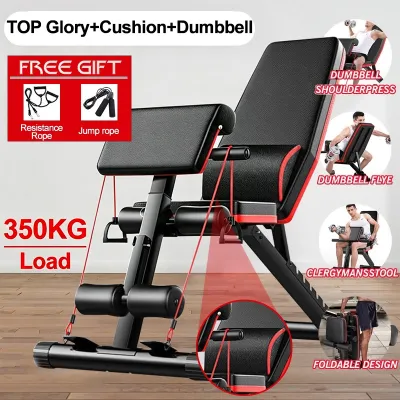
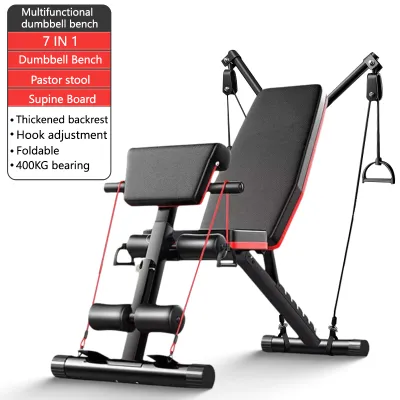
An adjustable bench, often referred to as an incline-decline-flat (FID) bench, dramatically expands your exercise library. By allowing you to alter the angle of the backrest, you can target different muscle fibers with precision. For example, setting the bench to an incline of 30 to 45 degrees shifts the emphasis of your presses to the upper pectoral muscles and anterior deltoids, which is essential for balanced chest development. Setting it to a 90-degree upright position provides crucial back support during heavy overhead dumbbell shoulder presses. Some adjustable models also decline, allowing you to perform decline presses or decline sit-ups.
Products mentioned in this guide
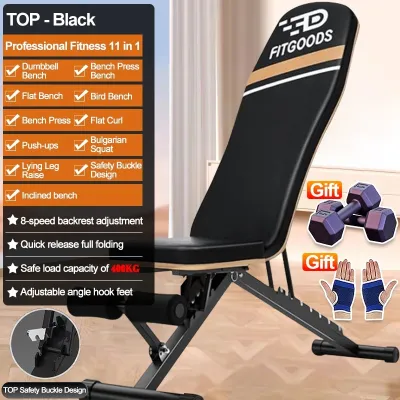
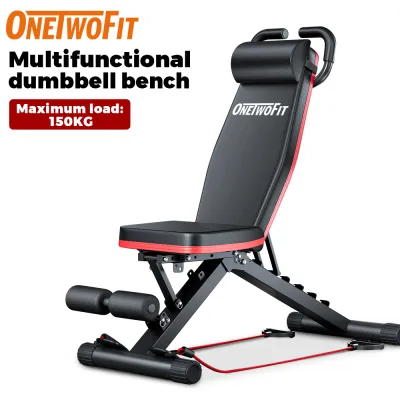
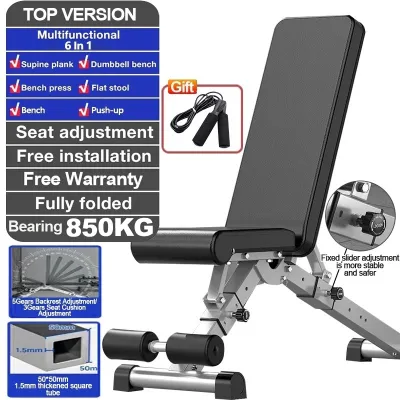
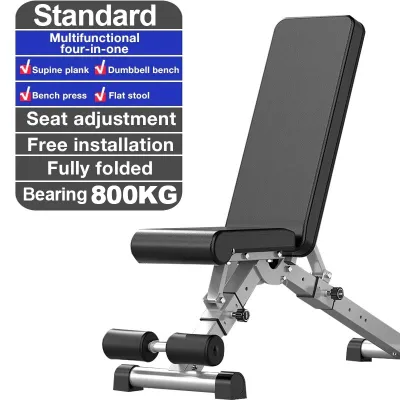
Prices are valid at publication and may change. Please refer to the product page for the latest price.
However, this versatility comes with distinct physical trade-offs. Adjustable benches require a split-pad design—a separate seat and backrest—which creates a physical gap between the pads. When lying flat, this pad gap can sometimes align uncomfortably with your lower back or hips, slightly disrupting your setup. Furthermore, because an adjustable bench relies on moving parts, hinges, and locking pins, it inherently introduces a potential for minor play or wobble. A flat bench, constructed from a single welded frame with no moving joints, remains completely rigid under load. Before making a decision, audit your planned workout split and write down your non-negotiable exercises to see if incline angles are truly necessary for your progress.
Evaluating Space, Storage, and Setup Requirements
The physical environment of your home gym plays a massive role in determining which bench is practical for daily use. A flat bench features fixed, predictable dimensions. It typically has a lower profile and a shorter overall length, making it easy to position inside a compact power rack or squat stand. Because it lacks complex adjustment mechanisms, it is lightweight and highly maneuverable. When your workout is finished, a flat bench can often be tipped vertically against a wall or slid completely under a bed frame, keeping your living space clear.

An adjustable bench demands a larger and more variable footprint. When fully reclined into the flat or decline position, the frame and support legs often extend further to maintain stability at wider angles. When adjusted to an upright position, the backrest extends high into the air, requiring sufficient vertical clearance. Storage is also more demanding. While some modern adjustable benches feature space-saving folding designs, many heavy-duty models do not fold flat. They must be rolled away using transport wheels, requiring a dedicated corner of your room.
In the tropical climate of the Philippines, where high humidity and ambient moisture are common in non-airconditioned home gyms, storage location matters. Storing a bench in a damp garage or a balcony utility area can accelerate rust on exposed metal parts. A flat bench, with fewer joints and crevices, is easier to wipe down and keep dry. Additionally, consider setup time during your workouts. A flat bench is always ready to use, allowing you to transition between exercises instantly. An adjustable bench requires you to pause, pull pins, adjust the seat and backrest angles, and ensure everything is locked into place between sets, which can disrupt the flow of a fast-paced circuit routine.
Checking Stability, Build Quality, and Weight Limits
Safety must be your absolute priority when selecting strength training equipment. Before purchasing any bench, you must verify its structural integrity using a clear checklist of physical specifications. First, check the manufacturer’s stated maximum weight capacity. This figure must represent the combined weight of your body and the heaviest load you plan to lift. For safety, look for a bench with a weight rating that comfortably exceeds your projected maximum lifting capacity.
Next, inspect the frame construction and weld quality. High-quality benches are typically constructed from heavy-duty steel, often measured in gauge thickness. A lower gauge number indicates thicker, stronger steel; for instance, 11-gauge steel is exceptionally robust and common in commercial settings, while 14-gauge steel is standard for light-to-medium home use. Examine the welds at the joints, especially around the pivot points of an adjustable bench. The welds should be smooth, continuous, and free of gaps or bubbling, which can indicate structural weakness.
The contact points of the bench are equally critical. Assess the pad density by pressing your thumb firmly into the foam. A high-density foam pad will resist bottoming out, ensuring your shoulders and spine are cushioned against the steel frame during heavy lifts. The upholstery cover should be made of thick, tear-resistant vinyl. In humid environments, look for sweat-resistant, non-slip textured covers that prevent you from sliding during a press and can be easily sanitized to prevent mold growth.
Finally, pay close attention to the adjustment mechanism on adjustable models. Test the locking pins, pop-pins, or ladder-style notches. The mechanism must engage deeply and securely without any slipping or loose play. A loose adjustment mechanism can fail under load, posing a severe risk of injury during an incline press.
Assessing Budget and Long-Term Value
Your budget is a major deciding factor, and understanding the cost drivers behind these products will help you maximize your investment. Adjustable benches generally command a significantly higher price in ₱ compared to flat benches. This price premium is driven by the complexity of their manufacturing, including heavy-duty hinges, multiple upholstered pads, reinforced adjustment arcs, and transport wheels. A high-quality adjustable bench is a complex piece of engineering that requires precise manufacturing to remain safe under load.
To determine the true value of your purchase, calculate your expected cost-per-use. If you plan to train using a standard powerlifting routine where 90% of your movements are flat presses, rows, and core work, paying a premium for an adjustable bench may not be a wise allocation of your budget. That extra money could be better spent on higher-quality dumbbells, a sturdier barbell, or extra weight plates. However, if your training split relies heavily on incline dumbbell presses, seated shoulder presses, and rear-delt flyes, the adjustable bench becomes a highly valuable tool that justifies its higher upfront cost.
If you are building your home gym gradually, consider your long-term upgrade path. Starting with a budget-friendly, high-quality flat bench is an excellent way to begin training immediately without compromising on safety. As your strength increases and your budget allows, you can transition the flat bench to secondary movements or accessory work and invest in a premium adjustable bench later. This step-by-step approach ensures you never have to compromise on the structural safety of your equipment due to budget constraints.
Your Final Decision Checklist
To finalize your decision, use this structured framework to match your training reality with the right bench type:
Choose a Flat Bench if:
- Your primary training focus is powerlifting, heavy flat bench pressing, or basic compound movements.
- Your workout space is extremely tight, and you need a bench that can easily slide under a bed or stand vertically in a small closet.
- You are working with a strict budget and want to maximize structural safety and weight capacity per peso spent.
- You prefer a seamless, single-piece pad without any gap or potential for joint wobble.
Choose an Adjustable Bench if:
- Your routine relies heavily on bodybuilding, hypertrophy training, and dumbbell isolation work.
- You require specific incline or decline angles to target different areas of your chest, shoulders, and arms.
- You have adequate dedicated floor space or a designated home gym room where the bench can remain set up.
- You are willing to invest more upfront for a versatile, multi-functional piece of equipment.
Verify First if:
- You are buying a second-hand bench; inspect the frame for hairline cracks in the welds and check the vinyl for deep sweat saturation or mold.
- The manufacturer's stated weight capacity is close to your current lifting maximum; always leave a safety margin of at least 50 to 100 kilograms.
- The adjustment mechanism feels loose, slips easily, or fails to lock into place with a positive, audible click.
Before making your final purchase, always cross-reference the physical dimensions of the bench—especially its height from the floor and total length—with any existing equipment you own, such as a power rack, squat stand, or dumbbell rack, to ensure perfect compatibility.
Frequently Asked Questions (FAQ)
Can I use an adjustable bench for heavy barbell bench presses?
Yes, you can use an adjustable bench for heavy barbell bench presses, but you must verify its specific weight capacity and structural rating first. Many adjustable benches have lower weight limits in the flat position compared to dedicated flat benches due to the stress placed on the hinge joints. Additionally, the pad gap on an adjustable bench can sometimes interfere with your arch and shoulder blade positioning, which may affect your stability and leverage during maximal lifts.
Is a foldable adjustable bench worth the space savings?
A foldable adjustable bench is highly valuable for light dumbbell workouts or bodyweight routines in small apartments, but it may not be suitable for heavy lifting. The folding joints and pins required for portability can introduce extra hinge play, leading to noticeable wobble under heavy loads. If your goal is heavy strength training, prioritize a rigid, non-folding frame to ensure maximum stability and safety, and reserve foldable models for lighter fitness routines.
Community discussion
Share your experience or ask a question. Comments are reviewed before publication.