
Choosing between flat and clipless bike pedals is one of the most significant decisions you will make when customizing your bicycle. This choice directly dictates how your body interacts with the drivetrain, influencing your comfort, safety, and overall riding confidence. Flat platform pedals offer immediate foot placement, easy walkability, and complete freedom of movement, making them highly practical for daily commuting, casual weekend rides, and learning technical mountain biking skills. Conversely, clipless pedals utilize a mechanical cleat-and-retention system to lock your shoe to the pedal, providing consistent foot positioning and optimized power transfer for long-distance road cycling, gravel riding, and cross-country adventures.
In the tropical climate of the Philippines, where sudden afternoon downpours can turn dry streets into slick surfaces, your choice of pedal also affects how securely your feet stay planted. High humidity and wet conditions demand careful consideration of grip, material durability, and bearing seals. By understanding the mechanical differences, practical limitations, and specific use cases of each pedal system, you can make an informed decision that aligns perfectly with your cycling goals and local riding environment.
Understanding the Core Differences Between Flat and Clipless Pedals
To make an informed choice, it is essential to understand how these two systems function mechanically. Flat pedals, often referred to as platform pedals, feature a broad, flat surface on both sides. They rely on friction, gravity, and sometimes small metal or plastic grip pins to keep your shoe in place. There is no mechanical attachment; you simply place your foot on the pedal and start spinning. This design allows you to adjust your foot position on the fly and step off the pedal instantly whenever necessary.
Products mentioned in this guide
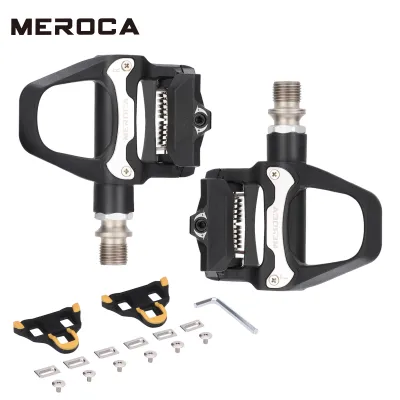
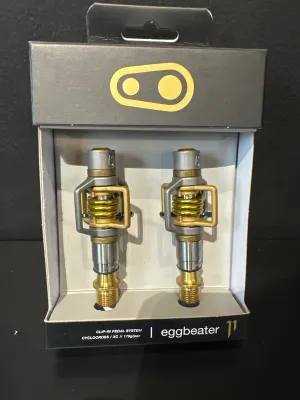
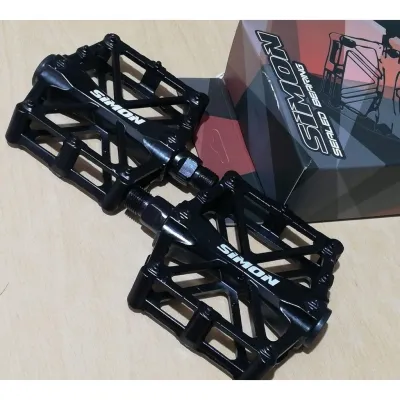
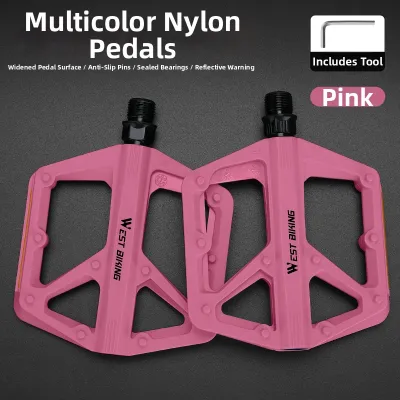
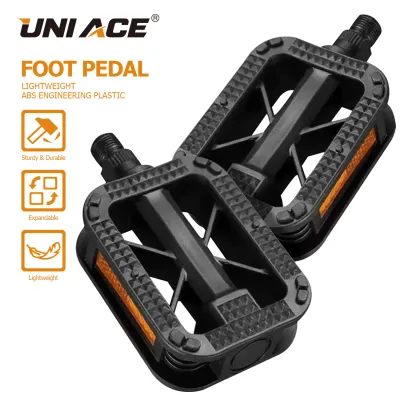
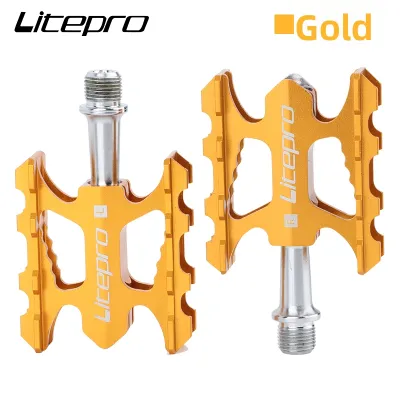
Prices are valid at publication and may change. Please refer to the product page for the latest price.
Clipless pedals, despite their confusing name, actually lock your shoe to the pedal body. The term “clipless” is a historical artifact from when cyclists transitioned away from traditional toe clips—the metal cages and leather straps that wrapped around the front of the shoe. Instead of external straps, a clipless system uses a small cleat bolted to the sole of a specialized cycling shoe. This cleat snaps into a spring-loaded retention mechanism on the pedal, creating a secure, rigid connection. To release your foot, you must perform a deliberate outward twisting motion of your heel.
This mechanical difference changes how you interact with your bicycle. On flat pedals, your foot is free to move, which is highly forgiving but requires active physical effort to keep your feet centered on rough terrain. On clipless pedals, your foot is locked into a fixed position, ensuring that your foot remains in the optimal pedaling position throughout the entire pedal stroke. However, this system requires a baseline level of coordination and muscle memory to operate safely, especially when coming to a sudden stop.
Evaluating Flat Pedals for Your Cycling Needs
Flat pedals are the traditional standard for a reason: they are highly accessible, versatile, and require no specialized gear. They are the ideal choice for urban commuters navigating busy city streets, casual recreational riders, bikepackers, and mountain bikers who practice technical skills like jumps or tight cornering. The primary advantage of flat pedals is their sheer convenience. You can wear any footwear you choose, from running shoes and work boots to casual sandals, allowing you to transition seamlessly from riding to walking without carrying a spare pair of shoes.

In stop-and-go traffic, flat pedals offer unmatched peace of mind. If you need to stop suddenly to avoid an obstacle or navigate a crowded intersection, you can instantly drop your foot to the ground. For mountain bikers, flat pedals encourage proper technique; because your feet are not locked in, you must learn to scoop the pedals and use your body weight to control the bike, rather than relying on a mechanical connection to pull the bike upward.
However, flat pedals do have distinct limitations. Because there is no physical attachment, your feet can slip off the platform when riding over rough terrain, hitting unexpected bumps, or pedaling in wet and muddy conditions. A slip at high speed can result in painful shin strikes from the sharp metal grip pins. Additionally, flat pedals are less efficient on long, sustained climbs. You can only apply downward force on the pedal, meaning you cannot actively pull up or sweep through the bottom of the pedal stroke, which can lead to premature muscle fatigue on long-distance journeys.
Assessing Clipless Pedals for Performance and Control
Clipless pedals are designed for riders who prioritize efficiency, speed, and consistent bike control. They are highly favored by road cyclists, gravel riders, cross-country mountain bikers, and long-distance touring enthusiasts. By mechanically locking your shoe to the pedal, clipless systems ensure that your foot is always positioned perfectly over the pedal spindle. This consistent alignment helps prevent repetitive strain injuries in your knees and hips by keeping your joints moving in a straight, natural plane.
The primary performance benefit of clipless pedals is the optimization of your pedaling mechanics. Because your foot is securely attached, you can apply force through the entire 360-degree rotation of the pedal stroke. You can push down, sweep backward at the bottom, pull up on the ascent, and push forward at the top. This continuous power transfer is highly beneficial when climbing steep hills or maintaining a high cadence on flat roads. Furthermore, on rough trails or bumpy descents, clipless pedals keep your feet firmly anchored, preventing them from bouncing off the pedals and allowing you to maintain full control of the bicycle.
Despite these benefits, clipless pedals come with a steep learning curve and additional expenses. Beginners must practice the twisting heel motion to unclip, and almost every rider experiences a slow-speed fall when they forget to unclip before stopping. Clipless systems also require specialized cycling shoes with stiff soles, which are uncomfortable and difficult to walk in on hard surfaces. Additionally, the cleats bolted to the bottom of the shoes wear down over time and require regular inspection, cleaning, and replacement to ensure safe engagement and disengagement.
Matching Pedal Types to Specific Riding Disciplines
To help you decide which system fits your lifestyle, it is helpful to look at how each pedal type performs across different cycling activities. Your choice should balance your need for on-bike efficiency with your need for off-bike mobility and convenience.
Below is a comparison mapping common riding disciplines to their recommended pedal systems, shoe requirements, and primary benefits:
| Riding Discipline | Recommended Pedal Type | Shoe Requirements | Primary Operational Benefits |
|---|---|---|---|
| Urban Commuting | Flat or Hybrid | Regular flat-soled shoes | Quick foot release, maximum walkability, everyday convenience |
| Road Cycling | Clipless (3-bolt) | Stiff road shoes with 3-bolt cleats | Maximum power transfer, high cadence stability, reduced joint strain |
| Mountain Biking (Trail) | Flat or Clipless (2-bolt) | Flat MTB shoes or 2-bolt MTB shoes | Freedom to dab on descents (flats) vs. rough terrain security (clipless) |
| Gravel & Touring | Clipless (2-bolt) or Hybrid | Walkable 2-bolt shoes | Long-distance efficiency combined with off-bike walkability |
When applying this decision framework, ask yourself a few practical questions. If your typical ride involves frequent stops, walking around shops, or navigating unpredictable traffic, flat pedals are generally the more practical choice. If your rides consist of long, uninterrupted stretches of road or trail where you want to maximize your physical output, clipless pedals are highly advantageous.
Before making a purchase, you must also verify your budget and gear compatibility. Transitioning to a clipless system is not just about buying new pedals; you must also invest in compatible cycling shoes and the correct cleats. If you are not ready to make this financial commitment or prefer the simplicity of riding in your everyday footwear, sticking with high-quality flat pedals equipped with robust grip pins is an excellent path.
Key Specifications and Fitment Checks Before Buying
Before purchasing any new pedal system, you must perform several compatibility and hardware checks to ensure a safe and successful installation. First, verify the crank arm thread size of your bicycle. The vast majority of modern adult bicycles use a standard 9/16-inch thread (9/16″ x 20 TPI). However, some older bicycles, children’s bikes, or specific one-piece cranksets utilize a smaller 1/2-inch thread. Check your bicycle manufacturer’s specifications to confirm which size you need.
Second, if you choose a clipless system, you must match the pedal’s cleat design to your cycling shoes. There are two primary bolt patterns used in the cycling industry:
- 2-Bolt System (SPD Style): This system uses two parallel bolts to secure a small metal cleat to the shoe. It is standard for mountain biking, gravel, and commuting shoes. The cleats are typically recessed into the rubber tread of the sole, allowing you to walk relatively normally without the cleat touching the ground.
- 3-Bolt System (Look/SPD-SL Style): This system uses three bolts arranged in a triangle to secure a large plastic cleat. It is standard for dedicated road cycling shoes. The cleat sits proud of the smooth, stiff plastic or carbon sole, making walking highly awkward and slippery.
Third, evaluate the physical characteristics of the pedal body itself. Consider the platform size; larger platforms distribute pressure more evenly across your foot, reducing the risk of “hot spots” or numbness on long rides. Look for high-quality axle materials, such as chromoly steel, and sealed cartridge bearings. Sealed bearings are crucial in tropical environments like the Philippines, as they prevent fine road dust, sand, and heavy rainwater from penetrating the pedal body and causing premature wear or rust.
Always stop and consult a professional bicycle mechanic if you find that the pedal threads do not match your crank arms, if the crank arm threads show signs of cross-threading or stripping, or if you are unsure of the correct installation torque. Installing pedals incorrectly can permanently damage your crankset and lead to dangerous pedal failure while riding.
Transitioning and Safety Considerations
If you decide to transition from flat pedals to a clipless system, safety should be your primary focus during the adjustment period. Do not immediately head out onto busy public roads or technical trails. Instead, begin by practicing the clipping in and out process while stationary. Find a stable surface to hold onto, such as a sturdy wall, a handrail, or a door frame, or place your bicycle on an indoor trainer. Practice engaging the cleat and twisting your heel to release on both sides until the motion feels natural and automatic.
Once you feel comfortable stationary, find a quiet, flat grassy area or an empty parking lot to practice low-speed riding. Practice looking ahead, bringing the bike to a controlled stop, and unclipping your dominant foot well before you actually halt. It is highly recommended to adjust the pedal’s release tension to its lowest setting when starting out. Most clipless pedals feature a small tension adjustment screw (usually adjusted with an Allen key) that controls how much force is required to twist your foot free. Keeping this tension loose makes it much easier to escape the pedals in an emergency.
Proper cleat alignment is also critical for physical health. When mounting cleats to your shoes, try to align them so that your feet sit in their natural, comfortable walking angle. If your cleats are misaligned, they can force your knees and hips into unnatural angles, leading to joint strain. If you experience any persistent knee, hip, or lower back discomfort during or after your rides, stop riding immediately. Consult a professional bike fitter or a qualified physical therapist to adjust your cleat float, stance width, or saddle height before continuing.
Frequently Asked Questions (FAQ)
Can I use regular shoes on clipless pedals?
It is highly discouraged and generally unsafe to ride on clipless pedals using regular shoes. Clipless pedal bodies are typically small, made of smooth metal or composite materials, and lack any grip pins or textured surfaces. Without the mechanical connection of a cleat, your regular shoes will easily slip off the pedal, especially when pedaling uphill, riding over bumps, or navigating wet conditions. This slippage can cause you to lose control of the bicycle, leading to potential falls or severe shin injuries.
Are there pedals that offer both flat and clipless options?
Yes, these are known as hybrid or dual-sided pedals. They feature a standard flat platform with grip pins on one side and a 2-bolt clipless mechanism on the other. Hybrid pedals are an excellent solution for commuters who use the same bicycle for daily travel in regular shoes and weekend fitness rides in cycling shoes. The main trade-offs are that they are generally heavier than single-purpose pedals, and you must occasionally look down or use your foot to flip the pedal to the correct side when starting from a stop.
How do I know when my pedal bearings or cleats need replacing?
You can identify the need for replacement through several physical and auditory indicators. For pedals, check for lateral play by grasping the pedal body and trying to wiggle it side-to-side along the axle; any noticeable wobble or grinding noises when spinning indicates worn bearings. For cleats, inspect them visually for deep scratches, cracks, or rounded edges. If you experience difficulty clipping in, find that your feet release too easily without twisting, or notice that the connection feels excessively loose even with high tension settings, it is time to replace your cleats.
Community discussion
Share your experience or ask a question. Comments are reviewed before publication.