
Choosing the right mountain bike pedals can feel overwhelming, especially when navigating the muddy, root-strewn trails of the Philippines where sudden tropical downpours and steep terrain demand absolute control. The choice between flat and clipless pedals depends on your riding style, skill level, and trail conditions: flat pedals offer immediate freedom and rapid foot placement for technical maneuvers, while clipless pedals provide a secure, locked-in connection that maximizes pedaling efficiency on long climbs and rough descents. Understanding how each system interacts with your footwear and riding technique is the first step toward improving your confidence and performance on the trail.
Equipment alone cannot replace proper technique, training, and trail judgment. Whether you are climbing steep fire roads or descending technical singletrack, your pedals are your primary point of contact and control. By evaluating the mechanical differences, safety considerations, and maintenance needs of both systems, you can make an informed decision that aligns with your personal riding goals.
How Do Flat and Clipless Mountain Bike Pedals Differ in Basic Function?
Flat and clipless pedals differ fundamentally in how they interact with your feet, using distinct mechanical designs and specialized footwear to achieve either a high-friction platform or a mechanical lock. Flat pedals, often called platform pedals, feature a wide, flat surface typically made of aluminum or composite material. They are studded with small, adjustable metal pins designed to bite into the soft, sticky rubber soles of flat-pedal-specific shoes, keeping your feet in place through friction alone.
Products mentioned in this guide
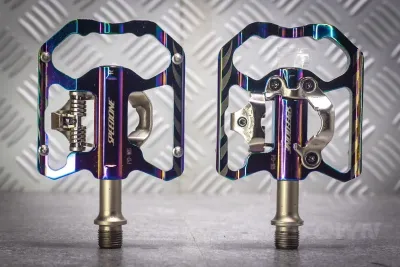
![SHIMANO PD M505 PEDAL FOR TRAILXC MTB BICYCLE GRAVEL [ 100% ORIGINAL PRODUCT ]](https://img.lazcdn.com/g/p/b510168437805906d4aeb749980cbd32.jpg_400x400q80.jpg_.webp)
1 Lazada user ratings
maayos ang pagka-pack ng item.. good ung quality, puro grasa lang pagdating per walang sira.
2 Lazada user ratings
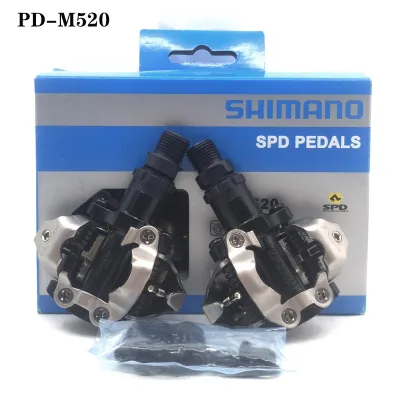
Quality:10/10 Appearance:10/10 Performance:10/10 Ok namam. Medyo mabigat kesa other cleats pedals. Red na red, di lang ako sure kung bakal b…Read full reviewShow less
Quality:10/10 Appearance:10/10 Performance:10/10 Ok namam. Medyo mabigat kesa other cleats pedals. Red na red, di lang ako sure kung bakal ba to or stainless. May small signs of kalawang na yung locking mechanism if close up pero un noticeable naman.
24 Lazada user ratings
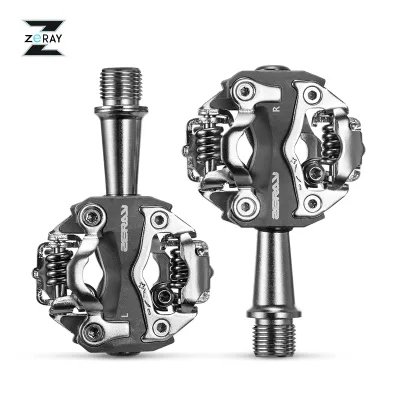
okay yung pedal maganda at mura kesa sa isang seller mahal pero same lang na zeray matagal nga lang dumating sana tumagal.
legit guys ang ganda sobra, bili na kayo habang mura pa kala ko Hindi legit Nung una, Overall 10/10 💎👌
🔨Durability:10 ⚖️Weight:9.5 👐Grip:10 goods itong brand n ito.sana tumagal!!! must buy here legit....
Fast shipping, Perfect for off-road, Perfect for off-road, durable, easy to clip in and clip out
all goods easy to use easy to install easy to clean easy to rock easy to ride easy to use amen.
4 Lazada user ratings
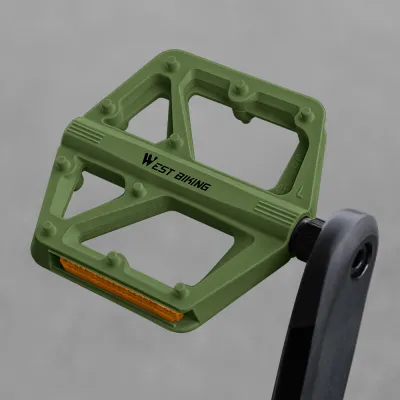
It's super smooth and the color is really pretty. It's effortless to ride and the pedals are very stable while cycling, I'm very satisfied.
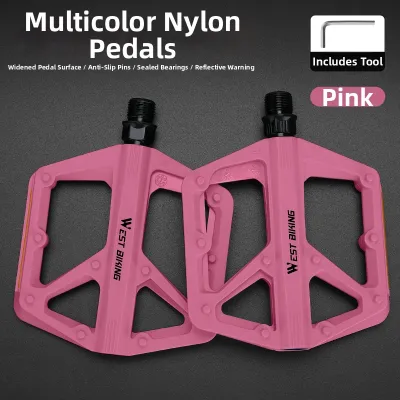
21 Lazada user ratings
It's got studs, it's made out of nylon, bearings are sealed, and will look better than an aluminum one after getting scratched on trails.
Thanks seller. Great item, wonderful experience. Amazing deal from an amazing seller. Thanks Lazada! More power and more deals
The craftsmanship is amazing, and it’s really well done! Very impressive!
Really easy to use, even better than the original.
Looks pretty good, not sure about durability.
Prices are valid at publication and may change. Please refer to the product page for the latest price.
Clipless pedals, despite their confusing name, actually lock your feet to the pedals. The term “clipless” is a historical carryover from when these systems replaced the old-school toe clips and straps. Instead of straps, clipless pedals use a spring-loaded retention mechanism that engages with a small metal cleat bolted to the bottom of a stiff-soled cycling shoe. To connect, you step down onto the pedal until the cleat clicks into place; to release, you twist your heel outward.
Because these systems function so differently, they require completely different types of footwear. Flat-pedal shoes look similar to skate shoes but feature highly specialized, sticky rubber compounds on the outsole and a semi-stiff shank inside to prevent foot fatigue. Clipless shoes are much stiffer, often featuring nylon or carbon fiber midsoles to maximize power transfer, with a recessed channel in the sole where the cleat is mounted so you can still walk on rough ground.
Which Pedal System Provides Better Control and Confidence on Technical Descents?
Flat pedals generally offer more confidence for riders who prioritize quick foot adjustments and easy bailouts, whereas clipless pedals deliver superior control by keeping your feet firmly attached to the bike over high-speed, chattery terrain. On steep, technical descents, flat pedals allow you to easily adjust your foot position or quickly stick a foot out—known as “dabbing”—to recover from a slide on wet clay or loose gravel. This freedom of movement provides a significant psychological safety net, making it easier to commit to challenging lines.

However, riding flat pedals on rough descents requires active technique. You must use your body weight and heel positioning to keep your feet heavy on the pedals; otherwise, a sudden bump can bounce your foot off, leading to a loss of control. If your foot does slip, repositioning it on a highly textured flat pedal while bouncing down a rocky trail can be incredibly difficult and risky.
Clipless pedals solve the bouncing issue by ensuring your feet remain perfectly positioned, no matter how rough the trail becomes. This mechanical connection allows you to relax your lower body slightly and focus entirely on your line choice, using your legs to pump the terrain without fear of slipping off. The trade-off is the learning curve: beginners transitioning to clipless systems often experience slow-speed “tip-over” falls because they cannot disengage their feet fast enough when stopping. Overcoming this requires building muscle memory through dedicated practice in a safe, flat area before tackling technical trails.
How Does Pedaling Efficiency and Power Transfer Compare on Climbs?
Clipless pedals offer superior pedaling efficiency and power transfer on climbs by allowing you to apply force throughout the entire 360-degree pedal stroke, while flat pedals rely primarily on downward pressure and shoe-to-pin friction. In a clipless system, the rigid sole of the shoe prevents your foot from flexing over the pedal, directing all your energy straight into the drivetrain. Because you are mechanically attached, you can push forward at the top of the stroke and pull up slightly on the upstroke, which is incredibly beneficial for maintaining momentum on steep, technical climbs.
Flat pedals are less efficient over long, sustained climbs because they rely almost entirely on the downward push phase of the pedal stroke. While modern flat-pedal shoes feature stiff internal shanks that mitigate energy loss, you cannot pull up on the pedal to ease the burden on your quadriceps. This can lead to faster muscle fatigue on long, grueling ascents under hot, humid tropical conditions.
Foot placement accuracy also plays a major role in long-distance efficiency. Clipless pedals automatically position your foot in the same ergonomically correct spot every time you clip in, reducing the risk of repetitive strain injuries. On flat pedals, your foot can easily land too far forward or backward after a quick dab, requiring you to actively reposition it to avoid inefficient pedaling and premature calf fatigue.
What Are the Safety and Injury Considerations for Each Pedal Type?
Flat pedals minimize the risk of being trapped during a high-speed crash but can cause painful shin scrapes from exposed pins, whereas clipless pedals protect against slipping off but require precise cleat alignment to prevent chronic knee strain. In a sudden crash or slide, flat pedals allow you to separate from the bike instantly, reducing the risk of twisting your ankles or knees under the weight of the falling frame. However, if your foot slips off a flat pedal unexpectedly, the sharp metal traction pins can spin around and strike your shins or calves, causing painful lacerations.
Clipless pedals keep you securely attached to the bike, which can be a double-edged sword during a crash. While the spring mechanism is designed to release when your heel twists violently, there are scenarios—such as an over-the-bars crash—where you may remain attached to the bike, potentially worsening joint injuries. Furthermore, because your feet are locked into a fixed position, any misalignment of the cleats can cause repetitive stress on your knees and hips.
To mitigate these risks, it is crucial to check and adjust your equipment regularly. If you choose clipless pedals, select a system that offers adequate “float”—the degree of free foot rotation allowed before the release mechanism engages—to accommodate your natural joint alignment. Always test and adjust the release tension settings on your clipless pedals, starting at the lowest tension to ensure easy disengagement, and practice clipping in and out while stationary before riding.
How Do You Match Your Pedal Choice to Your Specific Mountain Biking Discipline?
Your ideal pedal system aligns with the specific demands of your riding discipline, balancing the need for raw pedaling efficiency against the requirement for rapid body movement and foot freedom. Cross-country (XC) and marathon riders almost universally prefer clipless pedals. These disciplines focus on endurance, climbing speed, and pedaling efficiency over long distances, making the lightweight design and rigid power transfer of clipless systems the obvious choice.
For trail, enduro, and downhill riding, the choice becomes highly personal and depends on your riding style. Flat pedals are highly favored by riders who love technical maneuvers, jumps, and tight, muddy corners where throwing “body English” and being able to quickly eject from the bike are essential. However, many advanced enduro and downhill racers still choose clipless pedals because the absolute foot security allows them to maintain extreme speeds through rough rock gardens without losing their footing.
Beginners should almost always start on high-quality flat pedals paired with dedicated flat-pedal shoes. Starting on flats teaches you proper bike handling skills, such as how to weight the pedals to maintain traction and how to scoop the rear wheel to bunny hop, rather than relying on a mechanical connection to pull the bike up. Once you have mastered these fundamental skills and developed good trail judgment, you can confidently experiment with clipless pedals to see if they suit your progression.
What Hidden Costs and Maintenance Requirements Should You Expect?
Beyond the initial purchase, both pedal systems carry ongoing costs for specialized footwear and require regular maintenance to ensure reliable grip and release performance. Many riders make the mistake of budgeting only for the pedals, forgetting that both systems require dedicated mountain biking shoes to function safely and effectively. Using standard running shoes on flat pedals will quickly destroy the soft foam soles, while using them on clipless pedals is impossible.
Flat pedals require relatively low but consistent maintenance. You must regularly check the traction pins, as they can back out, bend, or wear down over time, requiring replacement to maintain grip. Additionally, riding in wet, muddy, or dusty tropical environments will eventually wear out the internal bearings and bushings, requiring you to disassemble, clean, and regrease the spindle to prevent play and squeaking.
Clipless pedals require more frequent inspection of the cleat mechanism. The metal cleats bolted to your shoes are wear items; walking on rocks, gravel, and concrete will gradually grind them down, leading to loose engagement or difficulty releasing. The spring-loaded retention mechanism on the pedals must be kept clean of mud and debris, and occasionally lubricated with a light dry lube to ensure consistent release tension.
When budgeting in the Philippines, expect to invest around ₱3,000 to ₱8,000 for a reliable pair of entry-to-mid-range mountain biking shoes, while quality pedals can range from ₱1,500 to ₱6,000 depending on the materials and brand. Replacement cleats for clipless systems generally cost between ₱500 and ₱1,200 and should be replaced annually or whenever you notice inconsistent release behavior. Always check local bike shops or trusted online marketplaces for genuine replacement parts to ensure compatibility and safety.

Community discussion
Share your experience or ask a question. Comments are reviewed before publication.