
Selecting the right workout bench is one of the most critical decisions you will make when setting up a home gym or planning your strength training routine. The most suitable choice depends on your specific fitness goals, your preferred exercise selection, and the physical constraints of your workout space. While a dedicated powerlifter might prioritize the rock-solid stability of a flat bench, a fitness enthusiast looking for exercise variety in a compact room will likely find more value in an adjustable model. By aligning the structural design of the bench with your training style, you can optimize your workouts, support safety during heavy lifts, and make a practical financial investment.
Understanding the Core Differences: Flat, Incline, and Adjustable Benches
A flat bench is the most straightforward and traditional option available. It consists of a single, horizontal padded platform supported by a rigid steel frame. Because it has no moving parts, this design offers exceptional structural integrity and a highly stable surface for heavy lifting. It sits at a fixed height from the ground, allowing you to plant your feet firmly to establish a solid base of support. This simplicity makes it a staple for foundational compound movements, such as the classic bench press, as well as single-joint exercises like dumbbell pullovers and concentrated arm curls.
A fixed incline bench features a backrest set at a permanent upward angle, typically ranging between 30 and 45 degrees. This specific orientation shifts the mechanical load of pressing movements upward, targeting the clavicular head of the pectoralis major (the upper chest) and the anterior deltoids (the front of the shoulders). Because the angle is welded into place, these benches are incredibly robust and are commonly found in commercial gym settings. However, their single-purpose design means they occupy a permanent footprint while only supporting a specific subset of upper-body exercises.
Products mentioned in this guide
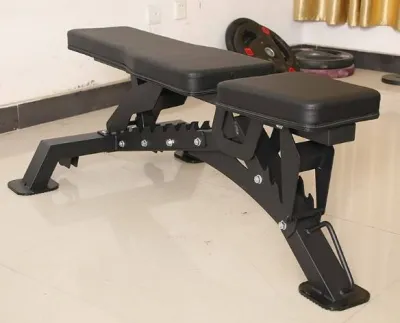
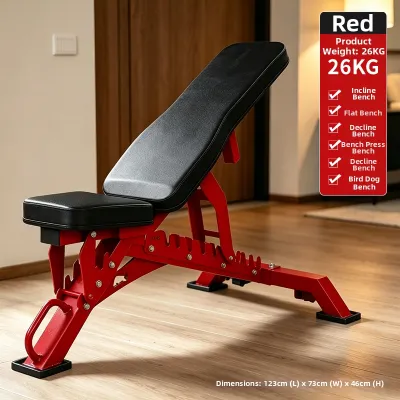
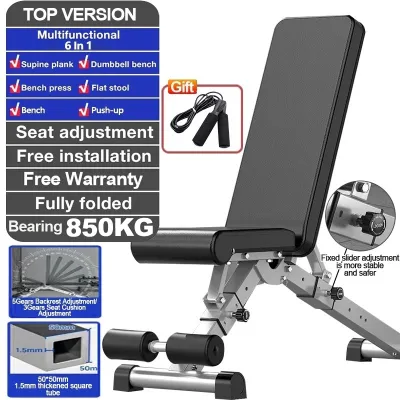
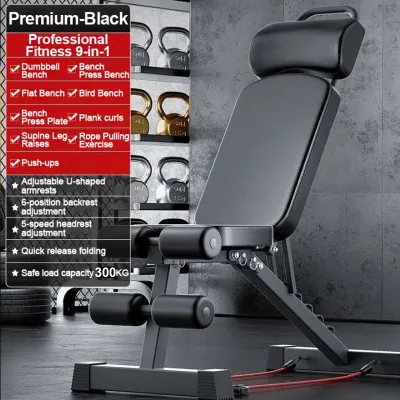
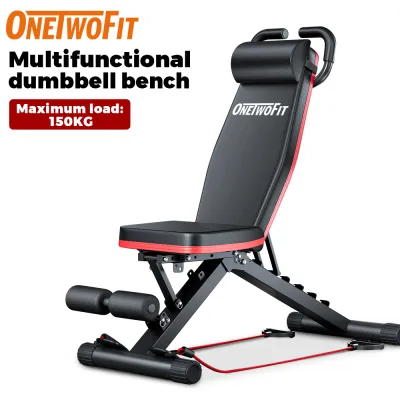
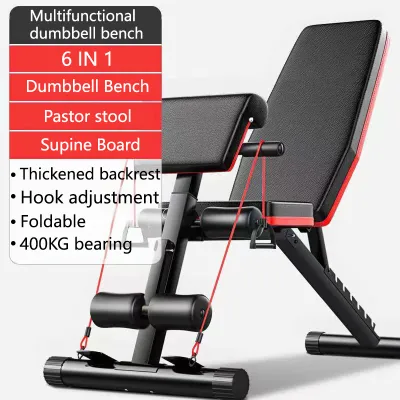
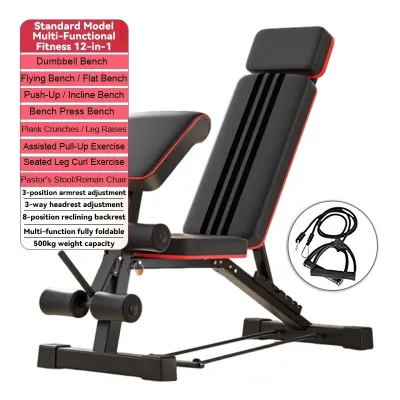
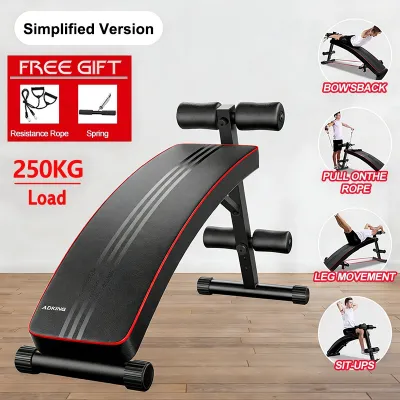
Prices are valid at publication and may change. Please refer to the product page for the latest price.
An adjustable bench, often referred to as a flat-incline-decline (FID) bench, offers a high level of versatility by incorporating a hinged backrest and seat. Using a built-in adjustment mechanism, you can transition the bench from a completely flat position to multiple incline angles, and sometimes even a decline angle. This adaptability allows you to perform dozens of different exercises on a single piece of equipment. The trade-off for this versatility lies in the complexity of the design, as the moving joints, pins, and hinges require careful engineering to maintain stability under heavy loads.
These structural differences do more than just dictate which exercises you can perform; they also influence the overall footprint and weight of the equipment. A flat bench is generally lighter and easier to move around, making it highly convenient for smaller workout areas. In contrast, adjustable benches require more robust frames and heavier adjustment brackets, which can make them bulkier and more challenging to reposition unless they are equipped with integrated wheels and transport handles.
Matching Bench Types to Your Specific Training Goals
If your primary objective is powerlifting or building raw, foundational strength, a high-quality flat bench is often the most practical choice. Heavy barbell pressing requires absolute stability, as any shifting or wobbling under a loaded bar can compromise your form and increase the risk of injury. A flat bench provides a continuous, gap-free surface that supports your entire spine, shoulders, and hips. This solid contact point allows you to maximize leg drive—the force transferred from your feet through your body to help push the weight—without worrying about the bench shifting beneath you. It is also the ideal platform for heavy dumbbell rows, where you must place one knee and hand on the pad for support.

For those focusing on hypertrophy, bodybuilding, or targeted muscle isolation, incorporating different angles is essential. A fixed incline bench, or an adjustable bench set to an incline, allows you to isolate specific muscle groups that are difficult to target on a flat surface. By changing the angle of the bench, you alter the line of pull of the muscles, helping you develop a well-rounded physique. For example, incline dumbbell presses and incline chest flies place a unique stretch on the upper chest fibers, while seated incline dumbbell curls place the biceps in an extended position for a deeper stretch and intense contraction.
If you are building a versatile home gym in a limited space, such as a garage or a spare room in a tropical climate, an adjustable bench is highly advantageous. It serves as a multi-functional hub for full-body circuits, allowing you to transition quickly from seated shoulder presses to incline chest presses, and then down to flat dumbbell rows. This versatility means you do not need to purchase multiple specialized benches to get a complete workout. For general fitness enthusiasts who enjoy a wide variety of exercises and want to keep their routines engaging, the adjustable bench offers the greatest utility per square meter.
To help guide your decision, consider this conditional framework:
- Choose a flat bench if you prioritize heavy barbell lifts, require maximum stability, have a limited budget, and do not need to perform incline or decline movements.
- Choose an adjustable bench if you perform a wide variety of dumbbell exercises, need to target different muscle angles for hypertrophy, and want to maximize the utility of a single piece of equipment in a compact space.
- Choose a fixed incline bench primarily if you have ample space, a dedicated budget for multiple specialized stations, and want a commercial-grade platform dedicated solely to upper chest and shoulder development.
Key Specifications to Verify Before You Buy
Before finalizing your purchase, it is crucial to verify the weight capacity of the bench to ensure it can safely support your training loads. The maximum weight capacity stated by the manufacturer must accommodate both your body weight and the heaviest weights you plan to lift. To calculate this, add your current body weight to the maximum weight of the barbell or dumbbells you intend to use as you progress. For example, if you weigh 80 kilograms and plan to bench press a maximum of 100 kilograms, your bench must have a certified weight capacity of at least 180 kilograms. Opting for a bench with a generous safety margin is always recommended for peace of mind.
Dimensions and ergonomics play a vital role in both safety and exercise execution. Check the manufacturer’s specifications for the pad width, length, and overall height of the bench. A pad that is too narrow (under 10 inches or 25 centimeters) may not provide adequate support for your shoulder blades during heavy presses, which can lead to shoulder instability. Conversely, a pad that is too wide can restrict your range of motion at the bottom of a press. The height of the bench from the floor should allow your feet to rest completely flat on the ground, enabling proper leg drive and spinal alignment; a standard height of 17 to 18 inches (43 to 46 centimeters) is generally suitable for most lifters.
The stability and frame structure of the bench are determined by its materials and base design. Look for frames constructed from heavy-duty steel, typically 11-gauge or 12-gauge steel tubing, which offers excellent resistance to bending and twisting. The base of the bench should be wide enough to prevent tipping during lateral movements, and it should feature non-slip rubber feet. These rubber caps not only prevent the bench from sliding on smooth surfaces like polished concrete or tiled floors but also protect your flooring from scratches and absorb some of the impact during intense workouts.
For adjustable benches, the design of the adjustment mechanism is a critical safety feature. The two most common designs are the pin-and-ladder system and the step-ladder (or pop-pin) system. A pin-and-ladder system uses a steel rod that slots into pre-cut grooves along a metal spine, offering rapid adjustments but requiring you to ensure the rod is fully seated before sitting down. A pop-pin system uses a spring-loaded pin that locks securely into drilled holes in the frame, providing an exceptionally secure lock that cannot slip out of place during an exercise. Always check product manuals to understand how the locking mechanism operates and verify that it feels solid and secure.
Space, Storage, and Budget Trade-offs
Physical space is often the deciding factor when choosing gym equipment for a residential setting. In many homes, dedicated workout space is limited, requiring equipment to be stored away when not in use. Some adjustable and flat benches are designed with folding legs or collapsible frames, allowing them to be folded flat and stored under a bed or stood upright in a closet. If you plan to move your bench frequently, look for models equipped with transport wheels and a convenient grab handle. Fixed benches, while highly stable, cannot be folded, meaning they will permanently occupy a set amount of floor space in your home.
The tropical climate in the Philippines introduces unique environmental considerations for home gym equipment. High humidity and ambient moisture can accelerate the rusting of steel frames and the degradation of vinyl padding, especially if the equipment is kept in a garage, veranda, or non-air-conditioned room. When evaluating your budget, consider that cheaper benches may use low-grade steel with thin powder coating that chips easily, exposing the metal to rust. Investing in a bench with a high-quality, rust-resistant powder coat finish and sweat-resistant, double-stitched vinyl upholstery will save you money in the long run by resisting the corrosive effects of sweat and humidity.
Budget allocation is a practical reality, and prices can vary significantly based on the complexity of the bench. Fixed-angle flat benches are generally the most affordable option because they require fewer materials and no complex moving parts. High-quality adjustable benches require a higher initial investment in ₱ due to the extra engineering, hinges, and locking mechanisms needed to make them safe and stable. However, when assessing long-term value, an adjustable bench often proves to be more cost-effective than buying a flat bench now and realizing a year later that you need to purchase an additional incline bench to progress your training.
Final Decision Framework: Which Bench Should You Choose?
To make your final decision, start by identifying your primary user profile and training environment. Beginners and general fitness enthusiasts who perform full-body dumbbell workouts in a multi-purpose room will get the most utility out of a foldable, adjustable bench. Powerlifters and strength athletes who focus heavily on the classic barbell bench press should opt for a heavy-duty, commercial-grade flat bench that offers uncompromised stability and a solid platform for heavy loads. If you have a dedicated home gym space and a generous budget, owning both a high-quality flat bench and a versatile adjustable bench can provide a highly versatile training setup.
Before making any purchase, always take the time to verify the manufacturer’s warranty terms and maximum load specifications on their official product sheets or user manuals. A reputable manufacturer will clearly state the weight limits and offer a warranty on the frame and upholstery, which serves as a good indicator of the product’s build quality. Avoid relying solely on promotional images or generic descriptions on online marketplaces; instead, look for downloadable PDF manuals or official specification sheets to confirm the exact dimensions and materials used.
Finally, it is important to remember that even the most robust and expensive workout bench cannot replace proper training form and safety precautions. When lifting heavy weights, especially during barbell presses, always utilize safety measures such as spotter arms on a power rack or train with a reliable partner. Ensure the bench is placed on a flat, level surface, and perform a quick visual check of the adjustment pins and frame bolts before every workout session to guarantee a safe and productive training experience.
Frequently Asked Questions (FAQ)
Can I do flat bench presses on an adjustable bench?
Yes, you can perform flat bench presses on an adjustable bench by setting the backrest to the zero-degree, completely flat position. However, you should be aware that many adjustable benches have a small gap between the seat pad and the backrest pad to allow for articulation. This gap can sometimes align with your lower back or hips, which some lifters find slightly uncomfortable. Additionally, because of the moving parts and hinges, an adjustable bench may exhibit a tiny amount of play or wobble compared to a solid, welded flat bench. Always check the manufacturer’s specifications to ensure the bench is rated for your target lifting weights when in the flat position.
What is the standard height for a workout bench?
The standard height for a competitive powerlifting bench, as defined by international lifting federations, typically ranges between 16.5 inches and 17.75 inches (approximately 42 to 45 centimeters) from the floor to the top of the pad. This height range is designed to allow lifters of average height to plant their feet flat on the floor, which is essential for maintaining stability and generating leg drive. If you are exceptionally tall or short, you should measure your lower leg length and compare it to the bench’s height specifications to ensure you can comfortably reach the floor without arching your lower back excessively or lifting your heels.
How do I maintain and clean my workout bench pads?
To maintain the longevity of your workout bench pads and prevent the vinyl from cracking, you should wipe down the upholstery after every workout to remove sweat, body oils, and moisture. This is especially important in humid tropical climates where sweat can quickly degrade synthetic materials. Use a soft cloth dampened with mild soapy water or a specialized, non-abrasive vinyl cleaner recommended by the manufacturer. Avoid using harsh chemical solvents, bleach, or alcohol-based sprays, as these can strip the protective oils from the vinyl, causing it to dry out, stiffen, and eventually crack or peel over time.
Community discussion
Share your experience or ask a question. Comments are reviewed before publication.