
Choosing the right running belt is the simplest way to secure your essentials without disrupting your stride. The ideal choice depends on your specific carrying needs, how often you need to access your gear mid-run, and your tolerance for gear movement.
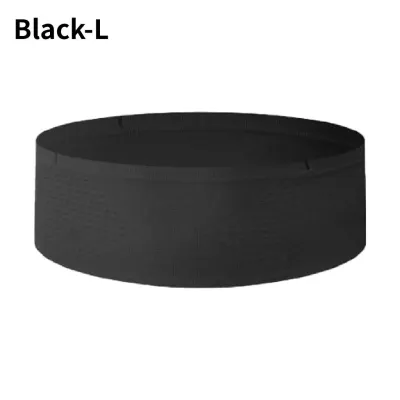
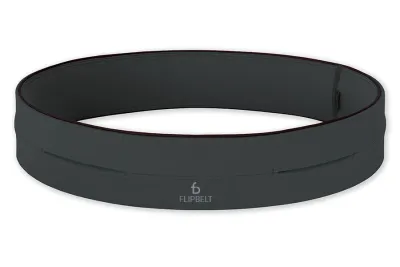
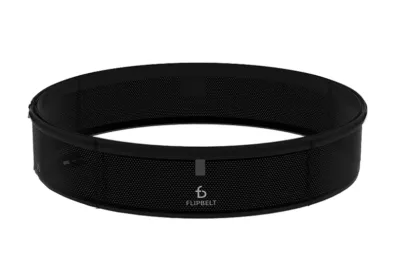
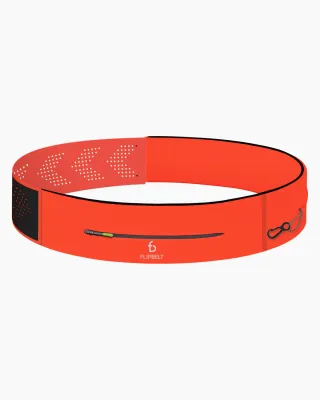
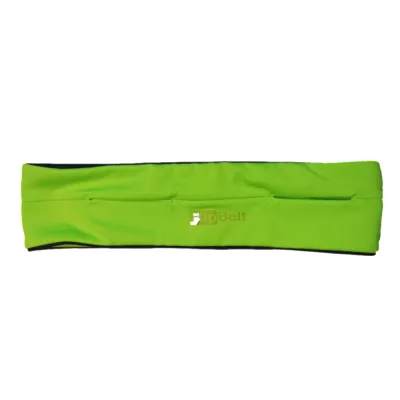
For runners who prioritize a minimalist, completely bounce-free experience, tube-style belts like the FlipBelt are highly recommended. These continuous fabric loops use uniform compression to hold a standard smartphone, keys, and cards flat against your body. They are ideal if you prefer to tuck your gear away at the start of a run and leave it untouched until you finish.
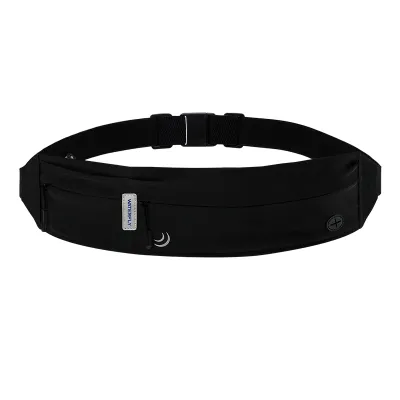
Conversely, traditional strap-and-buckle belts are better suited for runners who value on-the-go adjustability and quick access. If you frequently reach for energy gels, hydration flasks, or your phone to snap photos, a strap belt with an expandable pouch offers superior convenience. They are also highly adjustable, making them easier to share or wear over different layers of clothing.
Products mentioned in this guide
Prices are valid at publication and may change. Please refer to the product page for the latest price.
The Core Design Difference: Tube Belts vs. Strap Belts
Understanding the structural differences between these two categories helps clarify how they perform on the road. The design determines not only how you put the belt on but also how it manages the weight of your gear as you move.
Tube-Style Belts (e.g., FlipBelt, Naked Running Band)
Tube-style belts consist of a continuous, stretchy loop of fabric without any buckles, clips, or plastic fasteners. To wear one, you step into the band and pull it up over your legs, positioning it around your waist or hips. The entire circumference of the belt acts as a pocket, with multiple access slits positioned along the exterior.
This continuous loop design excels at distributing weight evenly across your midsection. Because there are no concentrated pressure points, the belt naturally minimizes bouncing, even when carrying heavier modern smartphones. However, this design requires precise sizing to function correctly; a belt that is too loose will slide up your torso, while one that is too tight will feel restrictive. Additionally, retrieving items requires you to feel for the fabric slits, which can be challenging to do quickly while maintaining a fast running pace.
Strap and Buckle Belts (e.g., SPIbelt, Amphipod)
Strap-style belts utilize an adjustable elastic band secured by a heavy-duty plastic buckle. They feature one or more dedicated pouches, which are often made from expandable fabric that sits flat when empty but stretches to accommodate bulkier items.
Putting on a strap belt is straightforward: you clip it around your waist and pull the adjustable strap to customize the tension. This design allows you to modify the fit on the fly, which is particularly useful if your body shape changes or if you transition from wearing thin running singlets to thicker windbreakers. The primary drawback is that all the weight is concentrated in a single pouch, which can cause the belt to bounce or sag if the strap is not pulled tight enough. The plastic buckle and adjustment sliders can also create localized friction points, increasing the risk of chafing over long distances.
Head-to-Head Comparison: Storage, Comfort, and Usability
Evaluating these designs side-by-side across key performance metrics reveals how they handle the practical demands of daily training.

| Design Type | Best Use Case | Storage Capacity | Bounce Factor | Mid-Run Access | Sizing Method |
|---|---|---|---|---|---|
| Tube-Style (e.g., FlipBelt) | Daily road runs, marathons, minimalist carrying | Moderate to high (distributed evenly) | Extremely low (when properly sized) | Moderate (requires locating fabric slits) | Fixed sizing (requires precise hip/waist measurement) |
| Strap-and-Buckle (e.g., SPIbelt) | Interval training, trail runs requiring quick nutrition, shared use | Low to moderate (concentrated in pouches) | Low to moderate (depends on strap tension) | Easy (zipper or hook-and-loop flaps) | Adjustable (one-size-fits-most elastic strap) |
Storage Capacity and Organization
Tube-style belts offer a highly organized way to carry multiple small items simultaneously. Because the pocket space wraps around your entire waist, you can place your phone in the front, keys on the side hook, and energy gels in the back. This separation prevents items from knocking against each other, protecting your phone screen from scratches without requiring separate protective sleeves.
Strap belts concentrate your gear into one or two central pockets. While expandable pockets can hold surprisingly large items, everything sits together in a single compartment. This concentration can make it difficult to retrieve a single energy gel without accidentally pulling out your keys or cards. Some premium strap belts feature small internal dividers, but they generally lack the spatial separation inherent to the tube design.
Comfort and Bounce Prevention
Comfort is heavily influenced by how a belt manages moisture and movement. Tube belts rely on wide, moisture-wicking fabric bands that distribute pressure over a broad surface area. In hot and humid tropical climates, this wide band can trap heat and sweat, though high-quality performance fabrics mitigate this by drying quickly. Because the fabric compresses the gear directly against your body, vertical movement is virtually non-existent when the belt is sized correctly.
Strap belts have a much smaller fabric footprint, leaving more of your skin exposed to the air, which can feel cooler during hot midday runs. However, because they rely on localized tension to stay secure, they must be worn quite snugly to prevent bouncing. This localized pressure can feel constricting over time. Furthermore, the seams of the strap and the plastic buckle can rub against your skin or clothing, occasionally leading to fabric pilling or skin irritation.
Ease of Use and Mid-Run Access
When it comes to accessing your gear mid-stride, strap-and-buckle belts hold a clear advantage. Most feature a single, high-contrast zipper or a simple flap that you can open with one hand. This allows you to quickly grab your phone to change a song or check your navigation, then slide it back in and zip it closed without breaking your running rhythm.
In contrast, retrieving an item from a tube belt is a more deliberate process. You must reach under your shirt, locate one of the fabric openings, and slide the item out of the tight, compressive sleeve. Returning the item to the belt requires similar effort, as you have to ensure it is tucked fully inside the pocket and flipped inward to secure it. For many runners, this process requires slowing down to a walk or stopping entirely to avoid dropping their gear.
How to Choose Based on Your Running Profile
Selecting the right belt comes down to matching these design characteristics with your personal running habits, gear requirements, and local environment.
Choose a Tube Belt (FlipBelt style) if:
- You demand a bounce-free fit: You find the slight up-and-down movement of traditional pouches highly distracting and want your gear to feel like an extension of your clothing.
- You carry a consistent set of items: Your typical loadout consists of a phone, a house key, and an ID, and you rarely need to access them until your run is complete.
- You prefer a seamless feel: You dislike the feel of plastic hardware, buckles, or adjustment clips pressing into your back or hips during long efforts.
- You run in lightweight apparel: The soft fabric of a tube belt is gentle on delicate technical fabrics, reducing the risk of friction-induced pilling on your favorite running shirts.
Choose a Strap Belt if:
- You need quick, frequent access to your gear: You use your phone constantly for photography, route tracking, or music adjustments, or you need to consume energy gels at strict intervals.
- You share gear or experience body changes: You want a single belt that can be adjusted easily to fit different family members, or you want to wear it comfortably over varying thicknesses of clothing.
- You prefer wearing your belt over your shirt: The adjustable strap makes it easy to clip the belt on top of your clothing, keeping your gear away from direct body sweat.
- You want a cooler, low-profile option: You want to minimize the amount of fabric wrapping around your torso to maximize ventilation during hot, humid runs.
Verify first if:
- You carry an oversized smartphone: Before purchasing, measure your phone with its protective case on. Compare these dimensions against the belt's pocket opening to ensure a smooth fit.
- You run in extreme humidity or heavy rain: Standard running belts are rarely fully waterproof. If you sweat heavily or run during the monsoon season, verify whether the belt fabric is moisture-resistant, or plan to protect your electronics by placing them in a simple zip-top plastic bag before sliding them into the belt.
- You plan to carry hydration: If you intend to carry water flasks, check the manufacturer's weight limits and recommended flask shapes, as carrying fluids significantly increases the risk of bouncing.
Sizing, Fit, and Pre-Purchase Checks
Because a running belt’s performance depends entirely on how it sits on your body, taking accurate measurements before buying is essential.
To find your correct size for a tube-style belt, you must first decide where you prefer to wear it. Some runners like the belt to sit high on their natural waist, while others prefer it lower down on their hips. Use a flexible measuring tape to measure the circumference of that specific area while wearing your typical running shorts or tights. If your measurement falls between two sizes on the manufacturer’s sizing chart, choose the smaller size for a tighter, more secure fit, or the larger size if you prefer a less compressive feel.
For phone compatibility, do not rely solely on the phone model name. Protective cases, pop-sockets, and card holders add significant bulk. Measure the maximum length, width, and thickness of your phone inside its everyday case. Compare these measurements with the belt’s slit openings or pouch dimensions. A phone that has to be forced into a tight opening will stretch the fabric excessively, which can degrade the elastic over time and make mid-run retrieval incredibly difficult.
Proper material care will extend the lifespan of your running belt’s elastic fibers. Sweat contains salts and acids that can slowly break down spandex and elastane. After sweaty runs, rinse the belt in cool water or machine wash it on a gentle cycle inside a mesh laundry bag. Always check the manufacturer’s care label first. Avoid using fabric softeners, which can clog moisture-wicking pores, and never put your running belt in a high-heat clothes dryer, as excessive heat will warp the elastic and ruin the snug fit.
Frequently Asked Questions (FAQ)
Can I wear a running belt over my clothes?
Yes, you can wear a running belt either under or over your shirt, depending on your comfort preferences and the belt’s design. Wearing a tube belt under your shirt keeps it close to your center of gravity, maximizing bounce control and keeping your gear discreetly hidden. However, this positioning exposes the belt directly to your body sweat. Strap-and-buckle belts are easily worn over a shirt, which protects your gear from sweat and makes it much easier to access your items quickly. If you wear a belt over your shirt, ensure the strap is tight enough to prevent the fabric of your shirt from bunching up underneath it.
Do running belts cause chafing?
Running belts can cause chafing if they fit poorly, bounce excessively, or have exposed seams and plastic hardware. When a belt moves up and down against your skin or clothing, the resulting friction can cause irritation, especially during long runs in hot, humid weather. To prevent chafing, ensure your belt is snug enough to eliminate vertical movement. You can also apply a small amount of anti-chafe balm to high-friction areas, such as your hips or lower back where buckles sit. Choosing seamless tube belts or designs with flat-lock stitching will also significantly reduce the risk of skin irritation.
Are running belts better than running vests or armbands?
Running belts are the optimal choice for short to medium-distance road runs where you only need to carry basic essentials like a phone, keys, and a couple of gels. They are lightweight, budget-friendly (typically ranging from ₱800 to ₱2,500), and keep your chest and shoulders completely free. Running vests are superior for long-distance trail runs or hot weather training where you must carry larger volumes of water, extra apparel, and safety gear. Armbands are a simple option for holding a phone, but they can feel unbalanced and can restrict natural arm swing, making belts a more comfortable alternative for most runners.
Community discussion
Share your experience or ask a question. Comments are reviewed before publication.