
Selecting the right leader line for fishing can mean the difference between landing a trophy catch and reeling in a frayed, empty line. The leader is the final link between your main line and the fish, bearing the brunt of sharp teeth, abrasive rocks, and sudden, violent runs. To choose the ideal material, you must balance visibility, stretch, buoyancy, and abrasion resistance against the specific environment and species you target.
Fluorocarbon is the go-to for stealth and abrasion resistance in clear water. Monofilament offers buoyancy and shock-absorbing stretch for topwater action and hard-hitting strikes. Wire is the ultimate defense against toothy predators that would easily slice through synthetic lines.
Understanding the Core Differences in Leader Materials
Fluorocarbon is made of polyvinylidene fluoride (PVDF), a dense fluoropolymer. This heavy compound gives it a refractive index of approximately 1.42. Because this is incredibly close to the refractive index of water, which is about 1.33, light passes through the line rather than reflecting off it, making it nearly invisible to fish. Monofilament, typically made of nylon, has a higher refractive index of around 1.53 to 1.62, which causes it to catch and reflect light, making it more visible under clear water conditions. Wire, whether single-strand titanium or multi-strand stainless steel, is completely opaque, offering no light transmission and high visibility.
Products mentioned in this guide
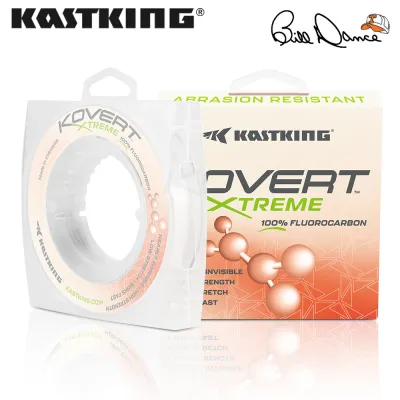
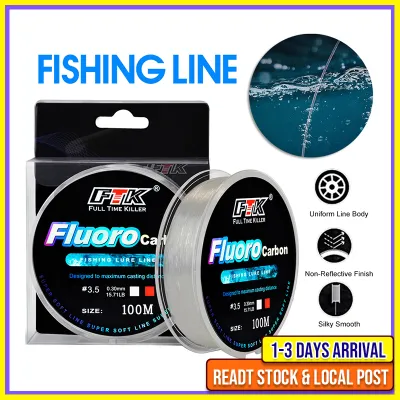
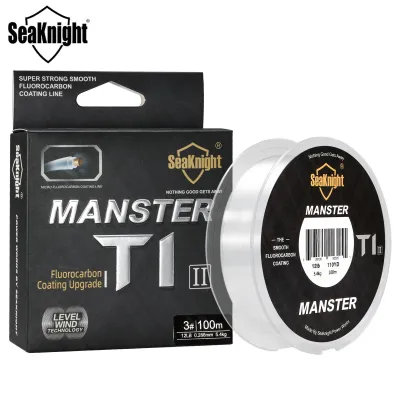
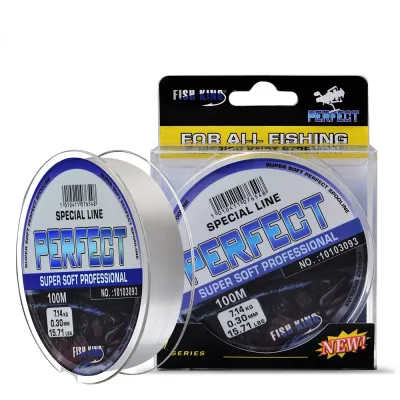
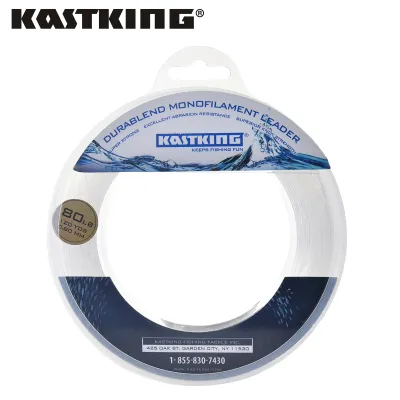
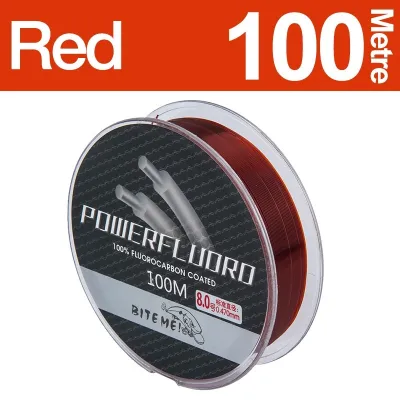
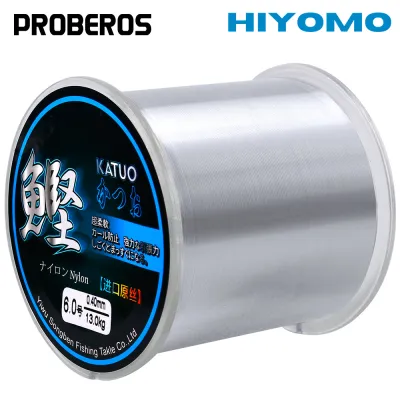
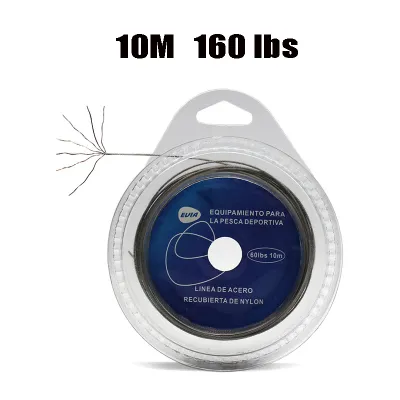
Prices are valid at publication and may change. Please refer to the product page for the latest price.
Stretch characteristics vary wildly among these materials. Monofilament is highly elastic, often stretching up to 20% to 30% of its length before reaching its breaking point. This elasticity acts as a shock absorber, cushioning the impact of sudden, aggressive strikes and preventing hooks from tearing out of soft mouths. Fluorocarbon stretches far less under normal fishing tension, providing direct sensitivity that allows you to feel subtle bites and drive hooks home with minimal delay. Wire has virtually zero stretch, creating an incredibly rigid connection that transmits every vibration directly but offers no cushion against violent headshakes.
Buoyancy and density dictate how your lures behave in the water column. Fluorocarbon is highly dense and sinks quickly, making it an excellent partner for deep-diving lures, jigs, and bottom rigs. Monofilament has a density close to water, meaning it absorbs water over time and remains relatively neutral or slightly buoyant. This buoyancy keeps topwater lures working on the surface without dragging their noses down. Wire is exceptionally heavy and sinks rapidly, which can alter the action of lightweight lures but helps deep-water presentations stay down in strong currents.
Matching Leader Types to Target Species and Teeth
Toothy predators require specialized protection. Species like Spanish mackerel, barracuda, and hair-tail possess razor-sharp teeth that can shear through heavy monofilament or fluorocarbon in a fraction of a second. In these scenarios, a wire leader is the only reliable defense against immediate bite-offs. Using a wire leader ensures that the fish’s teeth slide along a metallic barrier rather than severing the connection, saving both your lure and your catch.

Abrasive mouths and sharp structures present a different kind of threat. Fish like groupers and mangrove jacks do not have clean-cutting teeth, but their rough, sandpaper-like jaws and sharp gill plates can quickly wear down a leader during a prolonged fight. Furthermore, these species instinctively dive for cover among coral reefs, volcanic rocks, or mangrove roots. Fluorocarbon’s dense molecular structure provides exceptional resistance to this type of frictional wear, allowing the line to slide over sharp edges with minimal fraying compared to softer monofilament.
Line-shy and light-biting species demand a stealthy approach. In heavily fished waters or crystal-clear coastal areas, wary species like trevally or snapper will refuse a bait if they detect a highly visible line. The near-invisibility of fluorocarbon is a massive advantage here, allowing for a natural presentation that triggers strikes from cautious fish. Conversely, when targeting species with delicate mouths where stealth is less critical, the forgiving stretch of monofilament prevents the hook from tearing free during intense runs.
Evaluating Fishing Conditions and Water Clarity
Water clarity is a primary driver of leader selection. In pristine, clear tropical waters, light penetrates deeply, illuminating everything beneath the surface. Under these conditions, a thick, reflective monofilament or an opaque wire leader can easily spook fish. Fluorocarbon shines in these environments, as its ability to let light pass through keeps your presentation looking as natural as possible, even in bright, midday sun.
Surface presentations and murky water call for a different strategy. When fishing stained, muddy, or turbid waters—such as estuaries after a heavy tropical downpour—visibility becomes a secondary concern. The fish rely more on vibration and silhouette than perfect vision. In these murky environments, monofilament is highly effective and economical. Its natural buoyancy is also indispensable when working topwater lures like poppers or pencil baits, as it prevents the front of the lure from dipping under the surface, preserving the intended splashing and walking action.
Heavy underwater structure requires rigorous gear checks. When casting near sharp coral heads, barnacle-encrusted pilings, or submerged timber, your leader will inevitably make contact with these hazards. While fluorocarbon offers the best defense against abrasion, no synthetic line is completely indestructible. Anglers must perform regular physical checks, running their fingers along the leader after every snag or fish fight to detect any nicks or flat spots that could compromise the line’s integrity.
Handling, Knot Tying, and Rigging Considerations
Knot security is a critical operational difference between these materials. Monofilament is relatively soft and pliable, allowing knots to seat tightly and lock into place with minimal friction. Fluorocarbon, being much stiffer and slicker, does not compress as easily. This stiffness can cause standard knots to slip under heavy loads if they are not tied perfectly. To prevent failure, anglers should use specialized knots like the San Diego Jam, Palomar, or FG knot, and always lubricate the line with water or saliva before slowly drawing the knot tight.
Memory and coil management can impact your presentation. Fluorocarbon has a high level of line memory, meaning it tends to retain the coiled shape of the spool it was stored on. These coils can create slack in your line, reducing sensitivity and interfering with the natural action of lightweight lures. Monofilament has significantly less memory, laying flatter in the water and providing a more direct connection to your lure. Regularly stretching out your leader material before tying it on can help minimize coiling issues for both materials.
Rigging wire leaders requires a completely different set of tools and techniques. Unlike synthetic lines that can be cut with standard scissors and tied with basic knots, wire requires specialized wire cutters, crimping pliers, and matching copper or brass sleeves. Single-strand wire can be joined using a haywire twist, which requires manual dexterity to wrap the wire back on itself securely. Multi-strand wire is typically secured using crimps, which must be compressed with the correct pressure to avoid crushing and weakening the wire inside. Care must also be taken to trim tag ends cleanly, as sharp wire points can easily puncture skin or damage rod guides.
Decision Framework: When to Use Which Leader
To simplify your choice on your next fishing trip, use this straightforward decision framework based on your target environment and species.
- Choose Fluorocarbon if: You are fishing in clear water where stealth is paramount, targeting species around sharp rocks or structures, or using sub-surface lures and jigs that benefit from a fast-sinking line.
- Choose Monofilament if: You are casting topwater lures that require a buoyant line, need a forgiving shock absorber for aggressive, hard-hitting fish, or want an easy-to-tie, budget-friendly option that costs fewer ₱ per meter.
- Choose Wire if: You are targeting toothy predators like barracuda or Spanish mackerel that can easily slice through synthetic lines with a single bite.
- Verify first if: Your specific lure's action is negatively affected by the stiffness of heavy fluorocarbon or wire, and check local catch-and-release guidelines, as some areas restrict the use of wire leaders to protect fish from deep-hooking injuries.
Frequently Asked Questions (FAQ)
Do I need to replace my fluorocarbon leader after every trip?
You do not necessarily need to discard your fluorocarbon leader after every outing, but a thorough inspection is mandatory. Run your thumb and forefinger along the entire length of the leader to feel for any rough spots, nicks, or flat sections. Visually inspect the line for cloudy areas, which indicate internal stress or UV damage. If you detect any physical imperfections, or if the leader has been subjected to a prolonged, high-tension fight with a large fish, replace it immediately. If the line is smooth and clear, you can safely reuse it, though it is wise to cut and re-tie your knots to ensure they remain secure.
Can I use monofilament as a leader for topwater lures?
Yes, monofilament is actually the preferred leader material for topwater fishing. Because monofilament is slightly buoyant and absorbs water slowly, it stays near the surface rather than sinking. This buoyancy ensures that the nose of your popper, walker, or prop-bait remains elevated, allowing the lure to perform its designed action without being dragged downward. While monofilament does have more stretch than fluorocarbon—which requires a slightly firmer rod sweep to set the hook—this elasticity is highly beneficial because it prevents you from pulling the lure away from a striking fish too quickly.
How do I properly attach a wire leader to my main line?
Attaching a wire leader securely depends on whether you are using single-strand or multi-strand wire. For single-strand wire, the haywire twist is the most reliable connection, as it locks the wire in place without the need for extra hardware. For multi-strand wire, which is more flexible, you should use matching brass or copper crimping sleeves and a dedicated crimping tool. Never use standard pliers to crimp sleeves, as they can pinch and weaken the wire. Always perform a safety check by trimming the tag ends as close as possible and covering them with heat-shrink tubing or a small silicone sleeve to prevent the sharp metal ends from catching debris or puncturing your fingers.
Community discussion
Share your experience or ask a question. Comments are reviewed before publication.