
Choosing the ideal foam roller for therapy depends on matching the tool’s physical characteristics to your body’s specific recovery needs, pain tolerance, and anatomical targets. There is no single roller that suits every individual or recovery phase. To achieve effective myofascial release without causing tissue damage, you must evaluate density, length, and surface texture carefully.
In tropical environments like the Philippines, where high humidity and heat accelerate perspiration, material composition also plays a crucial role in hygiene and durability. Selecting a roller made from moisture-resistant, closed-cell foam ensures your recovery tool remains sanitary and structurally sound over years of regular use. By understanding how these variables interact, you can make an informed choice that supports safe, progressive muscle rehabilitation.
Understanding Foam Roller Density and choosing a Foam Roller for Therapy
Foam density is the most critical factor determining the intensity of your myofascial release sessions. The density of a foam roller for therapy dictates how much the material compresses under your body weight and, consequently, how deeply it penetrates the muscle tissue. If a roller is too soft, it will fail to release deep tension; if it is too firm, it can trigger a protective muscle contraction that hinders recovery.
Products mentioned in this guide
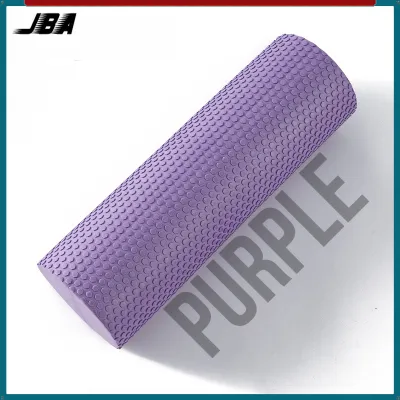
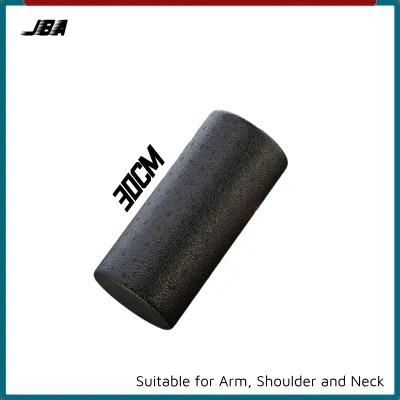

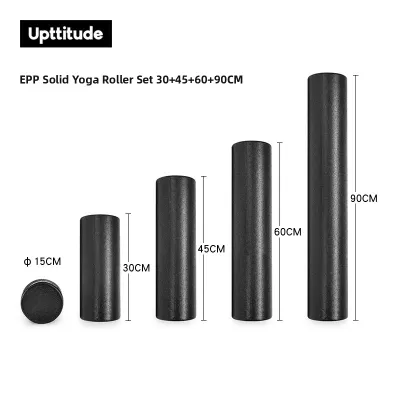
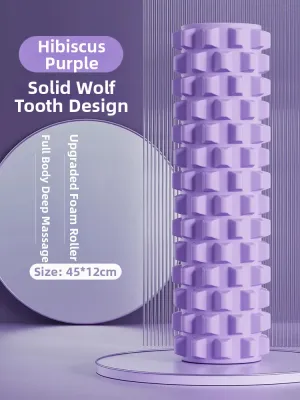
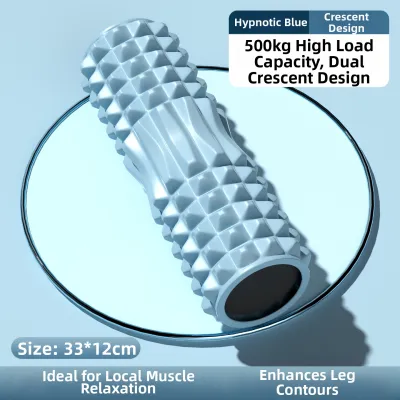
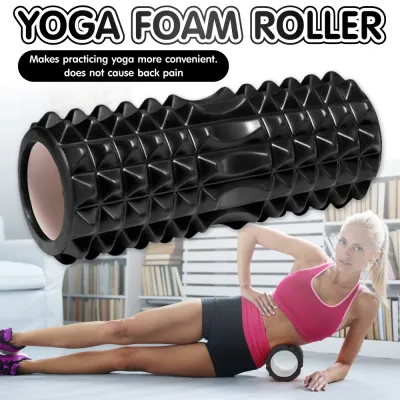
![[Local Stock] Yoga Foam Roller Yoga Roller Massage Roller Fitness Gym Exercise Roller Muscle Relax](https://img.lazcdn.com/g/p/cf0e298c5771cbd3b49d3905ea7eec54.jpg_400x400q80.jpg_.webp)
Prices are valid at publication and may change. Please refer to the product page for the latest price.
Soft-Density Foam Rollers Soft-density rollers offer the most forgiving compression. When you apply your body weight, the material deforms significantly, distributing the pressure across a wider surface area. This gentle contact is ideal for individuals who are new to myofascial release, those recovering from acute injuries, or anyone with highly sensitive nervous systems.
Medium-Density Foam Rollers Medium-density rollers strike a balance between structural support and yielding comfort. They compress slightly under heavy pressure but retain enough structural integrity to reach moderate muscle knots. This versatility makes them the standard choice for general athletic maintenance and daily flexibility routines.
Firm and Textured Foam Rollers Firm rollers undergo almost no compression under body weight, transmitting the entirety of the applied force directly into the target tissue. When combined with textured grids or ridges, these rollers concentrate pressure onto highly specific trigger points. This level of intensity is best reserved for experienced athletes or individuals with dense, well-adapted muscle tissue.
The Principle of Tissue Adaptation When introducing your body to therapeutic rolling, your nervous system must learn to tolerate the mechanical pressure. If you apply excessive force immediately using an ultra-firm roller, your muscles will instinctively tighten—a phenomenon known as muscle guarding. To prevent this, you should start with a density that allows you to breathe deeply and relax into the movement, gradually progressing to firmer options as your tissues adapt over time.
Selecting the Right Foam Roller Size and Dimensions
The physical dimensions of a foam roller determine which muscle groups you can target effectively and how stable the roller will feel during use. Choosing the correct length and diameter ensures you can execute recovery movements with proper alignment and minimal physical strain.

Full-Length Rollers (36 Inches) A standard 36-inch (approximately 91 cm) foam roller is the most versatile option for home use. Its expansive length allows you to lie on it lengthwise, supporting your entire spine from head to tailbone. This orientation is essential for thoracic extension exercises, chest-opening stretches, and bilateral rolling, where you roll both legs or both sides of your back simultaneously.
Mid-Size Rollers (18 Inches) Measuring around 18 inches (approximately 46 cm), mid-size rollers are highly effective for isolating individual limbs. They offer sufficient width to roll out a single quadriceps, hamstring, or calf muscle while being compact enough to store easily in small living spaces.
Short and Travel-Size Rollers (12 Inches or Less) Short rollers are designed specifically for portability and highly targeted trigger-point therapy. They fit easily into gym bags or travel luggage, making them excellent for athletes who need to warm up or cool down at external venues. However, their limited surface area makes bilateral rolling or spinal alignment exercises impossible.
Understanding Roller Diameter Most therapeutic foam rollers feature a standard 6-inch (15 cm) diameter, which provides optimal clearance from the floor and a stable rolling surface. A larger diameter offers more leverage and a gentler curvature, which is generally more comfortable for larger muscle groups. Conversely, smaller diameters (around 3 to 4 inches) sit closer to the ground, offering increased stability and a more concentrated point of contact for deep, localized pressure.
Recommended Foam Roller Types for Specific Recovery Goals
Because muscle groups and recovery phases vary widely, no single foam roller can address every therapeutic objective. Selecting the correct tool requires matching specific roller designs to your current physical condition and rehabilitation goals. We evaluate these options based on material durability, density levels, and dimensional versatility to help you find the right fit.
Best for Beginners and High Pain Sensitivity
For those starting their recovery journey or managing highly sensitive tissues, soft-density rollers made from open-cell foam or soft polyethylene (PE) are highly recommended. These materials compress easily, providing a gentle, cushioned massage that stimulates blood flow without aggravating tender areas.
These rollers are particularly useful during the early stages of physical therapy, for elderly individuals, or for recovering after low-impact activities. However, soft-density rollers have clear limitations; they cannot penetrate deep muscle tissue or break up stubborn, chronic adhesions. Additionally, lower-grade PE foam rollers may lose their cylindrical shape over months of heavy use, especially in warm, humid climates.
Best for General Maintenance and Moderate Tension
Medium-density rollers, typically constructed from high-quality ethylene-vinyl acetate (EVA) foam, represent the most versatile category for daily muscle maintenance. EVA is a closed-cell material that resists moisture absorption, making it highly durable and easy to sanitize after sweaty workouts.
These rollers provide enough structural resistance to address moderate tension in the quadriceps, hamstrings, and glutes, while remaining comfortable enough for daily use. Unlike soft PE rollers, high-quality EVA rollers retain their shape and density over years of consistent application, making them an excellent long-term investment for general fitness enthusiasts.
Best for Deep Tissue and Trigger Point Therapy
Advanced users seeking to address deep-seated muscle knots and chronic myofascial tightness benefit most from firm, textured rollers. These tools often feature a hollow plastic core wrapped in high-density EVA foam molded into various patterns, such as flat blocks, tubular ridges, or high knobs.
These textured surfaces mimic the targeted pressure of a massage therapist’s fingers, palms, and thumbs, allowing you to isolate stubborn adhesions in the upper back, calves, and glutes. However, you must exercise extreme caution when using these high-intensity tools. Avoid rolling directly over bony structures, bruised areas, or acute injuries, as excessive pressure can cause micro-trauma to the underlying tissues and delay your recovery.
Best for Spinal Alignment and Full-Body Rolling
To address posture correction, chest tightness, and full-body stability, a full-length 36-inch roller is the premier choice. Constructed from expanded polypropylene (EPP) or high-density EVA, these long rollers offer a stable platform that supports your entire body weight during complex movements.
Lying lengthwise along a 36-inch roller allows you to perform passive chest stretches and gentle spinal mobilization, which are highly beneficial for individuals who spend long hours sitting at a desk. While their size makes them cumbersome to transport to the gym, their multi-functional capabilities make them an indispensable asset for any home recovery setup.
Safety Guidelines and Contraindications for Therapeutic Rolling
While a foam roller for therapy is an exceptionally effective tool for self-myofascial release, improper technique can lead to tissue damage, joint strain, or nerve irritation. Understanding where, when, and how to roll is vital to ensuring your recovery sessions remain safe and productive.
Anatomical Areas to Avoid You should never roll directly over your lower back (lumbar spine) or neck (cervical spine). The lumbar spine lacks the structural protection of the rib cage, and rolling over this area can cause your lower back muscles to spasm violently to protect the kidneys and spine. Additionally, avoid rolling directly over joints—such as the knees, elbows, and ankles—and bony prominences, as this can cause painful joint inflammation.
Distinguishing Good Pain from Bad Pain During myofascial release, you will likely experience a dull, aching sensation often referred to as “good pain” or therapeutic discomfort. This indicates that tight muscle fibers are stretching and releasing tension. However, if you experience sharp, stabbing, burning, or shooting pain, or if you feel numbness or tingling radiating down a limb, stop immediately. These symptoms indicate nerve compression or joint impingement, not muscle release.
Duration and Frequency Guidelines To prevent tissue bruising and inflammation, limit your rolling to 30 to 90 seconds per muscle group. Spending too much time grinding a single highly sensitive trigger point can cause localized swelling and micro-tears in the muscle tissue. Keep your movements slow and controlled, moving at a pace of about one inch per second, rather than rapidly sliding back and forth.
Professional Consultation and Limits of Self-Care A foam roller is a supportive recovery aid, not a replacement for professional medical diagnosis or treatment. If you are dealing with an acute injury, chronic joint instability, severe swelling, or a diagnosed medical condition like deep vein thrombosis or osteoporosis, consult a licensed physical therapist or physician before using a foam roller. Always prioritize professional medical guidance over self-treatment when managing persistent pain.
Frequently Asked Questions (FAQ)
This section addresses common queries regarding the daily application, tissue tolerance, and practical limits of using foam rollers for muscle recovery.
Can I use a foam roller every day for muscle recovery?
Yes, you can use a foam roller daily, provided you adjust the intensity to match your body’s recovery state. Light, gentle rolling for a few minutes daily helps stimulate blood circulation, reduce mild muscle stiffness, and improve joint range of motion. However, intense, deep-tissue rolling that targets deep trigger points should not be performed daily on the same muscle groups. Your muscle tissues require time to repair and recover from deep compression, so you should space out intense sessions and allow at least 24 to 48 hours of rest between deep-tissue treatments.
Is a hard foam roller always better for deep muscle knots?
No, a harder foam roller is not always better for resolving deep muscle knots. When you apply an excessively hard surface to a highly sensitive, painful knot, your nervous system interprets the extreme pressure as a threat. In response, the muscle reflexively contracts to protect itself, a reaction known as muscle guarding. This contraction prevents the roller from penetrating the tissue and can actually worsen the tightness. To effectively release a knot, start with a medium-density roller that allows your muscles to relax, and only progress to a firmer tool once your pain tolerance improves.
Community discussion
Share your experience or ask a question. Comments are reviewed before publication.