
Choosing the right roller mat is one of the most consequential decisions you will make for your yoga practice. The material under your hands and feet directly affects your balance, joint comfort, and safety during transitions. While the market offers various options, the debate typically centers on two prominent materials: synthetic foam and natural cork. There is no single universal option that suits every practitioner, as the ideal choice depends on your sweat levels, joint sensitivity, and practice intensity.
Foam roller mats excel in providing plush cushioning, lightweight portability, and budget-friendly pricing, making them highly accessible for beginners and those who practice gentle, restorative styles. In contrast, cork roller mats offer superior natural grip that actually improves when exposed to moisture, firmer stability for balancing poses, and eco-friendly durability that withstands years of regular use. Understanding how these materials behave under different conditions will help you select the perfect surface for your daily routines.
Core Comparison: Cushioning, Grip, and Durability
To make an informed decision, you must evaluate how foam and cork perform across key physical dimensions. These material characteristics dictate how the mat feels during static holds, dynamic transitions, and long-term use.
Products mentioned in this guide
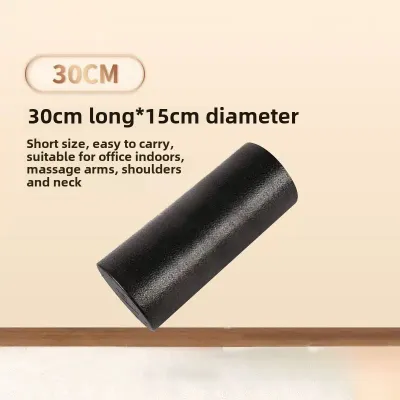
Prices are valid at publication and may change. Please refer to the product page for the latest price.
Cushioning and Joint Support
Foam roller mats are highly regarded for their exceptional shock-absorption properties. Most foam mats are constructed from materials like Ethylene-Vinyl Acetate (EVA), Thermoplastic Elastomer (TPE), or Nitrile Butadiene Rubber (NBR). These synthetics feature a cellular structure that compresses easily under weight, distributing pressure away from sensitive areas such as the knees, wrists, elbows, and spine. This makes foam highly forgiving during floor-heavy movements, kneeling postures, or rolling exercises where direct bone-to-floor contact can cause discomfort.
Cork presents a much denser and firmer profile. Sourced from the bark of the cork oak tree, this material does not compress easily under localized pressure. While this density provides an incredibly stable foundation that prevents your hands and feet from sinking—which is highly beneficial for standing balance poses—it offers less plush impact protection. If you place a high priority on soft, pillowy joint support, a pure cork surface on a hard floor may feel too rigid.
To bridge this gap, many modern manufacturers offer hybrid designs. These mats feature a thin top layer of natural cork bonded to a thicker, supportive foam or natural rubber base. When shopping, always check the specific thickness and core density of the mat. A hybrid mat with a thickness of 5mm to 6mm can deliver the firm, stable surface texture of cork while utilizing the underlying foam layer to provide the necessary shock absorption for sensitive joints.
Grip and Traction in Humid Conditions
Surface traction is a critical safety factor, especially when practicing in tropical, humid environments like the Philippines. High humidity and warm temperatures naturally lead to increased perspiration, which can quickly turn a dry mat into a slippery hazard. Cork possesses unique physical properties that make it exceptionally well-suited for these conditions. It contains suberin, a natural, waxy substance that repels water but actually increases its coefficient of friction when wet. This means a cork roller mat becomes grippier as your hands and feet sweat, providing reliable traction without the need for a separate yoga towel.
Foam mats behave very differently when exposed to moisture. Standard closed-cell foam mats do not absorb liquid, which causes sweat to pool on the surface. Unless the mat features a deeply textured pattern, a specialized moisture-wicking top layer, or an open-cell construction, this pooling can lead to hydroplaning, causing your hands or feet to slide out of position during poses like Downward-Facing Dog. Slipping not only disrupts your focus but also increases the risk of muscle strains and joint hyperextension.
Do not assume that all foam mats perform equally in high humidity. If you prefer the feel of foam but practice in warm, humid spaces, you must verify the manufacturer’s specific claims regarding sweat resistance and surface texture. Look for mats with deep, laser-engraved traction patterns or those specifically treated with non-slip coatings designed to maintain friction when damp.
Durability, Weight, and Portability
Durability and portability represent a major trade-off between these two materials. Cork is a highly robust, natural material that resists tearing, flaking, and cracking over years of consistent use. It is naturally hypoallergenic, antimicrobial, and resistant to odor absorption, which prevents the buildup of bacteria and mold even in damp climates. However, this density comes at a physical cost. Cork roller mats are significantly heavier than their foam counterparts, often weighing between 2.5 to 3.5 kilograms. This weight can make them cumbersome to carry if you regularly commute to a studio or travel with your gear.
Foam roller mats are celebrated for their lightweight nature and ease of transport. A standard TPE or EVA foam mat typically weighs less than 1 kilogram, allowing you to roll it up tightly, slide it into a carrying bag, and transport it effortlessly. The trade-off is that foam is far more susceptible to physical degradation. Over time, heavy use can lead to permanent compression marks, surface peeling, scratching, and stretching. In highly humid climates, cheaper open-cell foam mats can also absorb sweat and oils, leading to persistent odors and structural breakdown if not cleaned meticulously.
Ultimately, cork represents a longer-term, premium investment that stays anchored to the floor but is harder to transport. Foam serves as a highly portable, cost-effective, and easily replaceable option that is perfect for on-the-go lifestyles, provided you accept its shorter overall lifespan.
Matching the Material to Your Yoga Practice
Your preferred style of yoga and where you choose to practice should heavily influence which material you select. Different routines place distinct demands on your equipment.

High-Intensity and Hot Yoga
For dynamic, sweat-inducing practices such as Vinyasa, Power Yoga, Ashtanga, or hot yoga sessions, cork is generally the superior choice. The rapid transitions and intense physical exertion of these styles demand an uncompromising grip. Because cork’s traction is sweat-activated, it eliminates the distraction of a sliding mat, allowing you to focus entirely on your alignment and breath control. The natural antimicrobial properties of cork also ensure that the heavy sweat absorbed during these sessions does not lead to bacterial growth or sour odors.
If you prefer a foam roller mat for high-intensity practices, you must select a model specifically engineered for wet conditions. Standard budget foam mats will not provide sufficient traction once wet. Look for premium hybrid foam mats that feature a specialized non-slip microfiber or polyurethane (PU) top layer. These materials are designed to absorb moisture and maintain grip, though they require more intensive cleaning than natural cork to keep them sanitary.
Restorative, Yin, and Floor-Heavy Practices
If your routine consists primarily of Yin yoga, Restorative yoga, slow flows, or Pilates-inspired floor work, a foam roller mat is highly recommended. These practices involve holding poses for several minutes at a time, placing prolonged pressure on your bones and connective tissues. The primary requirement here is comfort and cushioning, not high-sweat traction. Foam’s soft, yielding surface contours to your body, reducing pressure points and helping your nervous system relax into deep stretches.
Using a firm, unyielding cork mat for a 60-minute Restorative session can lead to discomfort, particularly in poses where your hips, knees, or ankles press directly into the floor. While you can cushion a cork mat by placing folded blankets or cushions underneath your joints, a plush foam mat simplifies your setup by providing built-in, edge-to-edge comfort.
Travel and Outdoor Yoga
For practitioners who love taking their practice outdoors—whether to a local park, a beach, or during travels—portability and environmental resistance are key factors. Foam mats are incredibly easy to pack, carry, and roll. They fit comfortably into travel slings and do not add significant weight to your luggage. However, outdoor environments present challenges: sharp twigs, gravel, and rough concrete can easily puncture or tear soft foam, and a light breeze can blow a lightweight foam mat away during your practice.
Cork mats are highly resilient against outdoor elements. Their weight keeps them firmly anchored to the grass or sand, and the tough cork surface resists damage from small pebbles or debris. Furthermore, cork does not absorb dirt and mud as easily as textured foam, making it easier to wipe clean after an outdoor session. If you commute daily to a local studio in Metro Manila or travel frequently, you must weigh cork’s superior outdoor durability against the physical strain of carrying its heavier weight.
Maintenance and Longevity in Humid Climates
Proper care is essential to protect your investment and prevent the growth of mold and mildew, which thrive in humid, tropical climates. Both materials require specific maintenance routines to preserve their structural integrity.
Foam Care
Foam mats require gentle but consistent cleaning to prevent sweat and skin oils from degrading the synthetic material.
- Cleaning Method: Wipe the mat down after every practice using a soft cloth dampened with a solution of warm water and a few drops of mild dish soap. Avoid harsh chemical cleaners, bleach, or alcohol-based sprays, as these can dry out the foam, causing it to crack, crumble, or lose its grip.
- Drying: Never place a foam mat in a washing machine or dryer. After cleaning, hang the mat to air-dry completely in a shaded, well-ventilated area.
- Moisture Warning: Ensure the mat is 100% dry before rolling it up. Rolling up a damp foam mat traps moisture inside, which quickly leads to mold growth, unpleasant odors, and rapid material breakdown.
Cork Care
Cork is naturally self-cleaning, but it still requires basic maintenance to remove surface dust and sweat residue.
- Cleaning Method: Wipe the surface with a damp cloth using plain water or a specialized, highly diluted natural cleaner (such as water mixed with a drop of gentle, non-oil-based soap).
- What to Avoid: Never soak a cork mat in water or spray it with oil-based conditioners or essential oils. Oils can clog the natural pores of the cork, permanently ruining its sweat-activated grip and causing the surface to become slippery.
- Drying: Lay the mat flat to dry in a cool, shaded space. Avoid exposing the cork surface to direct, intense afternoon sunlight, as extreme heat and UV rays can dry out the natural wood fibers, leading to cracking or peeling away from the base layer.
Storage
For both foam and cork mats, storage conditions play a vital role in longevity. Always roll your mat loosely with the practice side facing outward; this prevents the corners from curling up when you lay it flat. Store the rolled mat in a cool, dry place away from direct sunlight and humid storage closets. Avoid placing heavy objects on top of a stored foam mat, as this can cause permanent compression lines that ruin the uniform cushioning of the surface.
Final Verdict: How to Choose Your Roller Mat
To finalize your decision, assess your personal priorities against the distinct strengths of each material.
Choose a Foam Roller Mat if:
- You prioritize maximum joint cushioning and comfort for floor-heavy, restorative, or gentle practices.
- You need a lightweight, highly portable mat that is easy to carry during daily commutes or travel.
- You are looking for a budget-friendly entry point, with quality foam mats typically ranging from ₱500 to ₱1,500.
Choose a Cork Roller Mat if:
- You sweat heavily, practice high-intensity yoga, or live in a highly humid environment where surface traction is a constant challenge.
- You prefer a firm, highly stable surface that supports precise alignment and balancing poses.
- You value sustainable, eco-friendly materials and want a long-term investment, with premium cork mats generally priced between ₱2,000 and ₱4,500.
Verify first if:
- You are considering a hybrid mat. Before purchasing, check the exact material breakdown of the backing layer (such as natural rubber or TPE), verify the total thickness, and read the manufacturer's specific care and warranty guidelines to ensure it matches your lifestyle and maintenance capabilities.
Frequently Asked Questions (FAQ)
Can I use a cork roller mat if I have sensitive knees?
Pure cork is highly dense and firm, which can cause discomfort for sensitive knees on hard surfaces. If you have joint sensitivities but still want the superior grip of cork, look for a hybrid roller mat that features a natural cork top layer bonded to a thick (5mm to 6mm) foam or natural rubber base. Alternatively, you can place a small foam pad, a folded yoga blanket, or a gel knee cushion directly under your joints during kneeling postures to provide targeted shock absorption.
Do foam roller mats absorb sweat and develop odors?
Yes, certain types of foam mats can absorb sweat and develop odors over time. Open-cell foam mats feature interconnected air pockets that act like a sponge, trapping sweat, body oils, and bacteria if not cleaned thoroughly. Closed-cell foam mats (such as high-quality TPE) resist liquid absorption, but sweat can still pool on the surface and cause odors if the mat is rolled up damp. To prevent odors, always wipe down your foam mat after sweaty sessions and allow it to air-dry completely in a well-ventilated area before storage.
Community discussion
Share your experience or ask a question. Comments are reviewed before publication.