
When stepping into the ring for a sparring session, the gear you wear directly dictates the safety of both your hands and your training partner. For those utilizing 14oz boxing gloves, the choice between multi-layered foam and gel padding is one of the most critical decisions you will make. While both materials serve to mitigate the force of an impact, they do so through fundamentally different physical mechanisms.
Multi-layered foam remains the industry standard and the most widely accepted padding for sparring. This construction uses layers of varying densities to compress progressively, absorbing kinetic energy and providing a softer, more forgiving surface for your partner. Gel padding, on the other hand, excels at dispersing localized impact laterally, making it highly effective at protecting sensitive knuckles from sharp pain. However, because gel is denser and does not compress as easily, it can transfer a more concussive, solid force to your sparring partner if it is not backed by a substantial outer layer of foam.
In a 14oz glove, where the overall volume of padding is already limited compared to heavier 16oz options, prioritizing partner safety and gym compliance is paramount. If your training consists of high-volume, technical sparring where mutual protection is the goal, multi-layered foam is almost always the superior choice. If you struggle with chronic hand injuries and require the localized protection of gel, you must ensure the glove design integrates a thick outer foam buffer to keep your training partners safe.
Products mentioned in this guide
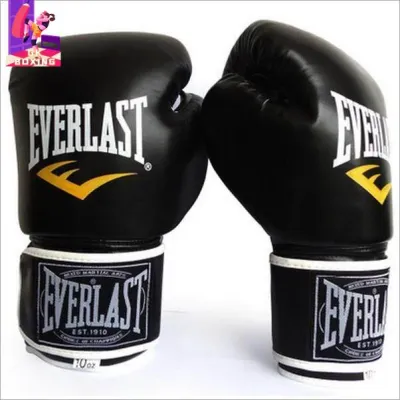
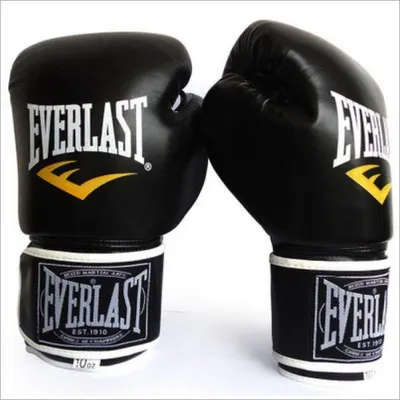
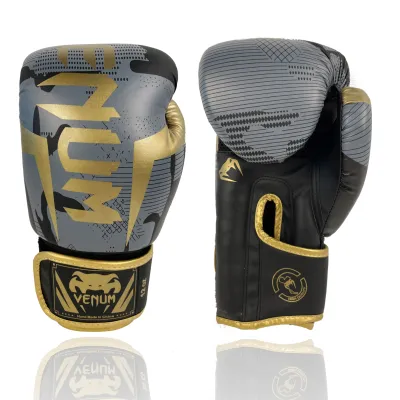
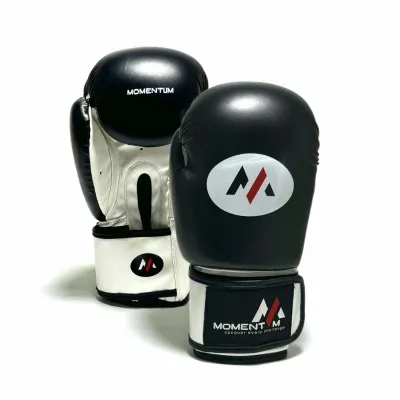
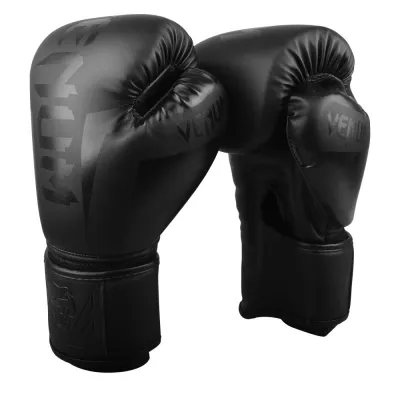
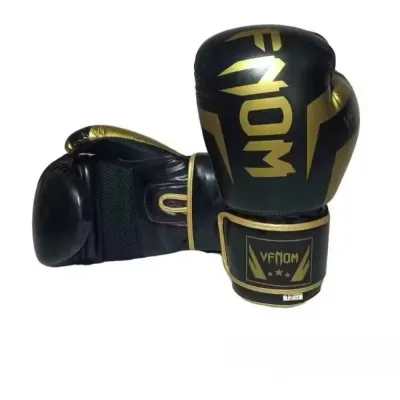
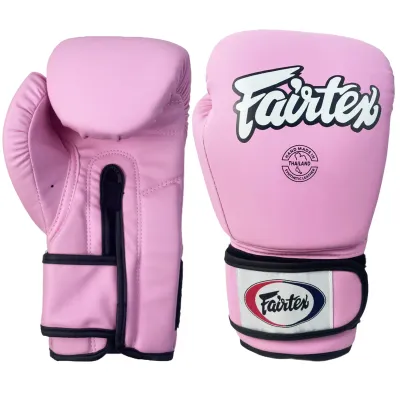
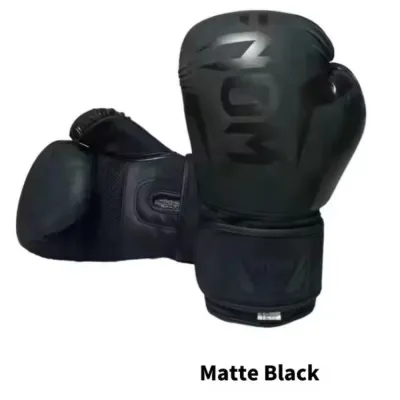
Prices are valid at publication and may change. Please refer to the product page for the latest price.
Setting the Baseline: Is 14oz Safe and Allowed for Sparring?
Before diving into the material science of foam and gel, it is essential to address the rules and safety standards governing glove weights. In the global boxing community, as well as local gyms across the Philippines, 16oz gloves are the traditional and most widely mandated standard for adult sparring. The extra two ounces of weight in a 16oz glove translate directly to a larger physical profile and a thicker volume of padding, which significantly reduces the risk of cuts, bruises, and concussive head trauma for your partner.
However, 14oz gloves are appropriate and safe for sparring under specific, controlled conditions. They are commonly permitted for lighter weight classes, typically fighters weighing under 60 kilograms (approximately 130 pounds), where the kinetic energy generated is naturally lower. They are also highly suitable for female practitioners, youth boxers, or during highly controlled, light technical sparring sessions where the emphasis is on speed and precision rather than power.
Because gym cultures and safety standards vary, you should always consult your coach and verify your gym’s specific sparring weight requirements before purchasing new gear. Showing up to a hard sparring session with 14oz gloves in a gym that strictly mandates 16oz gloves can result in you being turned away from the ring or, worse, causing unintentional injury to a teammate.
In a 14oz glove, the physical space available for protective padding is restricted. Because there is less material to work with, the efficiency and quality of that padding become incredibly critical. A poorly designed 14oz glove can easily bottom out, meaning your knuckles penetrate the padding entirely on impact, essentially turning the session into a bare-knuckle strike. This limitation makes understanding the difference between foam and gel performance a necessity rather than a minor detail.
Hand Protection: How Foam and Gel Absorb Repeated Impacts
To understand how these materials protect your hands, we must look at how they handle the kinetic energy of a punch. When your fist connects with a target, that energy must go somewhere; it either gets absorbed by the glove, dispersed across its surface, or transmitted directly into your hand joints and your partner’s body.

Multi-Layered Foam: Progressive Compression
Modern high-quality boxing gloves rarely rely on a single block of foam. Instead, manufacturers utilize a sophisticated sandwich of multi-layered foam, combining materials like Ethylene-Vinyl Acetate (EVA), Polyurethane (PU), and natural latex. Each of these materials has a distinct density and response rate to pressure.
When you land a punch, the softer outer layers of polyurethane compress first, absorbing the initial light impact. As the force of the punch deepens, the denser middle layers of EVA and latex engage, slowing down the fist’s deceleration and preventing the glove from bottoming out. This progressive compression ensures that even under maximum impact, there is always a buffer of air-filled cells preventing your knuckles from making direct, hard contact with the target.
Furthermore, high-quality foam padding possesses a memory-like quality that gradually molds to the unique anatomical shape of your fist over weeks of consistent use. This customized fit ensures that your hand remains in a natural, anatomically correct position, which is vital for maintaining proper wrist alignment and preventing hyperextension or joint strains upon impact.
Gel Padding: Density and Shock Dispersion
Gel padding operates on a different physical principle. Rather than compressing and trapping energy within air pockets like foam, gel is a dense, viscous substance that excels at lateral shock dispersion. When an impact occurs, the gel sheet distributes the force outward across a much wider surface area, reducing the concentrated pressure on any single point.
This lateral dispersion makes gel highly effective at protecting the delicate bones of the hand, particularly the knuckles. If you suffer from chronic hand fatigue, sore knuckles, or are recovering from a minor hand injury, gel inserts can eliminate the sharp, localized stinging sensation that often accompanies heavy punching.
However, gel has physical limitations. Because it is a dense, heavy material, pure gel cannot be used to construct an entire glove without making it excessively heavy and unwieldy. Consequently, gel is almost always used as a thin insert placed over the knuckle area, surrounded by a foam chassis. If this underlying foam base is of poor quality or too thin, the gel can act as a rigid transmitter of residual vibrations, sending the shock wave straight down your wrist and forearm, which can lead to joint fatigue over long training sessions.
Partner Protection: Force Transfer and Sparring Etiquette
While protecting your own hands is important, the primary ethical responsibility during sparring is the safety of your training partner. Sparring is not a competitive fight; it is a collaborative training tool designed to sharpen reflexes, timing, and defensive movement. Therefore, minimizing the concussive force transferred to your partner’s head and body is a non-negotiable aspect of gym etiquette.
Force transfer refers to the amount of kinetic energy that passes through the glove and is felt by the receiver. High-quality multi-layered foam is highly effective at reducing this transfer because the microscopic air cells within the foam collapse under pressure, trapping and slowing down the energy. This results in a “soft” impact feel, often described by coaches as a “pillowy” punch. This cushioning effect significantly reduces the risk of superficial cuts, facial bruising, and, most importantly, the rapid brain acceleration that causes concussions.
In contrast, gel padding can sometimes present a hazard to your sparring partner. Because gel is dense and lacks the compressible air pockets of foam, it behaves more like a solid fluid. Upon high-velocity impact, the gel can feel remarkably hard to the person receiving the punch. If a 14oz glove features a gel insert placed too close to the outer leather surface without a thick layer of soft foam on top, it will transfer a sharp, solid, and stinging force directly to your partner.
This makes many pure or poorly integrated gel gloves unpopular in serious sparring circles. If you choose to use a gel-infused glove for partner work, it is your responsibility to ensure that the glove is specifically rated for sparring and features a substantial, soft outer foam layer. For general sparring purposes, a traditional multi-layered foam construction remains the safer, more respectful, and more widely accepted choice.
Durability and Punch Feel: Long-Term Performance in the Gym
The tropical climate of the Philippines introduces unique challenges to the longevity of boxing gear. High humidity, intense heat, and heavy sweat can rapidly degrade the materials inside your gloves, making durability a key factor in your purchasing decision.
Foam Longevity
Foam padding degrades primarily through mechanical fatigue. Over hundreds of rounds of hitting bags and sparring partners, the microscopic air cells within the foam gradually rupture and flatten. This leads to a permanent loss of rebound, a phenomenon known as “bottoming out.”
In highly humid environments, this degradation is accelerated if the gloves are not dried properly. Sweat saturates the inner lining and seeps into the foam layers. The moisture can break down the chemical binders in polyurethane foam, causing it to crumble, lose its structural integrity, and emit a persistent, unpleasant odor. To monitor this, you must regularly inspect your gloves by pressing your thumb firmly into the knuckle area; if you can easily feel the inner lining or if the foam fails to spring back, the glove has reached the end of its safe lifespan.
Gel Longevity
Gel is highly resilient against mechanical compression and does not break down or flatten in the way foam does, giving it excellent theoretical longevity. However, gel is highly sensitive to temperature extremes.
In tropical regions, leaving your gym bag in the trunk of a car parked under the direct sun can expose your gloves to temperatures well exceeding 40°C. This extreme heat can cause the gel inserts to soften, shift out of place, or dry out and crack over time. Once the gel shifts or hardens, the glove’s protective qualities are permanently compromised.
Punch Feel and Feedback
The tactile experience of landing a punch differs wildly between the two materials. Foam gloves provide a crisp, responsive “pop” upon a clean connection, giving you immediate sensory feedback on whether your fist aligned correctly on the target. This feedback is highly valued by technical strikers who use it to adjust their form.
Gel gloves tend to deliver a muted, heavy thud. While this absorbs a tremendous amount of shock for your hand, it can leave you feeling disconnected from the impact, making it slightly more difficult to gauge the precision and power of your punches.
Care Instructions
Regardless of the padding material, proper maintenance is crucial. Always open your gloves fully after training and dry them in a well-ventilated, shaded area. Avoid placing them in direct sunlight or using artificial heat sources like hair dryers, as this will damage both the outer leather and the internal padding. Utilizing cedar chips or specialized glove deodorizer inserts will help absorb moisture and prevent the growth of mold and bacteria.
Quick Comparison: Foam vs. Gel Padding Characteristics
To help you synthesize these differences, the table below outlines the primary performance characteristics of both padding types in a 14oz glove configuration.
| Dimension | Multi-Layered Foam | Gel-Infused Padding |
|---|---|---|
| Impact Absorption Mechanism | Progressive compression of air-filled cells | Lateral dispersion of force across the surface |
| Partner Safety (Force Transfer) | High safety; cushions and decelerates punches | Moderate safety; can feel hard if outer foam is thin |
| Knuckle Protection | Excellent overall; prevents bottoming out | Superior localized protection; ideal for sore joints |
| Durability and Aging | Prone to gradual packing and crumbling from moisture | Highly resistant to compression; sensitive to extreme heat |
| Punch Feel and Feedback | Responsive, crisp "pop" with clear tactile alignment | Muted, heavy thud; less tactile connection |
| Best Suited For | Technical sparring, general gym work, partner safety | Heavy bag training, mitt work, hand injury recovery |
Final Verdict: Which 14oz Sparring Glove Should You Buy?
Your final choice between foam and gel in a 14oz glove should depend on your primary training goals, your physical condition, and your gym’s safety culture.
Choose Multi-Layered Foam if:
- Your primary focus is technical sparring and partner safety.
- You want a glove that is universally accepted in boxing and Muay Thai gyms.
- You prefer a responsive, traditional punch feel with clear tactile feedback.
- You want a lightweight, balanced feel that supports natural hand speed.
Choose Gel-Infused Padding if:
- You suffer from chronic knuckle pain or are recovering from a minor hand injury.
- Your training is heavily weighted toward heavy bag and mitt work, with only occasional, light sparring.
- You ensure the glove is built with a thick, high-quality outer foam layer to protect your partners.
- You are diligent about storing your gear away from extreme heat and direct sunlight.
Verify First if:
- You are unsure about the glove's internal construction. Reputable brands in the Philippines, ranging from mid-tier options (₱3,000 to ₱5,000) to premium professional gear (₱8,000+), will clearly state their padding technology. Always consult your coach to ensure 14oz gloves are permitted for your weight class and sparring intensity before making your purchase.
Frequently Asked Questions (FAQ)
Can I use 14oz gel gloves for both heavy bag work and sparring?
While it is physically possible, doing so requires extreme caution. Gel gloves are exceptional for heavy bag training because the dense gel protects your knuckles from the hard, unyielding surface of the bag. However, hitting a heavy bag repeatedly will gradually compress and wear down the outer foam layer surrounding the gel. If you then use those same gloves for sparring, the worn-down foam will leave the hard gel exposed, resulting in a glove that is far too stiff and dangerous for your sparring partner. If you must use one pair for both, ensure the outer foam remains thick and soft.
How do I know if the foam in my 14oz sparring gloves has bottomed out?
You can diagnose bottomed-out foam through a simple physical check. Press your thumb firmly into the knuckle area of the glove; if you can easily feel the hard inner shape of your fist or the back of the glove lining with little resistance, the foam has collapsed. Additionally, if you notice a sharp sting in your knuckles when hitting a soft target, or if your sparring partners mention that your punches feel unusually hard or bony, the padding is no longer absorbing impact. At this point, the gloves are unsafe for sparring and should be replaced or downgraded to light bag work.
Community discussion
Share your experience or ask a question. Comments are reviewed before publication.