
Selecting the right rescue tube for water safety in the Philippines requires balancing immediate deployment needs against environmental demands. Neither foam nor inflatable rescue tubes serve as a universal solution for every aquatic setting. While a foam tube offers unmatched reliability and instant readiness for busy resort pools, an inflatable alternative provides portability and space-saving benefits for mobile beach patrols or remote island travel. Making the correct choice involves evaluating your specific water environment, how often the equipment will be used, and your storage limitations. It is also important to remember that rescue equipment cannot replace professional training or sound judgment; before deploying any gear, water safety personnel must be fully trained in proper rescue techniques and understand their own physical limits.
Core Differences Between Foam and Inflatable Rescue Tubes
The primary distinction between these two types of rescue tubes lies in their core construction and how they achieve buoyancy. Foam rescue tubes are manufactured using solid, closed-cell foam—typically nitrile butadiene rubber (NBR) or polyvinyl chloride (PVC) foam—which is then encased in a durable, water-resistant vinyl skin. This solid construction means the tube is inherently buoyant; it cannot lose its flotation capability even if punctured, sliced, or scraped against rough surfaces.
In contrast, inflatable rescue tubes rely on sealed air chambers made from heavy-duty PVC or thermoplastic polyurethane (TPU). These tubes must be inflated via a valve, either manually or using a specialized pump, to achieve their rated buoyancy. Because they rely on pressurized air, their structural integrity is entirely dependent on the strength of their seams and the reliability of their inflation valves.
Products mentioned in this guide
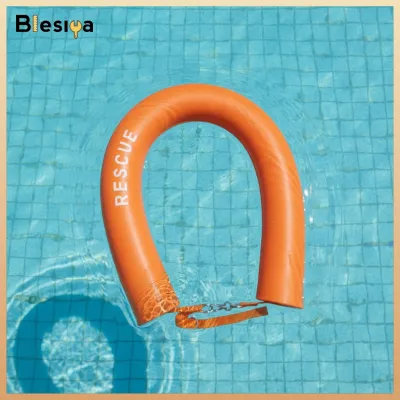
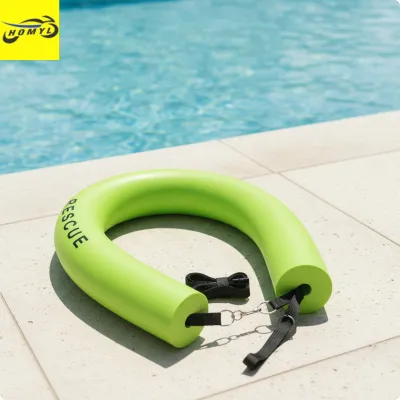
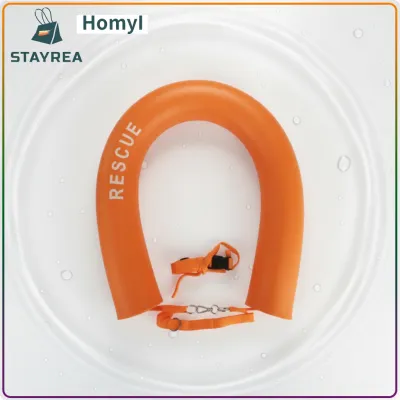
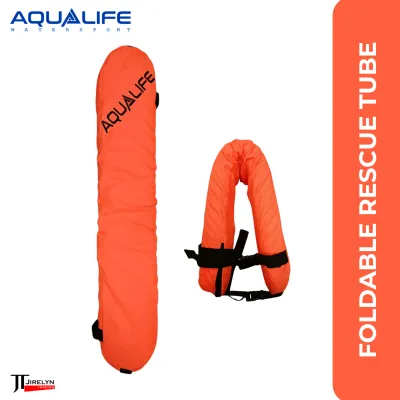
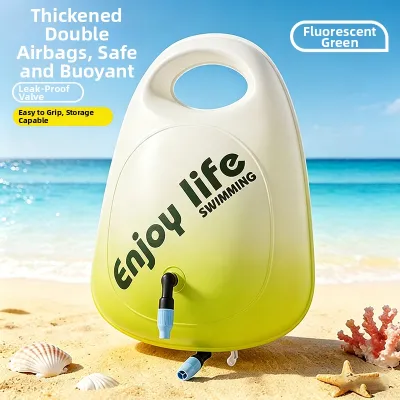
Prices are valid at publication and may change. Please refer to the product page for the latest price.
Handling characteristics also differ significantly when the gear is wet. Vinyl-coated foam tubes generally feature a textured surface that provides a secure grip for both the rescuer and the victim, even in chlorinated or salty water. Inflatable tubes, while smooth and comfortable against the skin, can become exceptionally slick when wet, requiring more physical effort to grip securely during a high-stress rescue operation.
Evaluating Suitability for Pools vs. Open Water Beaches
In controlled pool environments, such as those found in suburban subdivisions, hotels, and sports complexes across the Philippines, rescue gear faces constant exposure to pool chemicals and physical abrasion. Chlorine and bromine can gradually degrade synthetic materials, but high-quality vinyl-coated foam is specifically formulated to resist chemical breakdown. Furthermore, pool rescues often involve dragging or resting the tube on rough concrete pool decks and coping stones, where a foam tube’s thick outer skin easily withstands scrapes that would puncture an inflatable chamber.

For open water beaches, such as the surf zones of La Union or the tidal currents of Siargao, environmental dynamics change completely. Beach rescues require gear that can withstand crashing waves, strong winds, and abrasive sand. Foam rescue tubes are highly favored in surf zones because they are heavy enough to be cast accurately into the wind and will not deflate if dragged across sharp coral reefs, volcanic rocks, or shell-strewn shorelines.
Inflatable rescue tubes, however, present unique challenges in open water. Because they are lightweight and filled with air, they can easily be caught by strong sea breezes, making them harder to throw accurately to a victim in distress. Additionally, the fine sand common on Philippine beaches can easily migrate into inflation valves, compromising the seal and causing gradual air loss during a patrol shift.
Tropical environmental stressors also play a major role in the lifespan of your gear. The intense heat and high UV index in the Philippines accelerate the degradation of plastics and adhesives. For inflatable tubes, high temperatures cause the air inside the chamber to expand, which can put immense pressure on the seams and lead to sudden ruptures if the tube is left resting in the direct sun on a hot beach. Foam tubes also suffer from UV exposure, which can cause the vinyl coating to fade, crack, or become sticky over time, but they will not experience sudden structural failure due to temperature-induced pressure changes.
Practical Considerations: Storage, Maintenance, and Lifespan
Storage logistics often dictate which rescue tube is most practical for a facility or response team. Foam rescue tubes are rigid and bulky, requiring dedicated vertical racks or spacious storage lockers. For small guard towers, barangay health centers, or personal vehicles, storing multiple rigid foam tubes can quickly overwhelm the available space.
Inflatable rescue tubes solve this storage dilemma by deflating into a highly compact package. This makes them ideal for mobile emergency responders, island-hopping tour guides, and lifeguards who must transport their gear in small boats, tricycles, or backpacks. When deflated, several inflatable tubes can fit into the space occupied by a single foam tube, allowing for easy transport and deployment in remote coastal areas.
However, the convenience of compact storage comes with the trade-off of rigorous pre-use inspections. A foam tube requires a quick visual check for deep tears in the vinyl skin, exposed foam, and the security of the harness straps and grommets. If the foam core is intact, the tube is ready for immediate action.
An inflatable tube demands a much more meticulous inspection routine. Before every shift, lifeguards must check the valve for sand or debris, inspect the seams for signs of separation, and verify that the tube holds air under pressure. A slow leak that goes unnoticed during a morning check can result in a soft, useless tube by midday, severely compromising safety during an emergency.
The end-of-life indicators also differ between the two types. A foam tube must be retired when the vinyl coating cracks extensively, allowing water to saturate the inner foam core and reduce its overall buoyancy, or when the securing straps become frayed and weak. An inflatable tube must be taken out of service immediately if it exhibits any air leakage, valve failure, or if the PVC material becomes brittle and yellowed from sun exposure, as patch kits are only temporary fixes and should not be relied upon for active lifesaving duties.
Cost and Value Assessment
When budgeting in ₱ for water safety equipment, it is essential to look beyond the initial purchase price to understand the total cost of ownership. Foam rescue tubes generally require a higher initial investment. However, because they are highly durable and virtually immune to punctures, they often last for several years in a pool environment, making them a highly cost-effective choice over time.
Inflatable rescue tubes may feature a lower initial price point, but their long-term value depends heavily on how they are maintained and stored. In tropical climates, the lifespan of an inflatable tube is typically shorter due to seam degradation and valve wear. Frequent replacements can quickly offset any initial savings.
Additionally, inflatables carry hidden accessory costs that must be factored into your budget. To keep these tubes operational, you must invest in reliable manual or electric air pumps, pressure gauges to prevent over-inflation in the heat, and specialized marine-grade patch kits for emergency repairs. Foam tubes, being self-contained and ready to use, require no such accessories, meaning the initial purchase price represents the complete operational cost.
Decision Framework: Which Rescue Tube Should You Choose?
To finalize your decision, align your choice with your specific operational realities and local conditions.
Choose a foam rescue tube if:
- You are equipping a high-use commercial, resort, or community swimming pool.
- Your lifeguards need immediate, grab-and-go readiness without any preparation time.
- You have adequate, shaded storage space on-site to keep the tubes protected when not in use.
- The rescue environment includes abrasive concrete decks, pool steps, or nearby coral reefs.
Choose an inflatable rescue tube if:
- Storage space is extremely limited, or you need to transport gear frequently in small vehicles or boats.
- The tube will serve primarily as a secondary backup or travel flotation device for mobile response teams.
- You have a strict, daily maintenance protocol in place to monitor air pressure and valve integrity.
- You operate in calm, sandy open water environments where puncture risks are minimal.
Regardless of which type you select, always verify first if your local resort management, municipal disaster risk reduction office, or national maritime safety guidelines mandate specific buoyancy ratings, color high-visibility standards, or tether lengths. Equipment must always comply with local regulations to ensure it meets the legal and operational standards of your specific region.
Frequently Asked Questions (FAQ)
Can a standard pool noodle replace a professional rescue tube?
No, a standard pool noodle cannot replace a professional rescue tube under any circumstances. Pool noodles are recreational toys designed for light flotation support; they lack the certified buoyancy required to keep an unconscious victim and a rescuer afloat. Furthermore, recreational noodles do not feature the essential securing straps, tow lines, or heavy-duty harness assemblies needed to secure a victim and tow them safely to shore through waves or currents.
How often should I inspect my rescue tube before a shift?
You should inspect your rescue tube at the start of every single lifeguard shift or patrol. For foam tubes, this involves checking the harness straps for fraying, ensuring the clip line is securely attached, and inspecting the vinyl skin for deep cuts. For inflatable tubes, the inspection must include a physical pressure check, a valve seal test, and a thorough seam inspection to ensure the chamber is fully airtight and ready for immediate deployment.
Community discussion
Share your experience or ask a question. Comments are reviewed before publication.