
Selecting the right foldable climbing machine requires looking beyond marketing claims and focusing on concrete technical specifications. Because vertical climbing is a high-intensity, full-body workout, the machine you choose must withstand dynamic forces while fitting seamlessly into your living space. Prioritizing the drive system, folding dimensions, frame stability, and console functionality will help you find a machine that matches your fitness goals and home environment.
In tropical climates like the Philippines, where indoor humidity can be high, paying close attention to material quality and mechanical specifications is even more critical. Sweat and moisture can accelerate wear on poorly constructed components, making robust specifications a matter of both longevity and safety. By decoding these technical details before you buy, you can avoid common pitfalls like unstable frames, inadequate stride lengths, or hidden subscription costs.
Drive System and Resistance Levels
The drive system is the heart of any climbing machine, dictating how smooth the motion feels and how much control you have over your workout intensity. If you are looking at motorized models, you must differentiate between continuous duty horsepower (CHP) and peak horsepower ratings in the manufacturer’s official documentation. Continuous power reflects what the motor can sustain during a long workout, whereas peak power is only achievable for short bursts. For manual or magnetic models, verify the number of magnetic resistance levels provided, as a wider range allows for more precise progression as your endurance improves.
Products mentioned in this guide
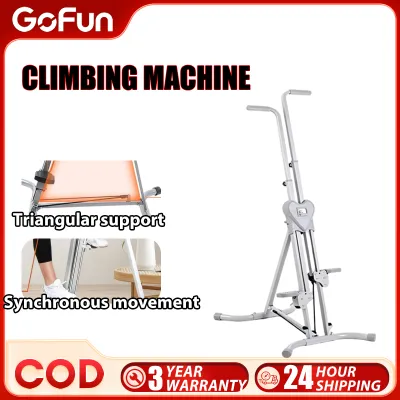
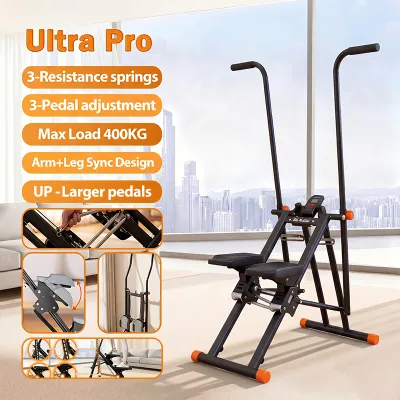
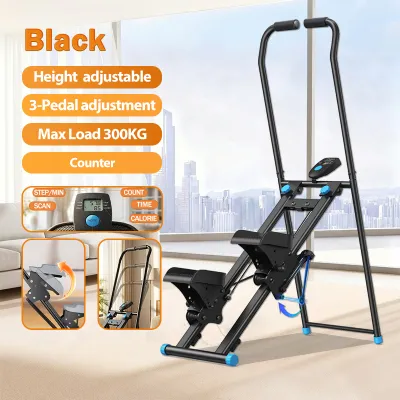
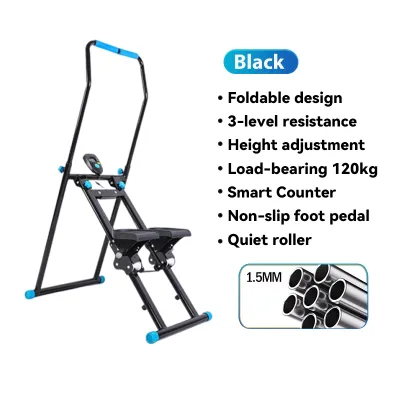
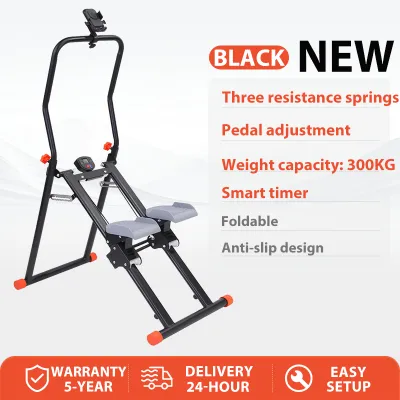
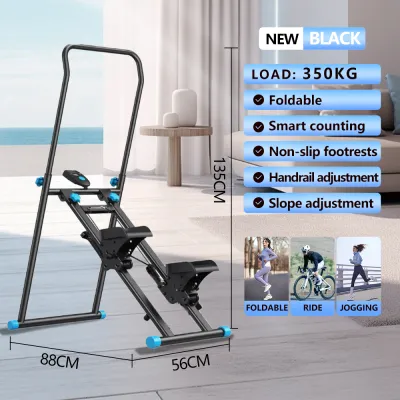
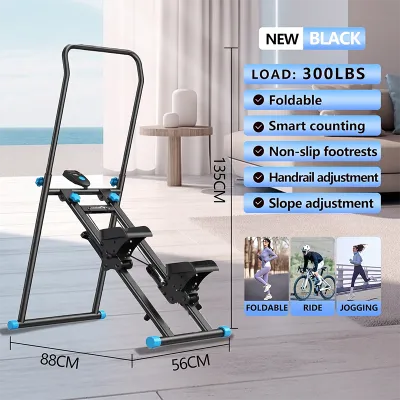
Prices are valid at publication and may change. Please refer to the product page for the latest price.
Incline settings directly impact the muscle groups targeted during your climb. You should verify the stated incline range and check whether adjustments are manual or automatic. Automatic incline changes allow you to maintain your momentum during a workout, while manual adjustments require you to pause and adjust pins or levers. Ensure the adjustment mechanism is robust and clearly documented, especially if you plan to perform high-intensity interval training (HIIT) where rapid transitions are necessary.
Biomechanics play a massive role in workout comfort and joint safety. Always check the stride length or step height specifications on the product label or spec sheet before purchasing. A step height that is too short may feel restrictive, while one that is too long can strain your knees and hips. Matching these measurements to your height and natural stride ensures a more ergonomic movement pattern, reducing the risk of repetitive strain injuries over time.
Folding Mechanism and Stored Footprint
A primary appeal of a foldable climbing machine is its ability to reclaim floor space when not in use, but this convenience depends entirely on the folding mechanism’s design. Inspect the folding hinge construction and the locking pin system to ensure they are made of heavy-duty materials. A weak locking mechanism poses a safety hazard, particularly in households with pets or children where an accidental unfolding could cause injury. Look for positive-locking pins or spring-loaded latches that click securely into place.

Do not rely solely on the manufacturer’s promotional images to judge how much space the machine will occupy. Compare the listed folded dimensions against the actual measured clearance in your designated storage area, whether that is a closet, a corner, or behind a door. Remember to account for baseboards, wall outlets, and nearby furniture that might obstruct the machine when folded. In compact urban condos, even a few centimeters of discrepancy can prevent the machine from storing flat.
Portability is another critical factor, as a space-saving design is of little use if the machine is too heavy to move. Check the unit’s total weight and verify whether it includes integrated transport wheels. Moving a heavy steel frame across wooden or tiled floors without wheels can cause scratches and strain your back. Ensure the wheels are made of non-marking material and are positioned to engage easily when the machine is tilted for transport.
Weight Capacity and Frame Stability
Because climbing involves vertical and lateral shifts in body weight, frame stability is paramount for safety. Review the maximum user weight limit on the product label and factor in a safety margin. Dynamic movements generate significantly more force than your static body weight, so choosing a machine with a capacity that exceeds your weight by at least 15 to 20 kilograms is a prudent safety practice. This margin helps prevent structural fatigue and ensures the machine remains stable during vigorous workouts.
The frame’s material and base width are the primary indicators of overall stability. Look for specifications detailing heavy-gauge steel tubing rather than thin aluminum or plastic connectors. A wider base footprint distributes lateral forces more effectively, preventing the machine from rocking or tipping when you pick up the pace. If you plan to perform high-intensity climbs, a heavier, wider frame is generally more reliable than an ultra-lightweight, highly portable alternative.
Uneven flooring can compromise even the most robust frame, leading to twisting and premature wear on joints. Verify that the machine is equipped with adjustable leveling feet. These threaded rubber feet allow you to compensate for minor floor imperfections, ensuring all contact points rest firmly on the ground. This simple feature prevents annoying vibrations and keeps the frame properly aligned during your workout.
Console Metrics and Tracking Features
Modern fitness equipment often comes loaded with digital features, but it is important to identify which metrics are truly essential for your progress. Look for consoles that track core metrics such as steps per minute, elevation gain, elapsed time, and estimated calorie burn. Verify how these metrics are calculated; some basic consoles use simple timers, while more advanced systems utilize sensors on the drive shaft for greater accuracy.
Before committing to a purchase, check whether the console requires an ongoing subscription to access basic workout modes. Some brands lock manual tracking or standard programs behind a monthly paywall, which can add thousands of pesos (₱) to the lifetime cost of the machine. Opt for models that offer fully functional, out-of-the-box tracking without requiring a continuous internet connection or paid membership.
If you use wearable fitness trackers or heart rate monitors, verify the machine’s connectivity options. Confirm compatibility with standard protocols like Bluetooth or ANT+ before buying. Having your climbing machine sync directly with your existing fitness apps or chest strap allows for more accurate heart rate zone training and seamless workout logging, helping you stay on track with your long-term fitness goals.
Frequently Asked Questions (FAQ)
Are foldable climbing machines noisy during operation?
The noise level of a foldable climbing machine depends largely on its drive type and maintenance. Chain-driven models tend to produce a metallic whirring sound, whereas belt-driven magnetic models operate much more quietly. To keep noise to a minimum, check the user manual for specific lubrication requirements and maintenance intervals. It is also helpful to read verified buyer feedback to understand how the machine performs in real-world apartment settings.
How much clearance is needed around the machine while in use?
Manufacturers typically recommend a minimum safety clearance of at least 0.6 meters on all sides of the machine. This space is necessary for proper ventilation, power cord management, and to ensure you can safely dismount in an emergency. Additionally, you must account for your ceiling height; because the climbing motion elevates your body, ensure your ceiling clearance accommodates your height plus the maximum pedal elevation of the machine.

Community discussion
Share your experience or ask a question. Comments are reviewed before publication.