
The choice between a foldable kayak and a hard-shell kayak is primarily dictated by your storage space, vehicle transport capabilities, and on-water performance expectations. If you live in a high-rise condominium in Manila, drive a compact sedan without a roof rack, and want a portable vessel for weekend getaways, a foldable kayak is your ideal fit. Conversely, if you have a dedicated garage or lakeside property, paddle multiple times a week, and demand maximum speed, tracking, and durability against rocky coastlines, a traditional hard-shell kayak remains the superior choice.
Evaluating your personal logistics and paddling goals before purchasing prevents costly mistakes. While both designs offer incredible access to the water, they cater to fundamentally different lifestyles. By analyzing your physical space, transport options, and performance needs, you can select the watercraft that gets you on the water with the least amount of friction.
Diagnose Your Storage and Transport Reality
Storage Space Constraints
Traditional hard-shell kayaks require significant physical space. A standard single-person hard-shell typically measures between 10 to 14 feet in length and cannot be bent or compressed. This physical reality requires a dedicated garage, a spacious backyard, or specialized wall-mounted racks. For apartment dwellers or those living in compact urban homes, storing a rigid hull indoors is practically impossible, and leaving it exposed on a balcony risks rapid material degradation.
Products mentioned in this guide
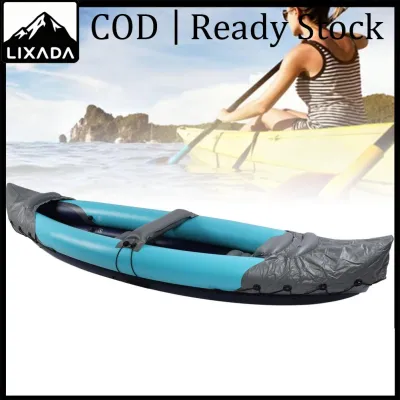
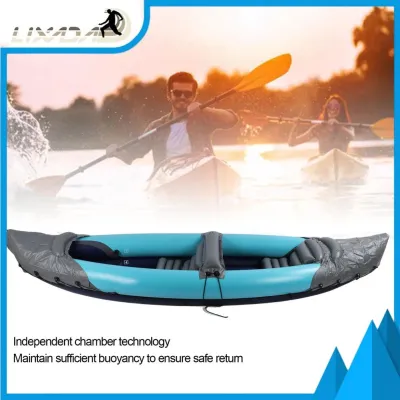
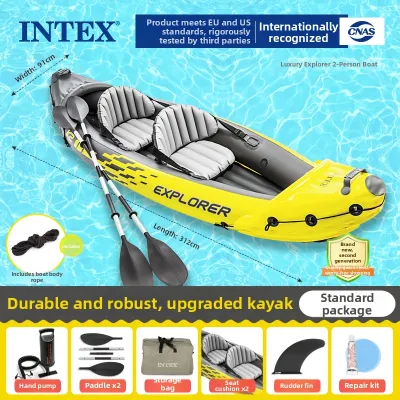
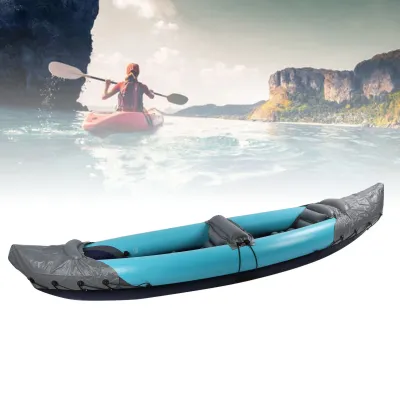
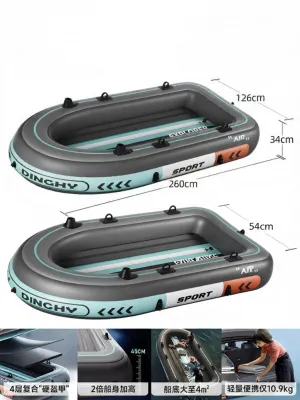
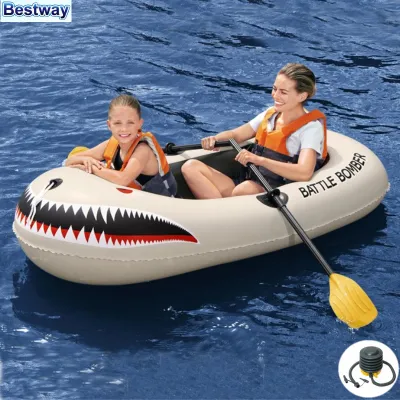
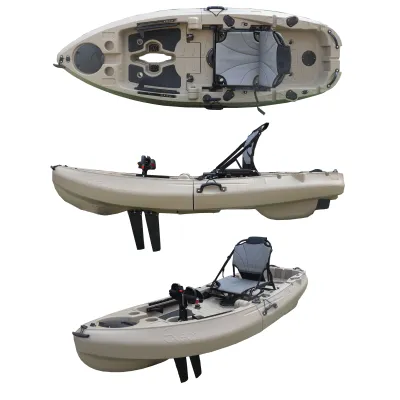
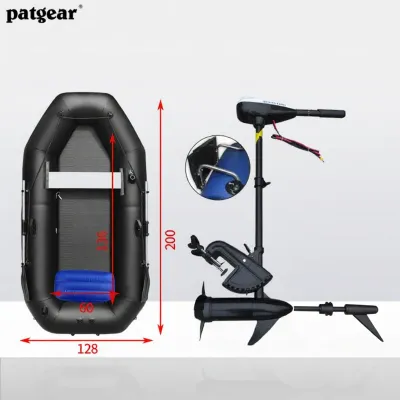
Prices are valid at publication and may change. Please refer to the product page for the latest price.
A foldable kayak solves this spatial dilemma by collapsing into a compact package. When disassembled, most models fit into a single carrying bag or backpack, roughly the size of a large duffel bag. This allows you to store the entire watercraft in a bedroom closet, under a bed, or in a small utility room. Before purchasing, always measure your designated indoor storage area and compare those dimensions against the manufacturer’s folded specification sheet to ensure a seamless fit.
Vehicle and Transport Logistics
Transporting a hard-shell kayak requires careful planning and specialized equipment. You must install a compatible roof rack system, crossbars, and heavy-duty tie-down straps on your vehicle. Lifting a solid hull—which often weighs between 40 to 80 pounds—onto a car roof requires physical strength, proper lifting technique, and often a second pair of hands to avoid damaging the vehicle’s paint or straining your back.
Foldable kayaks eliminate the need for roof racks and specialized transport gear. Because they pack down into a manageable bag, you can easily slide them into the trunk of a subcompact car, place them on the backseat, or even transport them via public transit or a ride-sharing service. This portability opens up remote launch sites, such as isolated coves in Batangas or quiet lakes in Laguna, where driving a roof-loaded vehicle might be challenging or impossible.
Match Your Paddling Frequency and Performance Needs
Casual, Travel, and Occasional Paddling
If your paddling adventures consist of exploring calm lakes, slow-moving rivers, or protected coastal bays, a foldable kayak offers more than enough performance. These vessels are engineered for recreational use, prioritizing primary stability—the feeling of steadiness when sitting flat on the water—which helps beginners and casual paddlers feel secure. They are excellent companions for weekend camping trips, family outings, or occasional holidays where water exploration is a secondary activity.

The primary trade-off with a foldable model is the setup time. You must dedicate 10 to 20 minutes to assembling the frame and skin before you can launch, and another 15 minutes to disassemble and dry the components afterward. If you only paddle once or twice a month, this ritual is a minor inconvenience compared to the immense benefit of being able to travel anywhere with your kayak tucked in the trunk.
Frequent, High-Performance, and Specialized Paddling
For paddlers who hit the water multiple times a week, the assembly process of a foldable kayak can quickly become a chore. Hard-shell kayaks offer a “grab-and-go” convenience that encourages spontaneous paddling sessions. You simply untie the kayak from its storage rack, secure it to your car, and launch immediately upon arrival at the water’s edge, entirely bypassing assembly and disassembly.
Beyond convenience, hard-shell hulls deliver unmatched performance on the water. Their rigid construction ensures efficient energy transfer; every paddle stroke translates directly into forward momentum without the subtle flexing that can occur in folding frames. This rigidity enables superior tracking, higher top speeds, and better handling in windy conditions or choppy waters. If your goals include long-distance touring, navigating open ocean swells, or specialized activities like stand-up kayak fishing where a rock-solid platform is mandatory, a hard-shell is irreplaceable.
Evaluate Durability and Tropical Climate Maintenance
Material Wear and Impact Resistance
Hard-shell kayaks, particularly those constructed from rotomolded polyethylene, are incredibly resilient. They can withstand scraping over shallow coral reefs, dragging across sandy beaches, and accidental collisions with submerged logs or concrete launch ramps with only minor cosmetic scratches. This ruggedness makes them highly forgiving for beginners and well-suited for demanding environments where underwater obstacles are common.
Foldable kayaks utilize advanced materials like heavy-duty PVC, polyurethane (TPU), or double-walled polypropylene, which are remarkably tough but not indestructible. They are more vulnerable to sharp punctures from oyster beds, jagged rocks, or metallic debris. When operating a foldable kayak, you must exercise greater caution during launches and landings, actively avoiding areas with sharp hazards. Always review the manufacturer’s material thickness specifications and warranty terms to understand the limits of your specific model.
Climate and Storage Maintenance
The tropical climate of the Philippines, characterized by high humidity and intense solar radiation, presents unique maintenance challenges for both kayak types. Mold and mildew thrive in damp, enclosed spaces. Consequently, you must ensure your kayak is completely dry before storing it. For a foldable kayak, this means meticulously wiping down and drying every fold, seam, zippered pocket, and internal frame joint before packing it into its storage bag to prevent material rot and unpleasant odors.
Hard-shell kayaks face a different threat: ultraviolet (UV) degradation. Extended exposure to intense tropical sunlight can break down the plastic polymers, causing the hull to fade, become brittle, and eventually crack. If you must store a hard-shell outdoors, apply a manufacturer-approved UV protectant spray regularly and keep the vessel covered with a heavy-duty, breathable shade tarp. Always consult your kayak’s specific care manual for approved cleaning agents and protective coatings.
Calculate the True Cost and Long-Term Value
When comparing costs, looking solely at the sticker price of the kayak can be misleading. While entry-level foldable kayaks can be relatively inexpensive, premium folding models that rival the performance of rigid boats often carry a high price tag, sometimes ranging from ‛40,000 to well over ‛100,000. However, the initial purchase price of a hard-shell kayak is only part of the investment. You must factor in the cost of a high-quality roof rack system, crossbars, tie-down straps, and potentially a trailer or specialized storage racks, which can add thousands of pesos to your total setup cost.
Conversely, foldable kayaks require almost no additional transport infrastructure, making the “ready-to-paddle” cost highly predictable. The long-term financial trade-off lies in durability and lifespan. A well-maintained hard-shell kayak can easily last decades with minimal maintenance. A foldable kayak, with its moving parts, fabric skins, and tension joints, may require replacement parts, skin patches, or frame repairs over time, particularly if used frequently in salty marine environments.
Final Verdict: Choose Your Paddling Path
To make your final decision, weigh your physical constraints against your performance desires:
- Choose a foldable kayak if: You live in an apartment or condominium, drive a small vehicle without roof racks, prioritize travel flexibility, and plan to paddle casually on calm lakes, rivers, or sheltered coastal waters.
- Choose a hard-shell kayak if: You have a garage, yard, or dedicated storage space, own a vehicle capable of carrying a roof rack, paddle frequently, and demand maximum speed, tracking, and rugged durability in open waters.
If you remain undecided, the most practical next step is to rent both types of kayaks for a day. Experiencing the transport logistics, setup process, and on-water handling firsthand will clarify which style fits seamlessly into your lifestyle.
Frequently Asked Questions (FAQ)
Can I use a foldable kayak in the ocean?
Yes, but only in calm, protected coastal areas, shallow estuaries, and bays. Foldable kayaks lack the extreme rigidity and specialized hull designs required to safely navigate open ocean swells, breaking surf, or strong tidal currents. For open ocean touring or offshore paddling, a dedicated hard-shell sea kayak is necessary to ensure safety and proper tracking.
How long does it take to set up a foldable kayak?
Most modern foldable kayaks take between 10 to 20 minutes to assemble once you are familiar with the process. First-time assembly will likely take longer as you learn how the frame and skin align. Be sure to factor this setup and teardown time into your paddling schedule so you do not rush the safety checks.
Are foldable kayaks safe for beginners?
Foldable kayaks are highly stable and safe for beginners when used in appropriate, calm water conditions. Their wider beams often provide excellent primary stability, making them difficult to tip over accidentally. However, safety ultimately depends on preparation: always wear a properly fitted personal flotation device (PFD), stay within the manufacturer’s maximum weight capacity, and avoid paddling in heavy winds or rough currents.
Community discussion
Share your experience or ask a question. Comments are reviewed before publication.