
Choosing between a folding mountain bike and a regular mountain bike (MTB) comes down to a fundamental choice: do you prioritize space-saving convenience or rugged off-road capability? While a folding mountain bike offers unmatched portability for tight living spaces and multi-modal commutes, it introduces structural compromises that affect how it handles rough terrain. A standard mountain bike, on the other hand, provides the structural integrity and geometry needed for demanding trails but requires dedicated storage space and a vehicle rack for transport.
To make the right investment, you must evaluate how your riding habits, storage limitations, and safety requirements align with these two distinct designs. Understanding the engineering differences will help you avoid purchasing a bike that either fails to fit in your home or cannot handle your favorite weekend trails.
The Core Trade-Off: Portability vs. Trail Performance
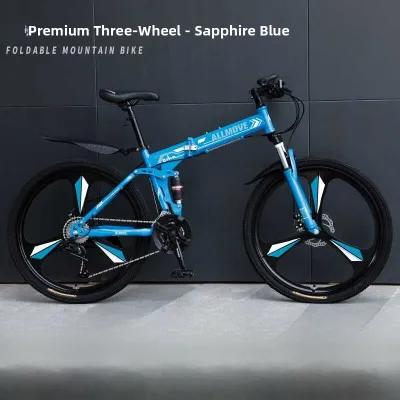
A folding mountain bike relies on a central hinge and locking latch to collapse into a compact package. This hinge introduces a structural break in the main frame triangle, which naturally reduces overall frame stiffness. When pedaling hard or climbing steep hills, some of your energy is lost to frame flex rather than being transferred directly to the wheels, making the ride feel less efficient than on a rigid, fully welded standard frame.
Products mentioned in this guide
Prices are valid at publication and may change. Please refer to the product page for the latest price.
Wheel size is another critical factor where these designs diverge. Many folding mountain bikes utilize smaller wheels, such as 20-inch or 26-inch options, to keep the folded footprint as small as possible. In contrast, modern standard MTBs typically use 27.5-inch or 29-inch wheels. Smaller wheels have a steeper angle of attack, meaning they drop deeper into ruts and struggle to roll smoothly over large rocks, thick roots, or uneven trail debris.
Weight distribution and handling also differ significantly between the two styles. The folding mechanism, reinforced latching hardware, and highly adjustable seatposts shift the bike’s center of gravity. This can make the steering feel twitchy or less predictable on loose gravel and steep descents, whereas a traditional mountain bike is engineered with a balanced, stable geometry specifically optimized for high-speed off-road control.
Self-Assessment: Signs a Folding Mountain Bike Fits Your Lifestyle
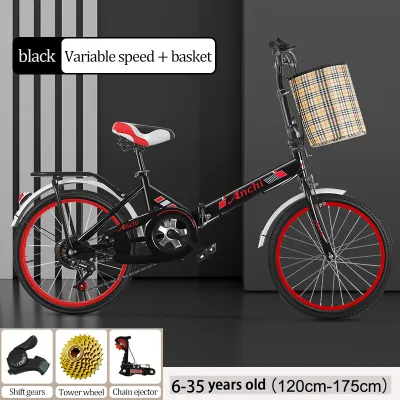
A folding mountain bike is highly practical if your daily routine involves navigating busy urban streets, boarding light rail transit systems, or packing your bike into the trunk of a compact car. In dense urban areas where living space is at a premium—such as compact studio apartments or shared condominiums—a bike that folds down to half its size can easily slide under a bed or fit inside a closet, keeping it safe from tropical humidity and sudden downpours.

Consider your typical riding routes. If your journeys consist primarily of paved roads, park paths, and occasional flat gravel trails, the structural limits of a folding frame will rarely be tested. The ability to fold the frame also makes it highly practical for mixed-mode commuting, allowing you to ride to a transit station, fold the frame to comply with local railway baggage guidelines, and complete your journey without needing a dedicated car rack.
Ask yourself how often you actually hit technical dirt trails. If off-road riding is an occasional weekend hobby on well-maintained dirt paths rather than a weekly high-speed descent down rocky mountainsides, the convenience of a folding frame likely outweighs the loss of extreme trail performance. The key is recognizing that the folding feature is designed to solve transport and storage problems, not to improve trail handling.
When a Regular MTB Is the Necessary Choice
For riders who intend to tackle aggressive trails, steep technical descents, or jump lines, a regular mountain bike is a safety-critical requirement. Traditional diamond frames distribute impact forces evenly across welded joints, preventing structural failure under heavy loads. Folding hinges are not engineered to withstand the violent vertical forces of drops, jumps, or high-speed rock gardens.
Traction and clearance are also superior on standard MTBs. Equipped with wider 27.5-inch or 29-inch wheels, these bikes provide a larger contact patch with the ground, which is essential for maintaining grip on muddy climbs or loose, wet soil during the rainy season. The larger diameter allows the tires to glide over obstacles that would stop a smaller wheel in its tracks, reducing the risk of over-the-bars crashes.
Long-distance rides require an optimized riding position to prevent lower back, neck, and wrist fatigue. Regular MTBs offer highly specific frame sizing (from extra-small to extra-large) to match your height and inseam. Folding bikes often rely on highly adjustable, one-size-fits-all components that can flex under load, leading to energy loss and physical discomfort over hours of continuous riding.
Key Specs to Check When Choosing a Folding MTB
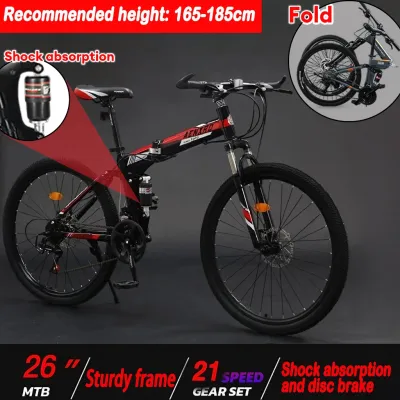
If you decide a folding mountain bike fits your lifestyle, you must evaluate specific components to ensure safety and durability. First, inspect the hinge locking mechanism. Look for dual-lock latches that require a secondary manual release; this prevents the frame from accidentally unfolding or loosening while you are riding. Check if the frame material is high-grade aluminum or steel, and verify the weld quality around the folding joint.
Ensure the bike uses reliable disc brakes (either mechanical or hydraulic) rather than rim brakes, as wet and muddy conditions can severely compromise stopping power. The drivetrain should offer a wide gear range to help you manage steep inclines without putting excessive torque on the folding frame. Avoid single-speed or narrow-range setups if you plan to ride in hilly areas.
Always check the manufacturer’s official weight capacity, which typically includes both the rider and any carried gear. Because the folding hinge is a high-stress point, review the warranty terms specifically regarding frame joint failure. Avoid models that do not clearly state these limits or lack a dedicated warranty for the folding mechanism, as these are indicators of a frame not built for off-road durability.
Making Your Final Decision
To make your choice, weigh your storage and transport constraints against your trail ambitions. If you have limited space, rely on public transit, and stick to light paths, a folding mountain bike is a highly practical solution. If you prioritize trail safety, high-speed stability, and technical off-road performance, a regular MTB is the correct investment.
If you find yourself in the middle, consider alternatives. A gravel bike offers excellent speed on pavement and capability on dirt roads without the weight of a folding mechanism. Alternatively, a folding hybrid bike might offer better road efficiency if you do not need knobby off-road tires.
Before purchasing, visit a local bike shop to test ride both styles. Pay close attention to how the frame feels under hard pedaling and verify that local shops can service the specific folding hinges and proprietary parts over time.
Frequently Asked Questions (FAQ)
Can I ride a folding mountain bike on aggressive downhill trails?
No. Folding mountain bikes are not designed or certified for aggressive downhill riding, jumps, or technical trail obstacles. The central folding hinge and adjustable latches are structural weak points that can fail under high-impact forces, posing a severe safety risk. For downhill and technical trail riding, a standard, non-folding mountain bike with a reinforced frame is necessary.
Are folding mountain bikes heavier than regular MTBs?
Yes, folding mountain bikes are generally heavier than regular MTBs of a similar price point. The addition of heavy steel hinges, locking latches, quick-release levers, and reinforced frame sections around the joints adds noticeable weight. This extra weight can make climbing steep hills more challenging and carrying the folded bike up stairs or onto transit more physically demanding.
Community discussion
Share your experience or ask a question. Comments are reviewed before publication.