
Finding effective ways to improve foot mobility, strength, and comfort does not require a massive financial investment. For beginners exploring foot exercises, a budget of ₱500 is entirely sufficient to secure practical, entry-level tools on local e-commerce platforms. By focusing on simple, manual equipment rather than complex electronic devices, you can easily kickstart a daily foot care routine without overspending.
The key to success at this price point lies in selecting targeted, low-tech items that offer high utility. Simple tools like manual rollers, resistance loops, and silicone toe separators are highly accessible and fit comfortably within your budget. These items allow you to perform essential movements that support ankle stability, arch strength, and toe alignment from the comfort of your home.
However, shopping in this price bracket requires a discerning eye. While there are many high-value options available, you must navigate a market filled with low-quality materials and misleading product listings. Understanding what to expect, how to verify material specifications, and how to avoid common online shopping traps will ensure you get the best possible value for your ₱500.
Products mentioned in this guide
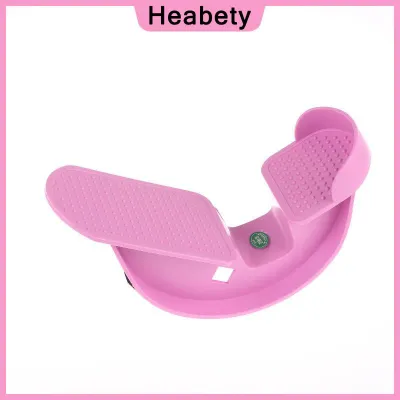
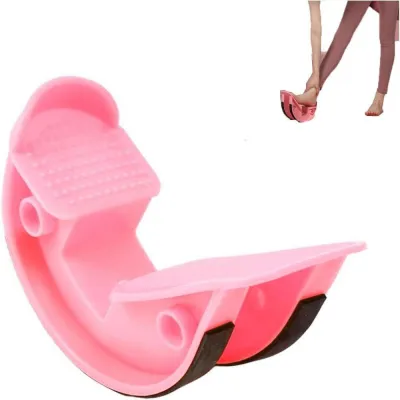
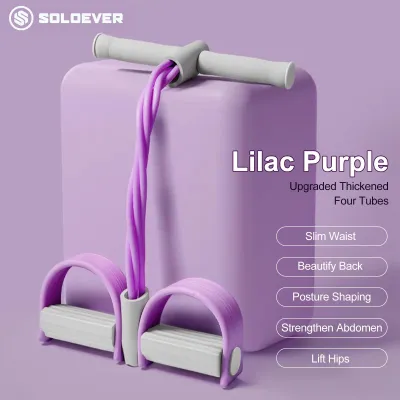
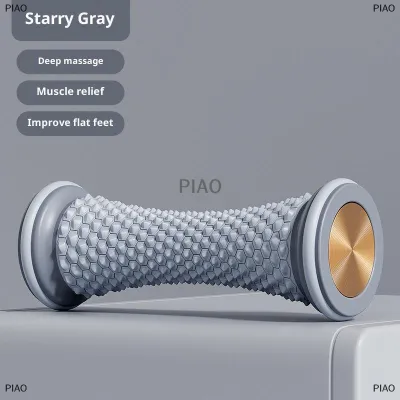
![[COD] WHPHous Ship within 24 hours Plantar Fasciitis Ball Muscle Relaxation Foot Massage Roller Meridian Stimulator Tool Yoga Massage Ball Muscle Relax Care](https://img.lazcdn.com/g/p/4fea87ad05204dc22519e4b40ee8312f.jpg_400x400q80.jpg_.webp)
Prices are valid at publication and may change. Please refer to the product page for the latest price.
Setting Realistic Expectations for a ₱500 Foot Exercise Budget
When working with a budget of ₱500, managing your expectations is the first step toward a successful purchase. At this price level, your options are strictly limited to manual, non-electronic tools. These include basic resistance bands, solid rubber massage balls, wooden or plastic foot rollers, and flexible toe stretchers. These tools rely entirely on your own physical effort and body weight to generate resistance or pressure.
It is important to recognize what is realistically out of reach in this price range. Electronic foot massagers, motorized circulation boosters, and heavy-duty metal calf stretchers cannot be found for under ₱500 without significant compromises in safety or quality. Attempting to buy complex mechanical or electrical devices at this price often leads to receiving poorly wired, fragile, or outright dangerous products that fail after a few uses.
For beginner-level gear, the primary trade-off of a lower price point is long-term durability and material refinement. Budget-friendly tools often use lighter plastics, synthetic rubber, or basic latex instead of premium, medical-grade materials. In a warm and humid tropical climate, these materials can degrade more rapidly when exposed to sweat and ambient moisture. Expecting a moderate lifespan and storing your equipment in a cool, dry place will help you get the most out of your investment.
Equipment Categories to Target on a Tight Budget
To maximize your ₱500 budget, you should focus your search on specific product categories that are naturally inexpensive to manufacture. By targeting simple designs, you ensure that a larger portion of your purchase price goes toward material quality rather than complex mechanisms. Depending on whether your primary goal is building strength, improving flexibility, or relieving daily tension, you can prioritize your purchase accordingly.

Resistance Bands and Loops for Ankle Mobility
Resistance bands and loops are highly effective for strengthening the muscles surrounding the ankles and arches. For beginners, it is best to start with light to medium resistance levels to avoid overexerting the delicate tendons of the foot. These lower resistance levels are widely available in budget-friendly multi-packs, allowing you to gradually progress as your strength improves.
When browsing options, pay close attention to the material composition of the bands. Latex loops are highly elastic and excellent for precise foot movements, but they can become slippery when wet with sweat and may degrade quickly in humid conditions. Fabric resistance bands offer a more secure grip and greater durability, though they tend to have less stretch, which might limit some specific toe-strengthening exercises.
Additionally, check the product descriptions to see if any basic accessories are included in the package. Some budget sets include a simple carrying pouch or a basic door anchor, which can expand the variety of exercises you can perform. Always verify that the band width is sufficient to wrap comfortably around the ball of your foot without rolling up or slipping off during use.
Massage Balls and Rollers for Plantar Relief
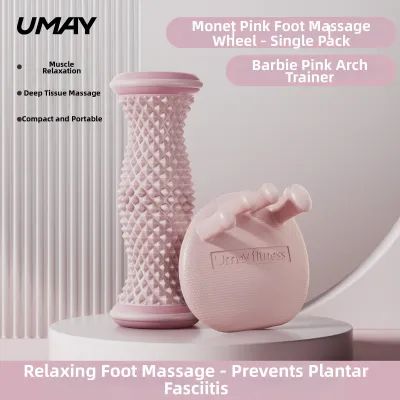
Manual massage balls and rollers are excellent for targeting tension in the plantar fascia and the arch of the foot. Beginners should carefully consider the surface texture of these tools based on their personal pain tolerance. Smooth massage balls, such as lacrosse balls, provide firm, even pressure, while spiky or textured rollers offer a more intense sensation that stimulates blood flow.
Size and hardness are critical factors to verify before making a purchase. A roller that is too large may not fit comfortably under your arch, while one that is too soft will compress completely under your body weight, offering little to no relief. Look for solid rubber or high-density foam options, and avoid hollow plastic rollers that can crack or collapse under pressure.
Because these items come into direct contact with your skin, it is wise to check customer reviews for any mentions of strong chemical odors or color bleeding. Low-cost rubber and PVC products sometimes emit strong fumes that can be unpleasant in enclosed indoor spaces. Opting for items made from thermoplastic elastomer (TPE) or natural wood can often mitigate these issues.
Toe Stretchers and Basic Pedal Devices
Toe stretchers and silicone separators are passive tools designed to help restore natural toe alignment and relieve pressure from tight footwear. When choosing silicone toe separators, look for highly flexible, medical-grade silicone that can stretch to accommodate different foot shapes without pinching. Avoid rigid plastic alternatives, as they do not conform to the natural contours of your feet and can cause discomfort.
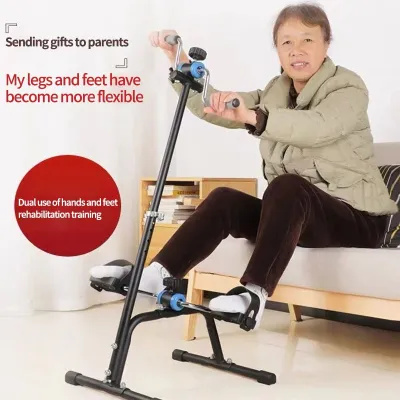
You may also encounter miniature pedal exercisers advertised near the ₱500 mark. It is generally advisable to avoid these low-cost mechanical devices, as their internal gears and plastic frames are rarely durable enough to withstand repetitive use. At this price point, a simple set of silicone toe stretchers or a manual foot roller will provide far greater utility and longevity than a poorly constructed mechanical pedal.
How to Evaluate Quality and Avoid Budget Traps
Shopping on online marketplaces requires a strategic approach to filter out low-quality listings and misleading advertisements. One of the most common traps is relying solely on the overall star rating of a product. Many low-cost items accumulate high ratings through incentivized reviews, where buyers receive small rebates or free gifts in exchange for five-star feedback. To find honest opinions, filter the reviews to show only one-star and two-star ratings, paying close attention to recurring complaints about structural failure or material degradation.
Product images can also be highly deceptive. Sellers often use heavily edited stock photos or stolen branding to make cheap items appear premium. Look for listings that include real, unedited photos uploaded by actual customers in the review section. These images will give you a realistic view of the product’s actual size, color, texture, and overall build quality before you commit to a purchase.
Before checking out, take a moment to verify the seller’s reputation and store policies. Check how long the store has been active on the platform and look for a high positive seller rating, ideally above 90 percent. Review the platform’s return policy for the specific item to ensure you can easily request a refund or replacement if the product arrives damaged or does not match the description.
Managing Hidden Costs: Shipping and Bundle Strategies
A common mistake when shopping on a tight budget is forgetting to account for shipping fees, which can easily push your total expenditure past the ₱500 limit. Shipping costs are often calculated based on your location and the seller’s warehouse origin. If you are purchasing a ₱150 foot roller, a ₱100 shipping fee represents a significant percentage of your budget, reducing the overall value of your purchase.
To combat this, look for sellers that offer free shipping thresholds or participate in platform-wide shipping discount programs. Another highly effective strategy is to bundle complementary items from the same store. For example, purchasing a resistance band and a massage ball together from a single seller can help you meet the minimum spend required for free shipping, maximizing the value of every peso spent.
Finally, always review your final checkout screen carefully before clicking the purchase button. Ensure that any applicable platform vouchers, store discounts, or free shipping codes have been successfully applied to your order. Be aware of any pre-selected add-ons or optional shipping insurance fees that might silently inflate your total bill beyond your ₱500 target.
A Step-by-Step Buying Checklist for Beginners
To ensure a smooth and successful shopping experience, follow this structured checklist to guide your decision-making process. First, identify your primary foot care goal: choose a massage ball or roller if you need tension relief, or select a resistance band if you want to focus on ankle mobility and strength. Prioritize simple, solid-state designs over complex mechanical parts to ensure the tool lasts.
Once you have selected a category, search for listings with high-resolution customer photos and read the lowest-rated reviews to identify potential material flaws. Add your chosen item to your cart and check the seller’s store page for any additional low-cost accessories that could be bundled to qualify for free shipping. This step ensures you do not waste your budget on high delivery fees.
Before finalizing your order, apply all available platform and store vouchers at the checkout screen. If your desired item slightly exceeds the ₱500 limit, do not rush the purchase; instead, save the item to your wishlist and wait for monthly double-digit sales campaigns or mid-month promotions when discounts and free shipping vouchers are more abundant.
Frequently Asked Questions (FAQ)
Can I use regular household items instead of buying foot exercise equipment?
Yes, several common household items can serve as safe and effective temporary substitutes for foot exercises. For instance, rolling the arch of your foot over a frozen water bottle can provide both massage and cold therapy, while a rolled-up bath towel can be used to perform basic calf and foot stretches. However, you should avoid using fragile glass bottles or unstable round objects that could slip, shatter, or cause a fall. Upgrading to purpose-built equipment is recommended when you require consistent resistance levels or specific textures that household items cannot replicate.
How do I know if a budget foot roller is safe for plantar fasciitis?
Budget foot rollers are designed for general muscle maintenance and tension relief, not as medical treatments for clinical conditions like plantar fasciitis. If you are experiencing acute pain, a roller that is too hard or has sharp, rigid spikes can aggravate the inflammation and worsen your condition. Look for rollers made of dense foam or firm rubber that offer some compression under pressure, rather than hard, unyielding plastic. If you experience sharp or worsening pain during or after use, stop immediately and consult a healthcare professional for a proper diagnosis and treatment plan.
Community discussion
Share your experience or ask a question. Comments are reviewed before publication.