
Selecting the right recovery gear is a critical step in overcoming running injuries that keep you off the pavement. When dealing with lower limb discomfort, many runners confuse the targeted solutions required for foot pain with those needed for leg pain. A dedicated foot splint is designed specifically to address the structural tension of plantar fasciitis, whereas shin splints require external compression and impact absorption along the lower leg. Understanding these anatomical differences ensures you invest in the correct support system rather than worsening your condition with ill-fitting gear.
In tropical climates like the Philippines, choosing recovery gear also requires careful consideration of heat, humidity, and moisture management. Wearing a heavy, non-breathable brace during warm nights or humid morning runs can lead to skin irritation, slipping, and general discomfort. By matching the specific mechanics of your injury to the appropriate splint or sleeve, you can support your body’s natural healing process while maintaining optimal skin health.
Identifying Your Injury: Plantar Fasciitis vs. Shin Splints
Distinguishing between plantar fasciitis and shin splints is the first step toward choosing the right recovery equipment. Plantar fasciitis typically manifests as a sharp, stabbing pain on the underside of the heel or along the arch of the foot. This discomfort is notoriously severe during your very first steps in the morning, gradually easing as the foot warms up but returning after long runs.
Products mentioned in this guide
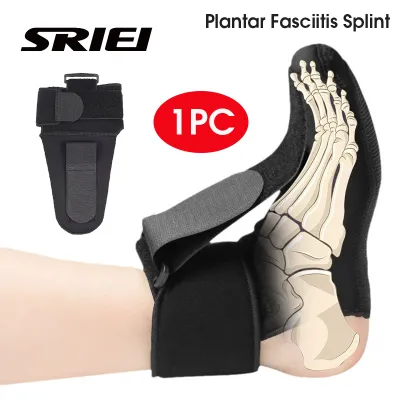
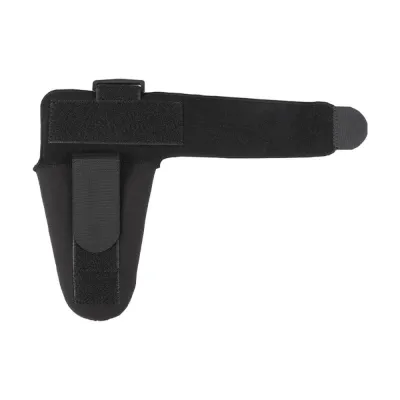
Prices are valid at publication and may change. Please refer to the product page for the latest price.
In contrast, shin splints—medically known as medial tibial stress syndrome—cause aching or throbbing pain along the front or inner side of the shinbone. This pain usually intensifies during physical activity, particularly when running on hard concrete roads or subdivision pavements, and subsides relatively quickly once you stop moving. The underlying cause is often repetitive impact and muscle vibration rather than the localized structural tension found in the foot.
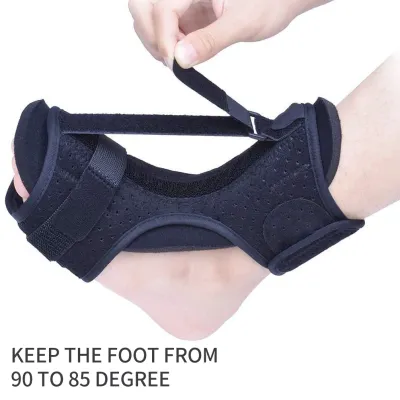
The anatomical differences between these two conditions explain why a standard foot splint cannot treat shin splints. A foot splint is designed to hold the ankle and foot in a slightly flexed position, stretching the plantar fascia ligament under the foot to prevent it from tightening overnight. This mechanical stretch does nothing to support the tibia or the surrounding calf muscles, which are the primary areas of stress when dealing with shin splints.
Conversely, using a tight leg compression sleeve will not provide the structural elongation required to heal a damaged plantar fascia. Misapplying these supports can delay your recovery and lead to secondary biomechanical issues as your body attempts to compensate for the unaddressed pain. Pinpointing the exact location and behavior of your discomfort ensures you select gear that directly targets the affected tissue.
Choosing the Right Foot Splint for Plantar Fasciitis
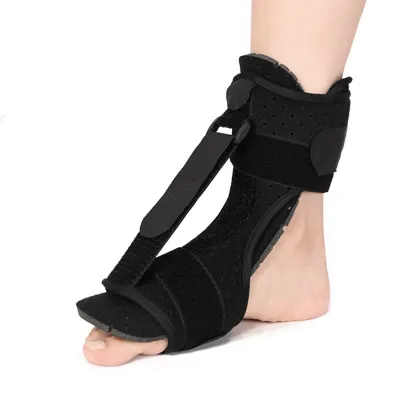
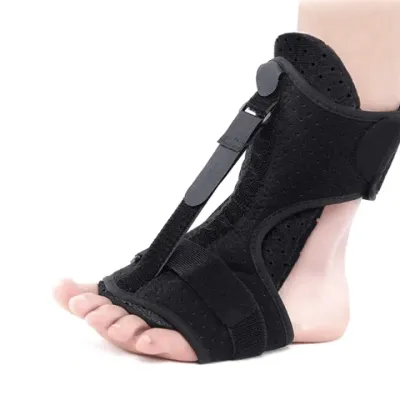
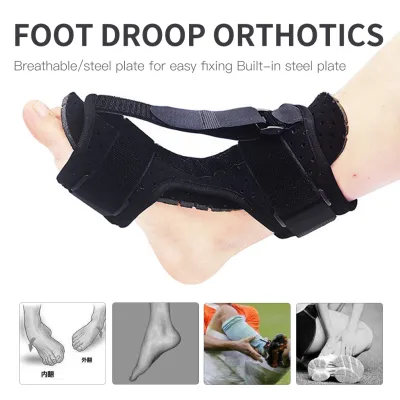
When managing plantar fasciitis, the primary goal of a foot splint is to maintain a gentle, continuous stretch on the plantar fascia and Achilles tendon while you rest. Dorsal night splints are a popular, lightweight option featuring a rigid plastic spine that runs along the top of the foot and shin. This design leaves the heel and arch completely exposed, which maximizes breathability and comfort during warm, humid nights.

For individuals experiencing severe morning pain, boot-style splints offer a more rigid and structured alternative. These devices utilize a hard plastic shell on the back of the leg and underside of the foot, securing the entire ankle joint in a fixed, neutral position. While boot splints provide maximum immobilization and a highly consistent stretch, they are bulkier and can feel uncomfortably warm in tropical environments without adequate ventilation.
Sock-style or sleeve splints represent a more flexible, comfort-focused category suitable for mild cases or daytime rest. These soft supports typically use an adjustable strap that connects the toe of the sock to the upper calf, pulling the toes upward to create tension. While highly breathable and easy to pack, they offer less structural rigidity than dorsal or boot-style splints and may stretch out over time with frequent use.
When evaluating any foot splint, look for adjustable straps that allow you to customize the angle of flexion to your comfort level. Breathability is another essential factor, so prioritize moisture-wicking fabrics and open-design structures to prevent sweat buildup. Additionally, ensure the splint features a slip-resistant sole grip, allowing you to walk safely on smooth indoor tiles if you need to get up during the night.
Selecting Proper Leg Support for Shin Splints
Because foot splints are ineffective for shin splints, runners dealing with lower leg pain must look to targeted leg supports. Calf compression sleeves are the most common tool for managing shin discomfort during active movement. These elastic sleeves apply graduated pressure to the lower leg, which helps stabilize the calf muscles and reduces the micro-vibrations that irritate the periosteum along the shinbone.
For more acute discomfort, targeted shin braces or wraps offer adjustable, localized pressure directly over the painful areas of the tibia. These wraps typically feature neoprene or breathable composite bands that you can tighten to compress the specific muscle attachments along the shin. This localized support can help manage discomfort during daily activities, though it should not be used as a permanent shield to mask pain during high-intensity training.
Beyond external braces, your primary defense against shin splints lies in your footwear and shock-absorbing insoles. Running shoes that have lost their cushioning fail to absorb the impact of hard road surfaces, transferring that force directly up into your shins. Replacing worn-out shoes and adding supportive, shock-absorbing insoles can significantly reduce the stress placed on your lower legs during every stride.
It is important to remember that compression sleeves and wraps are designed to support the muscles and improve blood flow, not to cure the underlying bone stress. They function best when combined with rest, surface modification, and strength training. Relying solely on a brace while continuing to run through severe shin pain can lead to more serious bone injuries over time.
Fitting, Care, and Usage Guidelines for Recovery Gear
Properly fitting your recovery gear is essential to avoid secondary issues such as skin irritation or restricted blood circulation. When securing a foot splint or leg brace, the straps should be snug enough to prevent shifting but loose enough to allow normal blood flow. You can check your circulation by pressing on your toenails; if the natural pink color does not return within two seconds of releasing pressure, the straps are too tight.
Maintaining excellent hygiene is particularly important when using recovery gear in hot and humid climates. Sweat and dead skin cells can quickly accumulate under tight straps and rigid plastic shells, creating a breeding ground for bacteria and fungi. Wash your splints and sleeves regularly according to the manufacturer’s instructions, and ensure your skin is completely dry before putting them on.
Integrating these recovery tools into your routine should be done gradually to allow your body to adapt to the new support. Start by wearing a night splint for short periods during evening rest before attempting to wear it for an entire night. As your pain begins to subside, use a gradual, pain-monitored return-to-run protocol, slowly increasing your mileage only when you can run completely pain-free.
Never use recovery gear to force your way through an active injury during a run. If you feel sharp pain while wearing a compression sleeve or brace, stop running immediately and walk back. The gear is meant to facilitate healing during rest and provide mild stabilization during light activity, not to act as a temporary fix for structural damage.
Red Flags: When to Stop Self-Care and See a Professional
While over-the-counter splints and braces are excellent tools for mild to moderate running injuries, they have clear limitations. One of the most critical red flags is sharp, localized bone pain along the shin that persists even when you are completely at rest. This type of pinpoint tenderness is a common indicator of a tibial stress fracture, which requires professional medical imaging and a structured treatment plan rather than simple compression.
You must also monitor your lower extremities for any signs of nerve or blood flow compromise. If you experience persistent numbness, a pins-and-needles sensation, or coldness in your toes while wearing or after removing your gear, stop using it immediately. Unusual color changes, such as your foot turning pale or bluish, also indicate that the support is interfering with your circulatory or nervous system.
Finally, establish a clear timeline for your self-care routine to prevent chronic damage. If your pain continues to worsen or fails to show any noticeable improvement after two to three weeks of consistent rest and proper splint use, it is time to consult a healthcare professional. A physical therapist or sports physician can provide a comprehensive biomechanical assessment to address the root cause of your running injury.
Frequently Asked Questions (FAQ)
Can I run while wearing a foot splint or shin brace?
You should not run while wearing a rigid foot splint, as these devices are designed strictly for rest and immobilization to stretch the plantar fascia. Running in a rigid splint can alter your gait, leading to severe injury in other parts of your leg and foot. Conversely, soft calf compression sleeves and flexible shin wraps are designed for active wear and can be worn during runs to help reduce muscle vibration and support blood flow.
How long should I wear a night splint for plantar fasciitis?
Most physical therapy guidelines recommend wearing a night splint consistently for several weeks, typically until your morning heel pain completely subsides. It is best to start by wearing the splint for one to two hours during evening rest to let your foot adjust to the stretch. Once comfortable, you can wear it overnight, though you should remove it immediately if it wakes you up with discomfort or disrupts your sleep.
Do I need a custom orthotic instead of an off-the-shelf splint?
An off-the-shelf splint is an excellent, cost-effective starting point for managing temporary symptoms of plantar fasciitis or mild shin splints. However, if you have structural foot issues like severe flat feet or high arches, or if retail gear fails to provide relief, a custom orthotic may be necessary. A podiatrist can design custom inserts tailored to your unique foot shape and running gait to provide long-term biomechanical correction.
Community discussion
Share your experience or ask a question. Comments are reviewed before publication.